
Paddle Crab
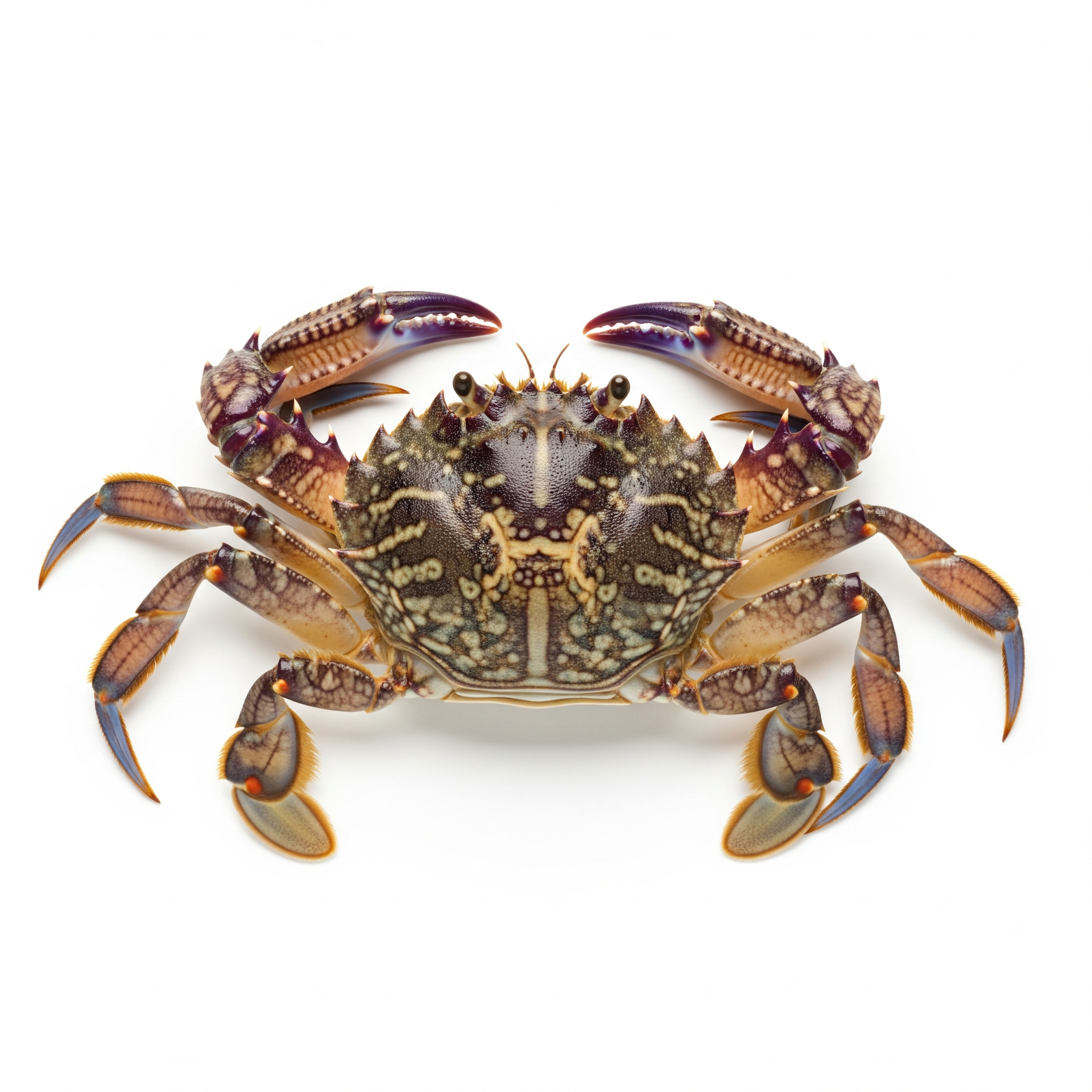
The paddle crab (Ovalipes catharus) is a medium-sized true crab native to New Zealand and southern Australian coastal waters, notable for its flattened, paddle-like hind legs that enable swift swimming.
The paddle crab (Ovalipes catharus) is a medium-sized true crab native to New Zealand and southern Australian coastal waters, notable for its flattened, paddle-like hind legs that enable swift swimming.
First described by White in 1843, the paddle crab has long been recognized in Australasian marine environments. Its populations are entirely wild, with no known breeding or hybridization programs, thriving naturally along sandy and muddy coastal substrates.
Belonging to the family Ovalipidae and genus Ovalipes, the paddle crab is a member of the infraorder Brachyura, commonly known as true crabs. This classification distinguishes it from related swimming crabs in the Portunidae family and other crustaceans.
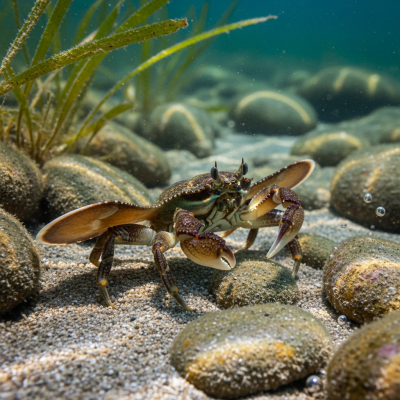
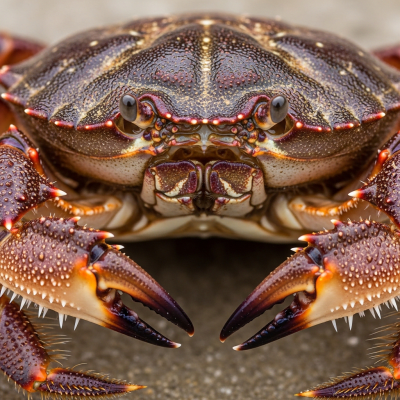
The paddle crab features a broadly oval, smooth carapace measuring around 8 to 12 centimeters across, colored in pale brown to reddish hues with lighter mottling. Its most distinctive trait is the last pair of legs, flattened into broad paddles that facilitate agile swimming through coastal waters.
Agile and predatory, the paddle crab hunts bivalves, fish, and various invertebrates. It inhabits marine and estuarine environments, demonstrating tolerance to a range of salinities. Its swimming ability allows it to navigate sandy and muddy substrates efficiently, playing an active role in its ecosystem.
Bring this kind into your world illustrated posters, mugs, and shirts.
Archival print, museum-grade paper
Buy Poster
Stoneware mug, dishwasher safe
Buy Mug
Soft cotton tee, unisex sizes
Buy ShirtWhile not widely prominent in global culture, the paddle crab holds regional importance in New Zealand and southern Australia, where it is recognized by local fishers and communities. It occasionally appears in local seafood lore and is valued for its culinary qualities.
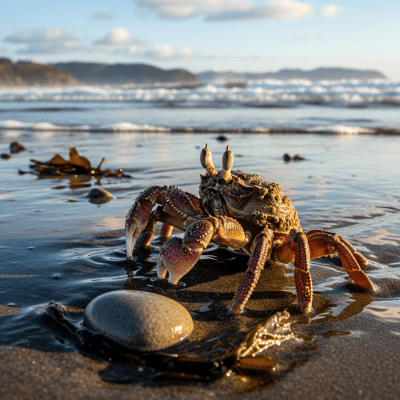
Inhabiting marine and estuarine zones, the paddle crab favors sandy and muddy bottoms from intertidal areas down to depths of about 50 meters. It plays a vital ecological role as a predator of bivalves, fish, and other invertebrates, contributing to the balance of coastal ecosystems.
The paddle crab grows moderately, undergoing several molts before reaching sexual maturity between one and two years of age. Its lifecycle unfolds entirely in the wild, with no known captive breeding. Details on larval stages align with typical brachyuran development patterns.
While currently not listed as threatened, the paddle crab faces pressures from overfishing and habitat degradation. Its adaptability to disturbed environments offers some resilience, but sustainable management is essential to maintain healthy populations.
Humans benefit from the paddle crab primarily through regional fisheries in New Zealand and Australia, where it is harvested for its prized, sweet-tasting meat. Beyond culinary use, its presence supports local economies and contributes to marine biodiversity awareness.