Marbled Crab
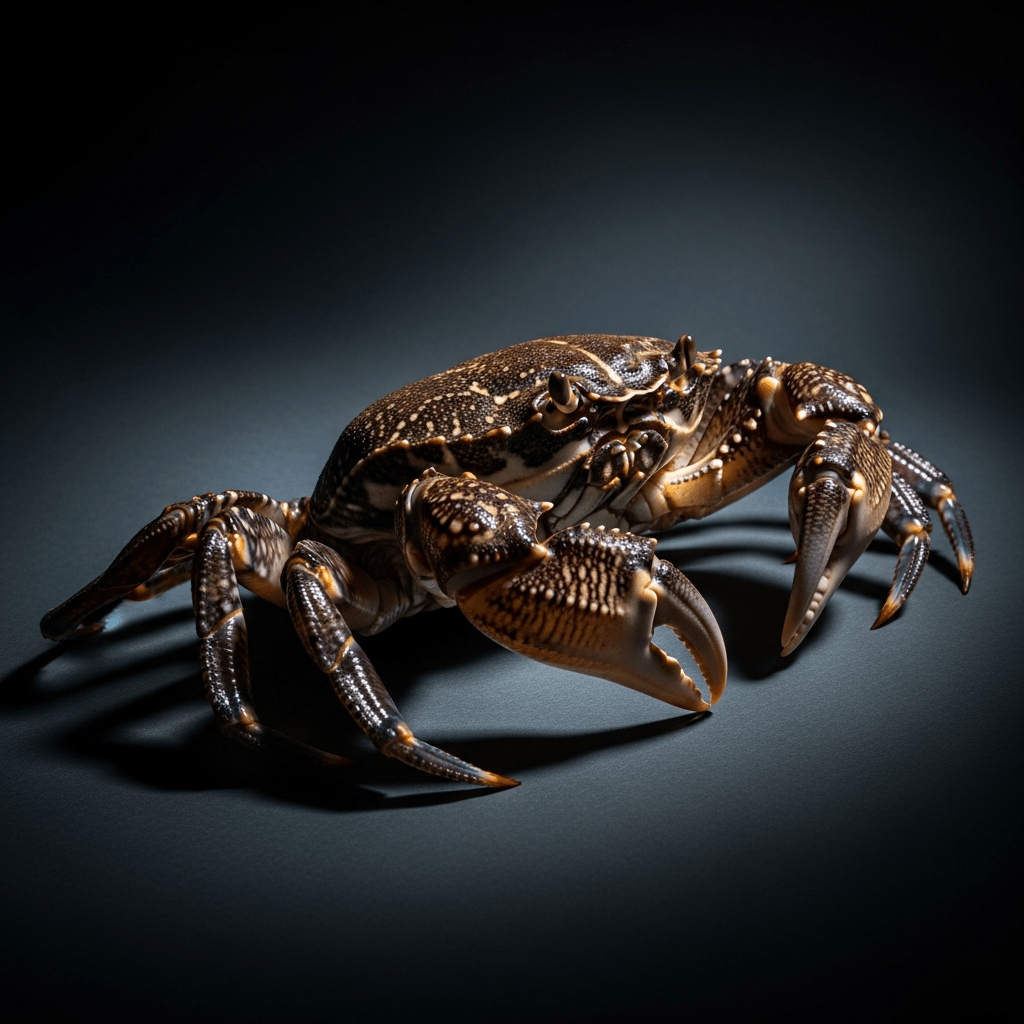
The marbled crab (Pachygrapsus marmoratus) is a small, robust true crab known for its distinctive marbled carapace and adaptability to rocky intertidal zones across the Mediterranean, Black Sea, and nearby Atlantic coasts.
The marbled crab (Pachygrapsus marmoratus) is a small, robust true crab known for its distinctive marbled carapace and adaptability to rocky intertidal zones across the Mediterranean, Black Sea, and nearby Atlantic coasts.
First described by A. Risso in 1817, the marbled crab has a well-documented lineage within the family Grapsidae and genus Pachygrapsus. Its origins trace back to Mediterranean shores where it was initially identified, establishing a long history of scientific recognition without known hybridization or artificial breeding.
The marbled crab belongs to the infraorder Brachyura, commonly known as true crabs. It is classified within the family Grapsidae and genus Pachygrapsus, a group characterized by shore-dwelling crabs adapted to rocky coastal habitats. This taxonomic placement reflects its evolutionary relationships among brachyuran crabs.
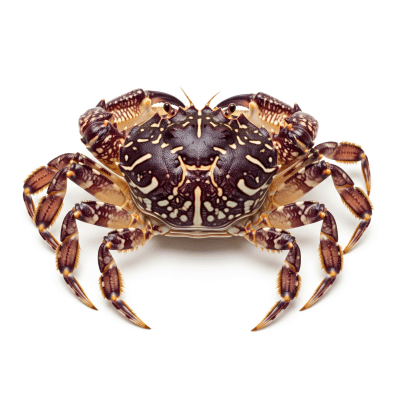
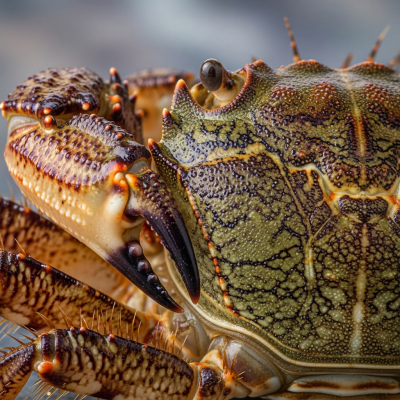
This species features a squarish, flattened carapace up to 4.5 cm wide, adorned with a striking marbled pattern of brown, green, and yellow hues. The smooth shell has a slightly notched frontal margin, while its relatively short, robust legs are well-suited for gripping rocky surfaces. Males are typically larger and bear more prominent claws, highlighting clear sexual dimorphism.
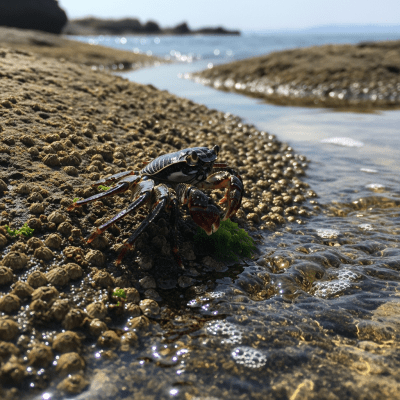
The marbled crab is an omnivorous forager, feeding on algae, detritus, and small invertebrates found in its intertidal environment. Its behavior includes clinging tightly to rocks to withstand wave action and fluctuating conditions. Though not commercially farmed, it is occasionally harvested locally for food or used as bait in recreational fishing.
Bring this kind into your world illustrated posters, mugs, and shirts.
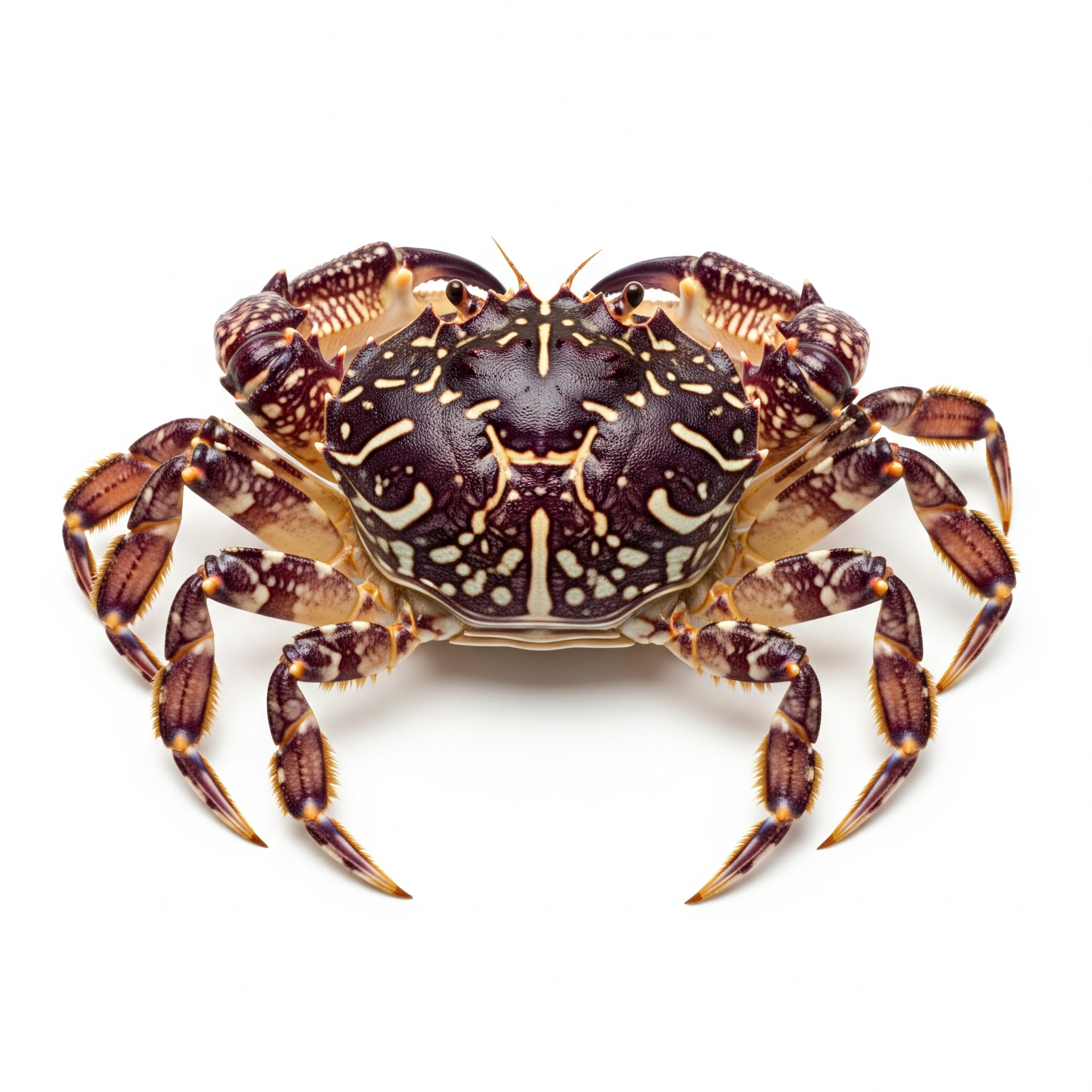
Archival print, museum-grade paper
Buy Poster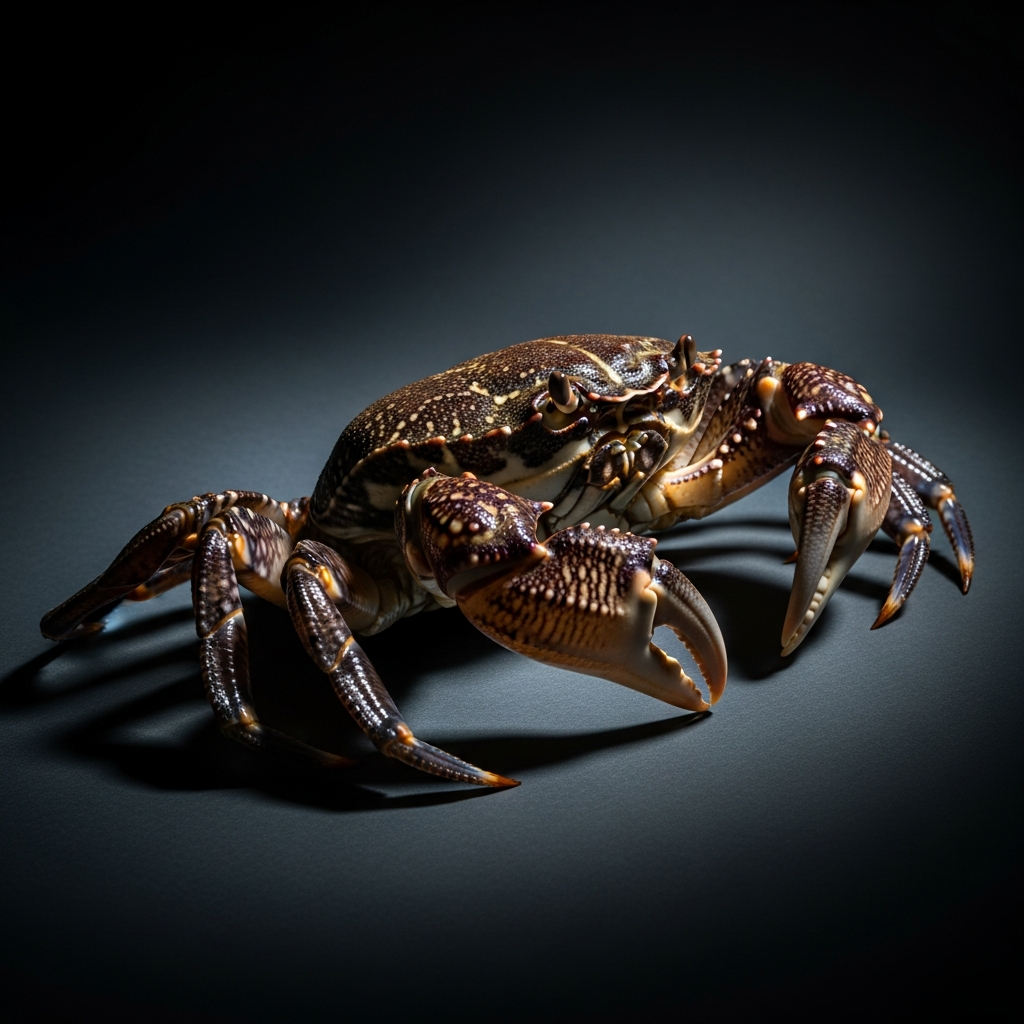
Stoneware mug, dishwasher safe
Buy Mug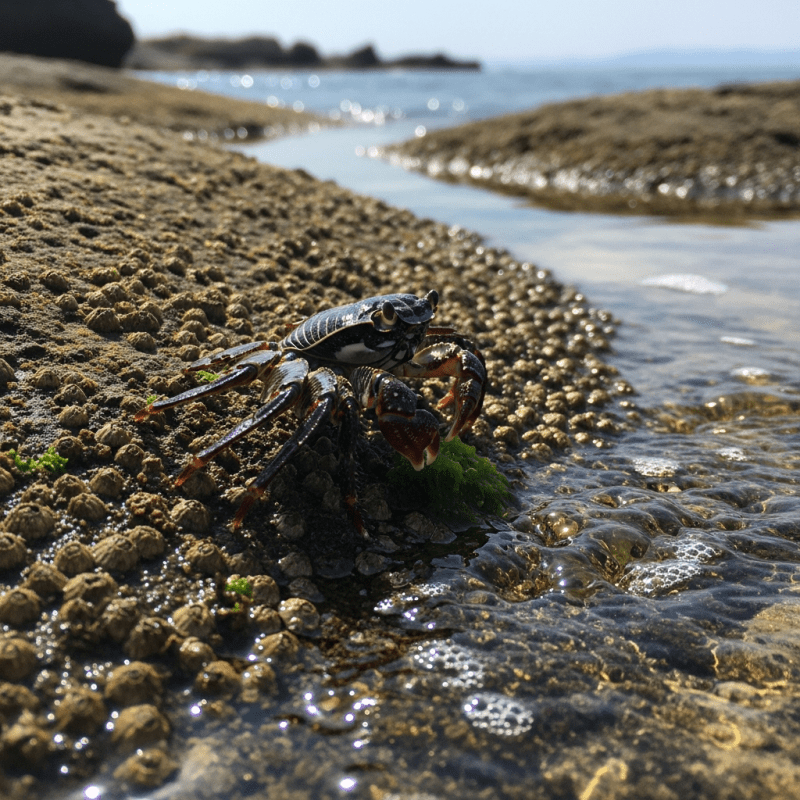
Soft cotton tee, unisex sizes
Buy ShirtWhile the marbled crab holds limited economic value due to its small size, it is recognized in Mediterranean coastal cultures by various regional names and occasionally features in traditional dishes. Its ecological role and presence in local folklore underscore its subtle cultural importance along its native shores.
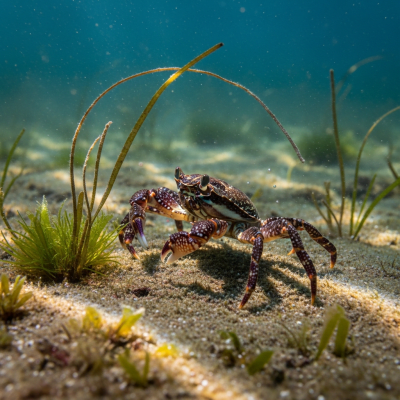
Primarily inhabiting rocky intertidal zones, the marbled crab thrives along coastal shores where it clings to stones and crevices. Its ecological role includes controlling algal growth and scavenging detritus, contributing to nutrient cycling in these dynamic environments. Its tolerance to salinity and temperature fluctuations allows it to occupy both fully marine and brackish habitats.
The marbled crab undergoes direct growth, with juveniles closely resembling adults from early stages. Molting occurs regularly, especially during warmer months, facilitating growth and development. Sexual dimorphism is evident, with males growing larger and developing more pronounced claws. Details on specific breeding behaviors are typical of shore crabs but not extensively documented for this species.
Currently, the marbled crab faces no major conservation threats at a global scale but is vulnerable to localized pollution and habitat loss. Its populations remain stable across much of its native range, benefiting from its adaptability to environmental fluctuations. No formal protection status is assigned, though monitoring of coastal habitats is important to ensure its continued health.
Humans interact with the marbled crab mainly through occasional local harvesting for food and use as bait in recreational fishing. Beyond culinary uses, it plays a valuable ecological role in maintaining healthy coastal ecosystems, indirectly supporting fisheries and biodiversity. Its presence also enriches coastal biodiversity, contributing to natural heritage and educational interest.