Ghost Crab
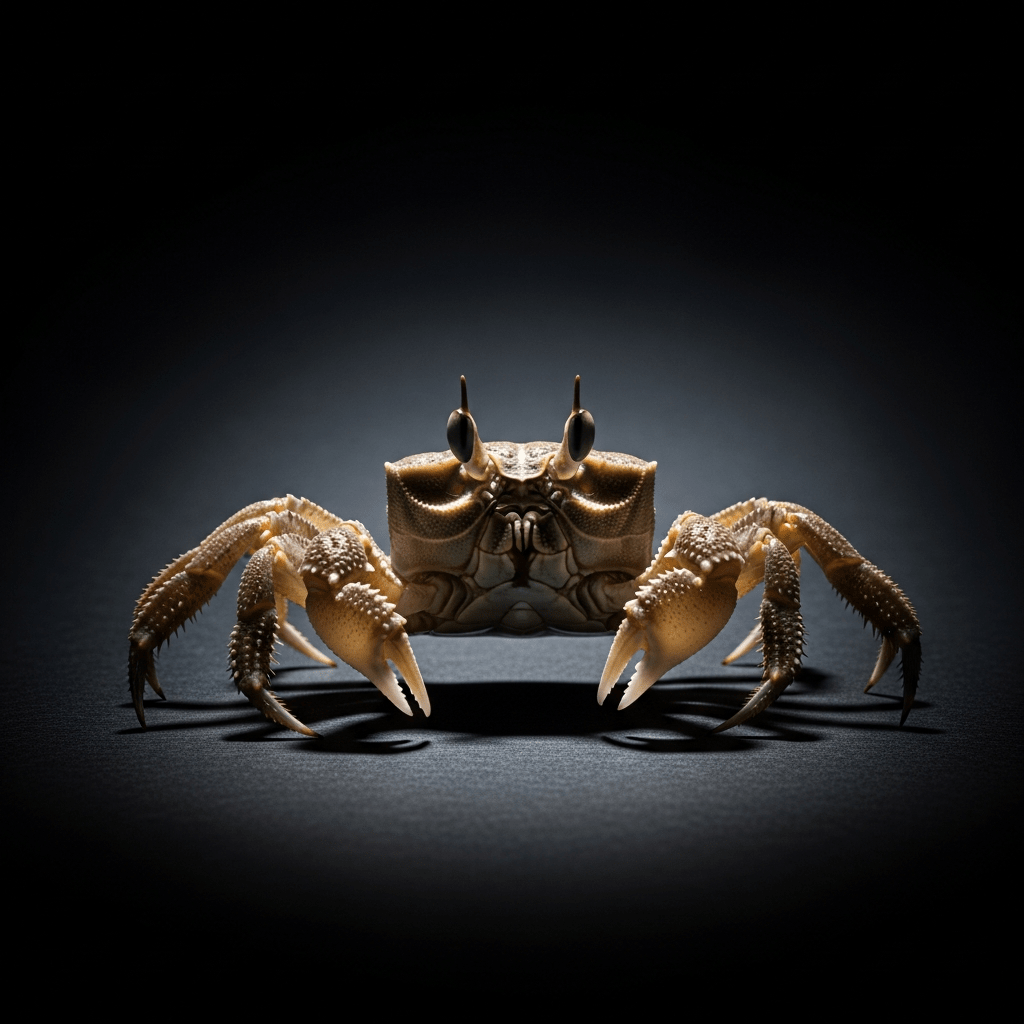
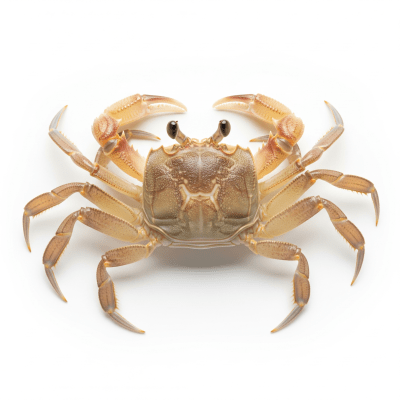
The ghost crab (genus Ocypode) is a swift, pale-colored true crab known for its distinctive square-shaped body and burrowing lifestyle on sandy tropical and subtropical beaches worldwide.
The ghost crab (genus Ocypode) is a swift, pale-colored true crab known for its distinctive square-shaped body and burrowing lifestyle on sandy tropical and subtropical beaches worldwide.
The genus Ocypode was first described by Fabricius in 1798, emerging from centuries of naturalist observations. These crabs have a global presence on sandy shores, with their taxonomy refined over time through molecular and morphological studies rather than any single discovery event.
Ghost crabs belong to the family Ocypodidae within the infraorder Brachyura, the true crabs. The genus Ocypode encompasses multiple species characterized by their terrestrial adaptations and coastal habitats, fitting firmly within the broader taxonomic framework of true crabs.
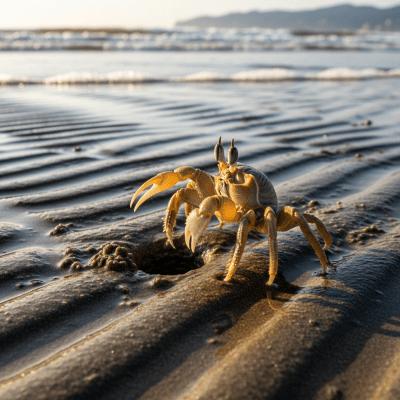
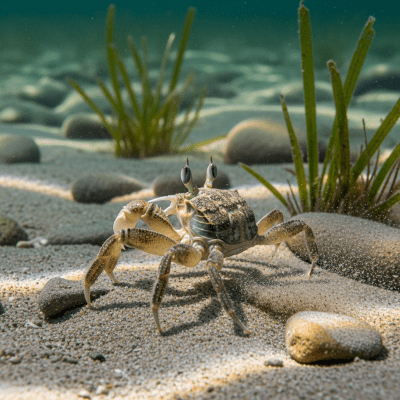
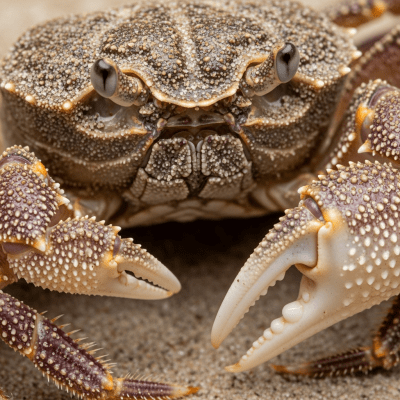
Ghost crabs typically measure up to 5 cm across the carapace, which is square to rectangular in shape. Their coloration ranges from pale yellow to white or sandy hues, providing excellent camouflage against beach sand. They feature long stalked eyes with 360-degree vision and often have one claw larger than the other, especially in males, enhancing their distinctive silhouette.
Adapted for life on land and sand, ghost crabs are remarkable for their rapid sideways running, reaching speeds up to 1.6 meters per second. They dig deep burrows—sometimes up to a meter long—above the high tide line to shelter from predators and environmental extremes. Their omnivorous diet includes detritus, small animals, and carrion, making them important scavengers in coastal ecosystems.
Bring this kind into your world illustrated posters, mugs, and shirts.
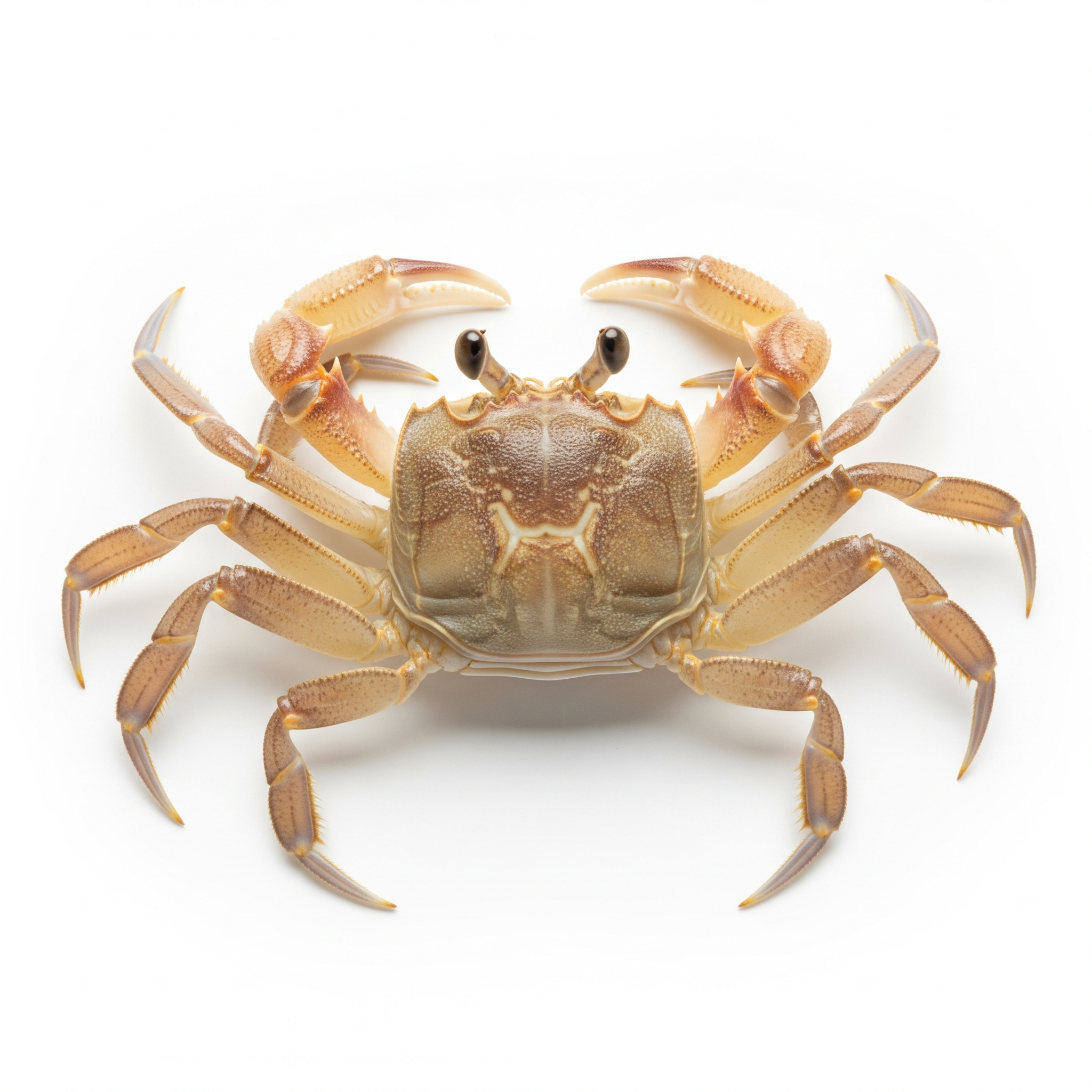
Archival print, museum-grade paper
Buy Poster
Stoneware mug, dishwasher safe
Buy Mug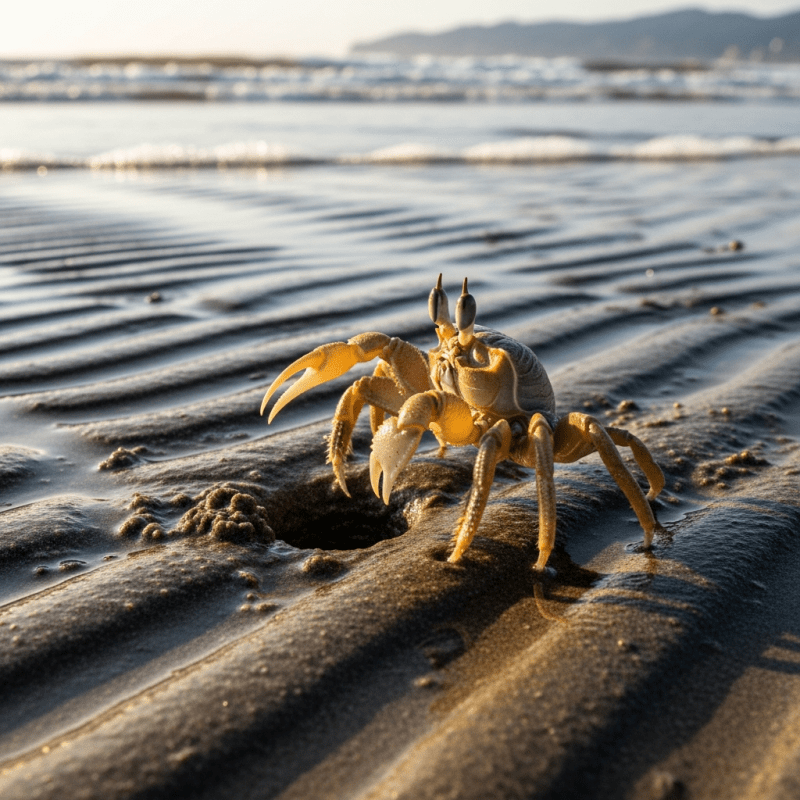
Soft cotton tee, unisex sizes
Buy ShirtWhile ghost crabs are not prominent in human culture, their elusive, swift presence on beaches has inspired local folklore and occasional appearances in educational materials. Their ghostly pale appearance and sudden movements often capture the imagination of beachgoers and naturalists alike.
Ghost crabs thrive on sandy beaches above the high tide line, where they play a vital ecological role as both predators and scavengers. Their burrowing activities aerate the sand and contribute to nutrient cycling, while their diet helps control populations of small invertebrates and cleans detritus from the shoreline environment.
Most ghost crab species breed seasonally, releasing planktonic larvae into the surf zone where they develop before settling onshore. Growth rates and reproductive cycles vary by species and region. After hatching, juveniles undergo several molts before reaching maturity, continuing the cycle of life along coastal sands.
Ghost crabs face threats primarily from habitat disturbance such as coastal development and human foot traffic. While not currently endangered, their populations can decline locally due to beach erosion and pollution. Their resilience to desiccation and temperature changes helps them survive, but conservation of natural beach habitats remains important.
Ghost crabs have limited direct economic value and are not widely harvested for food due to their small size. Occasionally, they are used as bait or kept as curiosities. More importantly, they serve as ecological indicators of healthy beach environments and contribute to educational and conservation awareness efforts.