
Dungeness Crab
The Dungeness crab (Metacarcinus magister) is a large, true crab native to the Pacific coast of North America, celebrated for its broad, oval carapace and prized sweet, tender meat that supports a major commercial fishery.
The Dungeness crab (Metacarcinus magister) is a large, true crab native to the Pacific coast of North America, celebrated for its broad, oval carapace and prized sweet, tender meat that supports a major commercial fishery.
First described by Dana in 1852, the Dungeness crab derives its name from the Dungeness Spit in Washington State, where it was initially harvested commercially. This species has a wild lineage with no artificial breeding, inhabiting the temperate Pacific coastline from Alaska to California.
The Dungeness crab belongs to the family Cancridae within the genus Metacarcinus. As a member of the infraorder Brachyura, it is classified among the true crabs, distinguished by a reduced abdomen tucked beneath a broad carapace.
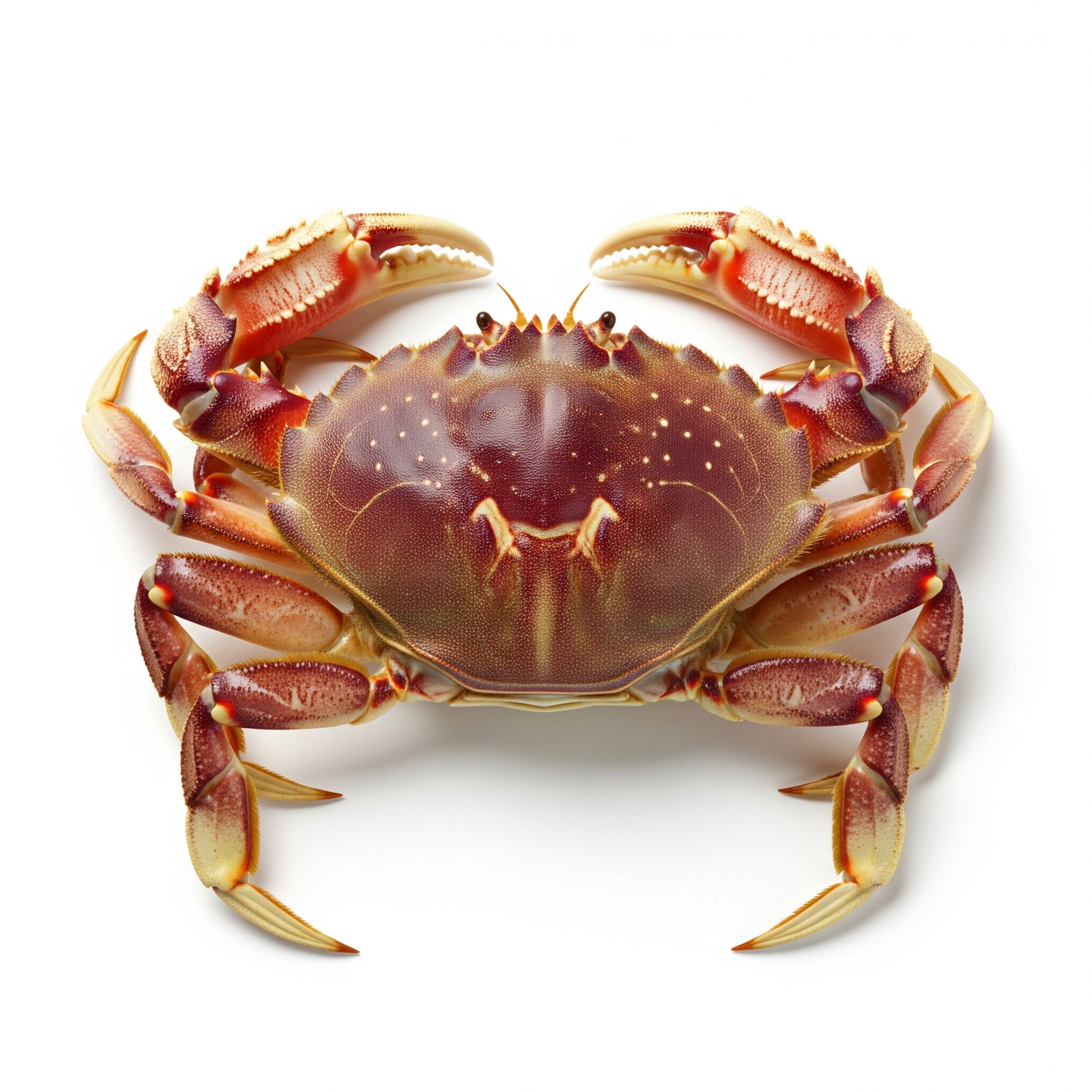
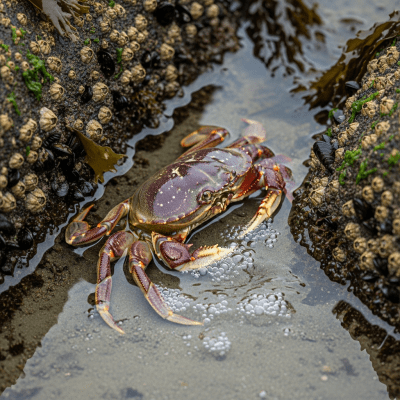
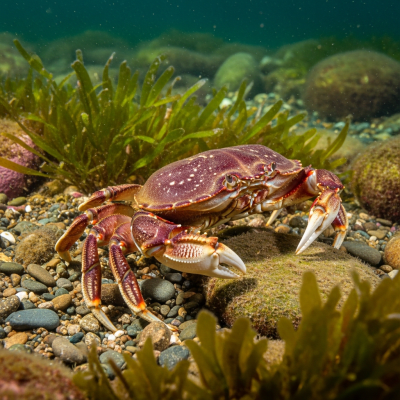
This crab features a broad, oval-shaped carapace reaching up to 25 centimeters wide, colored purplish-brown with white-tipped claws. Males are generally larger than females, and its robust claws are serrated for defense and feeding. Its five pairs of legs support swift movement across the seafloor.
The Dungeness crab is an omnivorous scavenger, feeding on bivalves, small fish, and detritus. It grows rapidly through multiple molts before reaching sexual maturity at two to three years. Adapted to variable salinity and temperature, it plays an important ecological role in coastal marine environments.
Bring this kind into your world illustrated posters, mugs, and shirts.
Archival print, museum-grade paper
Buy Poster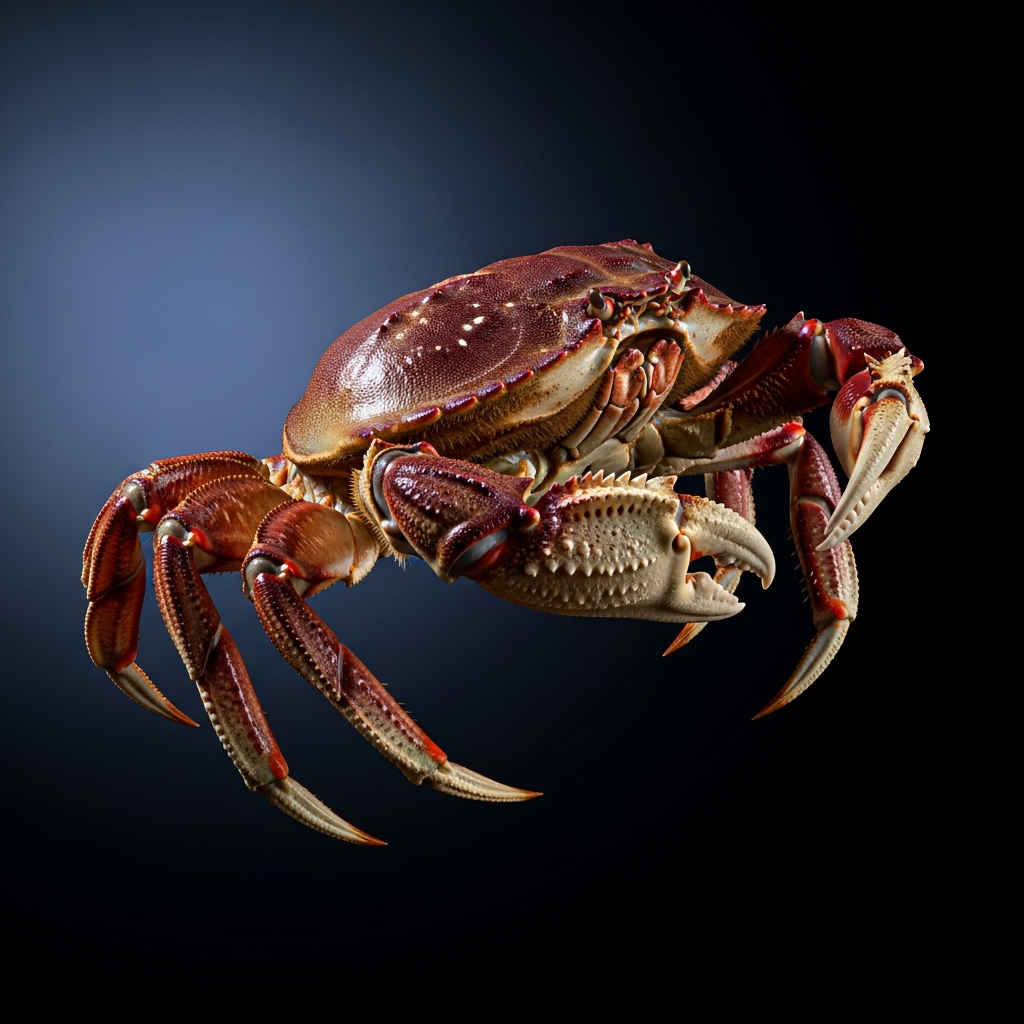
Stoneware mug, dishwasher safe
Buy Mug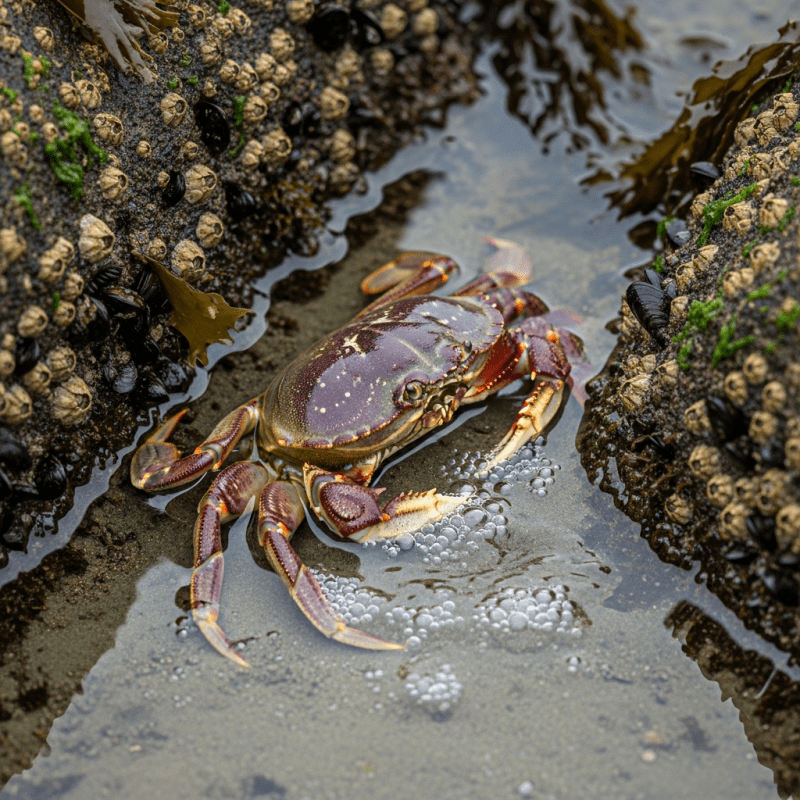
Soft cotton tee, unisex sizes
Buy ShirtHighly esteemed in Pacific Northwest cuisine, the Dungeness crab is a cultural icon featured in regional dishes such as crab cakes, chowders, and salads. Its presence supports coastal communities and appears in local culinary traditions and festivals celebrating seafood heritage.
Dwelling in temperate coastal waters, the Dungeness crab inhabits sandy and muddy bottoms from shallow estuaries to deeper offshore zones. It tolerates a range of salinities and temperatures but is sensitive to pollution and hypoxic conditions. As a scavenger and predator, it contributes to the balance of benthic ecosystems by feeding on a variety of marine organisms.

Dungeness crabs reach sexual maturity between two and three years, after which females carry fertilized eggs beneath their abdomen until hatching. Juveniles undergo several molts, growing rapidly before settling into adult habitats. The species’ lifecycle is closely tied to seasonal cycles, with spawning and molting timed to optimize survival.
While not currently listed as threatened, the Dungeness crab faces pressures from overfishing, habitat degradation, and environmental changes such as ocean acidification. Fisheries management employs size, sex, and seasonal restrictions to maintain sustainable populations, and ongoing monitoring supports adaptive conservation efforts.
Beyond its culinary value, the Dungeness crab supports regional economies through commercial and recreational fisheries, providing livelihoods and cultural identity. Human activities impact its populations via fishing pressure and habitat alteration, while conservation measures aim to balance use with ecological health. Experimental aquaculture research seeks to supplement wild harvests in the future.