Stilton
Stilton is England’s legendary blue cheese, celebrated for its rich, tangy flavor and striking blue veins, and protected by strict PDO regulations.
Stilton is England’s legendary blue cheese, celebrated for its rich, tangy flavor and striking blue veins, and protected by strict PDO regulations.
Stilton’s story begins in early 18th-century England, with its first mention in the 1720s. Though named after the village of Stilton in Cambridgeshire, the cheese has never been made there; instead, it is produced exclusively in Derbyshire, Leicestershire, and Nottinghamshire. The village of Stilton became famous as a distribution hub for the cheese, helping cement its reputation. Today, only six dairies, regulated by the Stilton Cheese Makers Association and DEFRA, are licensed to make Stilton under the Protected Designation of Origin (PDO) system, ensuring its authenticity and heritage.
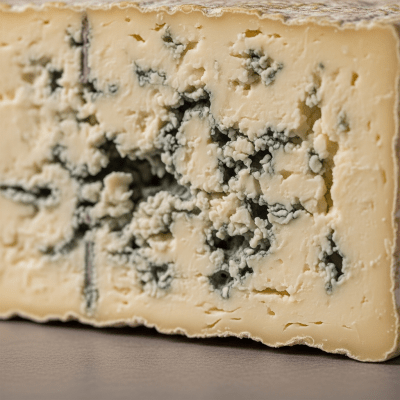
Stilton belongs to the blue cheese family, distinguished by the presence of blue veins created by Penicillium roqueforti mold. It is classified as a semi-soft to semi-hard cheese, made exclusively from pasteurized cow’s milk. Its PDO status places it among Europe’s most rigorously protected regional cheeses, and it stands as the archetype of English blue cheeses.
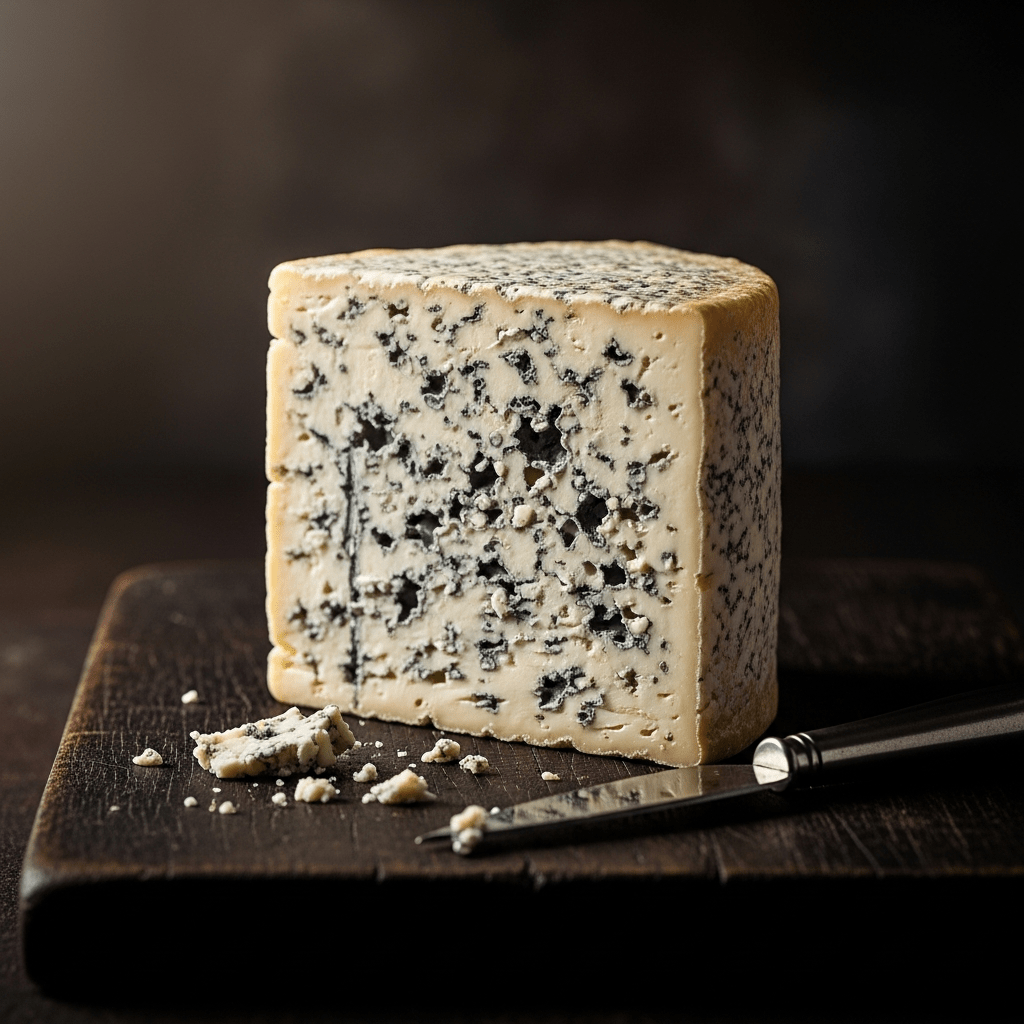
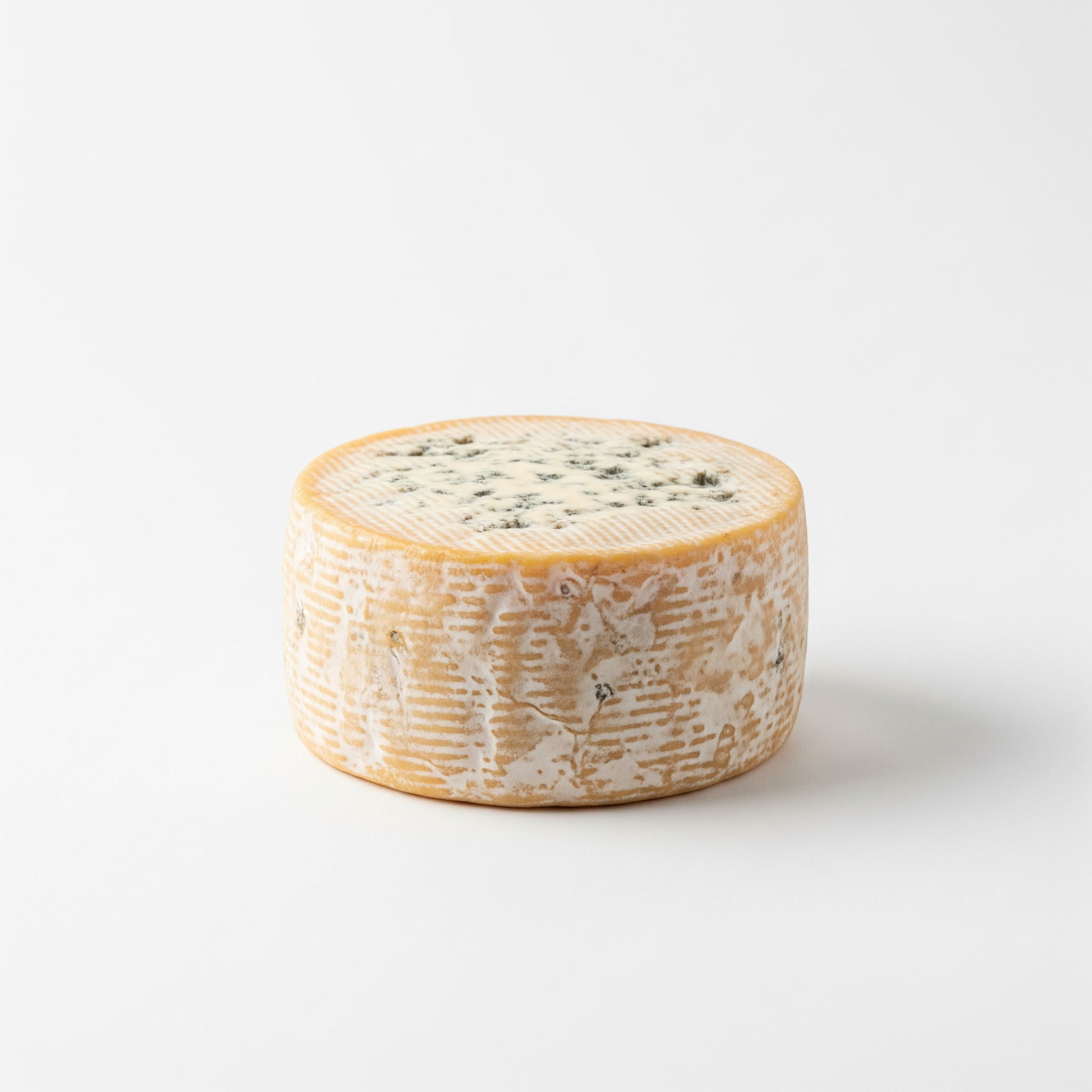
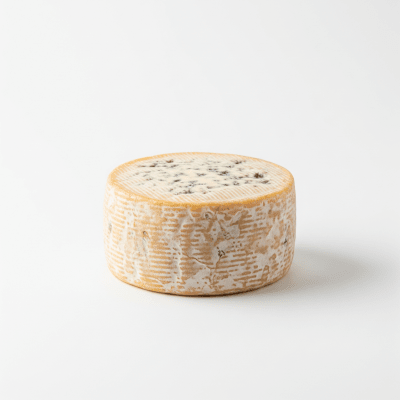
Stilton is instantly recognizable: a tall, cylindrical wheel weighing 7–8 kg, with a pale ivory interior marbled by dramatic blue veins. Its rind is natural, dry, and crusty, often mottled with blue-gray patches, and is entirely edible. The texture is crumbly yet creamy, yielding easily to a knife but maintaining structure on a cheese board.
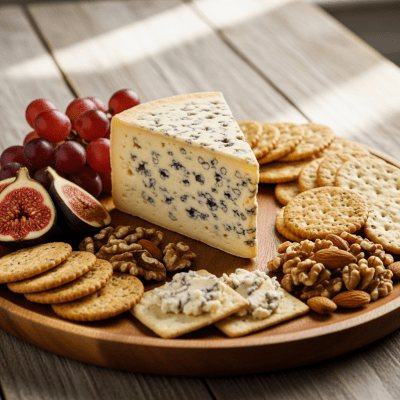
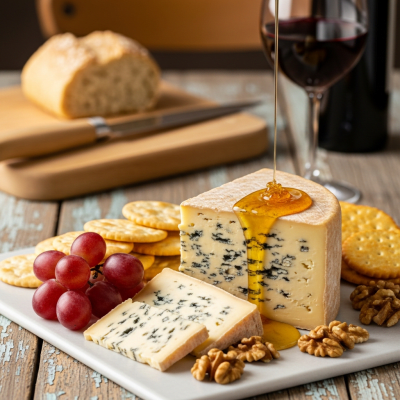
Stilton shines both as a table cheese and a versatile culinary ingredient. It is typically sliced or crumbled for serving with crackers, fruit, or port wine, and features in classic British dishes such as Stilton and broccoli soup, salads, sauces, and savory pastries. Its robust flavor makes it a centerpiece on cheese boards and a favorite for pairing with bold beverages.
Bring this kind into your world illustrated posters, mugs, and shirts.
Archival print, museum-grade paper
Buy Poster
Stoneware mug, dishwasher safe
Buy Mug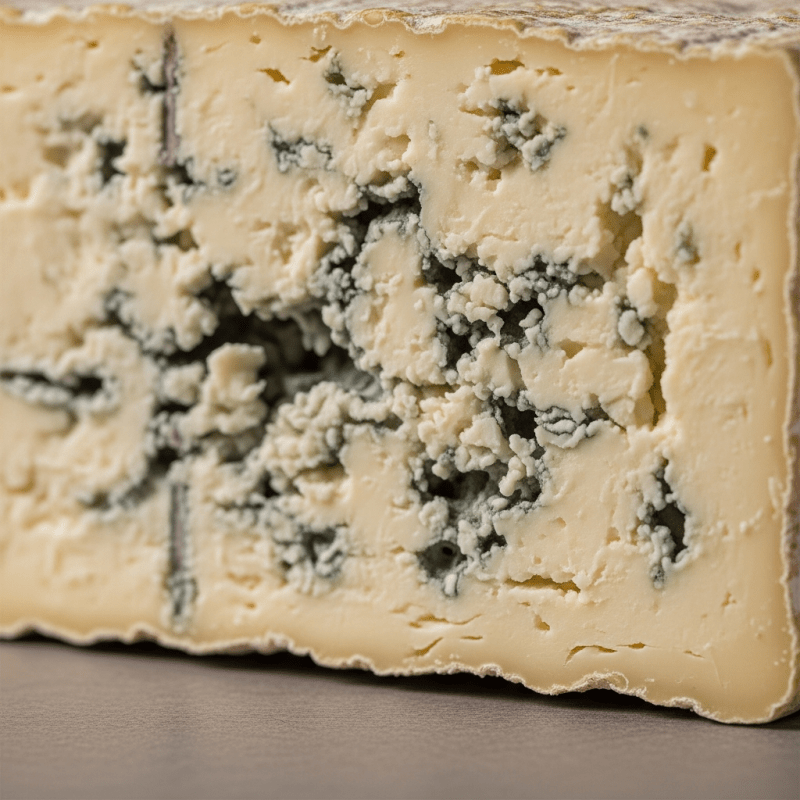
Soft cotton tee, unisex sizes
Buy ShirtStilton is woven into British culinary tradition and festive celebrations, especially during winter holidays. Its status as the "King of English Cheeses" is reflected in literature, gourmet culture, and export markets. The cheese’s association with port wine and its presence in iconic British recipes have made it a symbol of refined taste and regional pride.
Stilton is made exclusively from pasteurized cow’s milk, which imparts a creamy, mellow foundation for its tangy, nutty flavor and supports the development of its signature blue veins.
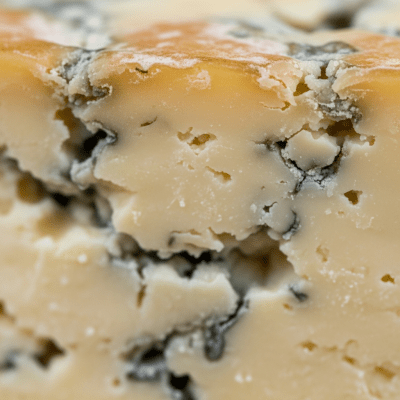
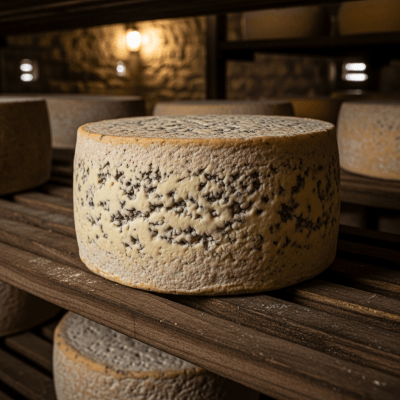
Stilton’s production involves acidifying pasteurized cow’s milk, coagulating with rennet, and cutting and draining the curds. The curds are hand-ladled into cylindrical molds and never pressed, preserving the cheese’s open texture. After forming, the wheels are pierced with stainless steel needles to introduce air, encouraging the growth of Penicillium roqueforti mold. The cheese is aged under controlled temperature and humidity for at least nine weeks, allowing its complex flavor and texture to develop.
Stilton’s texture is a harmonious blend of crumbly and creamy, making it easy to slice or crumble. Its rind is natural, dry, and crusty, often showing blue-gray mottling from the mold. The rind is edible and adds a subtle earthy note to the cheese’s flavor profile.
Stilton is matured for a minimum of nine weeks. During this period, the cheese develops its signature tangy, nutty flavor and creamy yet crumbly texture. Careful control of temperature and humidity is essential to encourage blue veining and prevent spoilage, resulting in a mellow finish and a complex, lingering taste.
Stilton holds Protected Designation of Origin (PDO) status, ensuring that only cheeses made in Derbyshire, Leicestershire, or Nottinghamshire using traditional methods may bear the name. The PDO is regulated by the Stilton Cheese Makers Association and DEFRA, safeguarding the cheese’s authenticity and reputation.