Saint-Nectaire
Saint-Nectaire is a celebrated French semi-soft cow’s milk cheese, renowned for its supple texture, earthy aroma, and distinctive washed rind, and protected by both PDO and AOC status.
Saint-Nectaire is a celebrated French semi-soft cow’s milk cheese, renowned for its supple texture, earthy aroma, and distinctive washed rind, and protected by both PDO and AOC status.
Saint-Nectaire hails from the volcanic heart of the Auvergne region in central France, specifically the Puy-de-Dôme and parts of Cantal. Its legacy stretches back to the 17th century, with historical ties to the court of King Louis XIV. Named after the commune of Saint-Nectaire, the cheese’s reputation grew as local farmers perfected their craft, using milk from cows grazing on mineral-rich pastures. Today, only cheeses made within the designated area and following strict traditional methods can bear the Saint-Nectaire name, a status safeguarded by French AOC since 1955 and European PDO since 1996.
Saint-Nectaire belongs to the family of semi-soft, washed-rind cheeses made from cow’s milk. It is classified under French regional cheeses with protected designation, and is part of the broader taxonomy of European PDO cheeses. Its production method—unpressed, uncooked, and matured in humid cellars—places it among the classic terroir-driven cheeses of France.
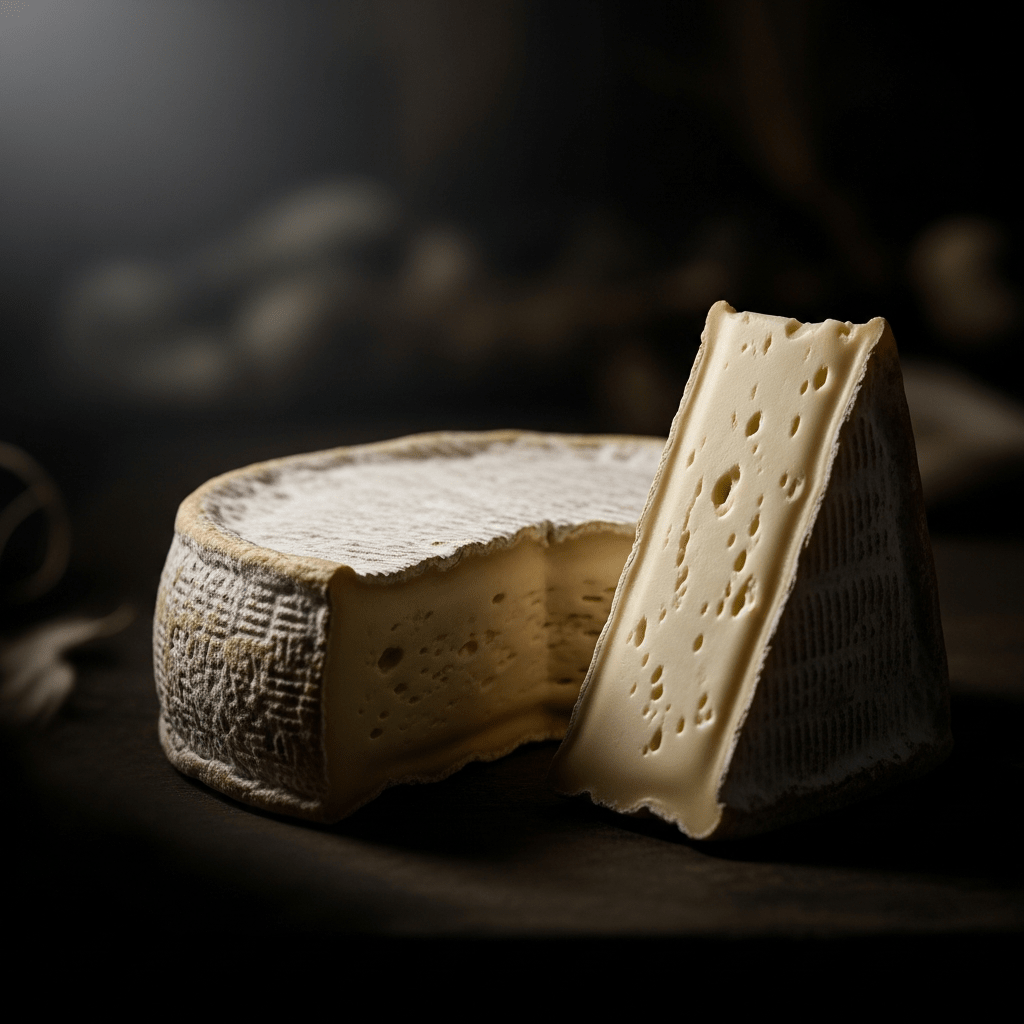
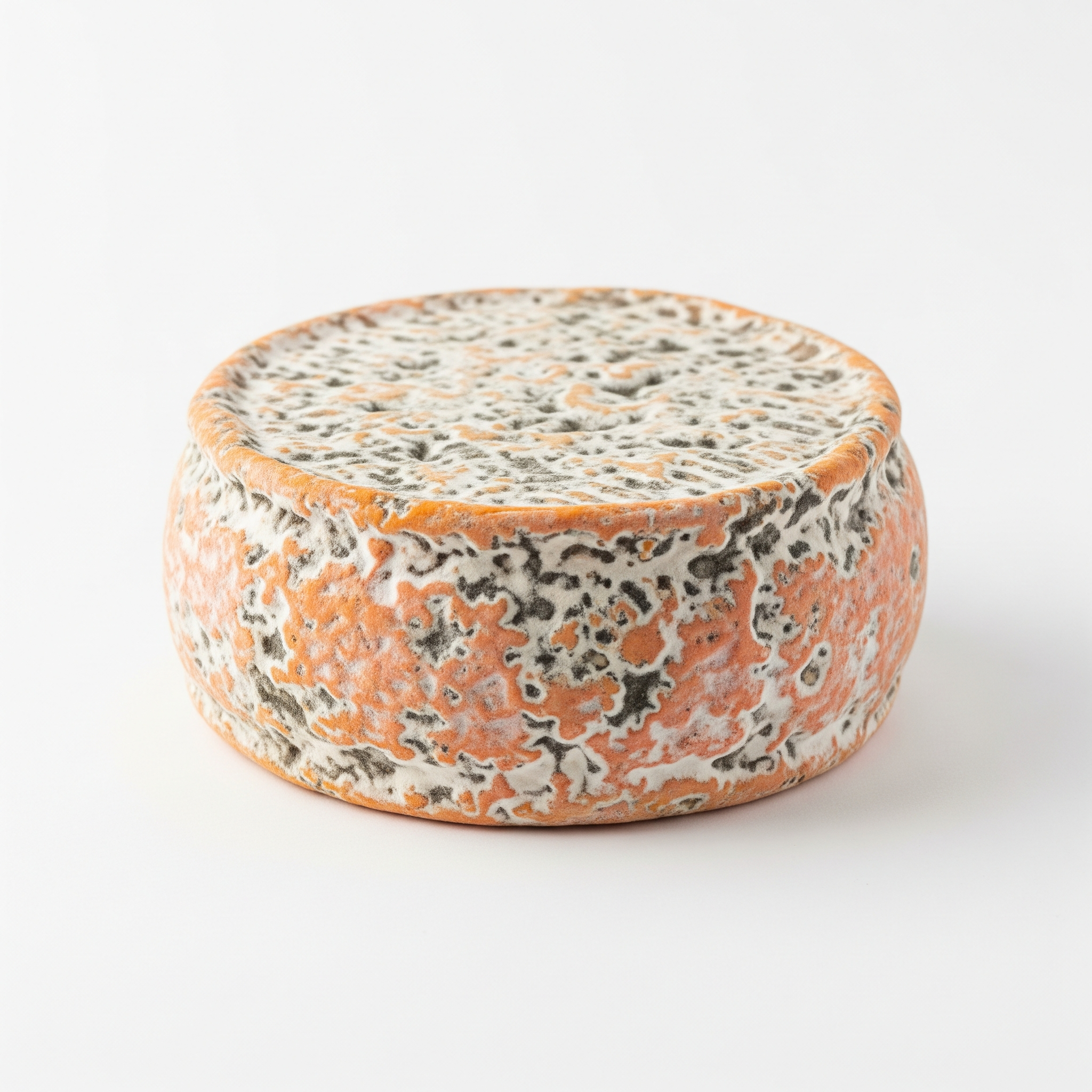
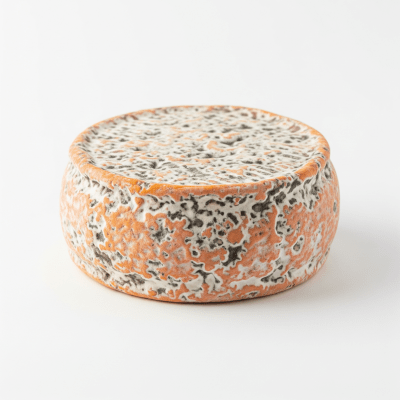
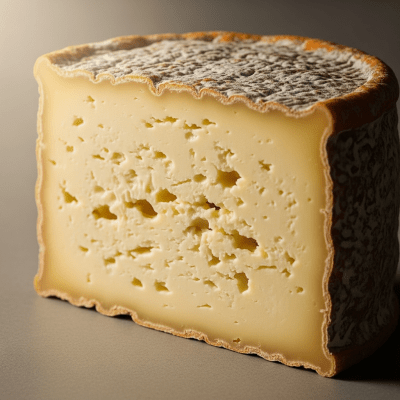
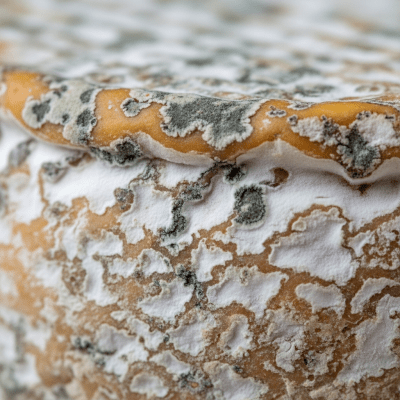
Saint-Nectaire is traditionally shaped into flat, cylindrical wheels about 21 cm in diameter and 5 cm thick, weighing between 1.7 and 2.1 kg. Its washed rind develops a striking orange to grayish hue, often mottled with white, yellow, or red mold spots. The interior paste is creamy, pale yellow, and supple, sometimes dotted with small holes (eyes), inviting both the eye and palate with its rustic elegance.
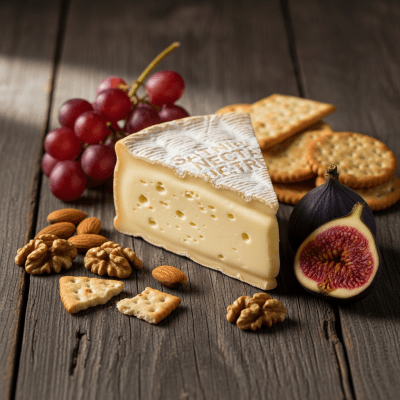
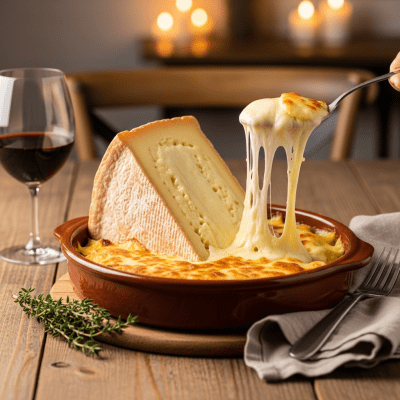
Saint-Nectaire is prized as a versatile table cheese, best enjoyed at room temperature to showcase its full flavor and aroma. It melts beautifully, making it a favorite for gratins, tarts, and classic Auvergne dishes like truffade. Its approachable taste and texture make it a staple on cheese boards, in specialty shops, and at gastronomic events worldwide.
Bring this kind into your world illustrated posters, mugs, and shirts.
Archival print, museum-grade paper
Buy Poster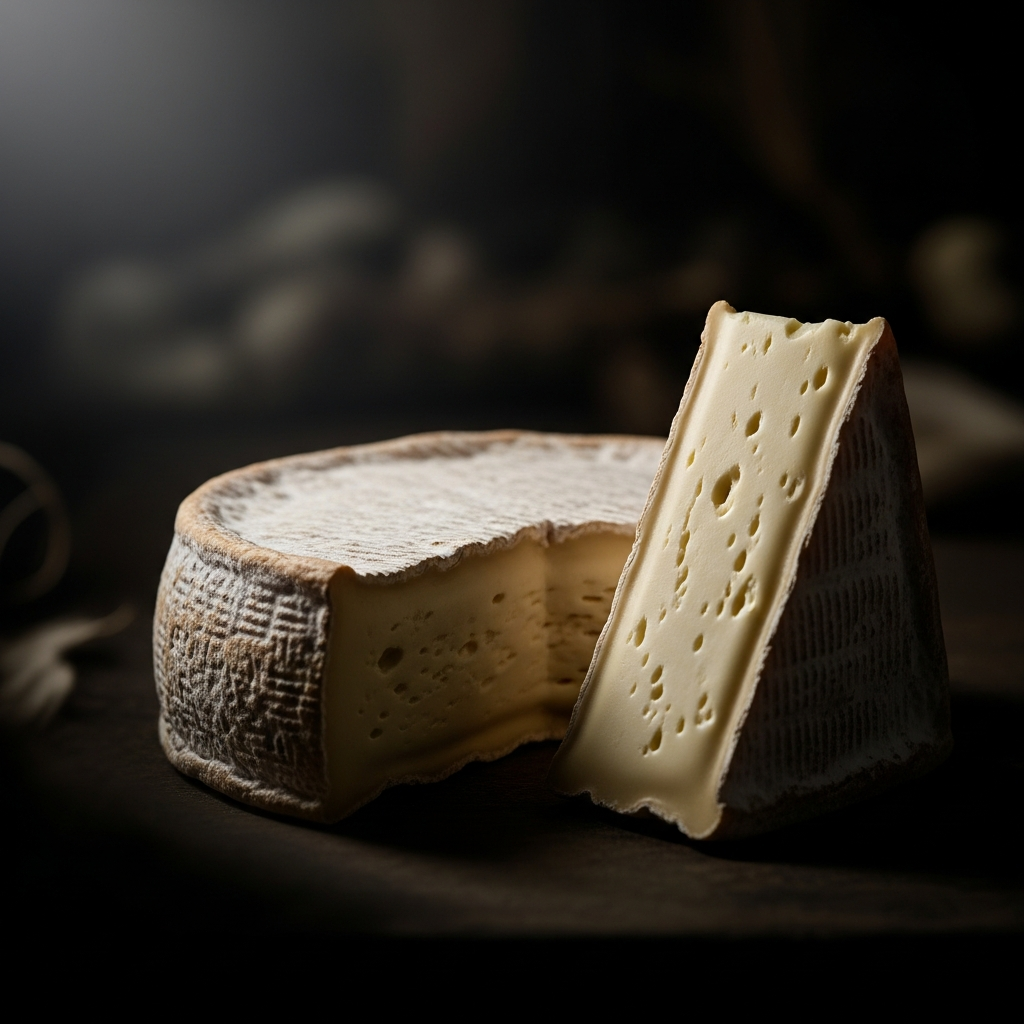
Stoneware mug, dishwasher safe
Buy Mug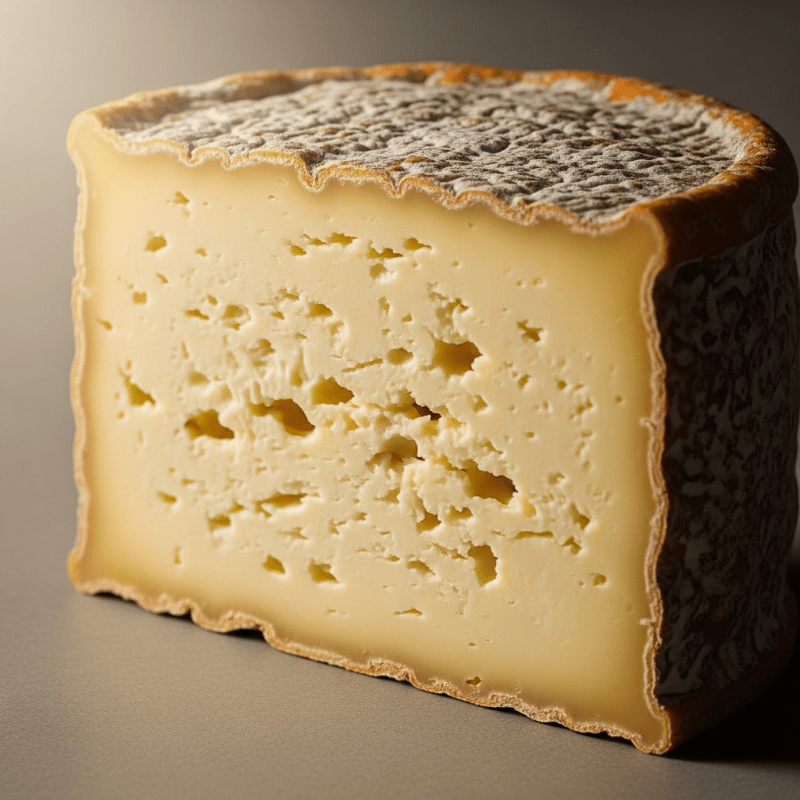
Soft cotton tee, unisex sizes
Buy ShirtDeeply woven into the culinary heritage of Auvergne, Saint-Nectaire is a symbol of rural French tradition and artisanal craftsmanship. Its presence at the court of Louis XIV elevated its prestige, and today it remains a centerpiece in regional celebrations, cheese competitions, and French gastronomy. The cheese embodies the spirit of its volcanic terroir and the legacy of generations of farmers.
Saint-Nectaire is made exclusively from cow’s milk, traditionally sourced from Salers cows grazing on the mineral-rich volcanic pastures of Auvergne. This milk imparts subtle earthy and nutty flavors that define the cheese’s character.
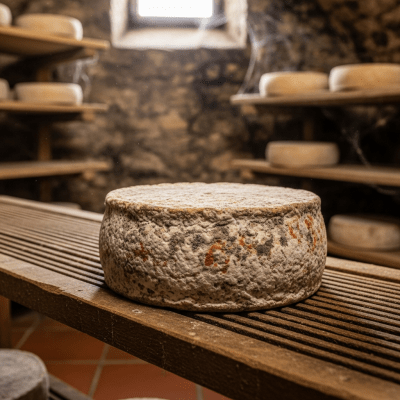
Production involves unpressed, uncooked curds formed into wheels, with milk that may be raw or pasteurized. The cheese is matured in humid cellars, where its rind is periodically washed with brine, encouraging the development of its signature color and aroma. Traditional methods and strict regulations ensure authenticity and quality.
The interior paste of Saint-Nectaire is supple, creamy, and semi-soft, occasionally featuring small holes. Its washed rind is striking—orange to grayish, mottled with patches of white, yellow, or red mold—resulting from brine washes and cellar aging. This combination creates a harmonious balance of texture and aroma.
Saint-Nectaire ripens for a minimum of 4 weeks, with farmhouse (fermier) versions often maturing for 2 to 3 months. As the cheese ages, its flavor deepens, developing pronounced earthy, mushroom, and cellar notes, while the texture becomes increasingly creamy and supple.
Saint-Nectaire is protected by both the French Appellation d’Origine Contrôlée (AOC) since 1955 and the European Protected Designation of Origin (PDO) since 1996. These designations, regulated by INAO and the EU PDO Registry, ensure that only cheeses produced within the defined region and by traditional methods can bear the Saint-Nectaire name.
Saint-Nectaire is typically sold as whole wheels, ranging from 1.7 to 2.1 kg. Specialty shops may offer portions cut from wheels, and farmhouse (fermier) versions are often labeled distinctly to highlight their artisanal origin.
Choose Saint-Nectaire wheels with a supple rind and aromatic, creamy interior. Store in the vegetable drawer of your refrigerator, wrapped loosely in wax paper or cheese paper to preserve moisture and allow breathing. Bring to room temperature before serving for optimal flavor. Consume within a week of opening for peak freshness, and avoid airtight containers, which can stifle its natural aroma.