
Ricotta Salata
Ricotta Salata is a firm, pressed Italian cheese made from sheep’s milk whey, prized for its pure white color, crumbly texture, and clean, mildly salty flavor.
Ricotta Salata is a firm, pressed Italian cheese made from sheep’s milk whey, prized for its pure white color, crumbly texture, and clean, mildly salty flavor.
Ricotta Salata traces its roots to Sicily, Italy, where it emerged from centuries-old traditions of transforming leftover sheep’s milk whey into a durable, flavorful cheese. Developed as a practical way to preserve ricotta, it became a staple in Sicilian kitchens, reflecting the region’s pastoral heritage and resourcefulness. While similar pressed and salted ricottas appear elsewhere in southern Italy, Ricotta Salata’s identity is most closely tied to Sicilian culinary culture.
Ricotta Salata belongs to the family of pressed, aged cheeses, distinct from fresh ricotta by its firm texture and extended maturation. It is classified as a whey cheese, typically made from sheep’s milk, and is not mold-ripened, brined, or cooked. Within the broader taxonomy of Italian cheeses, Ricotta Salata stands out for its use of whey and its transformation through pressing and salting, aligning it with other grating cheeses but retaining a unique identity.
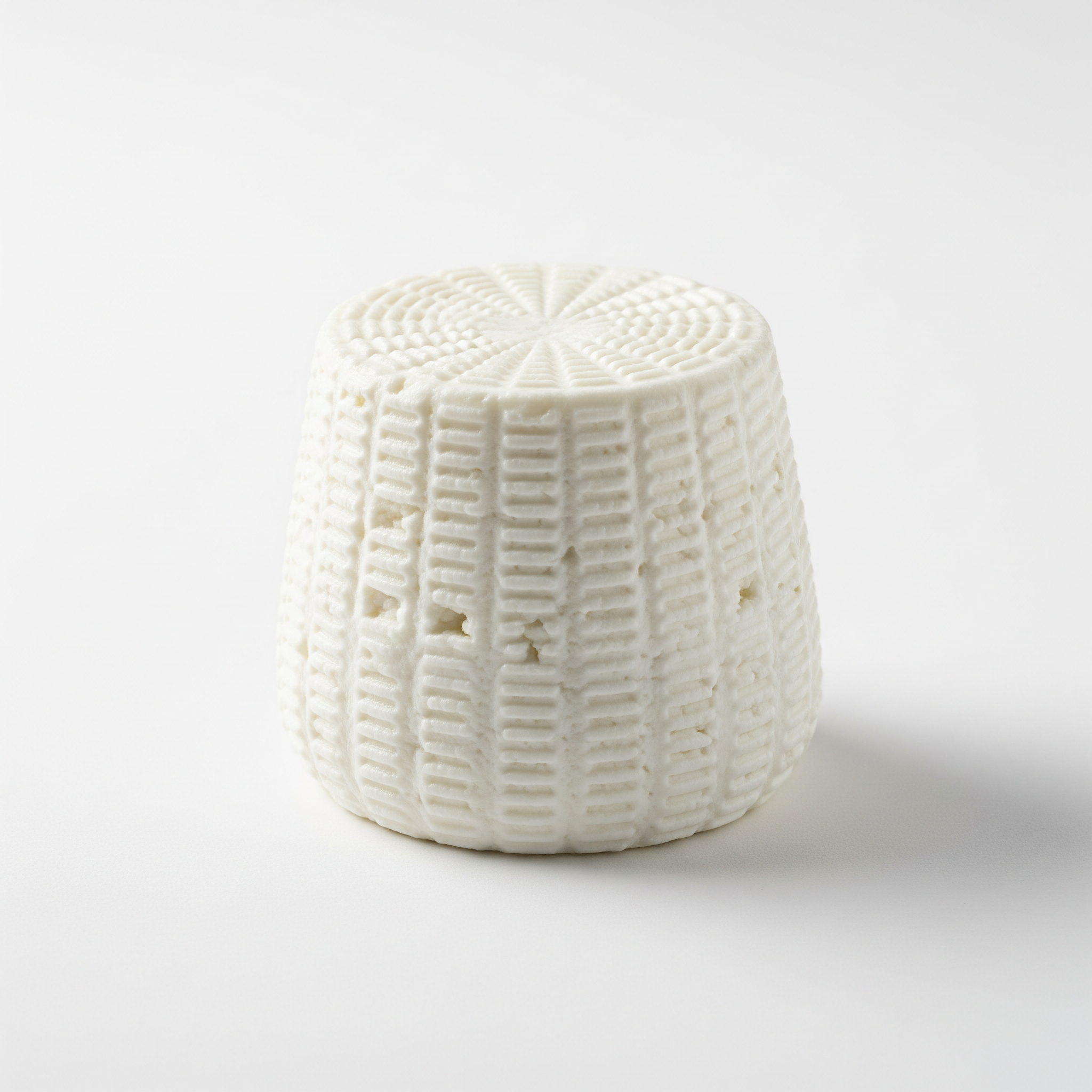
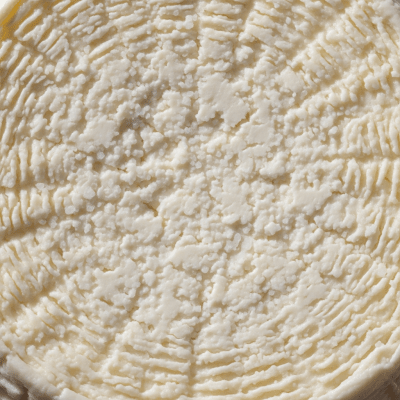
This cheese is pure white in color, formed into small cylindrical wheels weighing 1–2 kg. Its texture is firm and compact, yet slightly crumbly, with a dry, edible rind created by repeated salting. Ricotta Salata holds its shape well, making it ideal for slicing, cubing, or grating, and its visual simplicity is matched by its clean, understated aroma.
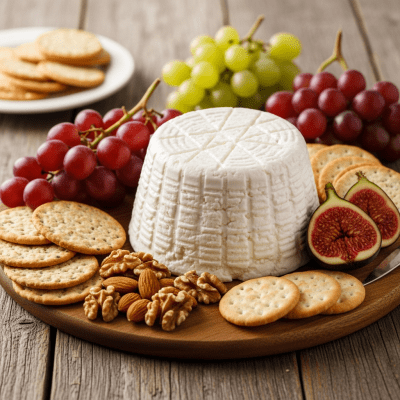
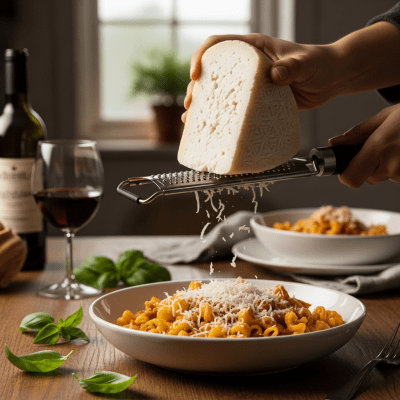
Ricotta Salata is valued for its versatility in the kitchen. It can be grated or crumbled over salads, pasta, and roasted vegetables, lending a mild, tangy, and salty accent. Its ability to maintain structure when sliced or cubed makes it a favorite for antipasti platters and composed dishes. Resistant to spoilage due to its low moisture and high salt content, Ricotta Salata is both practical and flavorful, enhancing Mediterranean recipes without overpowering them.
Bring this kind into your world illustrated posters, mugs, and shirts.
Archival print, museum-grade paper
Buy Poster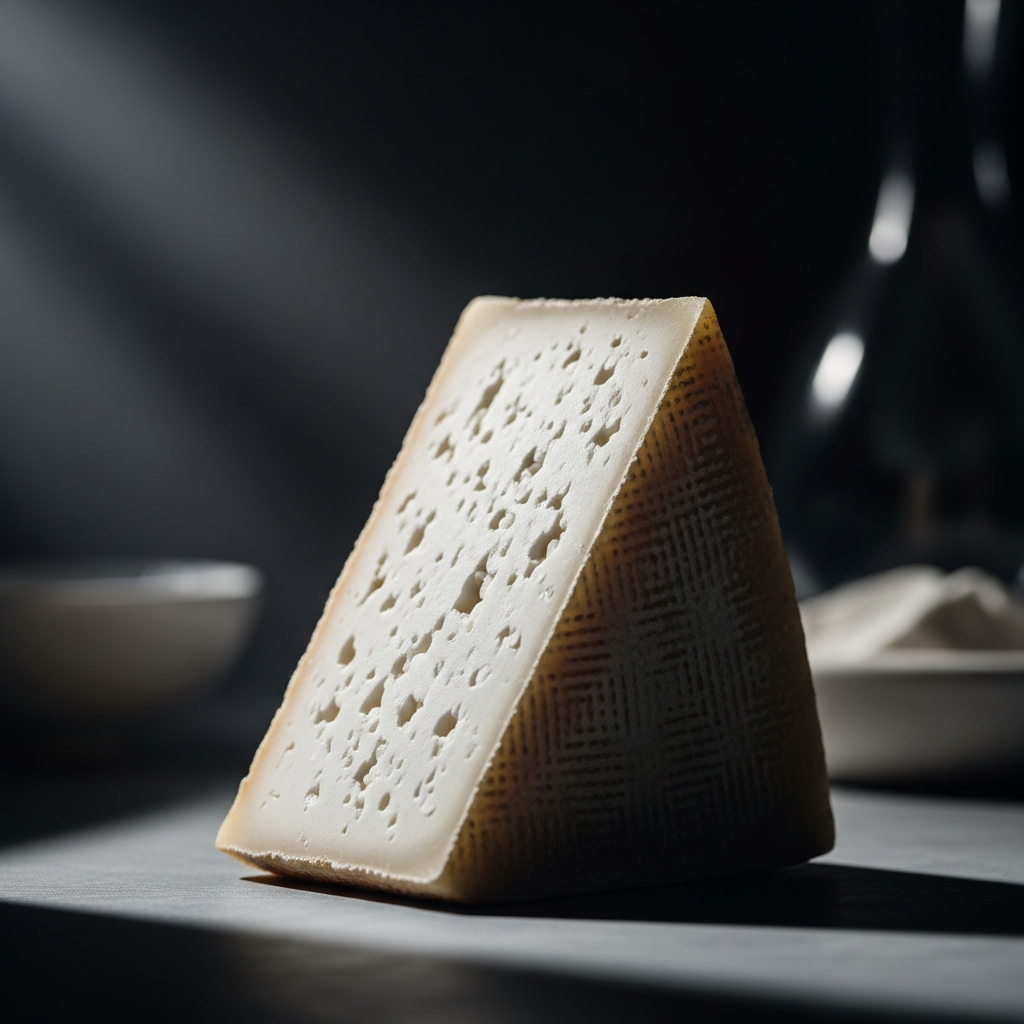
Stoneware mug, dishwasher safe
Buy Mug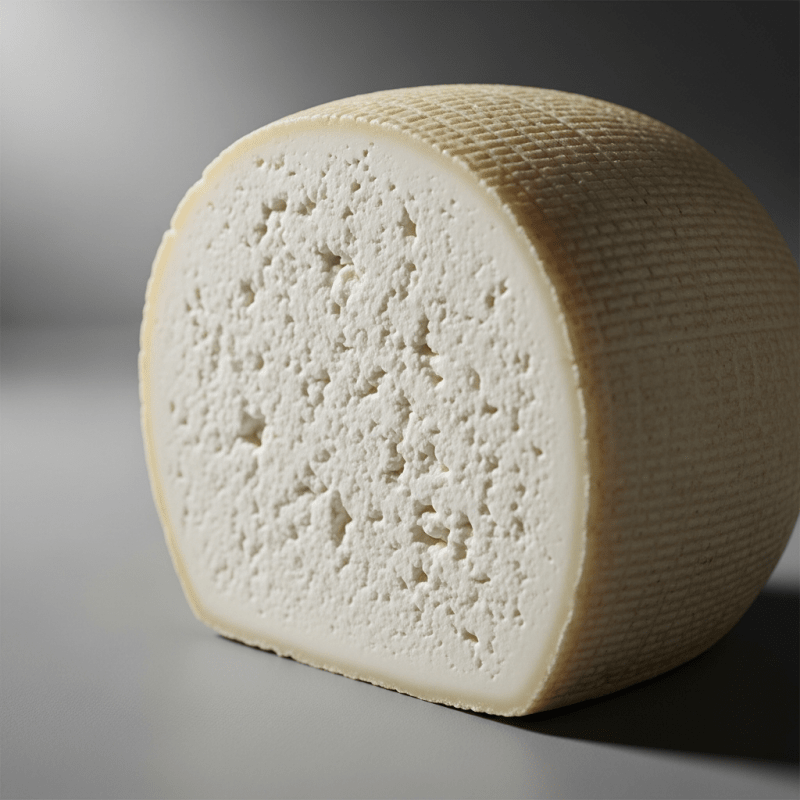
Soft cotton tee, unisex sizes
Buy ShirtAs a staple of Sicilian cuisine, Ricotta Salata features prominently in classic dishes such as Pasta alla Norma, symbolizing the island’s ingenuity in cheese-making and resourcefulness in utilizing every part of the milk. Its presence in Mediterranean cooking highlights regional traditions and the enduring appeal of simple, well-preserved ingredients. Though not protected by official designations, Ricotta Salata is celebrated in Italian food literature and recognized by culinary authorities worldwide.
Ricotta Salata is traditionally made from sheep’s milk whey, which imparts a rich, slightly tangy flavor and creamy undertones. While cow’s milk versions are available, authentic Sicilian Ricotta Salata relies on sheep’s milk for its distinctive taste and texture.
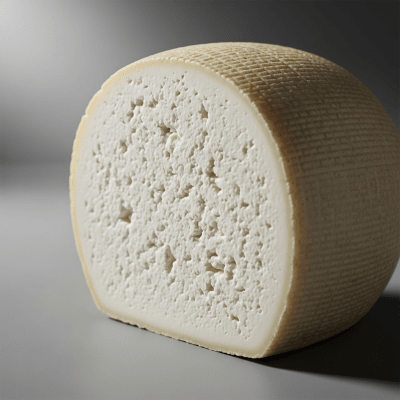
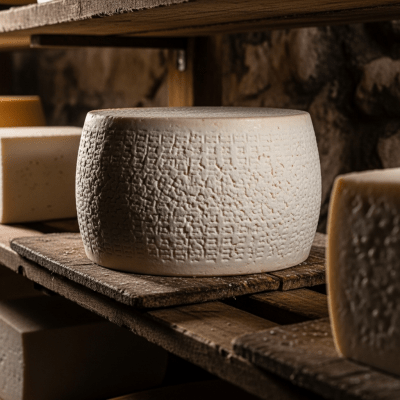
The cheese is crafted by draining fresh ricotta made from sheep’s milk whey, pressing it into molds, and salting it generously. It is then aged for 30 to 90 days, during which repeated salting forms a dry, edible rind and develops the cheese’s firm, crumbly texture. No brining, cooking, or mold-ripening is involved; the process relies on salt and time for preservation and flavor development.
Ricotta Salata has a firm, compact body that crumbles easily, with a dry, edible rind created by repeated applications of salt. Its texture is markedly different from fresh ricotta—dense yet yielding, making it ideal for slicing, cubing, or grating. The rind is subtle and blends seamlessly with the cheese, providing a mild, salty accent.
Aged for a minimum of 30 days and often up to 90 days, Ricotta Salata’s maturation transforms fresh ricotta’s moist, delicate curds into a dense, crumbly cheese. Aging intensifies its salty notes and ensures a dry, robust texture, making it suitable for grating and resistant to spoilage. The process is simple, relying on time and salt rather than complex ripening techniques.
Ricotta Salata does not currently possess any official protected designation such as PDO or PGI. Its production is recognized in Italian cheese literature, but there is no regulatory authority governing its standards or geographic origin.
Ricotta Salata is typically sold in small wheels or blocks, ranging from 1 to 2 kilograms. Specialty cheese shops and Italian markets may offer it whole or pre-cut into wedges for convenience.
Choose Ricotta Salata with a firm, dry rind and pure white color, avoiding any signs of excessive dryness or cracking. Store tightly wrapped in the refrigerator to prevent drying out; keep away from strong odors to preserve its delicate flavor. For best texture, use within a few weeks of purchase and rewrap after each use to maintain freshness.