
Ricotta
Ricotta is a fresh, creamy Italian cheese made from the whey left over after producing other cheeses, celebrated for its mild flavor and versatile culinary uses.
Ricotta is a fresh, creamy Italian cheese made from the whey left over after producing other cheeses, celebrated for its mild flavor and versatile culinary uses.
Ricotta traces its roots to ancient Italy, with traditions dating back to Roman times and possibly earlier. Its name means "recooked" in Italian, reflecting the unique process of reheating whey to extract remaining proteins. Ricotta is produced throughout Italy, with regional specialties like Ricotta Romana and Ricotta di Bufala Campana. While most ricotta is unprotected, select varieties hold Protected Designation of Origin (PDO) status, regulated by the EU and local consortia.
Ricotta is classified as a fresh cheese and, more technically, a whey cheese because it is made from whey proteins rather than casein. It occupies a unique place in cheese taxonomies, sometimes debated as a true cheese due to its production method. Ricotta's family includes several regional and aged variants, such as ricotta salata and ricotta affumicata.
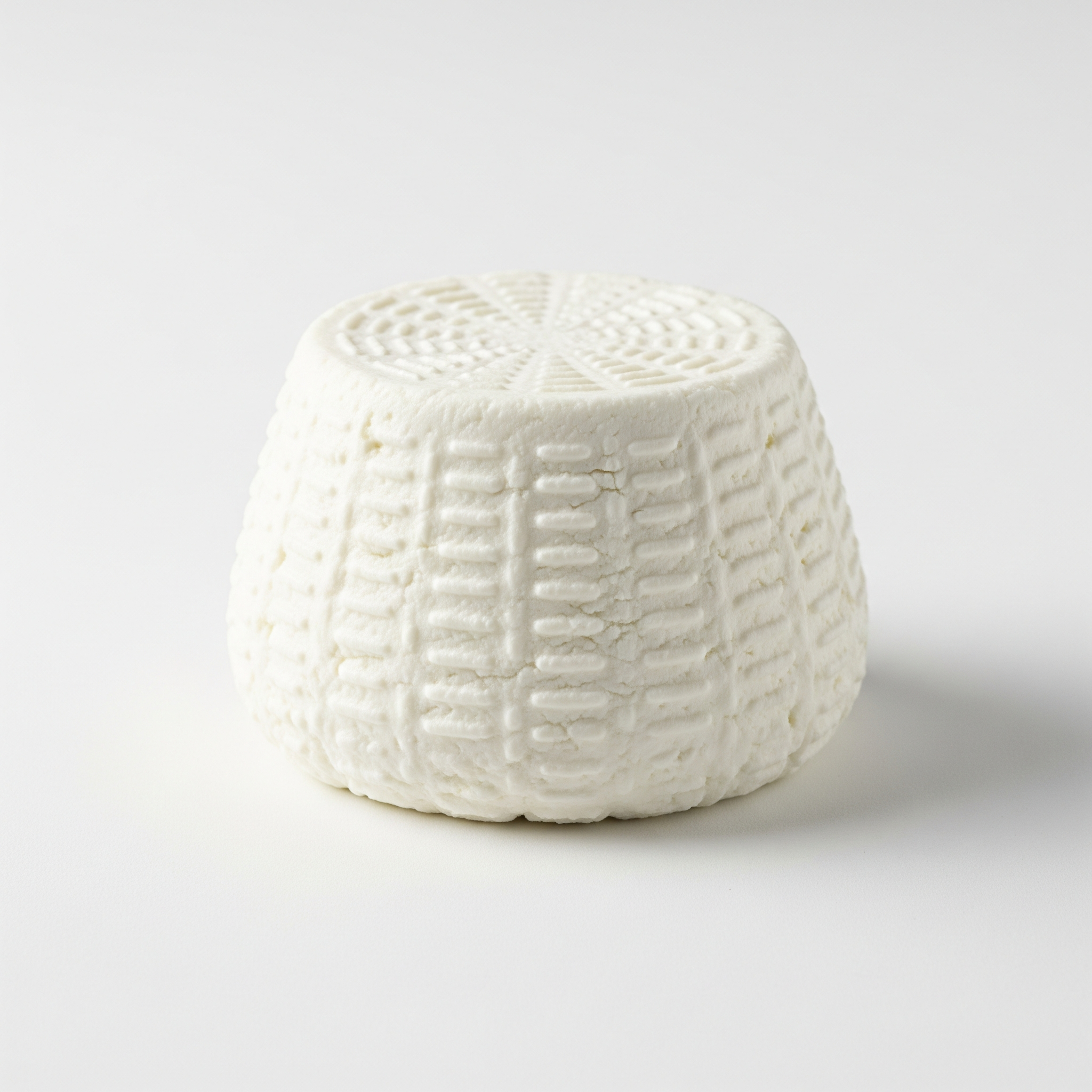
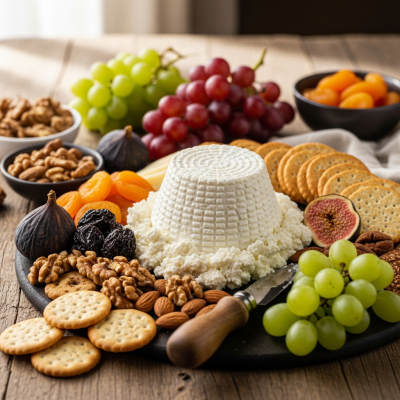
Ricotta is instantly recognizable by its bright white color and moist, creamy, slightly grainy texture. It is typically sold in tubs or traditional basket forms, with no rind and a soft, spreadable consistency. Aged versions, like ricotta salata, are firmer and suitable for grating, while smoked ricotta takes on a pale golden hue.
Ricotta's mild, slightly sweet flavor and creamy texture make it a staple in both savory and sweet dishes. Its high moisture content and delicate structure mean it is best enjoyed fresh, though salted or smoked forms extend its shelf life and culinary applications. Ricotta is prized for its ability to blend seamlessly into fillings, batters, and desserts, enhancing both texture and taste.
Bring this kind into your world illustrated posters, mugs, and shirts.
Archival print, museum-grade paper
Buy Poster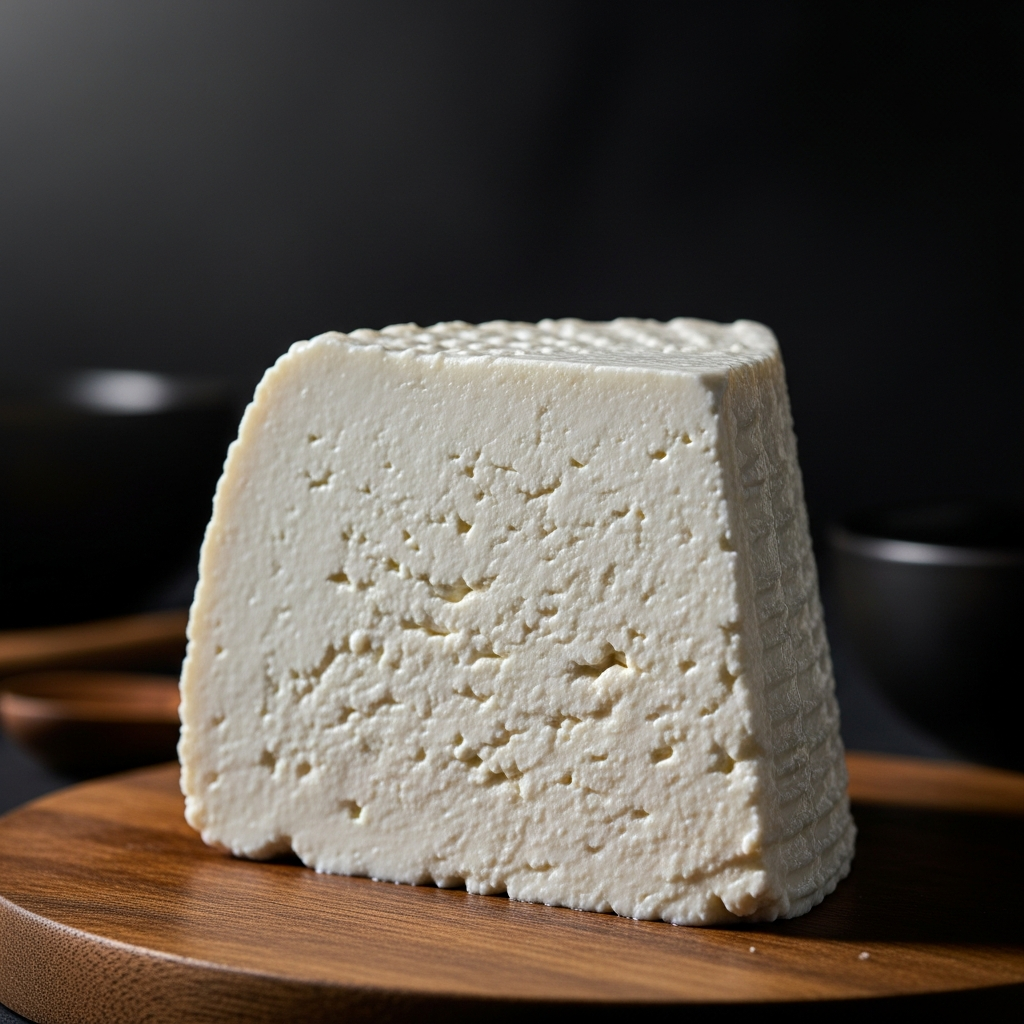
Stoneware mug, dishwasher safe
Buy Mug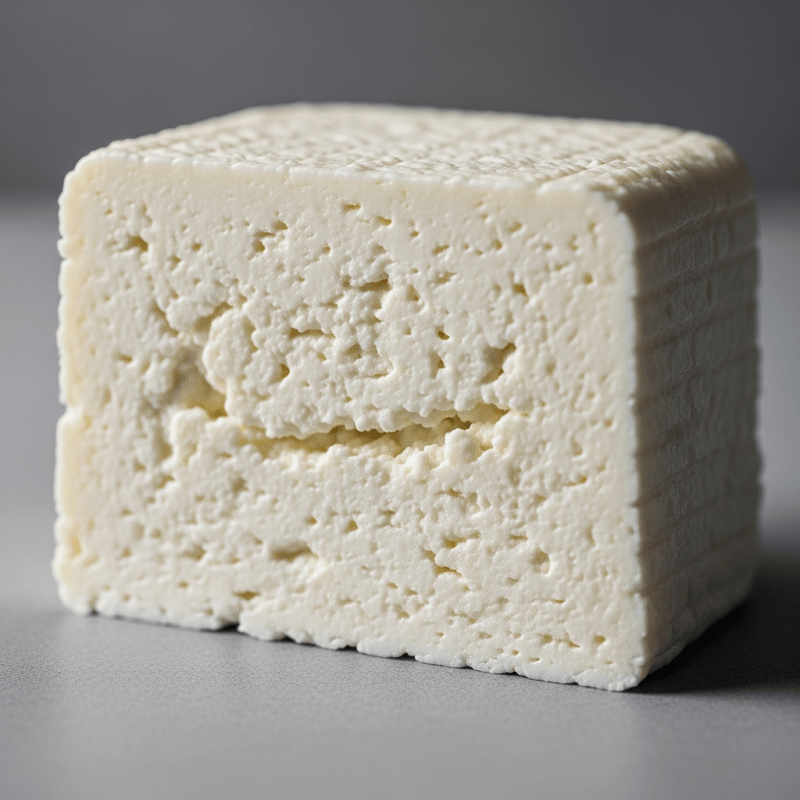
Soft cotton tee, unisex sizes
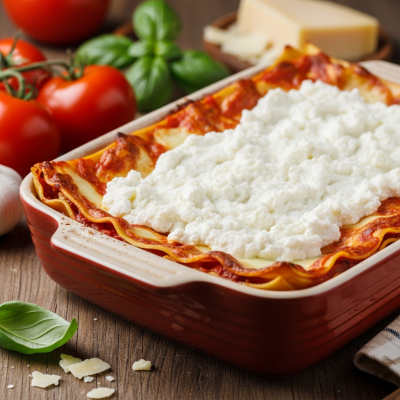
Buy ShirtRicotta holds a cherished place in Italian culinary tradition, featuring in iconic dishes such as lasagna, cannoli, and ravioli. It is celebrated in regional festivals and family recipes, symbolizing resourcefulness by transforming cheese-making byproducts into a beloved staple. Ricotta's influence extends globally, inspiring adaptations in kitchens from Sicily to New York.
Ricotta is traditionally made from the whey of cow, sheep, goat, or buffalo milk. The choice of milk influences its flavor and richness: sheep's milk yields a sweeter, richer ricotta, while cow's milk versions are milder and more common outside Italy.

Ricotta is crafted by reheating the whey left over from other cheese production, sometimes with added milk. Heat and acid (such as vinegar or lemon juice) are used to coagulate the remaining proteins, forming delicate curds that are then drained and packed. This process results in a cheese with high moisture and a signature creamy texture.
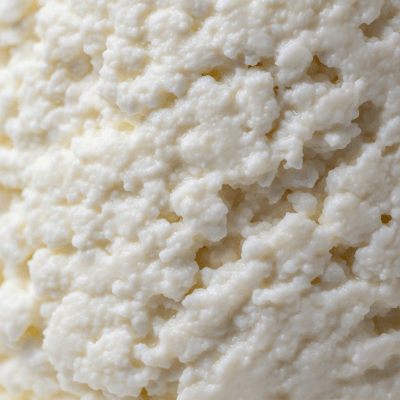
Ricotta boasts a moist, creamy, and slightly grainy texture with no rind. Its spreadable consistency makes it ideal for blending into dishes, while aged forms like ricotta salata become firmer and suitable for grating.
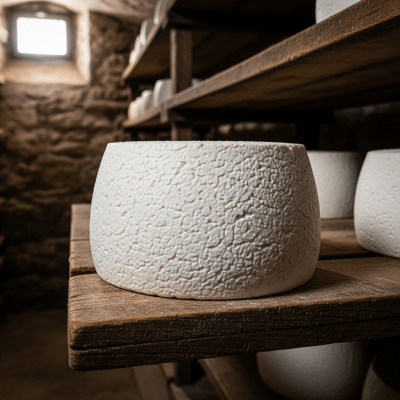
Standard ricotta is not aged and is meant to be consumed fresh, giving it a delicate flavor and high perishability. Aged and salted versions, such as ricotta salata, undergo maturation that firms the texture and intensifies the flavor, making them suitable for grating and longer storage.
While most ricotta is not protected, select varieties such as Ricotta Romana and Ricotta di Bufala Campana hold Protected Designation of Origin (PDO) status under EU law, ensuring authenticity and regional production standards.