Reblochon
Reblochon is a celebrated French semi-soft cheese made from raw cow’s milk, prized for its creamy texture, nutty flavor, and distinctive washed orange-pink rind.
Reblochon is a celebrated French semi-soft cheese made from raw cow’s milk, prized for its creamy texture, nutty flavor, and distinctive washed orange-pink rind.
Reblochon hails from the Haute-Savoie and Val d’Arly regions in the French Alps, with a legacy dating back to the 13th century. Its name, meaning "to pinch a cow’s udder again," reflects a clever practice by local farmers who would hold back some milk during the first milking to avoid taxes, then use the richer second milking to craft this cheese. Officially recognized with AOC status in 1958 and PDO protection in 1996, Reblochon’s production remains tightly linked to its Alpine heritage and local traditions.
Reblochon belongs to the family of semi-soft, washed rind cheeses. It is classified by its cow’s milk origin, soft moisture content, and regional designation from Savoie and Haute-Savoie. Its protected status ensures it is made according to strict traditional methods within its designated region.
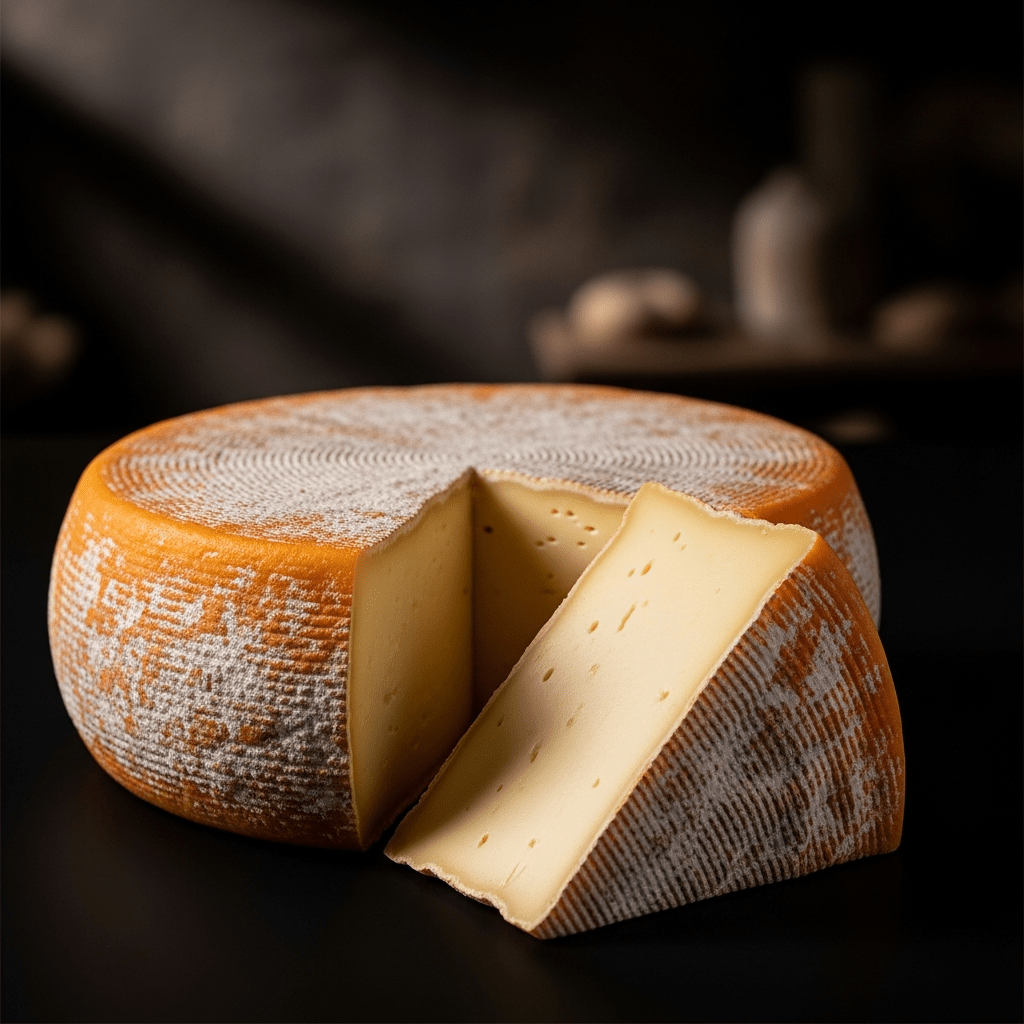
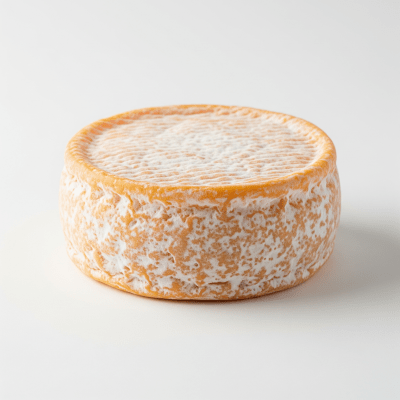
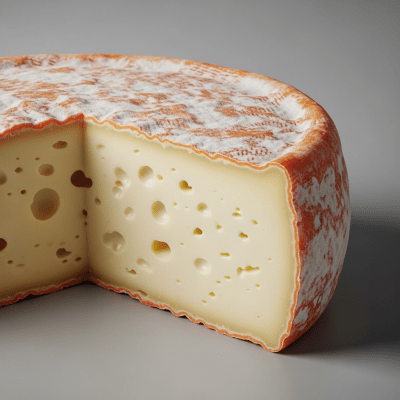
Reblochon is typically shaped as a round wheel, about 14 cm in diameter and 3–4 cm in height, weighing approximately 450 grams. Its thin, orange-pink washed rind is slightly sticky and adorned with fine white mold, while the interior paste is pale yellow, supple, and creamy.
Reblochon is enjoyed both as a centerpiece on cheese boards and as a melting cheese in hot dishes. Its creamy consistency makes it ideal for gratins, salads, and especially the classic Savoyard "Tartiflette." The cheese is sensitive to temperature and humidity, requiring careful handling to preserve its texture and flavor.
Bring this kind into your world illustrated posters, mugs, and shirts.
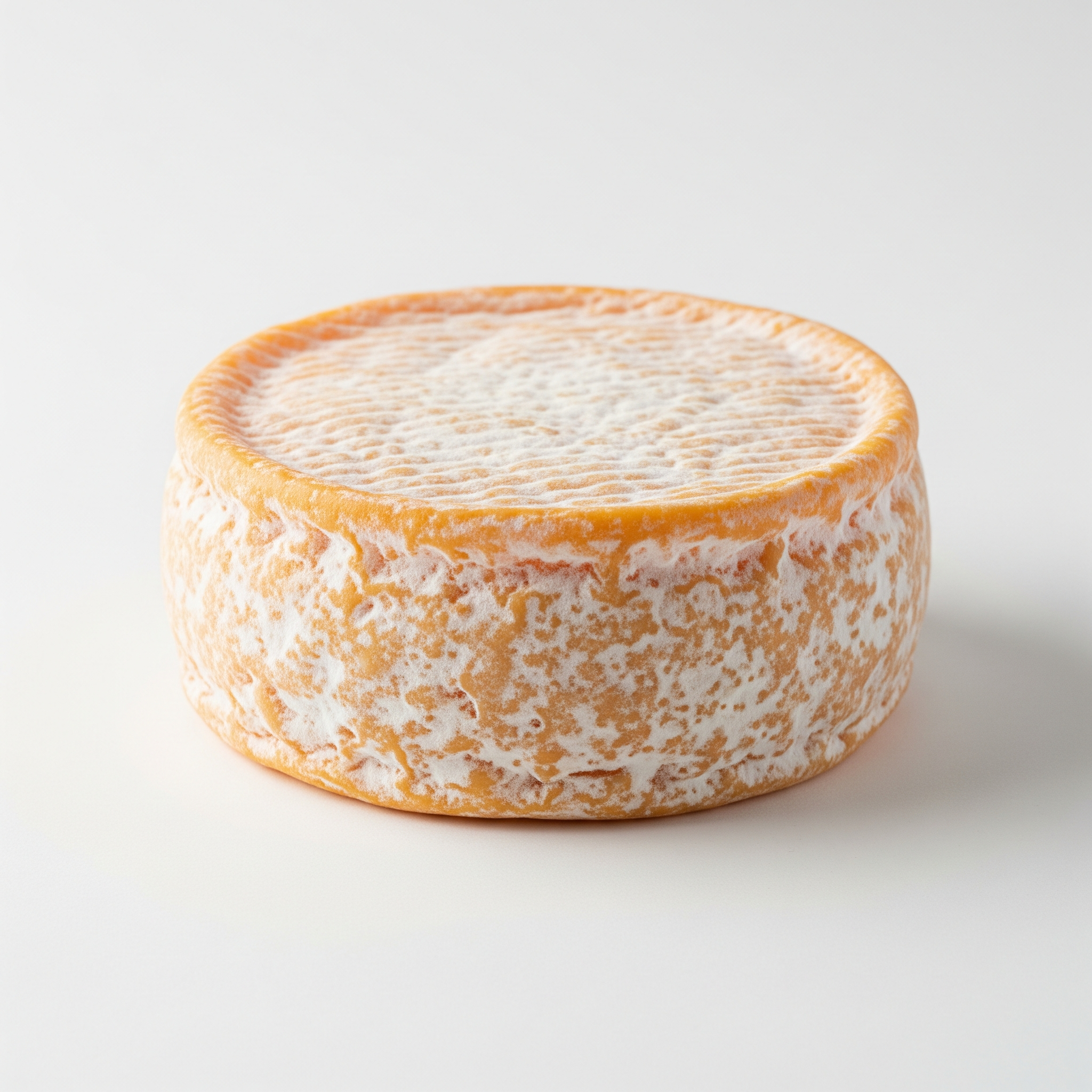
Archival print, museum-grade paper
Buy Poster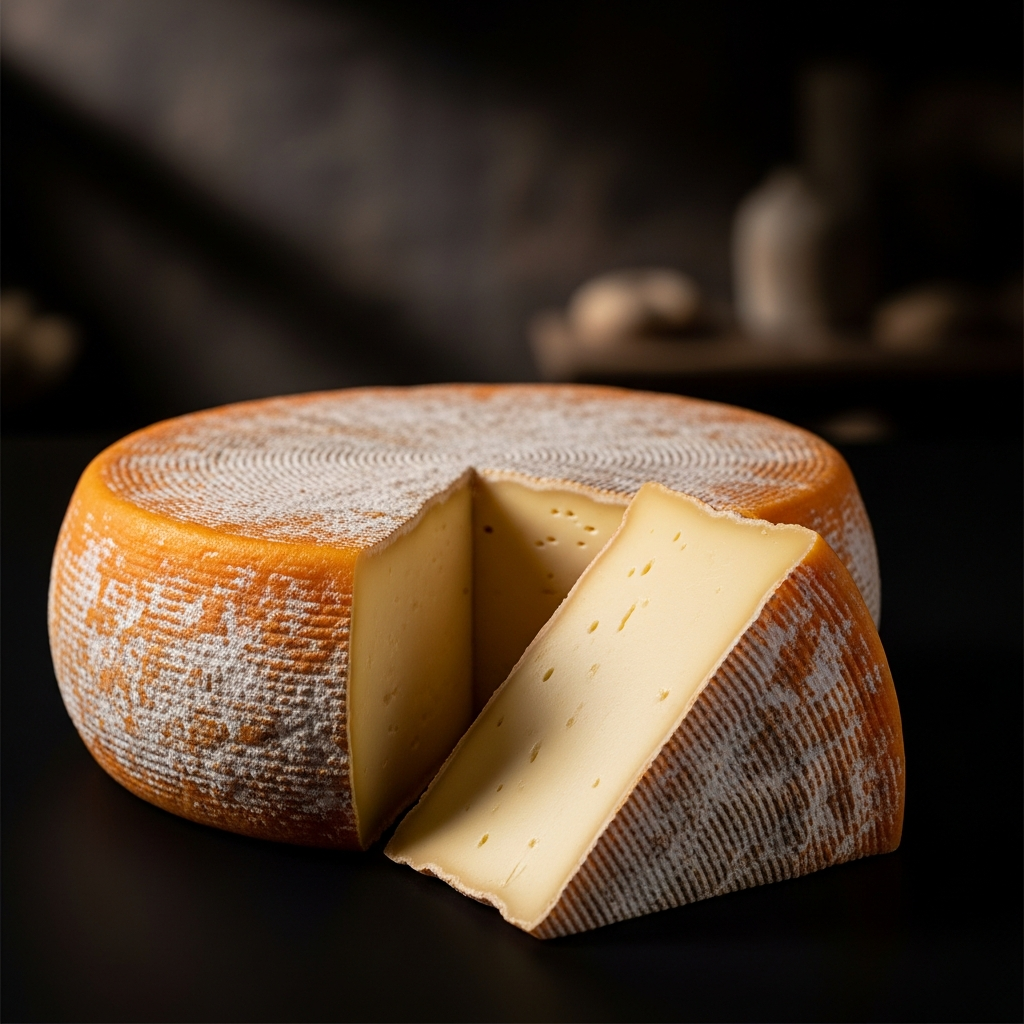
Stoneware mug, dishwasher safe
Buy Mug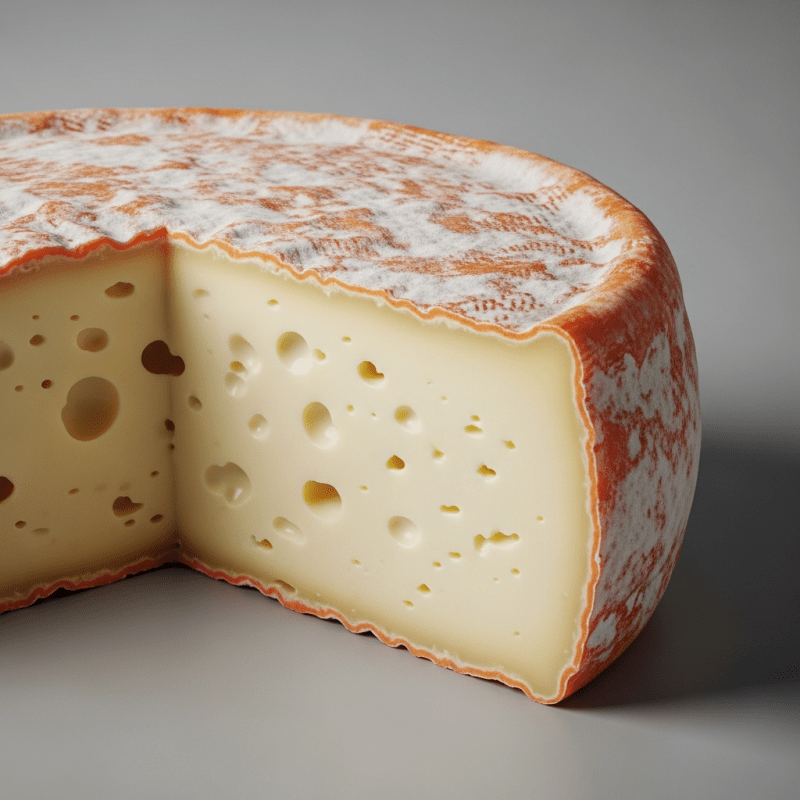
Soft cotton tee, unisex sizes
Buy ShirtReblochon is a symbol of Savoie’s pastoral heritage and Alpine culinary tradition. It is deeply woven into local culture, most notably as the star ingredient in Tartiflette, a beloved regional dish. Its protected status not only preserves traditional cheesemaking but also supports the local economy and identity of the region.
Reblochon is made exclusively from cow’s milk, primarily sourced from the Abondance, Montbéliarde, and Tarine breeds. This rich, raw milk imparts the cheese’s signature creamy texture and mild, nutty flavor.


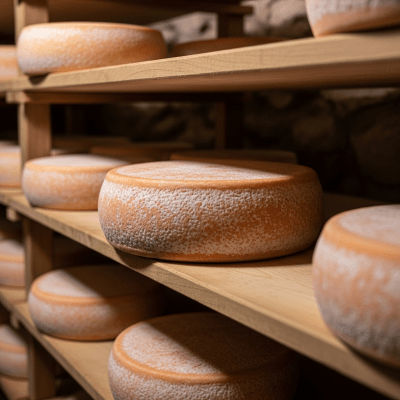
Traditional Reblochon production involves curdling raw cow’s milk, cutting and draining the curd, pressing, brining, and washing the rind during aging. The cheese is ripened in cool, humid cellars, which are essential for developing its supple texture and aromatic rind.
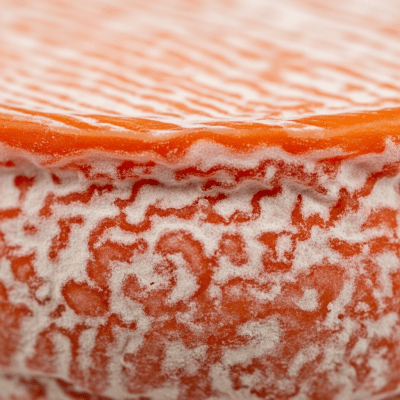
Reblochon features a soft, creamy, and supple interior paste. Its rind is thin, washed, and slightly sticky, with a distinctive orange-pink hue and fine white mold, giving the cheese both visual appeal and a subtle, earthy aroma.
Reblochon is aged for a minimum of 15 days, typically up to 3–4 weeks. During maturation in humid cellars, the cheese develops its characteristic creamy texture and complex, nutty, slightly herbal flavor profile.
Reblochon holds both Appellation d’Origine Contrôlée (AOC) and Protected Designation of Origin (PDO) status, ensuring it is produced only in the designated regions of Savoie and Haute-Savoie under strict regulatory standards set by INAO and the EU PDO Registry.