Queso Manchego
Queso Manchego is Spain’s most celebrated sheep’s milk cheese, instantly recognized by its firm texture, buttery flavor, and signature herringbone-patterned rind.
Queso Manchego is Spain’s most celebrated sheep’s milk cheese, instantly recognized by its firm texture, buttery flavor, and signature herringbone-patterned rind.
Queso Manchego hails from the sun-drenched plains of La Mancha in central Spain, a region immortalized in Cervantes’ "Don Quixote." Its legacy stretches back to the Middle Ages, with centuries of tradition shaping its production. Only cheese crafted from the milk of Manchega sheep, raised and aged within the provinces of Albacete, Ciudad Real, Cuenca, and Toledo, can bear the name "Queso Manchego." In 1996, it was granted Protected Designation of Origin (PDO) status by the European Union, ensuring that authentic Manchego remains a true product of its homeland.
Queso Manchego belongs to the family of hard, pressed cheeses made exclusively from sheep’s milk. Within the broader cheese taxonomy, it is a benchmark of Spanish artisanal cheeses and is classified by its firm texture, regional specificity, and unique milk source. Its PDO status further distinguishes it from generic or imitation Manchego-style cheeses produced outside La Mancha or from other types of milk.
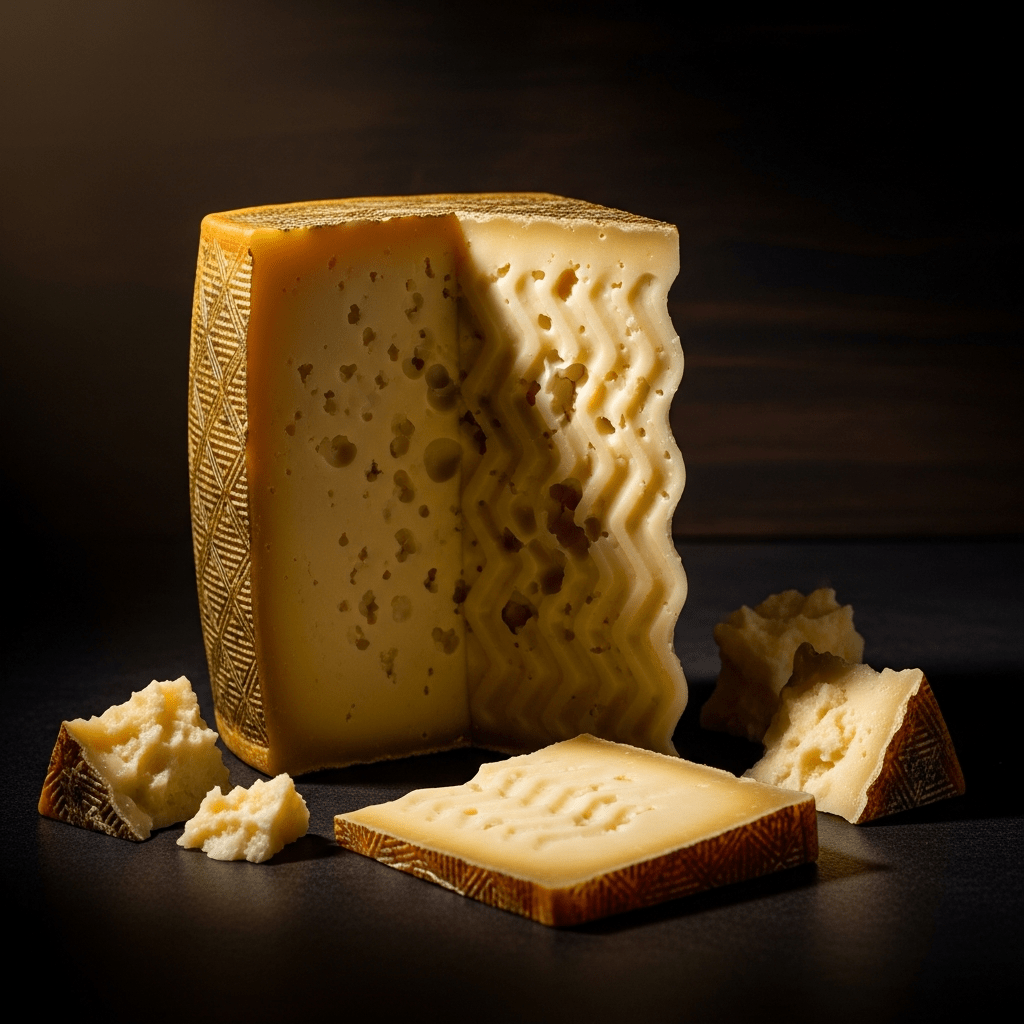
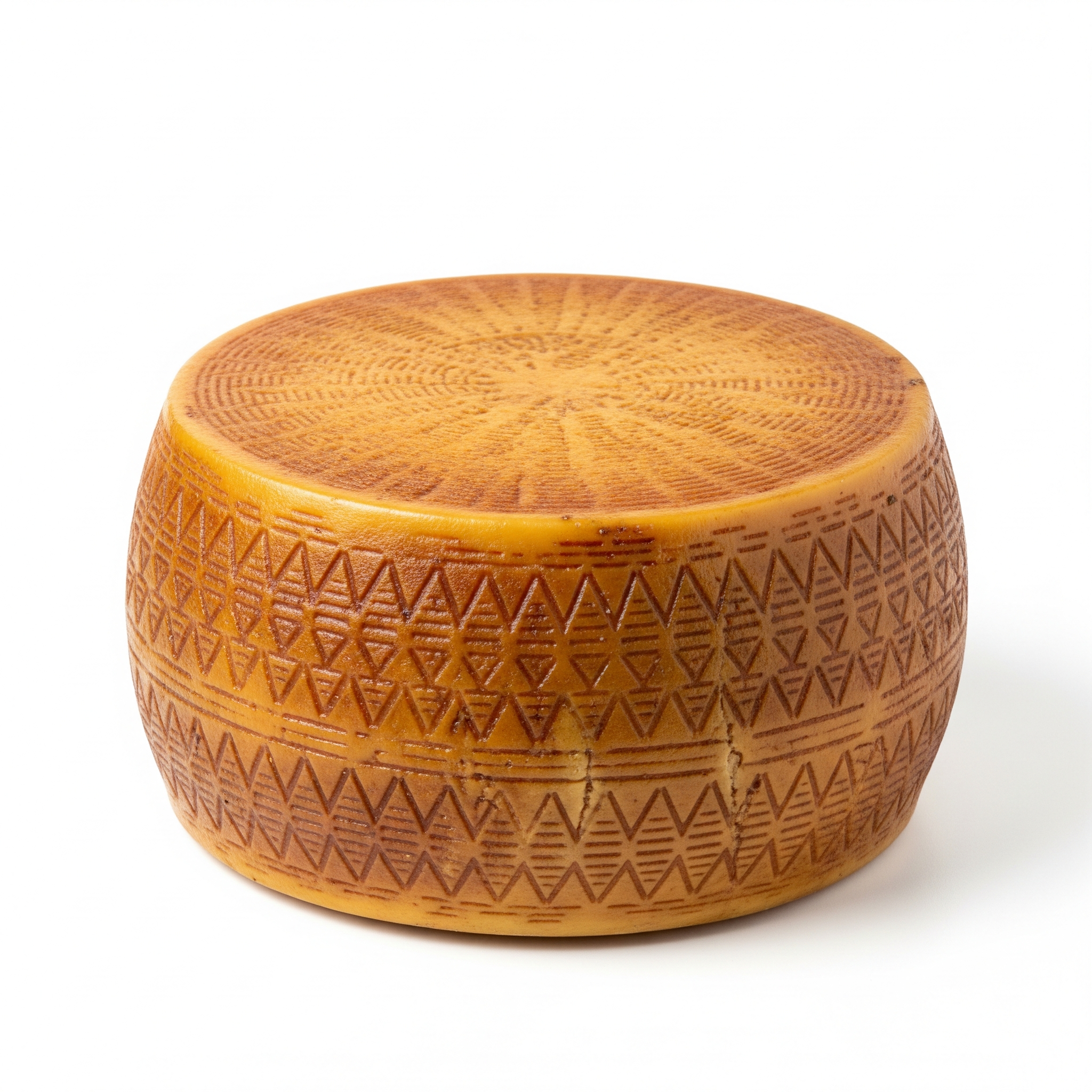
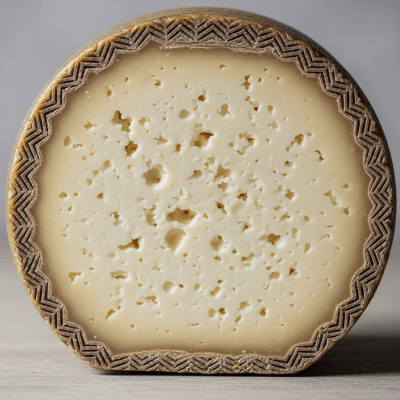
Manchego is typically shaped into a sturdy cylinder, with a height of 7–12 cm and a diameter of 12–22 cm, weighing between 1 and 4 kilograms. The rind is natural, hard, and decorated with a distinctive zigzag (herringbone) pattern—originally formed by woven esparto grass molds, now often replicated with plastic. Inside, the cheese reveals an ivory to pale yellow paste, firm and compact, dotted with small, irregular holes known as "eyes." Its visual and tactile cues signal both authenticity and artisanal care.
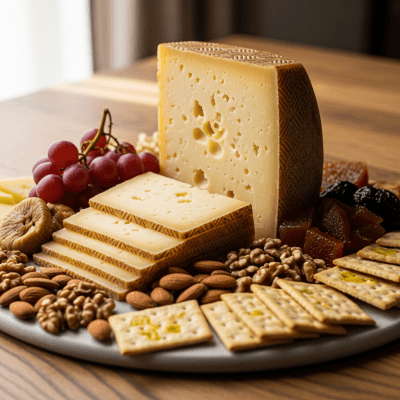
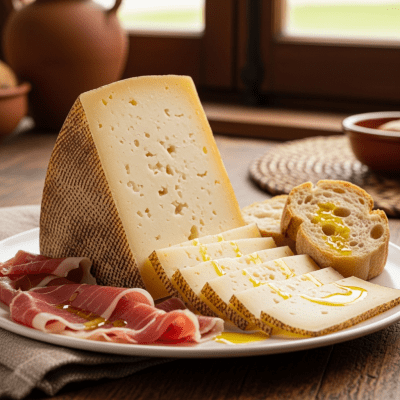
Queso Manchego is a versatile cheese that shines as both a table cheese and a culinary ingredient. Sliced or cubed, it is a staple of Spanish tapas, often paired with quince paste, olives, or cured meats. Its firm texture allows it to be grated over salads, melted in sandwiches, or enjoyed alone. Resistant to spoilage due to its low moisture and high salt content, Manchego travels well and maintains its character across a range of serving styles and dishes.
Bring this kind into your world illustrated posters, mugs, and shirts.
Archival print, museum-grade paper
Buy Poster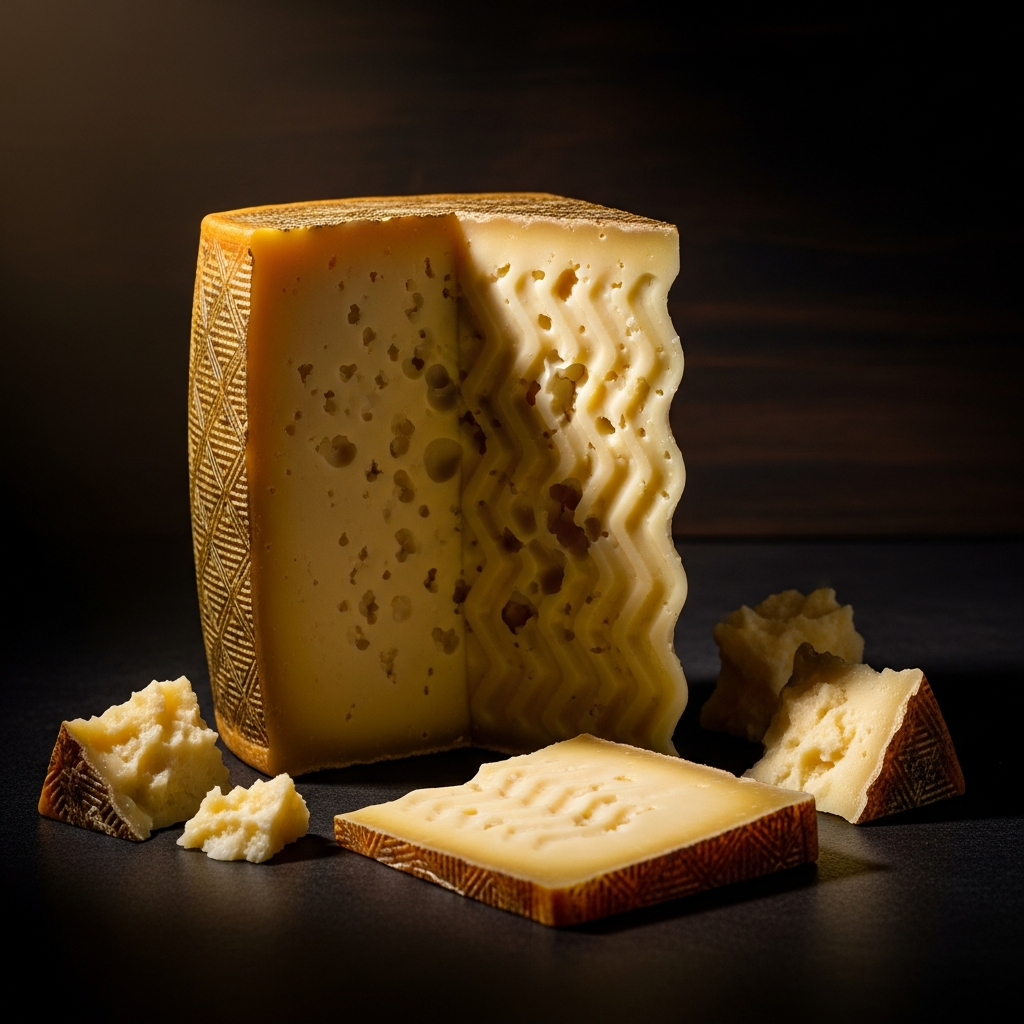
Stoneware mug, dishwasher safe
Buy Mug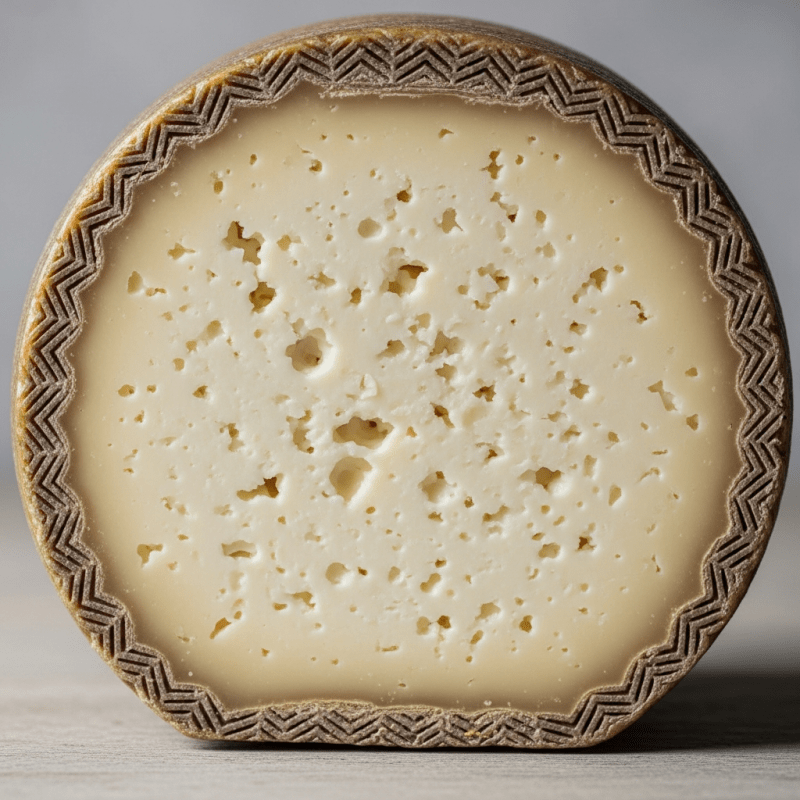
Soft cotton tee, unisex sizes
Buy ShirtFew cheeses are as deeply woven into the cultural fabric of their homeland as Queso Manchego. It is referenced in Spain’s literary masterpiece "Don Quixote," and remains a symbol of La Mancha’s pastoral heritage. Manchego is central to Spanish gastronomy, celebrated in festivals, and featured in countless tapas bars. Its PDO status not only protects its authenticity but also honors the centuries-old traditions of the region’s shepherds and cheesemakers.
Queso Manchego is made exclusively from the whole milk of Manchega sheep. This unique milk imparts a rich, buttery, and slightly nutty flavor, setting Manchego apart from cow’s or goat’s milk cheeses. The breed’s diet and the arid climate of La Mancha contribute to the cheese’s distinctive taste and aroma.
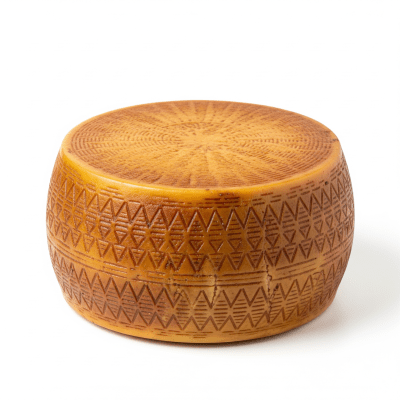
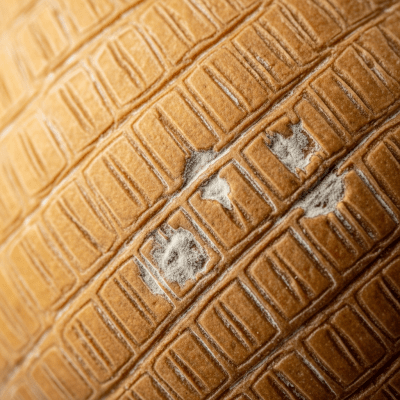
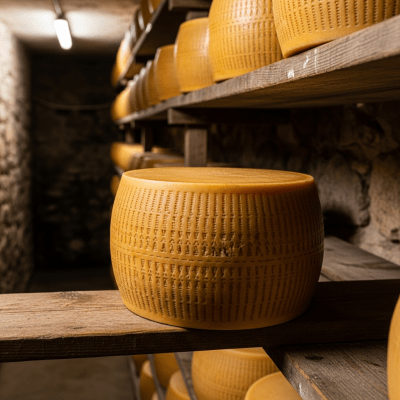
Manchego is produced by pressing uncooked curds made from whole Manchega sheep’s milk into cylindrical molds. The cheese is then aged, developing its firm texture and characteristic herringbone-patterned rind. Traditional molds were woven from esparto grass, though modern production often uses food-safe plastic to replicate the pattern. Strict PDO regulations govern every step, from milk sourcing to aging, ensuring quality and authenticity.
The texture of Manchego ranges from semi-firm to hard, becoming denser and more granular with age. Its interior is compact, with small, unevenly distributed "eyes." The rind is natural, hard, and inedible, featuring a unique zigzag (herringbone) pattern—a visual hallmark of true Manchego. This rind helps protect the cheese during aging and transport.
Manchego is aged for a minimum of 30 days (for cheeses under 1.5 kg) or 60 days (for larger wheels), with some varieties maturing up to two years ("Manchego Viejo"). As the cheese matures, its flavor intensifies from mild and creamy to robust, nutty, and piquant, while the texture transitions from supple to crumbly and crystalline. The range of aging allows for diverse culinary experiences, from fresh and delicate to bold and complex.
Queso Manchego holds Protected Designation of Origin (PDO) status, granted by the European Union in 1996 and regulated by the Consejo Regulador de la Denominación de Origen Queso Manchego. This legal protection ensures that only cheese made from Manchega sheep’s milk, produced and aged in La Mancha, can be labeled as "Queso Manchego." The PDO seal and regulatory number on the rind guarantee authenticity and traceability.
Manchego is available in several forms and aging stages: fresco (fresh, rarely exported), semicurado (semi-aged), curado (aged), and viejo (old). It is commonly sold as whole wheels or pre-cut wedges, making it accessible for both retail and foodservice use.
When buying Manchego, look for the PDO seal and the distinctive herringbone rind to ensure authenticity. Choose cheese that is firm, with a pleasant aroma and no signs of excessive moisture or cracking. Store Manchego in the refrigerator, wrapped in wax paper or cheese paper, then loosely in plastic wrap to allow it to breathe. For best flavor, bring to room temperature before serving and consume within a few weeks of opening to preserve freshness and character.