Queso Fresco
Queso Fresco is a classic Latin American fresh cheese, celebrated for its mild flavor, crumbly texture, and remarkable versatility in everyday cooking.
Queso Fresco is a classic Latin American fresh cheese, celebrated for its mild flavor, crumbly texture, and remarkable versatility in everyday cooking.
Originating in Mexico and widely embraced across Central America, Queso Fresco traces its roots to colonial-era adaptations of Spanish cheese-making traditions. Local artisans blended European techniques with native ingredients, resulting in a cheese that quickly became a staple of regional diets. Today, its production is decentralized and unregulated, with countless family recipes and small producers shaping its character in countries like Guatemala, Honduras, and El Salvador.
Queso Fresco belongs to the family of fresh cheeses—those made without aging or ripening. It is typically crafted from cow’s milk, though some regional variants may include goat’s milk. Unlike brined, mold-ripened, or cooked-curd cheeses, Queso Fresco is defined by its high moisture, soft crumbly texture, and absence of rind, aligning it with other unaged Latin American varieties such as queso blanco and queso de mesa.
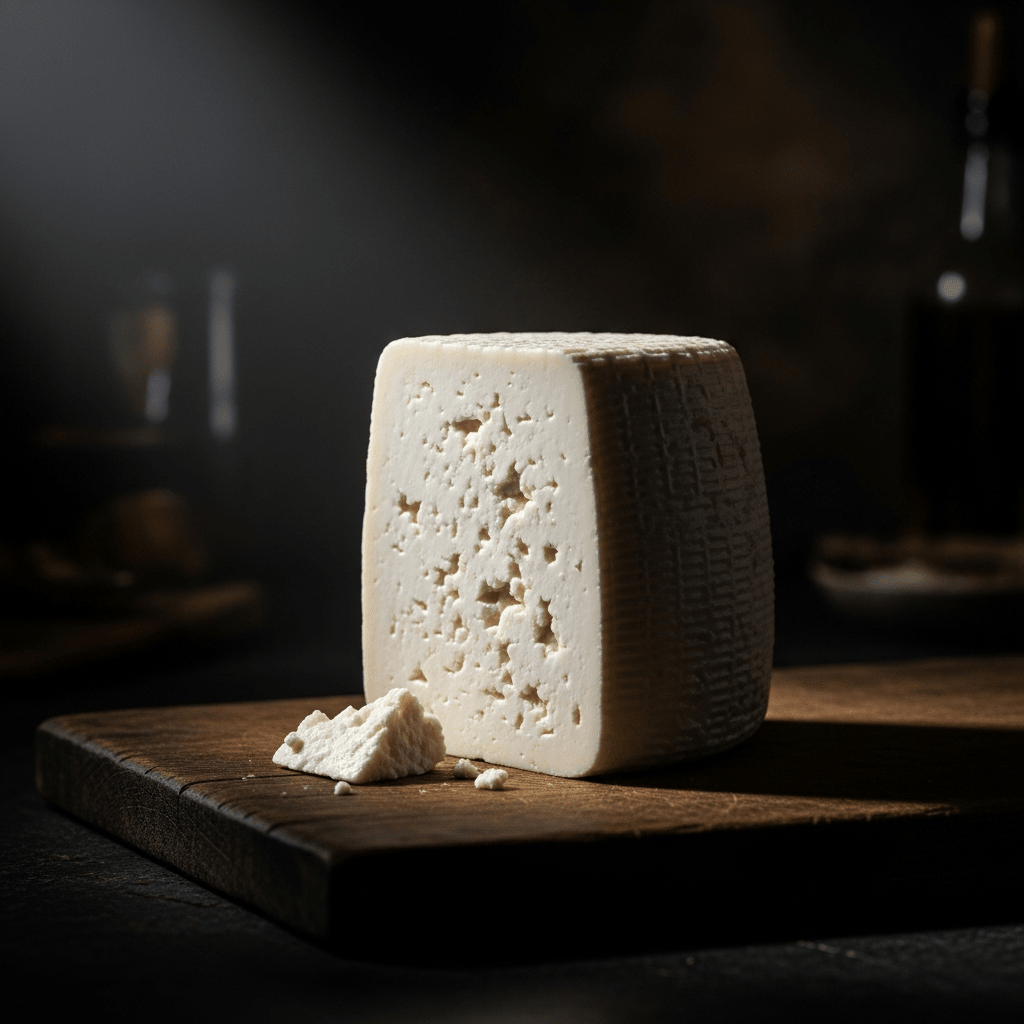
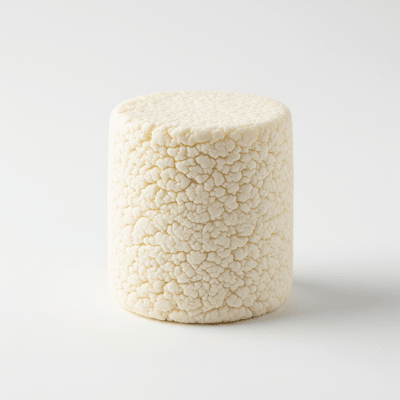
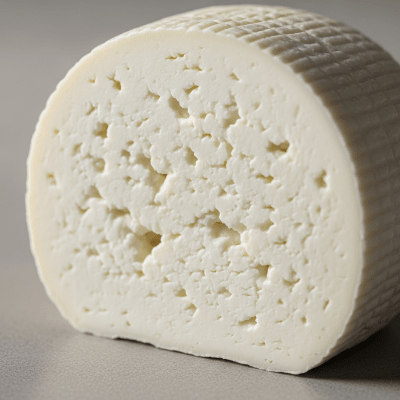
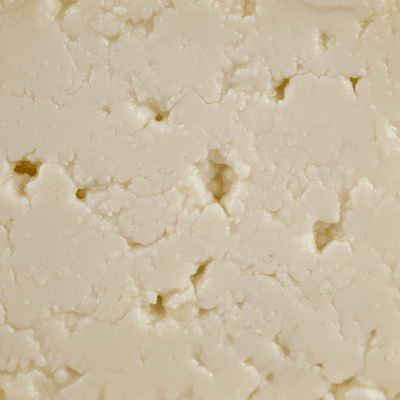
Visually, Queso Fresco is white to pale ivory, with a soft, crumbly consistency that breaks apart easily. It is commonly shaped into small rounds or blocks, ranging from 200 grams to 1 kilogram. The cheese lacks a rind and has a moist, slightly grainy surface, offering a fresh and inviting look that signals its delicate flavor.
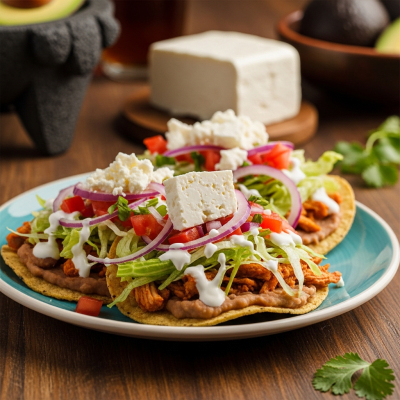
Queso Fresco is prized for its ability to soften without melting, making it ideal for crumbling over hot dishes or slicing for cold salads. Its mild, creamy taste complements a wide range of foods, from spicy tacos and enchiladas to sweet fruit salads. The cheese’s resistance to melting means it retains its shape and texture even when heated, adding a pleasant contrast to cooked ingredients.
Bring this kind into your world illustrated posters, mugs, and shirts.
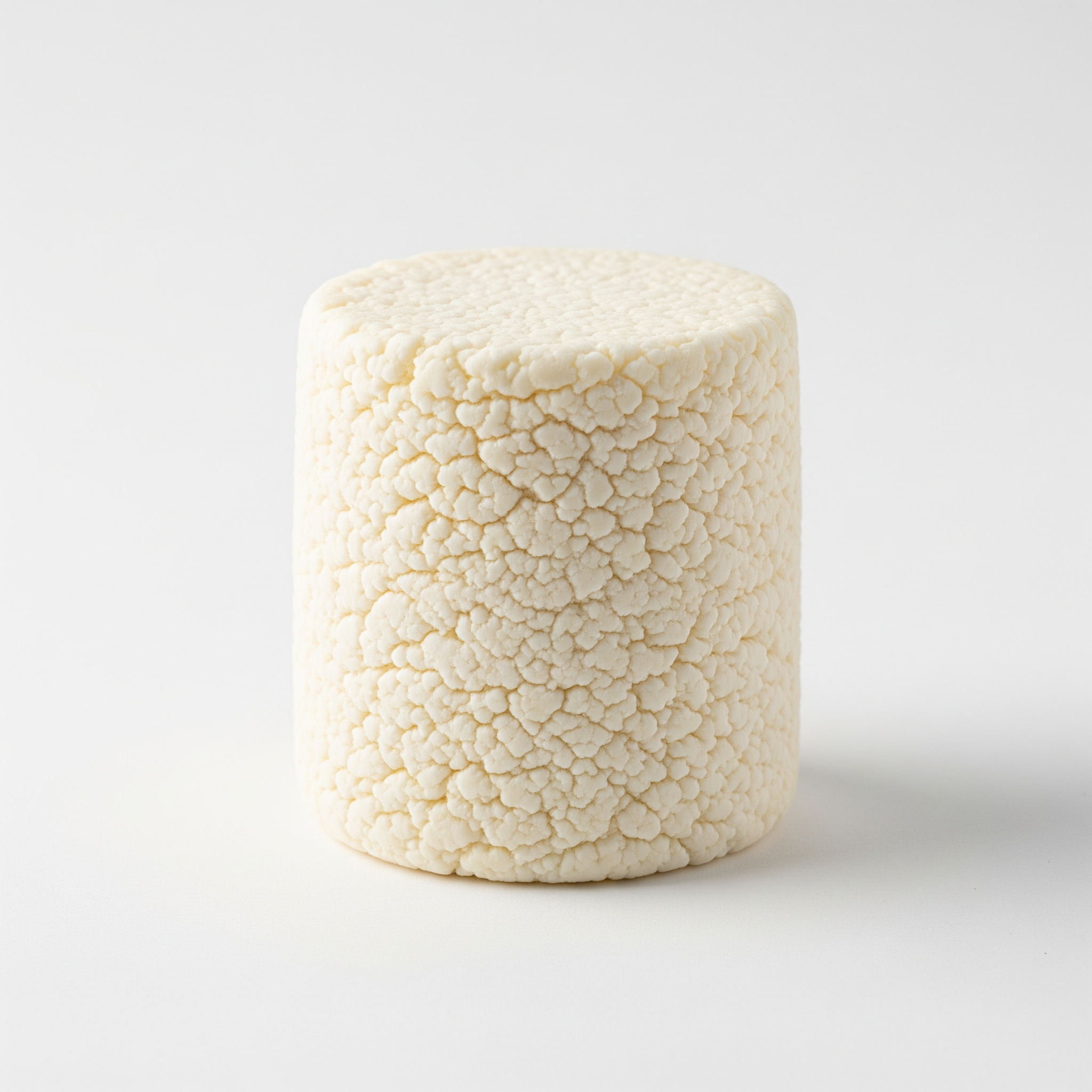
Archival print, museum-grade paper
Buy Poster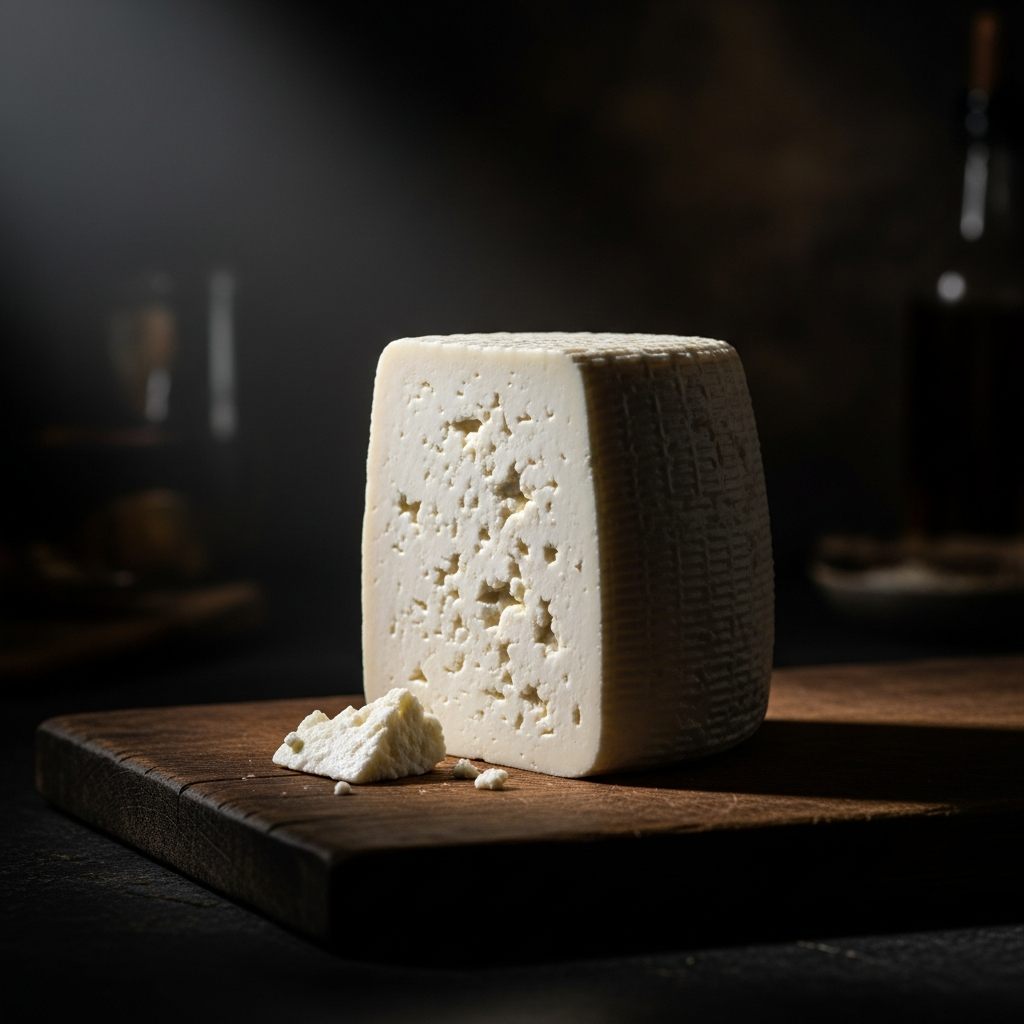
Stoneware mug, dishwasher safe
Buy Mug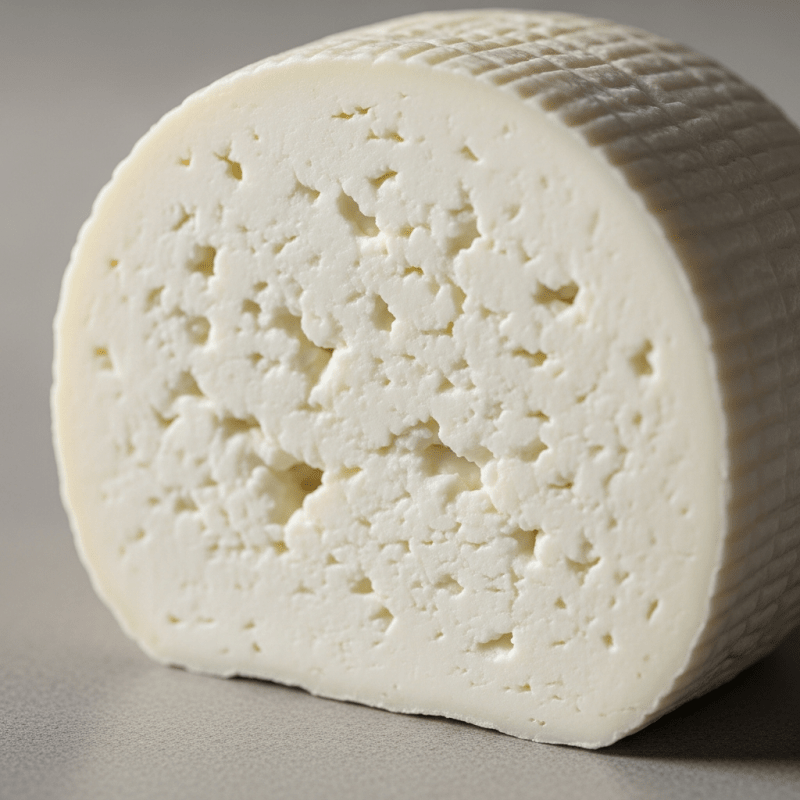
Soft cotton tee, unisex sizes
Buy ShirtQueso Fresco is woven into the fabric of Mexican and Central American cuisine, appearing in daily meals, festive gatherings, and street food alike. Its presence on tacos, beans, and grilled vegetables is a culinary marker of regional identity. The cheese’s accessibility and versatility have made it a symbol of home-style cooking and communal sharing, bridging generations and cultures throughout Latin America.
Queso Fresco is traditionally made from cow’s milk, which imparts a mild, creamy flavor and soft texture. Some regional versions may include goat’s milk, adding a subtle tang, but cow’s milk remains the standard for most recipes.

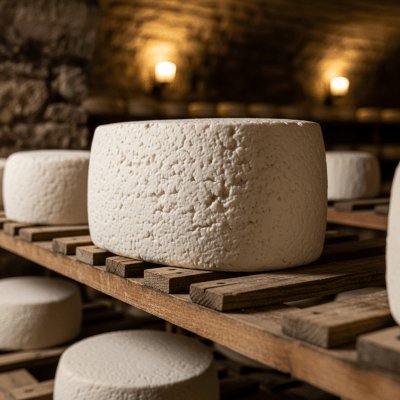
The cheese is produced by acid or enzymatic coagulation of milk, followed by gentle pressing to expel whey. Unlike aged or brined cheeses, Queso Fresco is not cooked or mold-ripened, and is typically not brined, though some versions may be lightly salted. The process yields a fresh, moist curd that is shaped into rounds or blocks and sold immediately.
Queso Fresco features a soft, crumbly texture with a moist, slightly grainy feel. It contains no rind, as it is not aged or coated, and its surface remains fresh and delicate throughout its brief shelf life.
This cheese is unaged, meaning it is consumed fresh, usually within days of production. Its lack of maturation preserves a bright, mild flavor and high moisture content, distinguishing it from aged or ripened cheeses.
Queso Fresco does not hold any official protected status such as PDO, PGI, or AOC. Its production is widespread and unregulated, allowing for regional diversity in recipes and techniques.
Queso Fresco is commonly sold in small rounds or blocks, packaged in plastic wrap or tubs. It is available both artisanally and industrially, with mass-market versions found in supermarkets and specialty shops throughout the Americas.
Choose Queso Fresco that is moist, bright white, and free of off odors. Store in the refrigerator in its original packaging or wrapped tightly in plastic. Consume within a few days for optimal freshness, as the cheese is highly perishable and can quickly lose its delicate texture.