Queso De Bola
Queso de Bola is a semi-hard, cow’s milk cheese with a distinctive red wax coating and spherical shape, celebrated as a festive staple in the Philippines and beyond.
Queso de Bola is a semi-hard, cow’s milk cheese with a distinctive red wax coating and spherical shape, celebrated as a festive staple in the Philippines and beyond.
Queso de Bola traces its roots to Edam cheese from the Netherlands, first crafted in the 14th century. Its name, meaning “ball cheese” in Spanish, reflects its iconic round form. The cheese arrived in the Philippines during the Spanish colonial era (16th–19th centuries), where it was embraced and woven into local holiday traditions. Today, Queso de Bola is produced by various commercial dairies in the Philippines and Latin America, notably Venezuela and Puerto Rico, and is especially prominent during Christmas and New Year celebrations.
Queso de Bola belongs to the semi-hard cheese category and is an Edam-style cheese, sharing its lineage with the Dutch classic but adapted for local tastes and customs. It is classified by its cow’s milk origin, pressed and waxed production method, and festive cultural role. While some authorities consider it a direct import of Edam, others recognize Queso de Bola as a distinct regional adaptation, especially in Spanish-speaking countries and the Philippines.
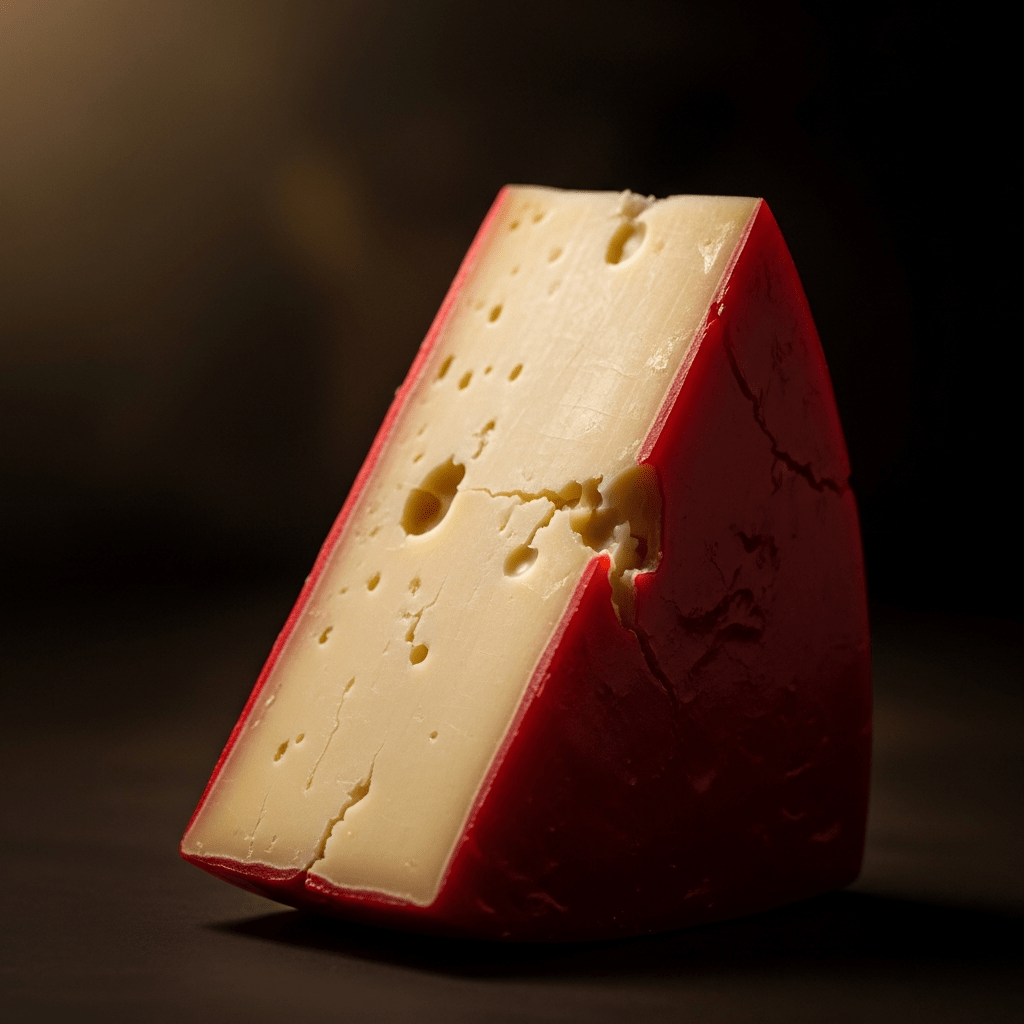
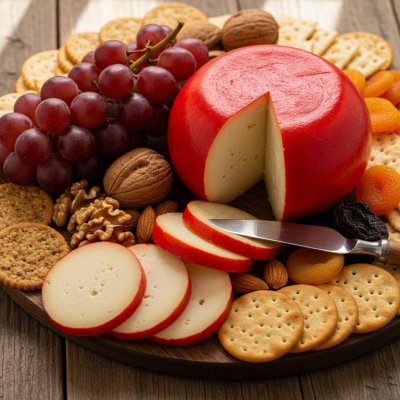
This cheese is instantly recognizable for its smooth, firm, pale yellow interior encased in a thick, bright red paraffin wax shell. Each ball typically weighs between 1 and 2 kilograms, presenting a festive, eye-catching centerpiece on holiday tables. The spherical shape and glossy red coating make Queso de Bola both visually appealing and practical for preservation.
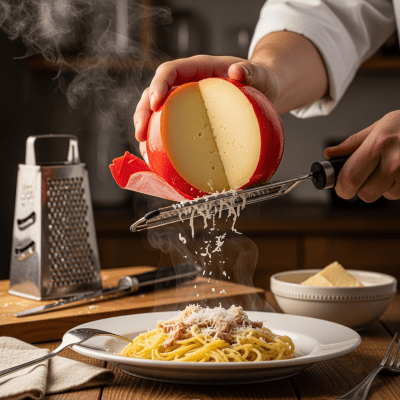
Queso de Bola is most often enjoyed sliced or grated, served alongside ham, bread, pastries, or as a table cheese during celebratory meals. Its mild, subtly nutty flavor and firm texture make it ideal for festive platters, sandwiches, and sweet breads like ensaymada. While rarely used as a cooking ingredient, its symbolic presence during holidays underscores its role as a marker of tradition and celebration.
Bring this kind into your world illustrated posters, mugs, and shirts.

Archival print, museum-grade paper
Buy Poster
Stoneware mug, dishwasher safe
Buy Mug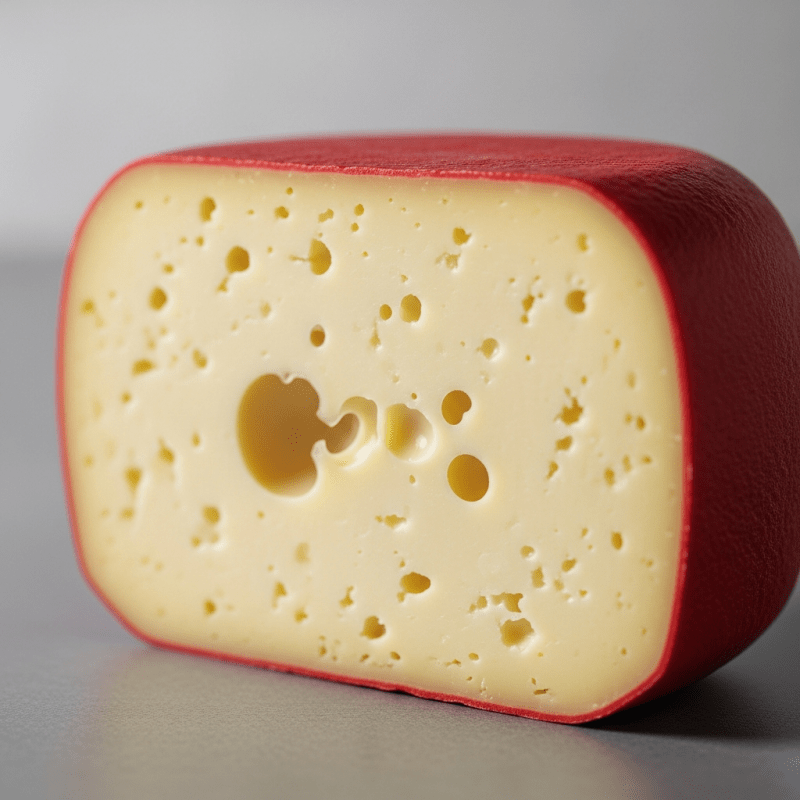
Soft cotton tee, unisex sizes
Buy ShirtIn the Philippines, Queso de Bola is synonymous with Christmas and New Year, gracing tables as a symbol of prosperity and togetherness. Its arrival in local markets heralds the holiday season, and sharing it with family and friends is a cherished custom. The cheese also holds a festive place in Latin American cultures, particularly Venezuela and Puerto Rico, where it is featured in traditional dishes and celebrations. Its iconic red wax ball has become a cultural emblem of joyful gatherings.
Queso de Bola is made exclusively from cow’s milk, which imparts a mild, creamy flavor and smooth texture. The richness of cow’s milk supports its subtle nutty notes and firm consistency, making it approachable and versatile for festive tables.


The cheese is crafted by pressing and molding pasteurized cow’s milk curds, following traditional Edam-style techniques. Once shaped into balls, each cheese is coated in a thick layer of red paraffin wax, which protects and preserves it. The process does not involve mold-ripening, brining, or washing, focusing instead on pressing and waxing for both texture and longevity.
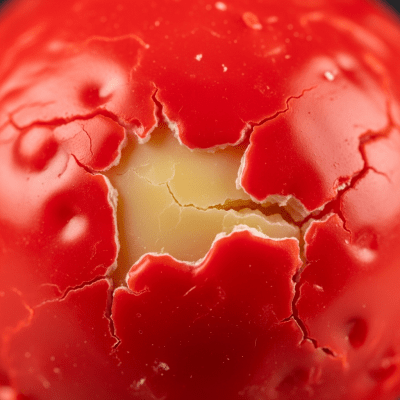
Queso de Bola features a semi-hard, smooth, and firm interior with moderate moisture. Its rind is a distinctive, thick layer of red paraffin wax, which is not edible but serves as a protective barrier and visual hallmark. The cheese’s texture is consistent and sliceable, ideal for serving on platters or in sandwiches.
Typically aged for several weeks to a few months, Queso de Bola’s flavor develops from mild and creamy to slightly sharper and nuttier as it matures. The exact aging period varies by producer, but the cheese maintains a firm texture and balanced saltiness throughout, making it suitable for both immediate consumption and longer holiday storage.
Queso de Bola does not hold any official protected designation of origin (PDO, PGI, AOC) and is not regulated by a specific authority. It is produced by various commercial dairies, with no restrictions on geographic origin or production method.
Queso de Bola is sold almost exclusively in its signature ball form, typically weighing 1–2 kilograms. It is available in supermarkets and specialty stores, often as a seasonal item during the holidays, and packaged with its iconic red wax coating.
When selecting Queso de Bola, look for an intact, glossy red wax coating and a firm, unblemished ball. Store the cheese in a cool, dry place before opening; once cut, wrap tightly and refrigerate to preserve freshness. For best flavor, allow slices to come to room temperature before serving, and consume within a few weeks after opening.