Queso Blanco
Queso Blanco is a fresh, unaged Latin American cheese celebrated for its mild flavor, crumbly texture, and remarkable versatility in both savory and sweet dishes.
Queso Blanco is a fresh, unaged Latin American cheese celebrated for its mild flavor, crumbly texture, and remarkable versatility in both savory and sweet dishes.
Queso Blanco traces its roots to Latin America, where it has long been a staple across Mexico, Central America, the Caribbean, and South America. The name simply means "white cheese" in Spanish, reflecting its appearance and broad category rather than a single standardized product. Its origins lie in centuries-old home and farmstead cheesemaking traditions, shaped by Spanish colonial dairy practices and indigenous adaptations. There is no single regulatory authority or protected designation governing Queso Blanco, as its production and definition vary widely by region and community.
Queso Blanco belongs to the family of fresh cheeses—those made without aging or ripening. It is typically classified by its milk source (usually cow), its moist, crumbly texture, and its acid-coagulation production method. As a generic term, Queso Blanco overlaps with other Latin American fresh cheeses such as Queso Fresco and Queso Panela, and its classification may shift depending on regional customs and culinary context.
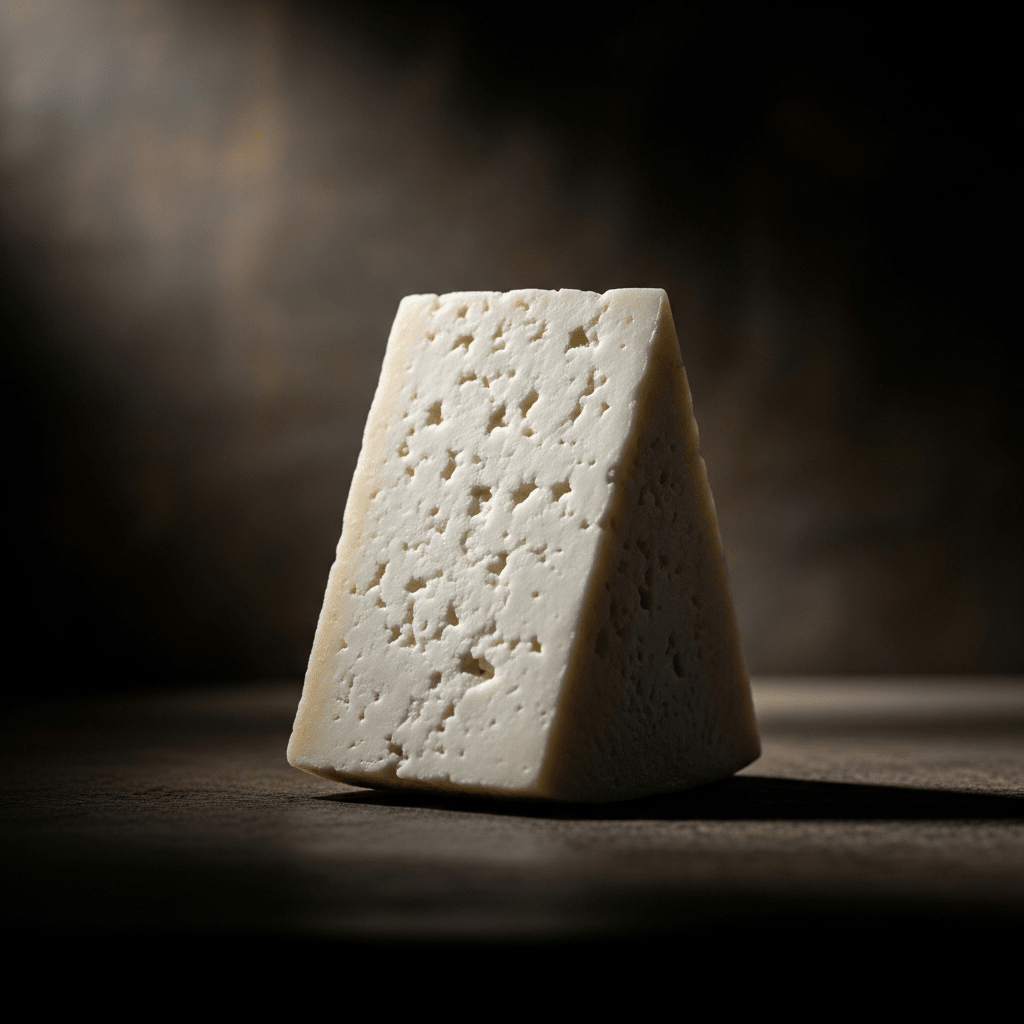
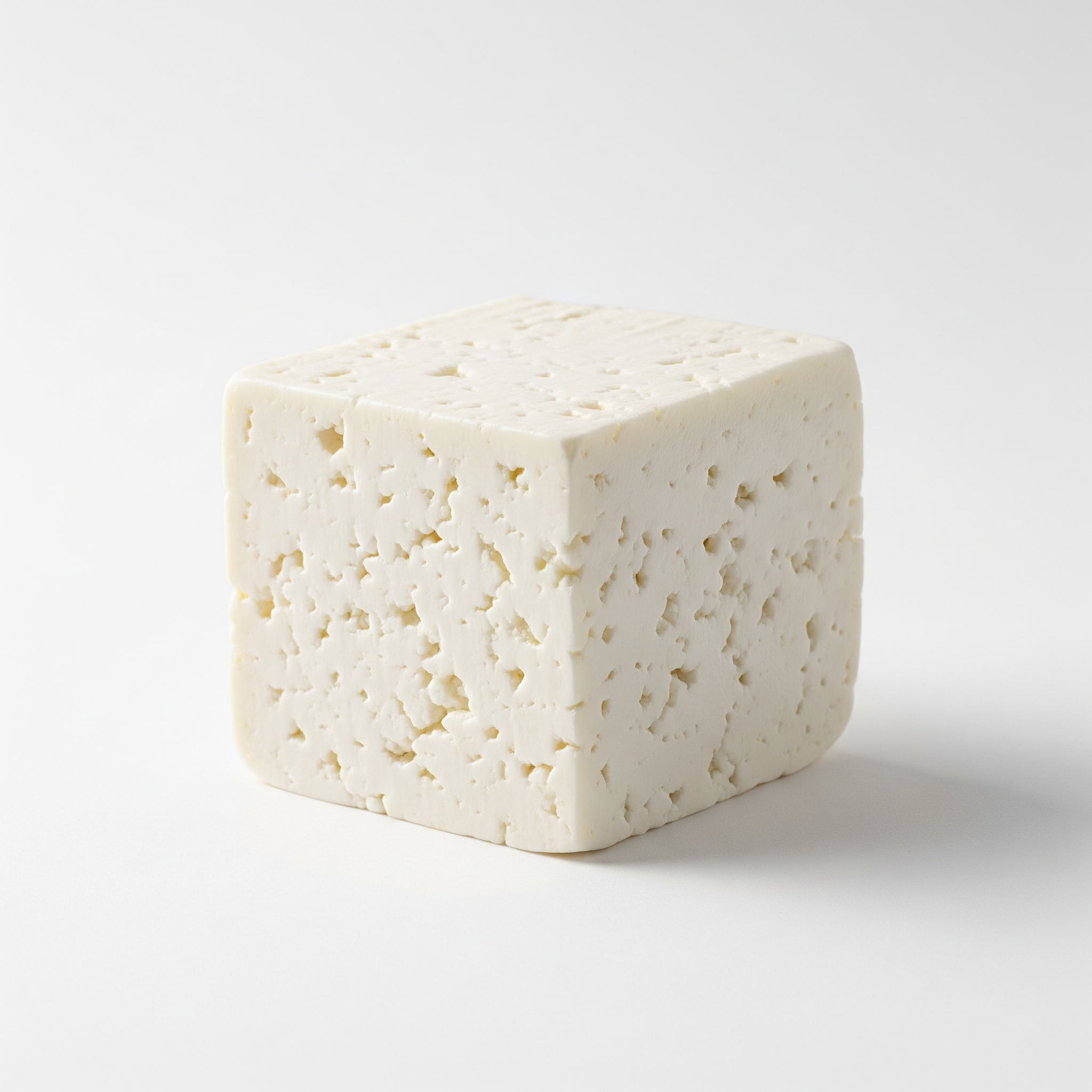
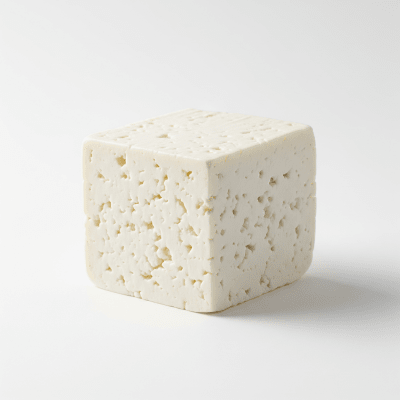
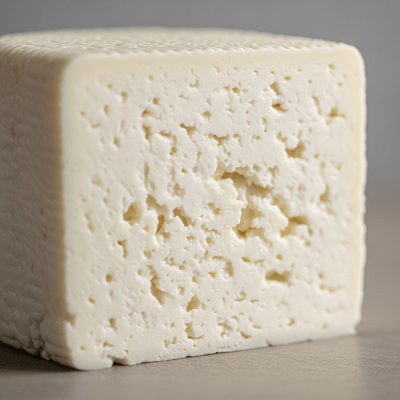
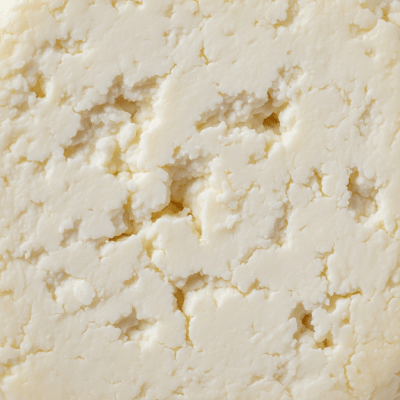
This cheese is instantly recognizable by its bright white color and moist, crumbly consistency. Queso Blanco is commonly shaped into blocks or rounds, with no rind or surface crust. Its texture is firm enough to slice, yet soft enough to crumble easily, and it retains its shape when heated, making it ideal for frying or grilling.
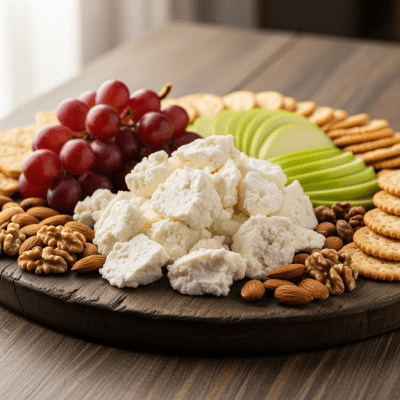
Queso Blanco is prized for its adaptability in the kitchen. It can be crumbled over salads, beans, and soups, sliced for sandwiches, or fried and grilled as a side dish. Its unique non-melting property allows it to hold its shape during cooking, making it a favorite for recipes that require a cheese that won’t liquefy or brown. It is equally at home as a table cheese or as a filling and topping in classic Latin American dishes.
Bring this kind into your world illustrated posters, mugs, and shirts.
Archival print, museum-grade paper
Buy Poster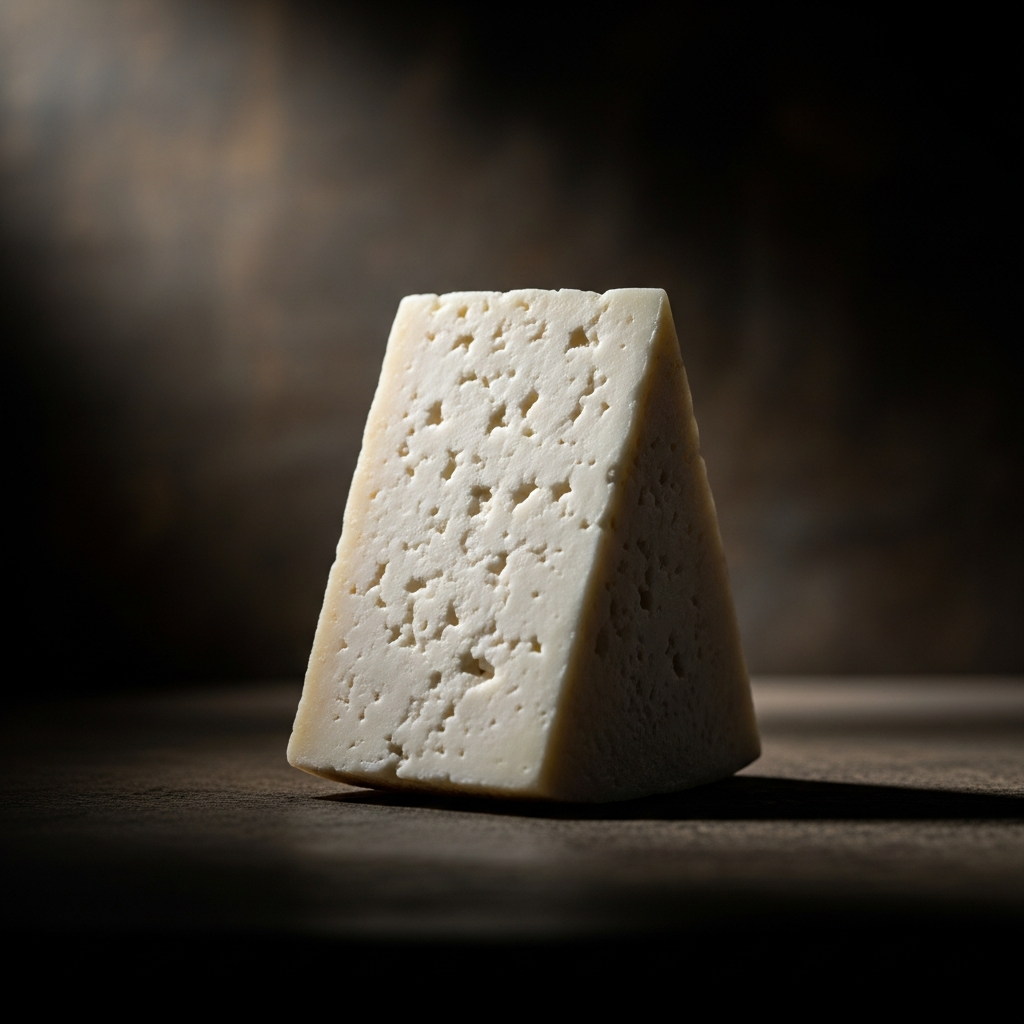
Stoneware mug, dishwasher safe
Buy Mug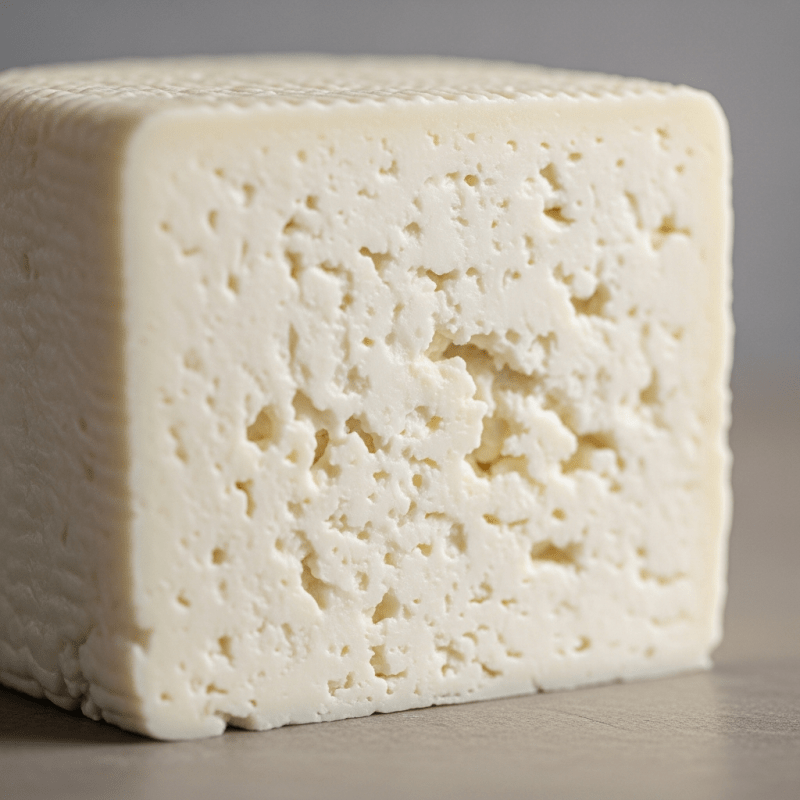
Soft cotton tee, unisex sizes
Buy ShirtQueso Blanco is woven into the fabric of Latin American culinary tradition, appearing in everyday meals and festive dishes alike. Its presence in enchiladas, arepas, pupusas, and countless regional specialties highlights its role as both a comfort food and a symbol of local identity. The cheese’s simplicity and accessibility have made it a beloved ingredient, bridging rural and urban kitchens and connecting generations through shared recipes.
Queso Blanco is traditionally made from cow’s milk, which imparts a mild, creamy flavor and a soft, moist texture. In some regions, goat’s milk variants are produced, offering a slightly tangier profile. The choice of milk influences the richness and subtle taste differences found across local styles.

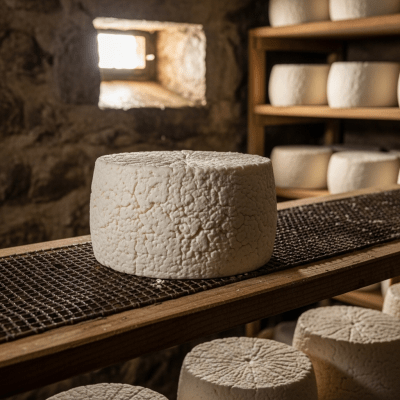
Queso Blanco is crafted using acid coagulation—milk is curdled with vinegar, lemon juice, or other acids, rather than rennet. The curds are then drained and lightly pressed, resulting in a moist, crumbly cheese. This straightforward method allows for quick, home-based production and contributes to the cheese’s fresh, clean flavor.
With its moist and crumbly texture, Queso Blanco is easy to slice or crumble by hand. It has no rind, giving it a uniform white appearance throughout. The cheese’s high moisture content keeps it soft and supple, while its structure ensures it holds shape when cooked.
Queso Blanco is a fresh, unaged cheese—it is typically consumed within days of production. Without an aging process, its flavor remains mild and slightly tangy, and its texture stays moist and crumbly. Maturation does not play a role in its development, distinguishing it from aged or ripened cheeses.
Queso Blanco does not have any official protected designation or regulatory status. Its generic nature and widespread regional production mean it is not governed by PDO, PGI, or similar schemes.
Queso Blanco is commonly sold in blocks or rounds, both in local markets and supermarkets. It may be packaged fresh, wrapped in plastic or paper, and is available from artisanal producers as well as industrial manufacturers.
When selecting Queso Blanco, look for a moist, bright white cheese with a clean aroma. Store it refrigerated in an airtight container, and consume within a week for optimal freshness. Avoid freezing, as this can alter its texture. If buying from a market, choose cheeses that are freshly made and have not dried out or developed off odors.