Provolone
Provolone is a classic Italian semi-hard cheese made from cow’s milk, celebrated for its smooth, elastic texture and remarkable versatility in both cooking and table service.
Provolone is a classic Italian semi-hard cheese made from cow’s milk, celebrated for its smooth, elastic texture and remarkable versatility in both cooking and table service.
Provolone traces its roots to Southern Italy, notably regions such as Campania, Basilicata, Apulia, and Calabria. Its modern production, however, is centered in Northern Italy—especially Lombardy and Veneto—following the migration of southern cheesemakers in the late 19th century. The cheese’s heritage is safeguarded by European Union PDO status, with Provolone Valpadana and Provolone del Monaco recognized and regulated by the EU PDO Registry and local consortia.
Provolone belongs to the semi-hard cheese category and is part of the pasta filata (stretched-curd) family, alongside cheeses like mozzarella and caciocavallo. Its classification is defined by milk source (cow), texture, and its unique production method, distinguishing it within both Italian and global cheese taxonomies.
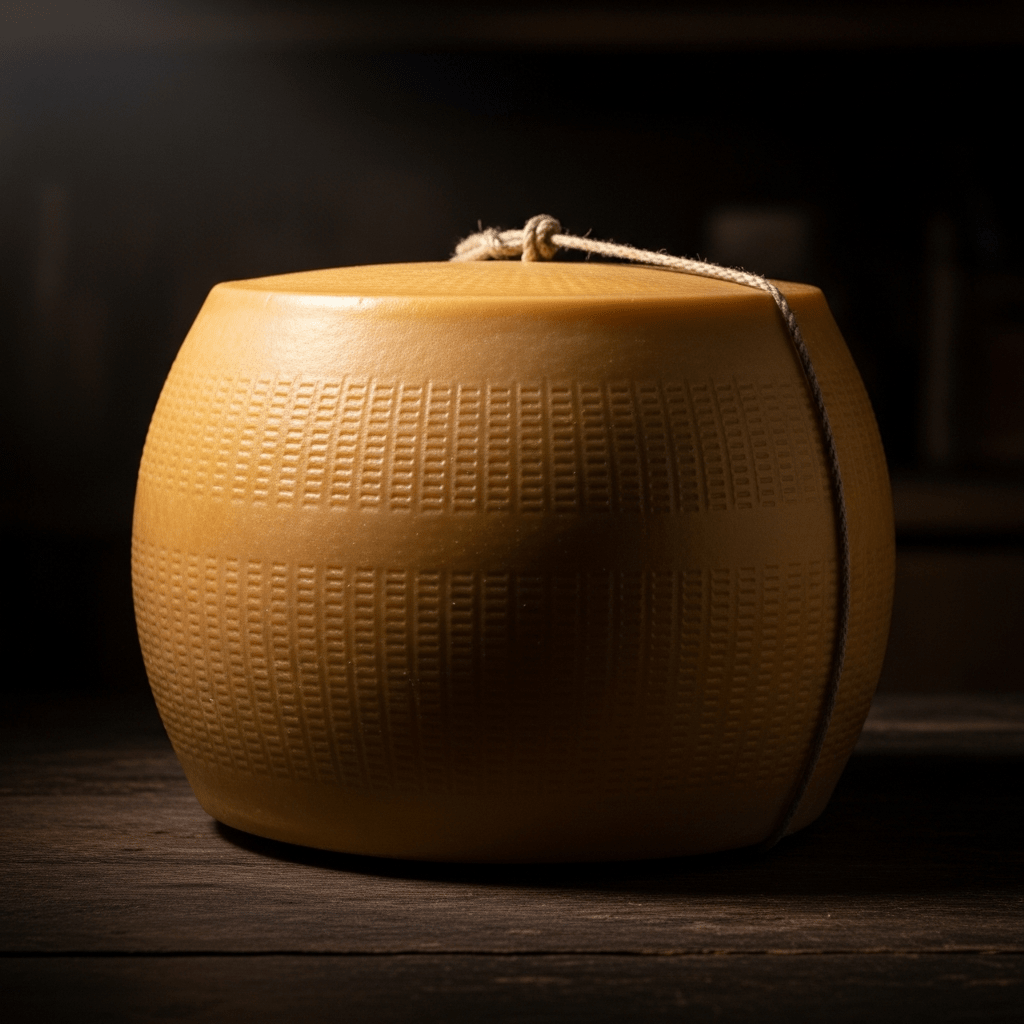
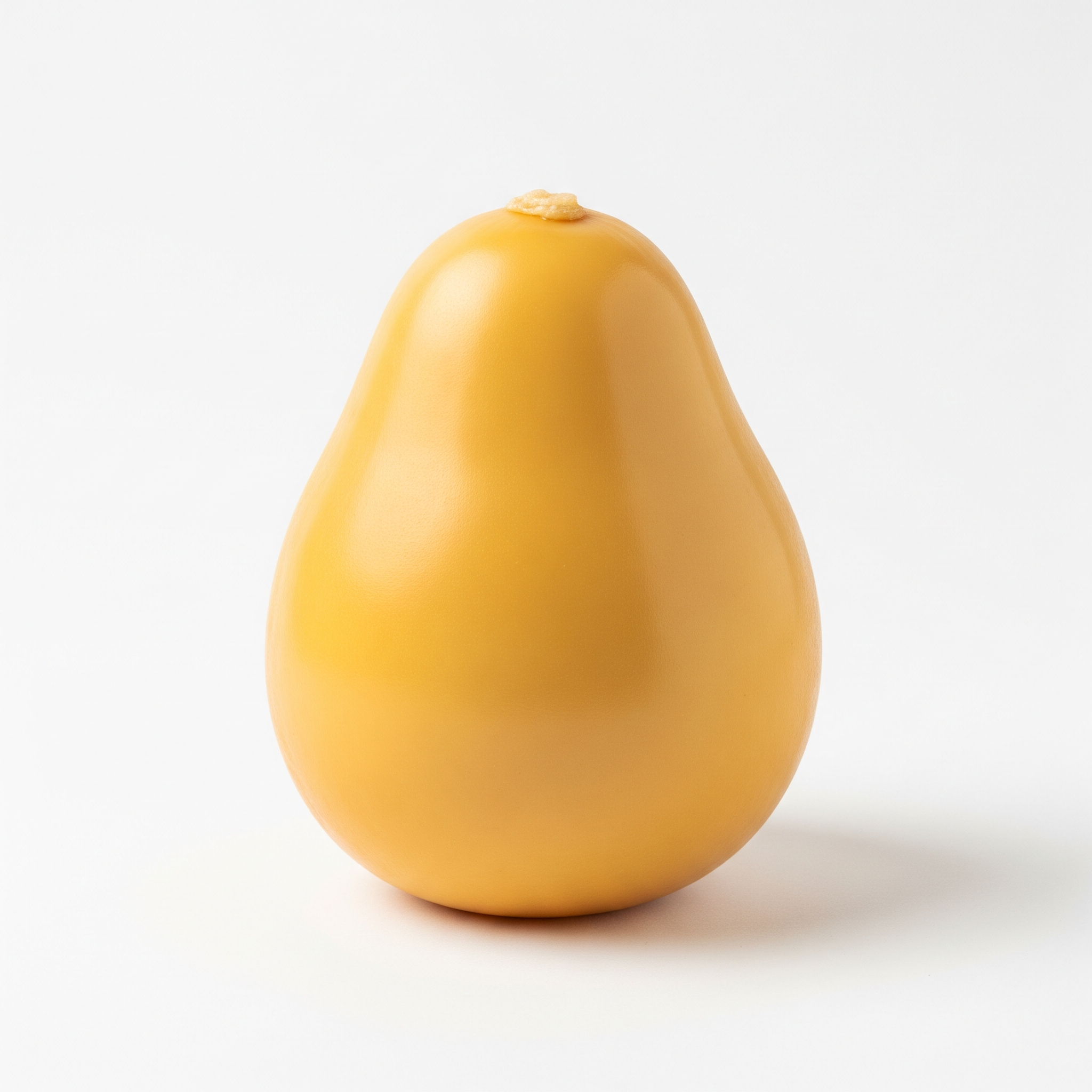
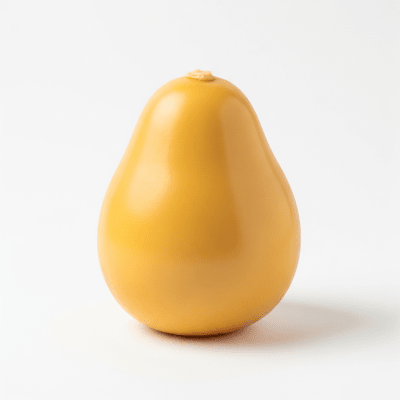
Provolone is instantly recognizable by its smooth, firm, and elastic body. It is commonly shaped into large pear forms, balls, or cylinders, ranging from modest 500g sizes to impressive wheels weighing over 100kg. The cheese’s color shifts from pale yellow to a deeper golden hue as it ages, and its thin, waxed or plastic-coated rind is often tied with rope for hanging during maturation.
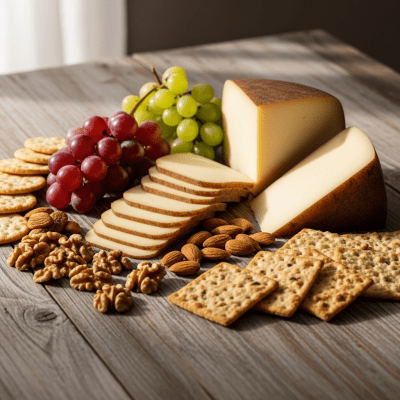
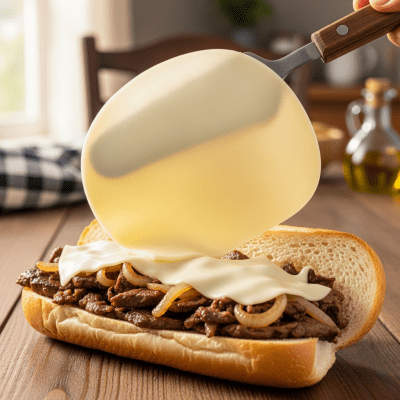
Provolone’s mild and sharp varieties make it a culinary chameleon—melting beautifully in hot dishes, holding its shape when sliced for antipasti, and offering robust flavor when aged. Its resistance to spoilage and adaptability in both domestic and commercial kitchens have made it a staple in Italian and international cuisine.
Bring this kind into your world illustrated posters, mugs, and shirts.
Archival print, museum-grade paper
Buy Poster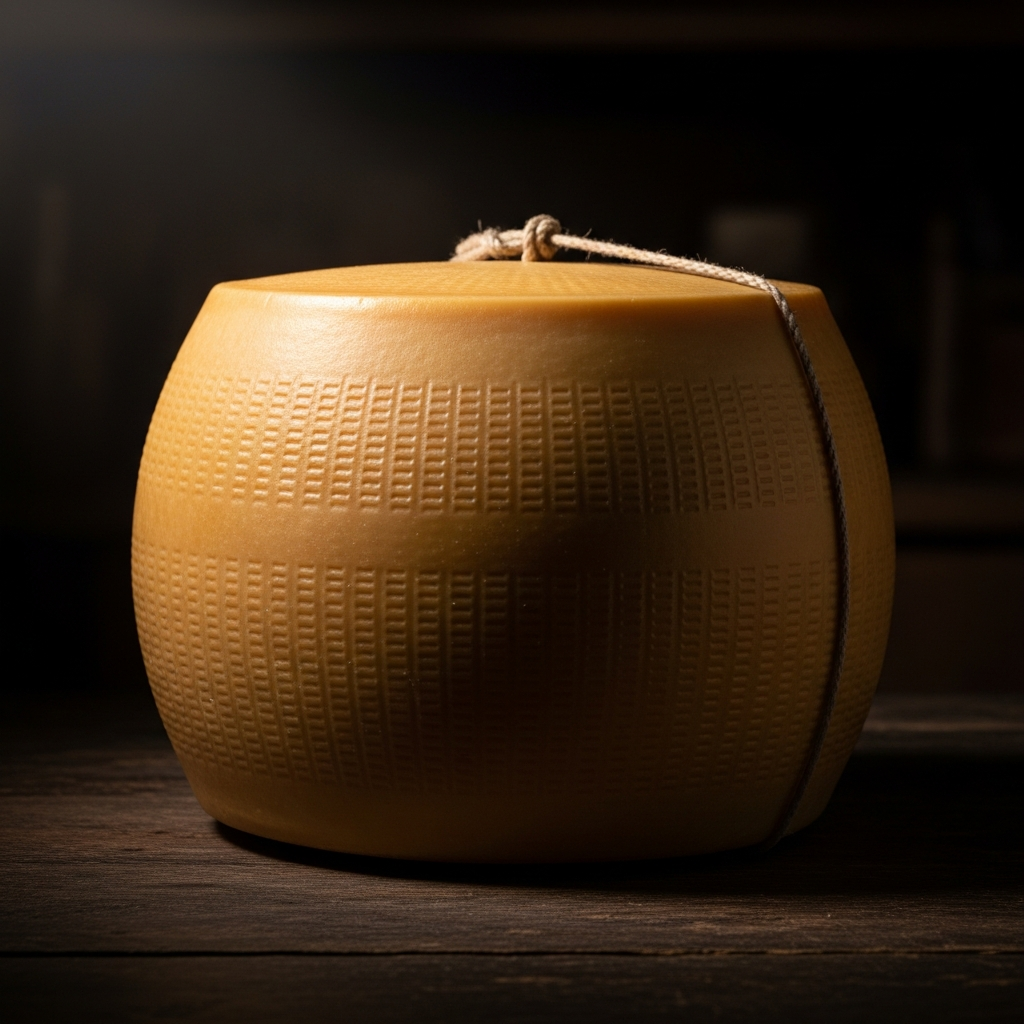
Stoneware mug, dishwasher safe
Buy Mug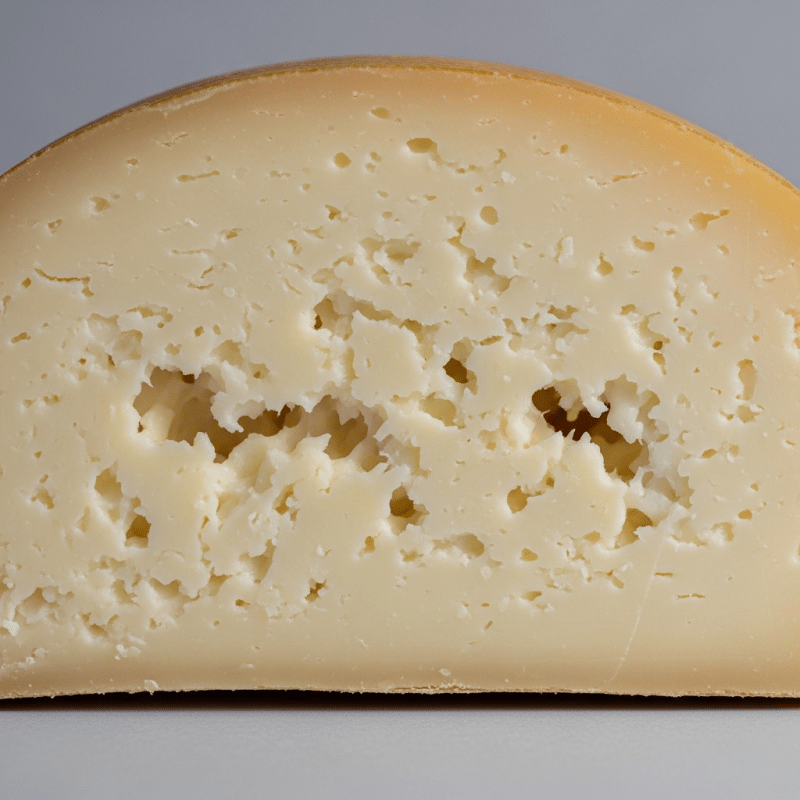
Soft cotton tee, unisex sizes
Buy ShirtProvolone is emblematic of Italian cheesemaking tradition and migration, symbolizing the fusion of southern heritage with northern innovation. It features prominently in Italian-American cuisine, is a fixture on cheese boards worldwide, and enjoys protected status as a marker of regional pride and artisanal craft.
Provolone is made exclusively from cow’s milk, typically pasteurized, which imparts a mild, creamy base flavor that deepens with age and the addition of enzymes.
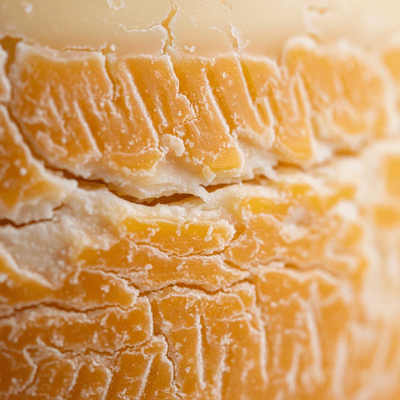
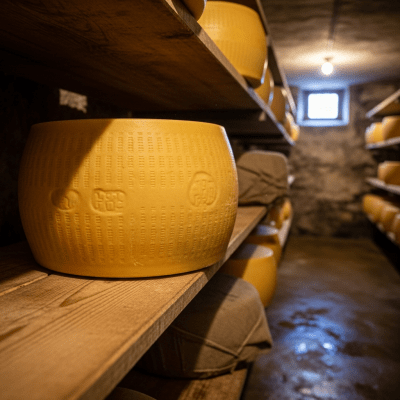
Provolone is crafted using the pasta filata technique, where curds are heated and stretched to achieve elasticity. The cheese may be smoked or unsmoked, and is produced from pasteurized or occasionally raw milk. After shaping, it is aged and sometimes hung by rope, with lipase enzymes added to sharper varieties for enhanced flavor.
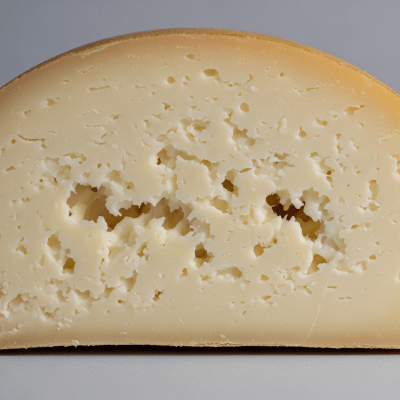
Provolone’s texture is smooth, firm, and elastic, with a thin, waxed or plastic-coated rind that protects the cheese during aging. The rind is not washed or mold-ripened, and is sometimes tied for hanging, contributing to its distinctive appearance.
Aging periods for Provolone vary: Dolce is aged 2–3 months for a mild, creamy taste, while Piccante matures for 4–12 months or longer, developing a sharper, more piquant flavor. Maturation deepens the color and intensifies the aroma, with longer-aged cheeses offering a firmer texture and more complex notes.
Provolone Valpadana and Provolone del Monaco are protected under the European Union’s PDO (Protected Designation of Origin) scheme, regulated by the EU PDO Registry and the Consorzio Tutela Provolone Valpadana. This ensures authenticity and adherence to traditional production standards.
Provolone is sold in wheels, balls, blocks, sliced, and grated forms, catering to both retail and foodservice needs. Its range of sizes and packaging makes it accessible for home cooks and professionals alike.
Choose Provolone with a firm, uncracked rind and vibrant color. Store tightly wrapped in the refrigerator to prevent drying and cracking. For best flavor, bring to room temperature before serving, and use within a few weeks of purchase for optimal freshness.