Pecorino Romano
Pecorino Romano is a classic Italian hard cheese made from sheep’s milk, prized for its sharp, salty flavor and granular texture, and renowned as a staple grating cheese in Roman cuisine.
Pecorino Romano is a classic Italian hard cheese made from sheep’s milk, prized for its sharp, salty flavor and granular texture, and renowned as a staple grating cheese in Roman cuisine.
Pecorino Romano traces its roots to ancient Rome, with documented use as early as the 1st century BCE. Originally produced in Lazio, Sardinia, and Grosseto in Tuscany, the cheese was a vital part of Roman soldiers’ diets due to its durability and nutritional value. Today, its production is strictly regulated and protected, with most cheese coming from Sardinia, but only those made in designated regions using traditional methods can bear the name. This enduring heritage connects Pecorino Romano directly to Italy’s culinary and cultural history.
Pecorino Romano belongs to the family of hard, aged cheeses made exclusively from sheep’s milk. It is part of the broader "pecorino" group—Italian sheep’s milk cheeses—yet distinguished by its protected status, strict regional production, and unique flavor profile. Within cheese taxonomies, it is classified by its hard texture, cooked and pressed production method, and extended aging, setting it apart from softer or less mature pecorinos.
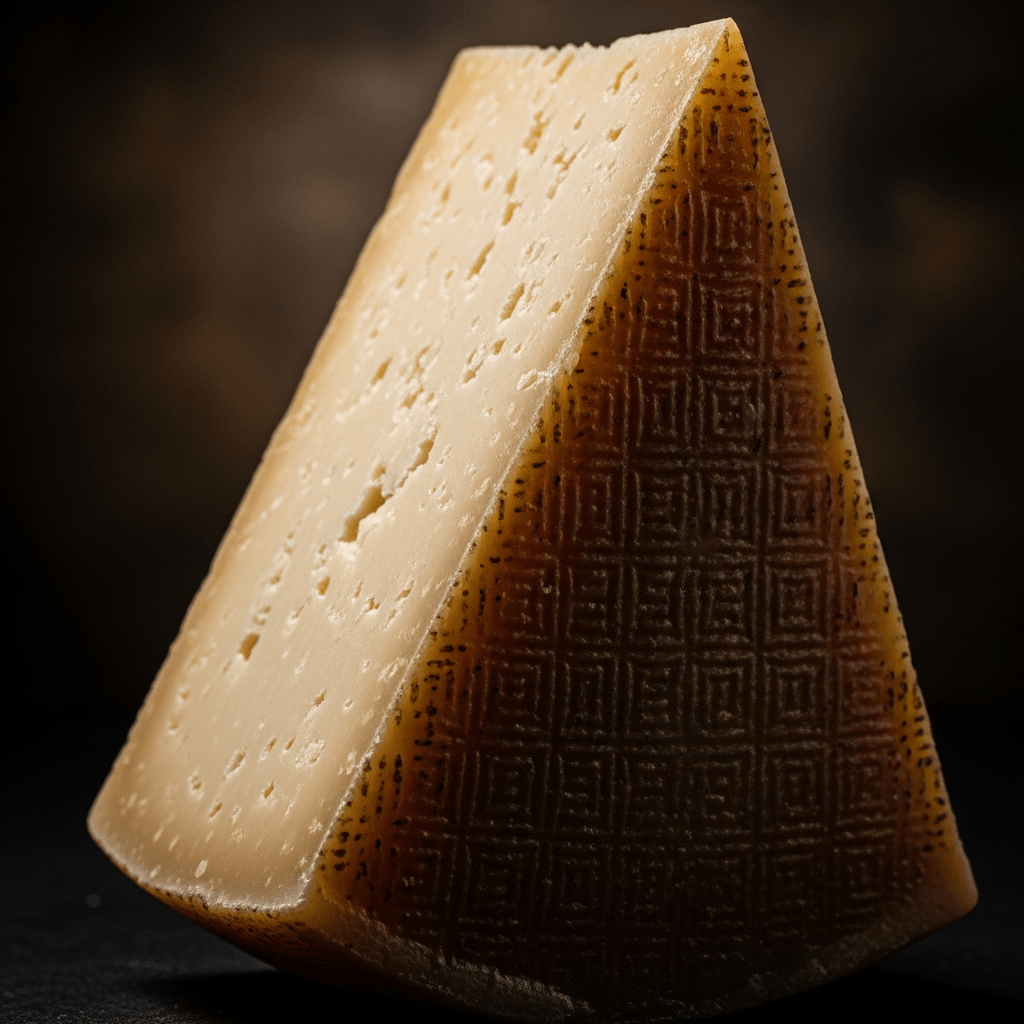
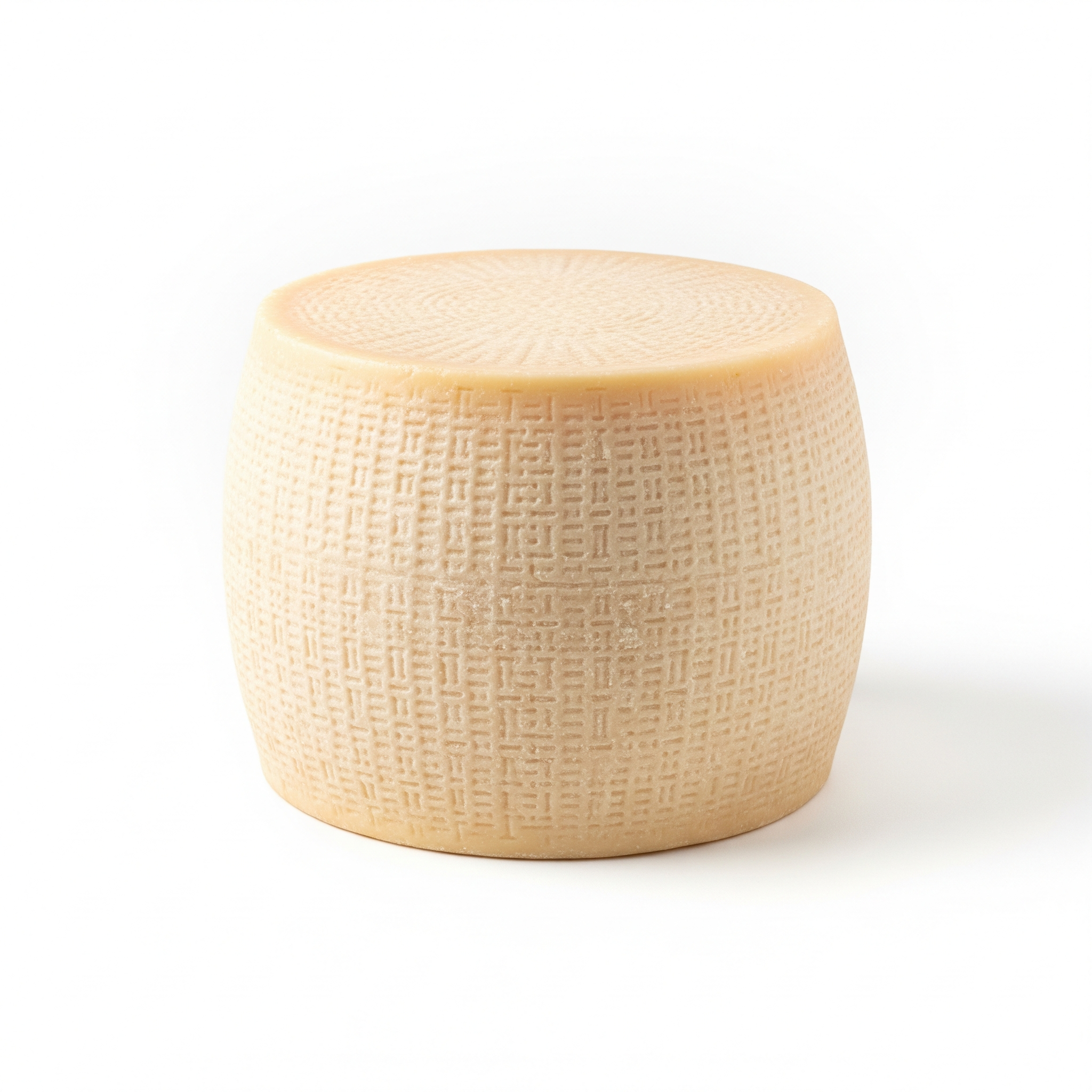
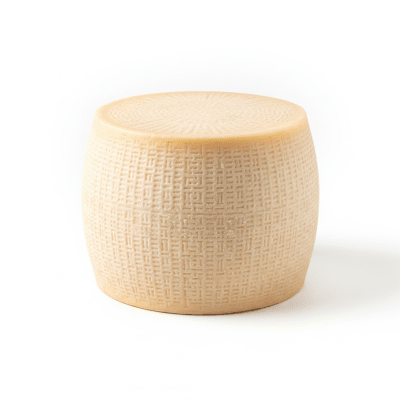
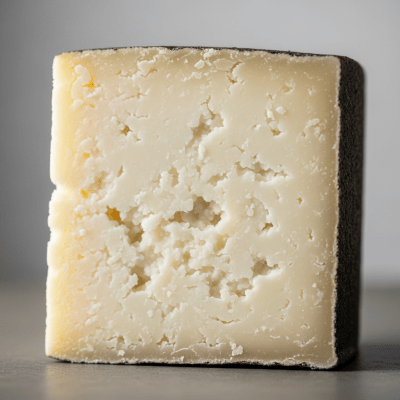
Pecorino Romano is typically formed into large, cylindrical wheels weighing between 20 and 35 kilograms, with heights ranging from 25 to 40 cm and diameters of 25 to 30 cm. Its rind is thin and natural, sometimes coated in black wax for export. The interior paste is compact and granular, colored white to pale straw, reflecting its low moisture and high fat content. When cut, the cheese reveals a dense, crumbly texture that hints at its robust flavor.
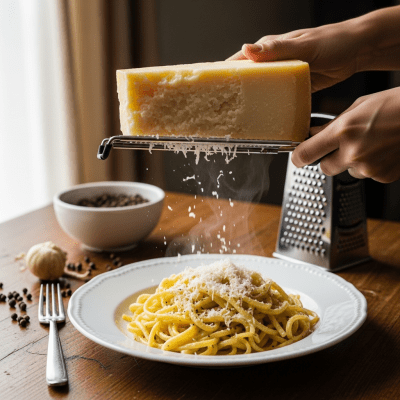
This cheese is celebrated for its utility as a grating cheese, infusing dishes with a bold, salty punch. Its granular texture allows it to be easily grated over pasta, soups, and salads, while slices or chunks are enjoyed alongside fruit and bread. Resistant to spoilage due to its low moisture and high salt, Pecorino Romano travels well and retains its character even after extended storage, making it a favorite for both home cooks and professional chefs.
Bring this kind into your world illustrated posters, mugs, and shirts.
Archival print, museum-grade paper
Buy Poster
Stoneware mug, dishwasher safe
Buy Mug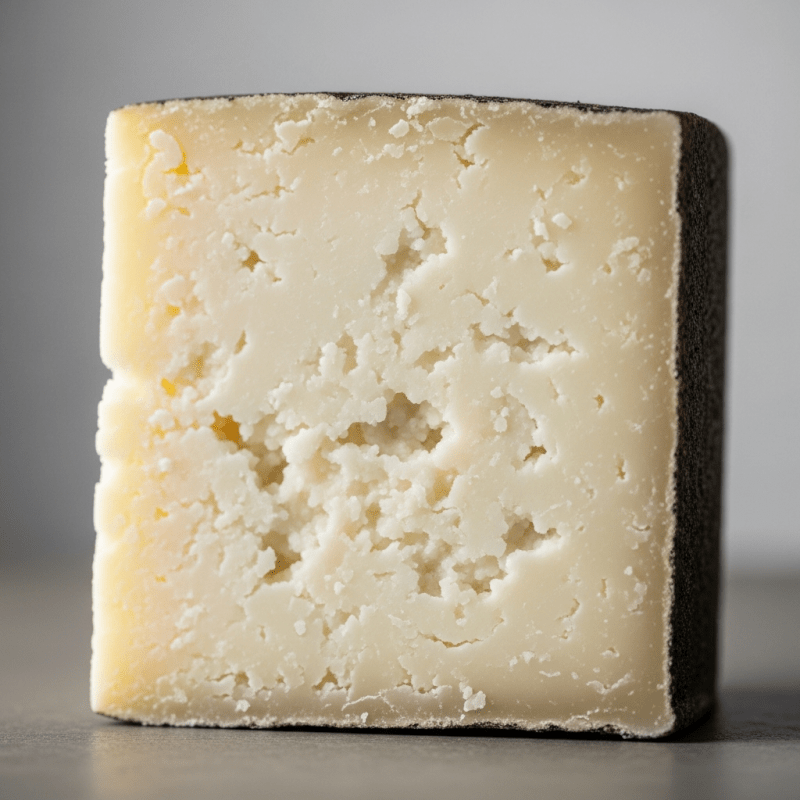
Soft cotton tee, unisex sizes
Buy ShirtPecorino Romano is deeply woven into the fabric of Roman and Italian culinary tradition. It is the essential cheese for iconic pasta dishes such as Cacio e Pepe, Carbonara, and Amatriciana, defining the flavor of Roman cuisine. Its historic use as a staple for Roman soldiers speaks to its enduring value, while its PDO status preserves centuries-old methods and regional pride. In Italian-American communities, it remains a beloved ingredient, symbolizing authenticity and heritage.
Pecorino Romano is crafted exclusively from fresh whole sheep’s milk, sourced from breeds native to its production regions. Sheep’s milk imparts a distinctive, piquant flavor and rich aroma, setting the cheese apart from cow’s milk varieties and contributing to its sharp, salty character.



The cheese is made by heating fresh sheep’s milk, coagulating it with rennet, and cooking the curd to 45–48°C. The curds are then pressed and repeatedly dry-salted, a process that helps develop its intense flavor and long shelf life. Ripening takes place in cool, ventilated cellars, where the cheese matures for at least five months, often longer for grating varieties. Only cheeses produced following these traditional steps in designated regions qualify as Pecorino Romano.
Pecorino Romano has a hard, compact, and granular texture that becomes crumbly with age, making it ideal for grating. Its rind is thin and natural, sometimes coated in black wax for export, offering protection while allowing the cheese to breathe and mature properly. The interior is dense and slightly oily, with a pale straw color.
The cheese is aged for a minimum of five months for table consumption, but grating varieties are matured for over eight months. As Pecorino Romano ages, its flavor intensifies, becoming sharper and saltier, while the texture grows more granular and crumbly. Extended maturation enhances its robust character, making it a favorite for bold-flavored dishes.
Pecorino Romano is protected by the European Union’s Protected Designation of Origin (PDO) since 1996. This status, regulated by the Consorzio per la Tutela del Formaggio Pecorino Romano, ensures that only cheese produced in designated areas of Lazio, Sardinia, and Grosseto using traditional methods can bear the name. The PDO guarantees authenticity, quality, and regional heritage.
Pecorino Romano is available in large wheels, pre-grated packs, chunks, and slices. Wheels are typically reserved for specialty shops and restaurants, while grated and chunk forms are popular for home use and export, making the cheese accessible for a variety of culinary applications.
When buying Pecorino Romano, look for PDO labeling to ensure authenticity. Select cheese with a firm, uncracked rind and a fresh, clean aroma. Store whole or chunk pieces wrapped in wax paper or cheese paper in the refrigerator, inside a sealed container. Grated cheese should be kept airtight and used promptly to preserve flavor. Properly stored, Pecorino Romano can last for several weeks, retaining its sharpness and texture.