Paneer
Paneer is a fresh, non-aged cheese from South Asia, celebrated for its mild flavor, firm texture, and versatility in vegetarian cooking.
Paneer is a fresh, non-aged cheese from South Asia, celebrated for its mild flavor, firm texture, and versatility in vegetarian cooking.
Paneer traces its roots to the Indian subcontinent, with historical mentions dating as far back as the 16th century. Its exact lineage remains a subject of debate among food historians, but it is most closely associated with North Indian cuisine and has become a staple throughout India, Bangladesh, Pakistan, and Nepal. Unlike many European cheeses, paneer does not hold any protected designation or regulatory status, and its production is largely artisanal or small-scale, though industrial methods are increasingly common.
Paneer is classified as a fresh, soft cheese, though its status as 'cheese' can vary depending on authority. Some cheese taxonomies include paneer due to its curdling and pressing process, while others exclude it because it is acid-set and never aged. It sits alongside other fresh curd cheeses such as queso fresco and farmer’s cheese, but is distinguished by its production method and texture.
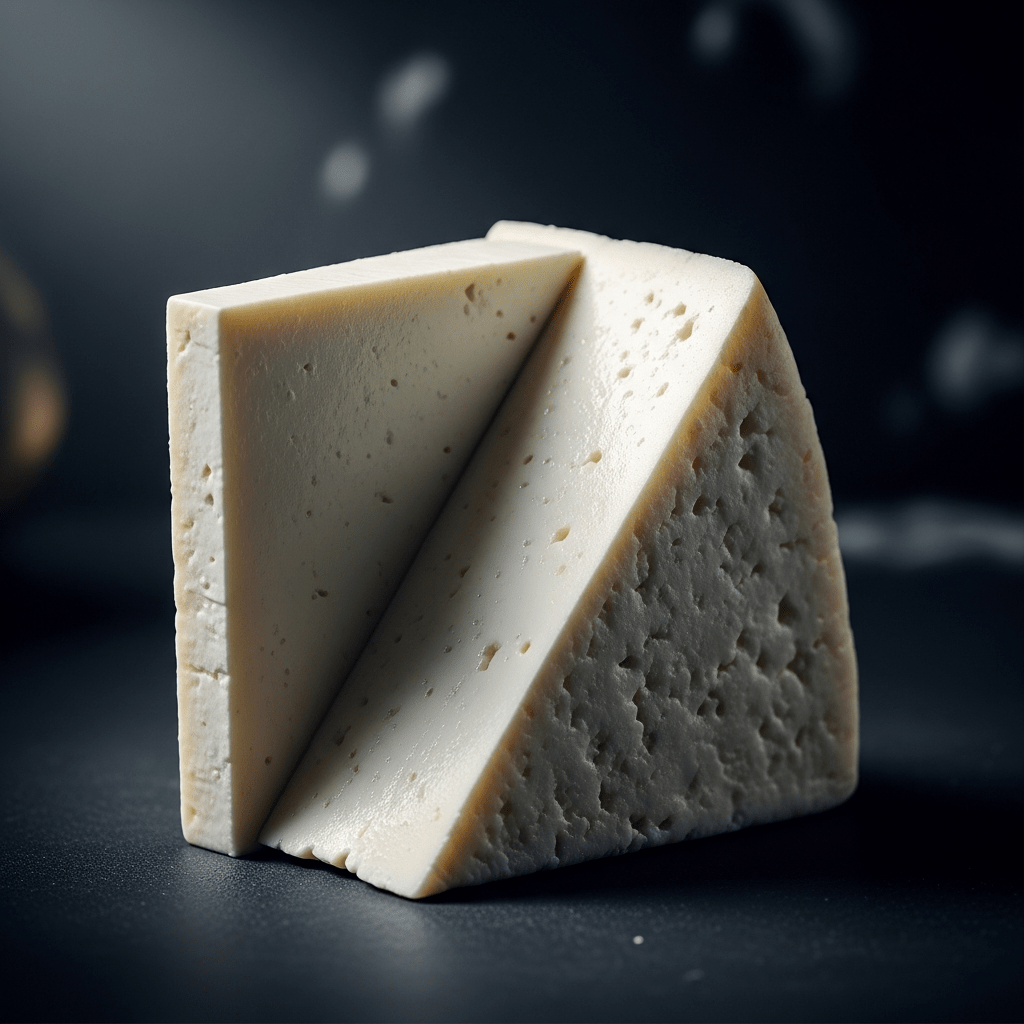
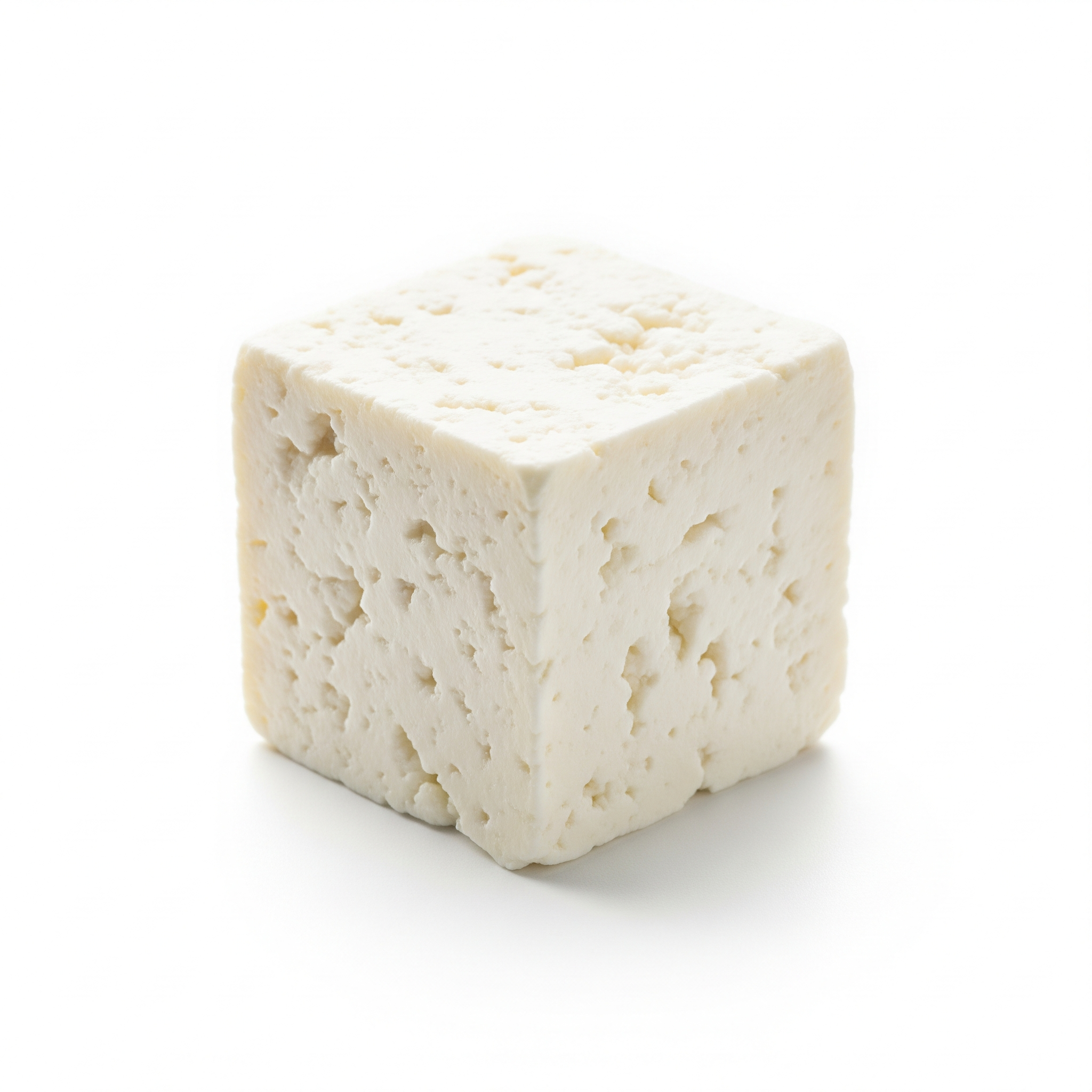
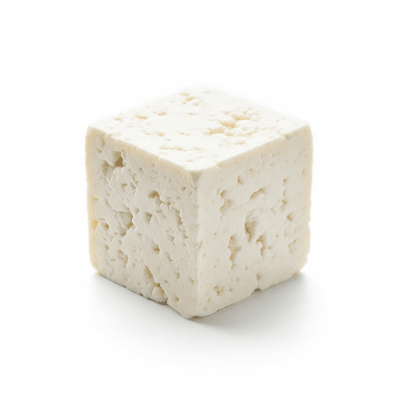
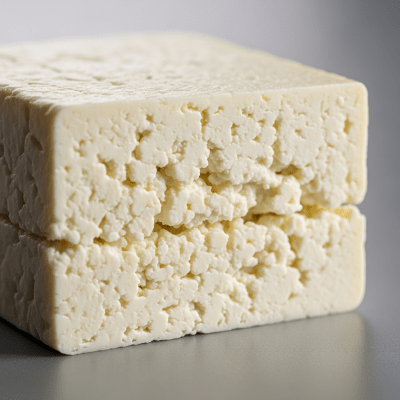
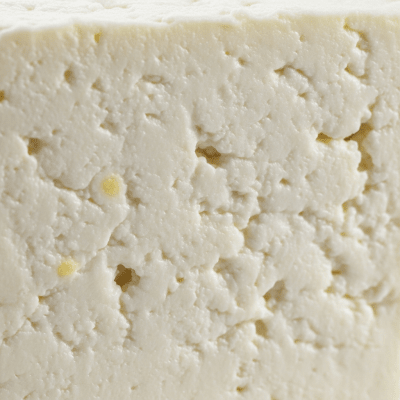
Paneer is typically white, with a firm and slightly crumbly texture. It is sold in blocks, slabs, or cubes, and has no rind. When pressed, paneer holds its shape well, making it ideal for slicing or cubing. Its high moisture content gives it a fresh, milky appearance and a soft mouthfeel.
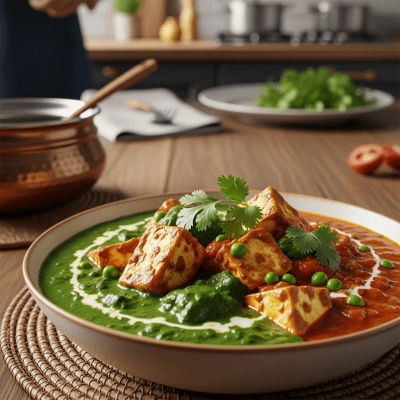
Paneer’s defining culinary trait is its ability to retain shape and resist melting when cooked. This makes it uniquely suited for grilling, frying, and simmering in curries. It readily absorbs spices and sauces, enhancing the flavor of any dish it accompanies. Paneer is rarely eaten raw or as a table cheese; instead, it is almost always incorporated into cooked dishes or desserts.
Bring this kind into your world illustrated posters, mugs, and shirts.
Archival print, museum-grade paper
Buy Poster
Stoneware mug, dishwasher safe
Buy Mug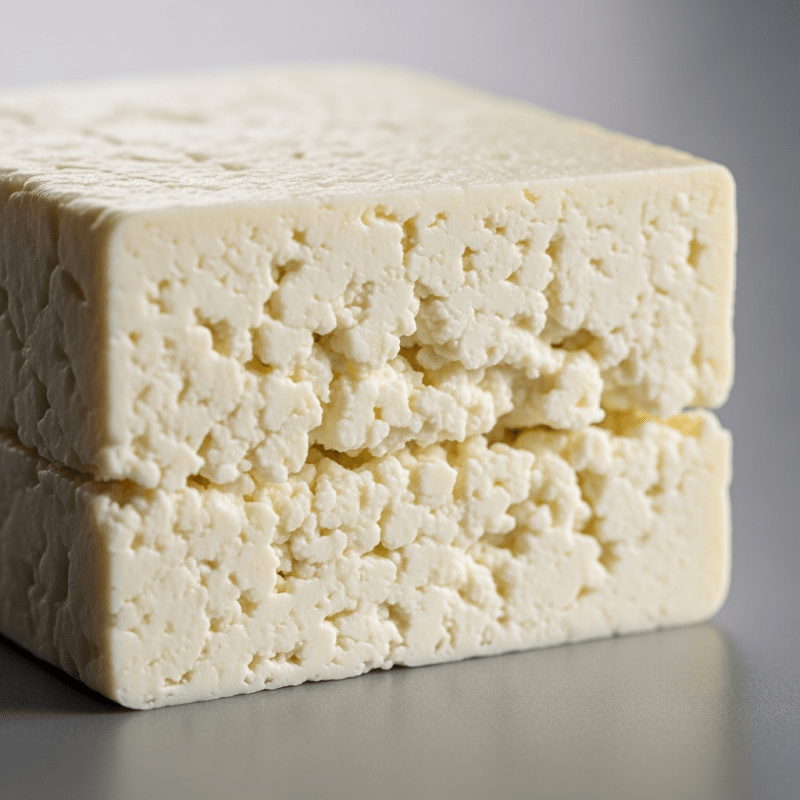
Soft cotton tee, unisex sizes
Buy ShirtPaneer holds a central place in South Asian vegetarian cuisine and is a symbol of hospitality and celebration in many households. It features prominently in classic dishes like palak paneer and paneer tikka, and is also used in festive sweets such as rasgulla and sandesh. Its vegetarian-friendly profile has made it a culinary icon, especially among communities that avoid animal rennet for religious or ethical reasons.
Paneer is made exclusively from cow or buffalo milk. The choice of milk influences its flavor and richness: buffalo milk yields a creamier, richer paneer, while cow milk produces a lighter, milder cheese. The absence of rennet ensures a pure, milky taste and makes paneer suitable for vegetarians.

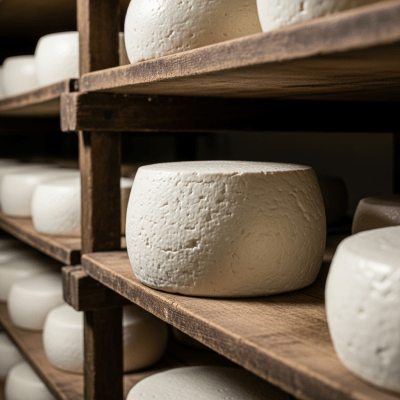
Paneer is produced by heating milk and adding a food acid—such as lemon juice, vinegar, or citric acid—to coagulate the curds. The curds are then drained and pressed into blocks, with no rennet or animal enzymes used at any stage. This acid-coagulation method sets paneer apart from rennet-set cheeses and results in its distinctive texture and flavor.
Paneer has a firm, slightly crumbly texture and a high moisture content (typically 50–60%). It does not develop a rind and is always sold as a fresh cheese. Its texture allows it to be sliced, cubed, or crumbled, and it remains intact during cooking.
Paneer is never aged or matured. It is consumed fresh, usually within days of production. The absence of aging preserves its mild flavor and soft texture, and ensures it does not develop the complex notes found in ripened cheeses.
Paneer does not have any protected designation of origin or regulatory status. Its production and naming are not governed by any national or international authority, making it widely accessible and adaptable across regions.
Paneer is commonly sold as fresh blocks, packaged slabs, or pre-cut cubes. It is available in local dairies, supermarkets, and specialty stores, often vacuum-sealed or wrapped to preserve freshness. Industrially produced paneer is typically found in refrigerated sections.