
Oaxaca
Oaxaca is a semi-soft, white, string cheese from Mexico, celebrated for its mild flavor and exceptional melting quality in traditional Mexican cuisine.
Oaxaca is a semi-soft, white, string cheese from Mexico, celebrated for its mild flavor and exceptional melting quality in traditional Mexican cuisine.
Oaxaca cheese originated in the southern Mexican state of Oaxaca, where Dominican monks adapted Italian mozzarella-making techniques in the late 19th or early 20th century using local cow’s milk. Though its production is rooted in regional tradition, Oaxaca does not hold any formal protected status and is regulated by Mexican standards. Its popularity has grown from a local staple to an internationally recognized cheese, reflecting the culinary heritage of Oaxaca and the broader Mexican food culture.
Oaxaca belongs to the family of semi-soft, fresh cheeses and is classified as a pasta filata or stretched-curd cheese, similar to Italian mozzarella. It is made exclusively from cow’s milk and is recognized for its stringy, elastic texture, setting it apart from other Mexican cheeses like queso fresco or asadero.
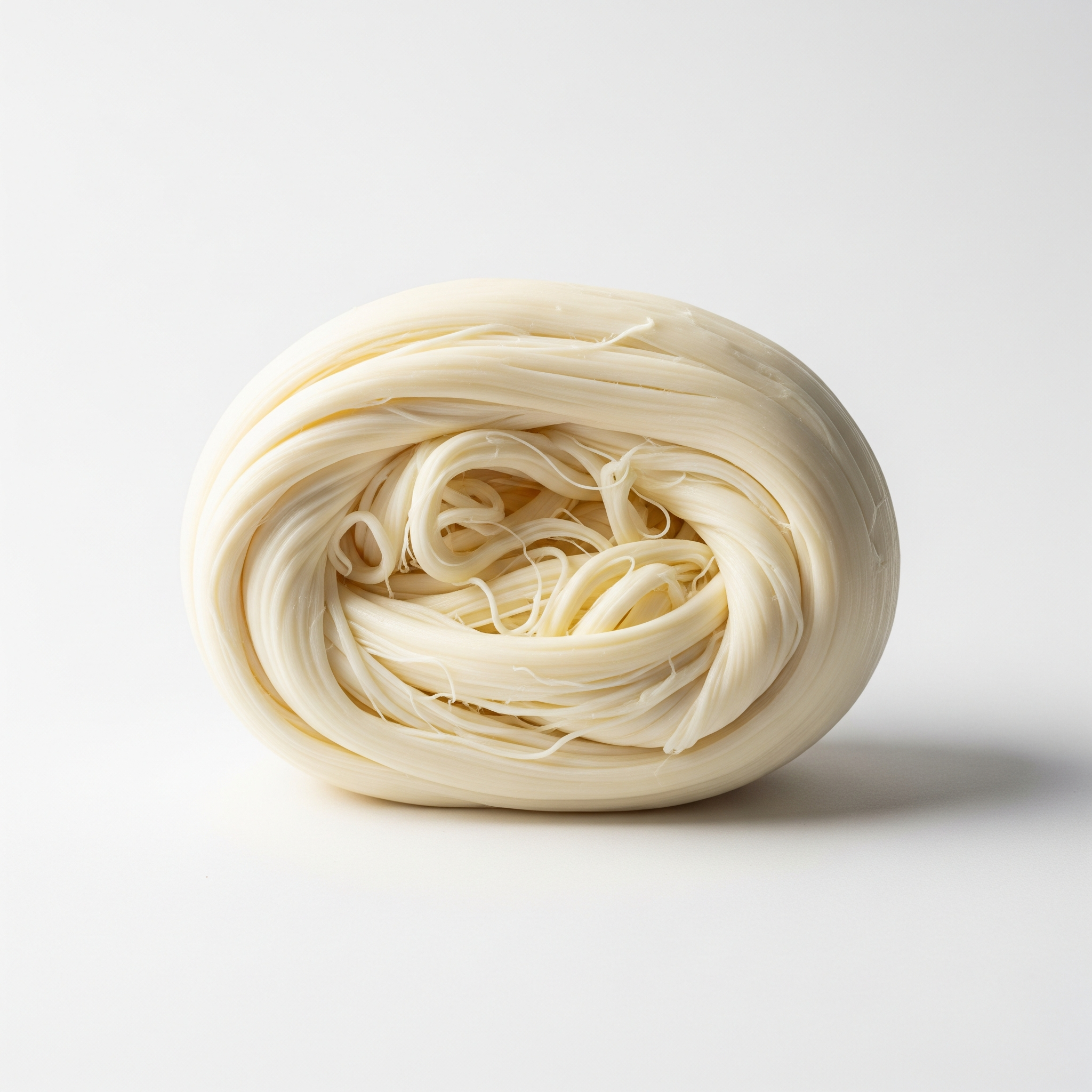
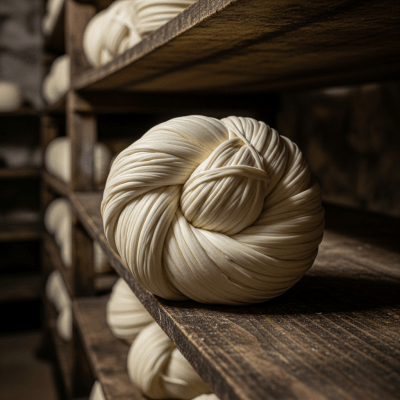
Oaxaca cheese is typically formed into long ribbons that are wound into balls or knots, giving it a distinctive, peelable structure. Its color ranges from white to pale ivory, and it has a moist, supple interior with no rind. The stringy texture is visually reminiscent of mozzarella, inviting diners to pull apart its layers by hand.
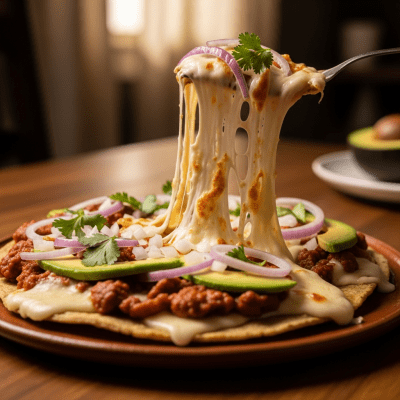
Oaxaca is prized for its excellent melting properties, making it a go-to ingredient for dishes that require a smooth, stretchy melt. It is commonly shredded, sliced, or pulled apart for use in quesadillas, tlayudas, empanadas, and enchiladas, and is also enjoyed fresh as a table cheese. Its mild, buttery flavor allows it to complement a wide range of ingredients without overpowering them.
Bring this kind into your world illustrated posters, mugs, and shirts.
Archival print, museum-grade paper
Buy Poster
Stoneware mug, dishwasher safe
Buy Mug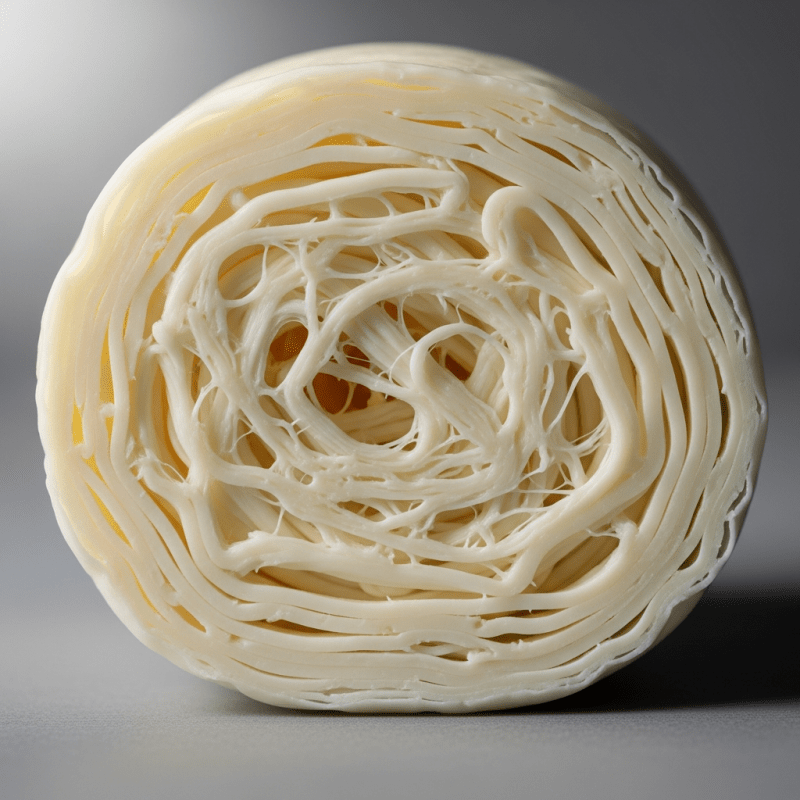
Soft cotton tee, unisex sizes
Buy ShirtOaxaca cheese, also known as "quesillo," is a culinary icon in southern Mexico and a symbol of regional pride. It features prominently in local festivals, street food, and family gatherings, embodying the fusion of indigenous and European cheese-making traditions. Its role in classic dishes like tlayudas and quesadillas has made it an essential part of Mexican food culture, and its growing presence abroad highlights the global appreciation for authentic Mexican flavors.
Oaxaca cheese is made exclusively from cow’s milk, which imparts a mild, creamy flavor and contributes to its supple, elastic texture and excellent melting qualities.

Oaxaca is crafted using the pasta filata (stretched-curd) technique, where curds from pasteurized or raw cow’s milk are heated and stretched into long ribbons. These ribbons are then wound into balls or knots, resulting in the cheese’s characteristic stringy, peelable structure. The cheese is typically consumed fresh, with minimal aging.
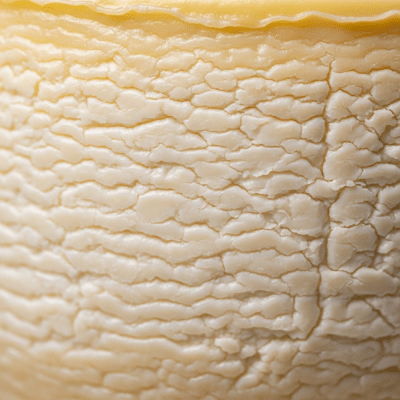
Oaxaca has a semi-soft, elastic, and stringy texture that can be pulled apart by hand. It is moist and supple, with no rind, and its interior is smooth and peelable, making it ideal for melting and shredding.
Oaxaca cheese is a fresh cheese, usually aged less than a week. This brief maturation preserves its high moisture content and delicate flavor, ensuring a soft, elastic texture and optimal melting ability.
Oaxaca cheese does not currently hold any protected designation of origin (PDO, PGI, or similar) and is regulated primarily by local Mexican standards.
Oaxaca is most commonly sold in balls or knots, often wrapped in banana leaves or plastic to preserve freshness. These forms highlight its stringy, peelable nature and make it easy to portion for culinary use.
When selecting Oaxaca cheese, look for balls or knots with a moist, supple texture and a clean, fresh aroma. To preserve its freshness and prevent drying out, keep it refrigerated and tightly wrapped in plastic or wax paper. If available, choose cheese wrapped in banana leaves for added aroma and authenticity. Consume promptly after opening, as Oaxaca is best enjoyed fresh.