Munster
Munster is a celebrated French washed rind cheese made from cow’s milk, renowned for its pungent aroma, creamy texture, and vivid orange rind, and protected by both AOC and PDO designations.
Munster is a celebrated French washed rind cheese made from cow’s milk, renowned for its pungent aroma, creamy texture, and vivid orange rind, and protected by both AOC and PDO designations.
Munster traces its origins to the Vosges mountains in the Alsace and Lorraine regions of northeastern France. Its story begins in the 7th century, when Benedictine monks introduced cheese-making traditions to the area, naming the cheese after the town of Munster in Haut-Rhin, Alsace. Over centuries, Munster became a regional staple, earning Appellation d’Origine Contrôlée (AOC) status in 1969 and later European Protected Designation of Origin (PDO) recognition, which safeguard its authentic production and geographic roots.
Munster belongs to the family of washed rind, semi-soft cheeses. This classification is defined by its brine-washed rind, supple interior, and robust flavor profile. Within the broader cheese taxonomy, Munster stands out as a classic example of French regional washed rind cheeses, sharing kinship with other pungent, aromatic varieties but distinguished by its protected status and specific geographic origin.
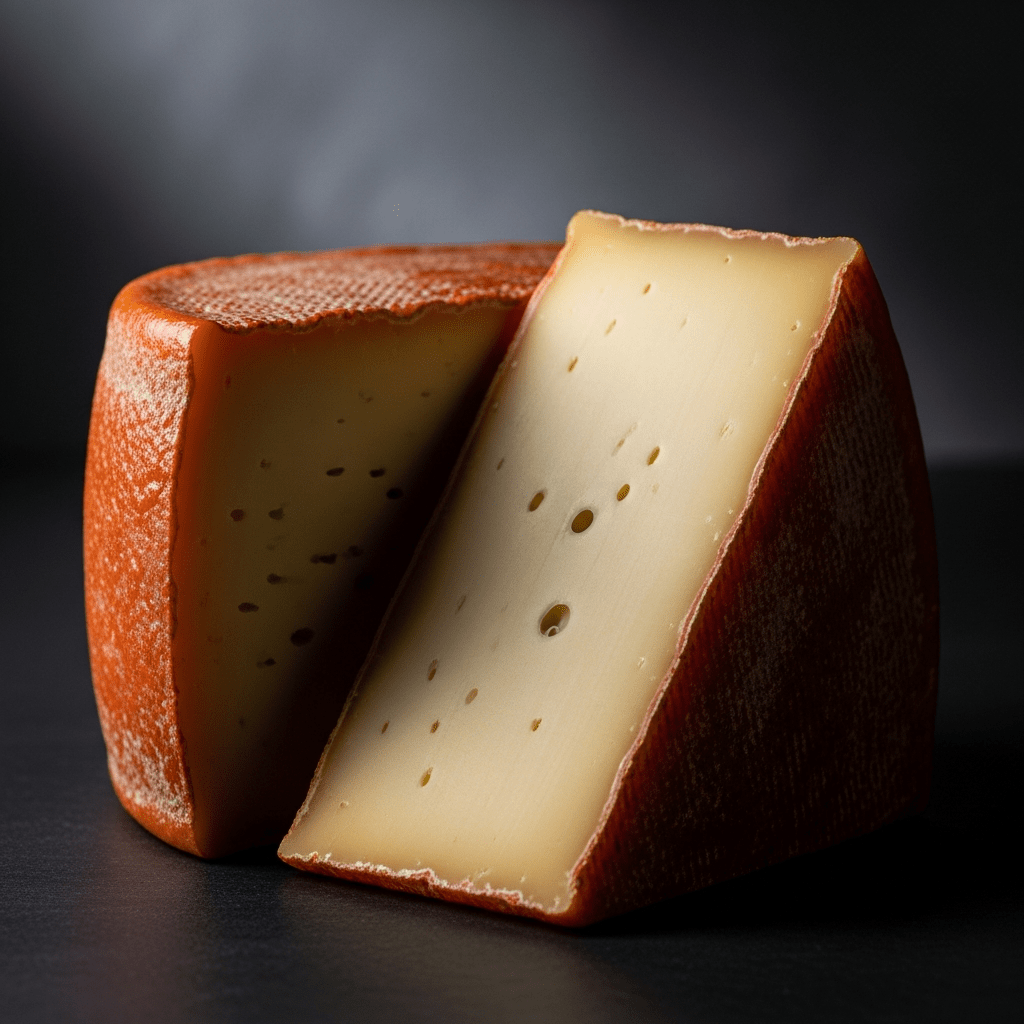
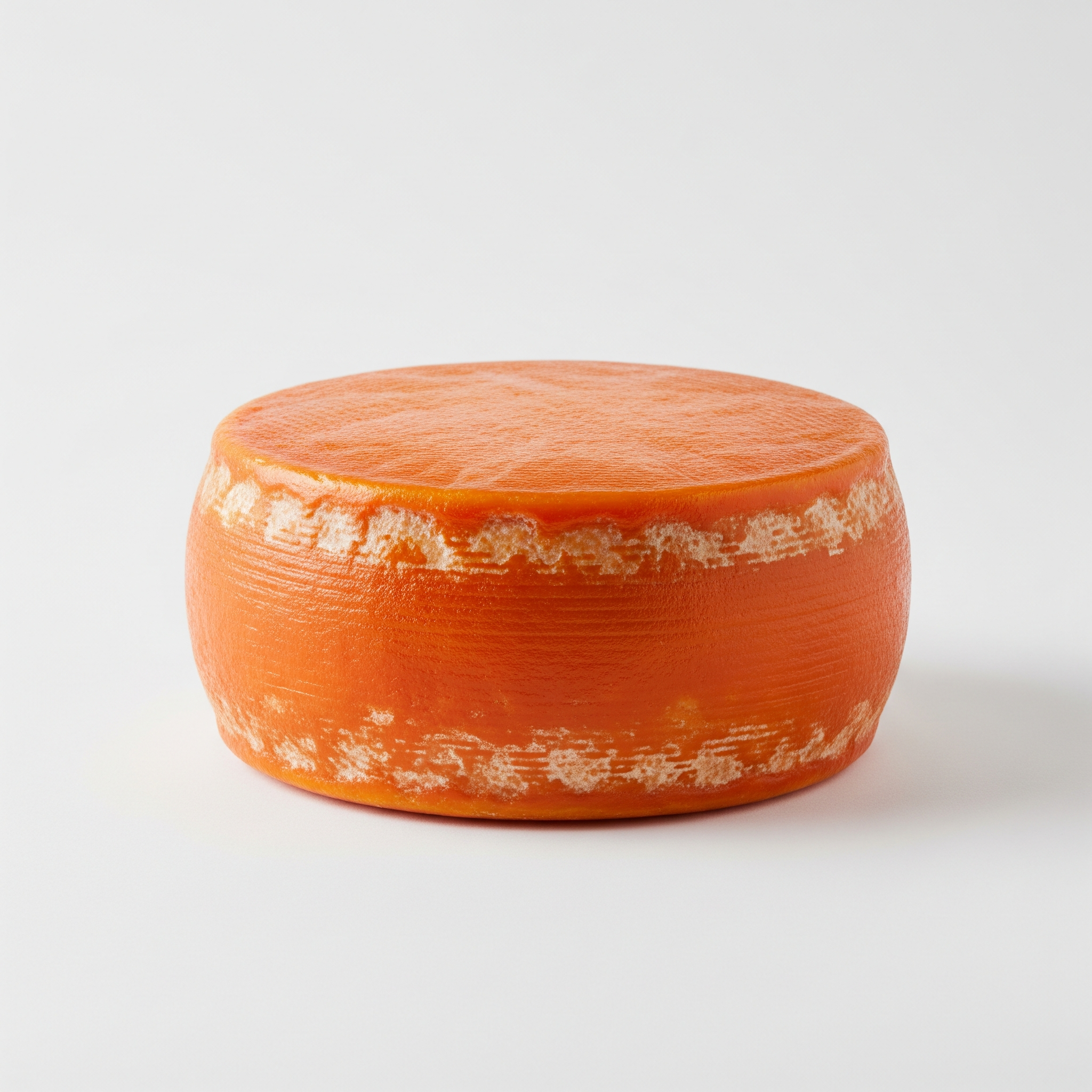
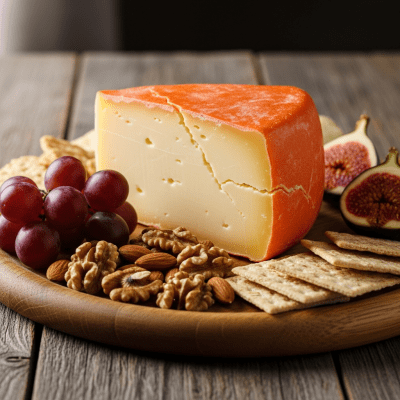
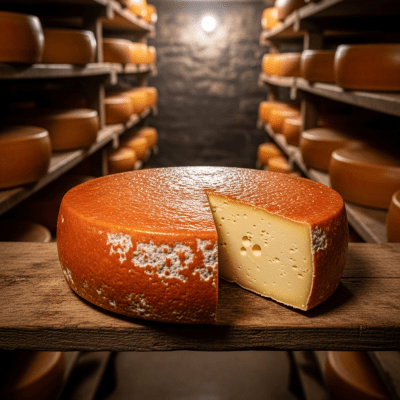
Munster is typically shaped into small, round discs ranging from 7 to 19 cm in diameter and 2 to 8 cm thick, weighing between 150 grams and 1.5 kilograms. Its rind is striking—smooth, sticky, and colored orange to reddish due to repeated brine washes and occasional use of annatto. The interior is creamy, pale, and supple, offering a soft, yielding texture that contrasts with the vivid exterior. The cheese’s aroma is unmistakably pungent, a hallmark of its washed rind style.
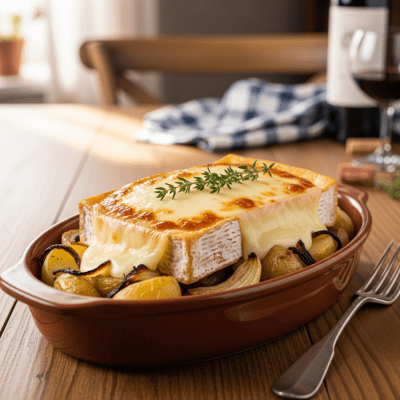
Munster is enjoyed both as a table cheese and in cooking. Its robust flavor and creamy texture make it a centerpiece on cheese platters, while its meltability lends itself to rustic regional dishes. Munster interacts with its environment through its aging process, developing a strong aroma and flavor that intensifies over time. It is often paired with hearty breads, potatoes, and local wines, serving as a culinary bridge between tradition and contemporary taste.
Bring this kind into your world illustrated posters, mugs, and shirts.
Archival print, museum-grade paper
Buy Poster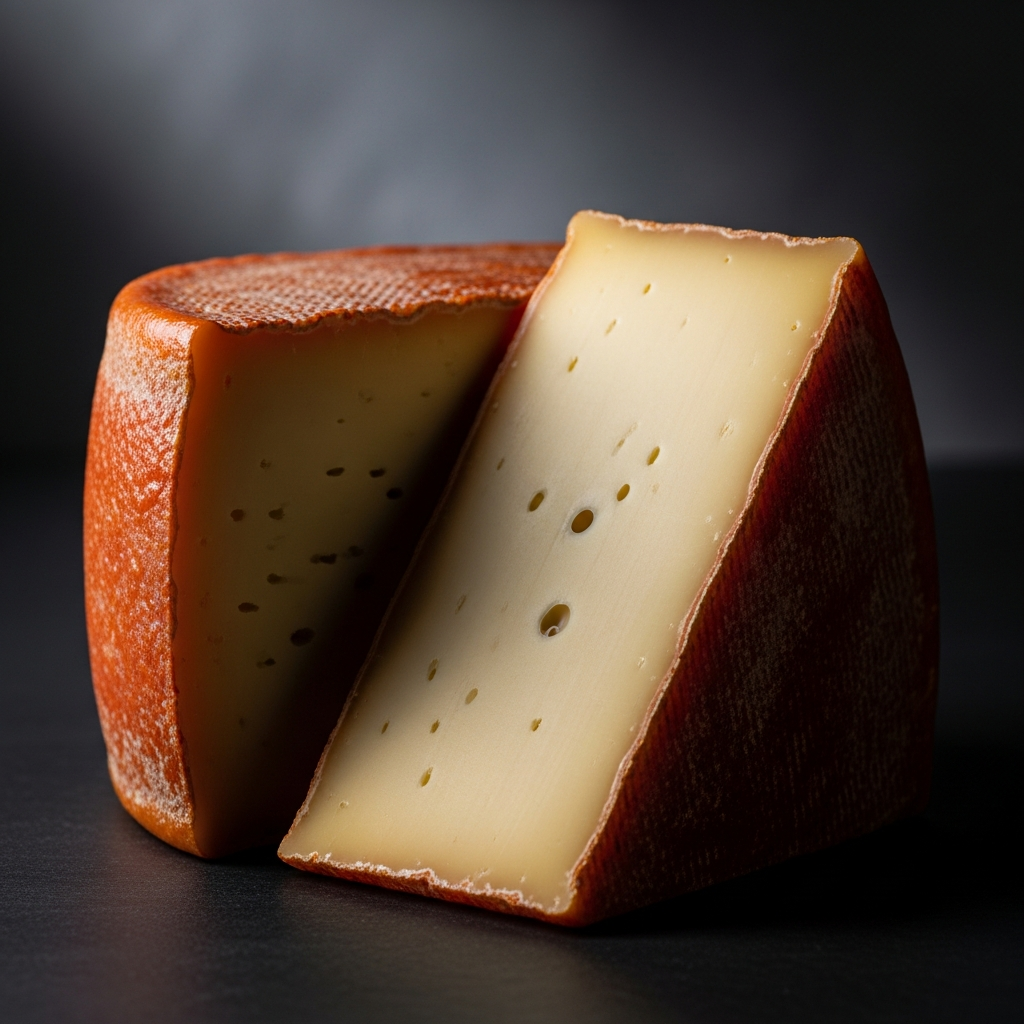
Stoneware mug, dishwasher safe
Buy Mug
Soft cotton tee, unisex sizes
Buy ShirtMunster is deeply woven into the cultural fabric of Alsace and Lorraine, representing centuries of monastic heritage and rural craftsmanship. It is a symbol of regional pride, featured in local festivals, traditional recipes, and even art. The cheese’s protected status underscores its importance as a culinary treasure, and its distinctive aroma and flavor have made it a subject of both admiration and legend in French gastronomy.
Munster is made exclusively from cow’s milk, traditionally sourced from the Vosgienne breed native to the Vosges mountains. The rich, creamy milk imparts a supple texture and earthy depth to the cheese, contributing to its signature flavor and mouthfeel.

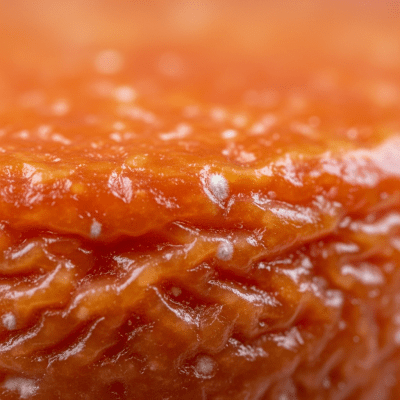
Munster is crafted using unpressed, uncooked curds that are ladled into molds and drained naturally. The cheese’s rind is washed repeatedly with brine—sometimes enhanced with annatto or other coloring agents—which develops its vivid orange hue and distinctive aroma. This process, combined with careful aging, creates Munster’s characteristic texture and flavor.
Munster’s texture is semi-soft to soft, with a creamy, supple interior and a smooth, sticky surface. The washed rind is orange to reddish, emitting a strong, pungent aroma that signals its bold flavor. The high moisture content ensures a luscious mouthfeel, while the rind’s repeated brine washes cultivate both color and complexity.
Munster is aged for a minimum of 21 days for smaller formats and up to 2–3 months for larger wheels. As the cheese matures, its flavor becomes more intense and earthy, while the aroma grows increasingly pungent. Proper aging is crucial, as over-ripening can lead to excessive ammonia notes, making timely consumption important for optimal enjoyment.
Munster holds both Appellation d’Origine Contrôlée (AOC) and European Protected Designation of Origin (PDO) status. These protections, overseen by the Institut National de l’Origine et de la Qualité (INAO) and the EU PDO Registry, guarantee that Munster is produced according to strict traditional methods within its designated geographic area, preserving its authenticity and heritage.
Munster is available in whole wheels or in portions, catering to both artisanal and industrial markets. Packaging typically highlights its protected status, and the cheese may be sold fresh from the affineur or pre-packed for retail, ensuring accessibility for a range of consumers.
When selecting Munster, look for a vibrant orange rind and a creamy, supple interior. Purchase from reputable sources to ensure authenticity. Store Munster in the refrigerator, wrapped loosely in wax paper or cheese paper to allow it to breathe and retain moisture. Consume promptly, as over-ripening can lead to strong ammonia aromas; for best flavor, bring to room temperature before serving.