Mozzarella
Mozzarella is a classic Italian cheese renowned for its soft, elastic texture, mild flavor, and exceptional melting qualities, making it a staple in both traditional and modern cuisine worldwide.
Mozzarella is a classic Italian cheese renowned for its soft, elastic texture, mild flavor, and exceptional melting qualities, making it a staple in both traditional and modern cuisine worldwide.
Mozzarella traces its roots to Southern Italy, especially the regions of Campania and Lazio, with historical records dating back to the 12th century. Its name comes from the Italian verb “mozzare,” meaning “to cut,” a nod to the hand-cutting of curds during its artisanal production. The most esteemed variant, Mozzarella di Bufala Campana, is crafted from water buffalo milk and is protected by the European Union’s PDO status, ensuring authenticity and regional integrity. While the buffalo milk tradition remains strong in Italy, cow’s milk mozzarella—known as Fior di Latte—has become widespread globally.
Mozzarella belongs to the family of fresh cheeses, characterized by high moisture content and minimal aging. Within the broader cheese taxonomy, it is classified by its milk source (buffalo or cow), its pasta filata (stretched-curd) production method, and its unripened nature. The cheese exists in both fresh and low-moisture forms, each suited to different culinary applications and markets.
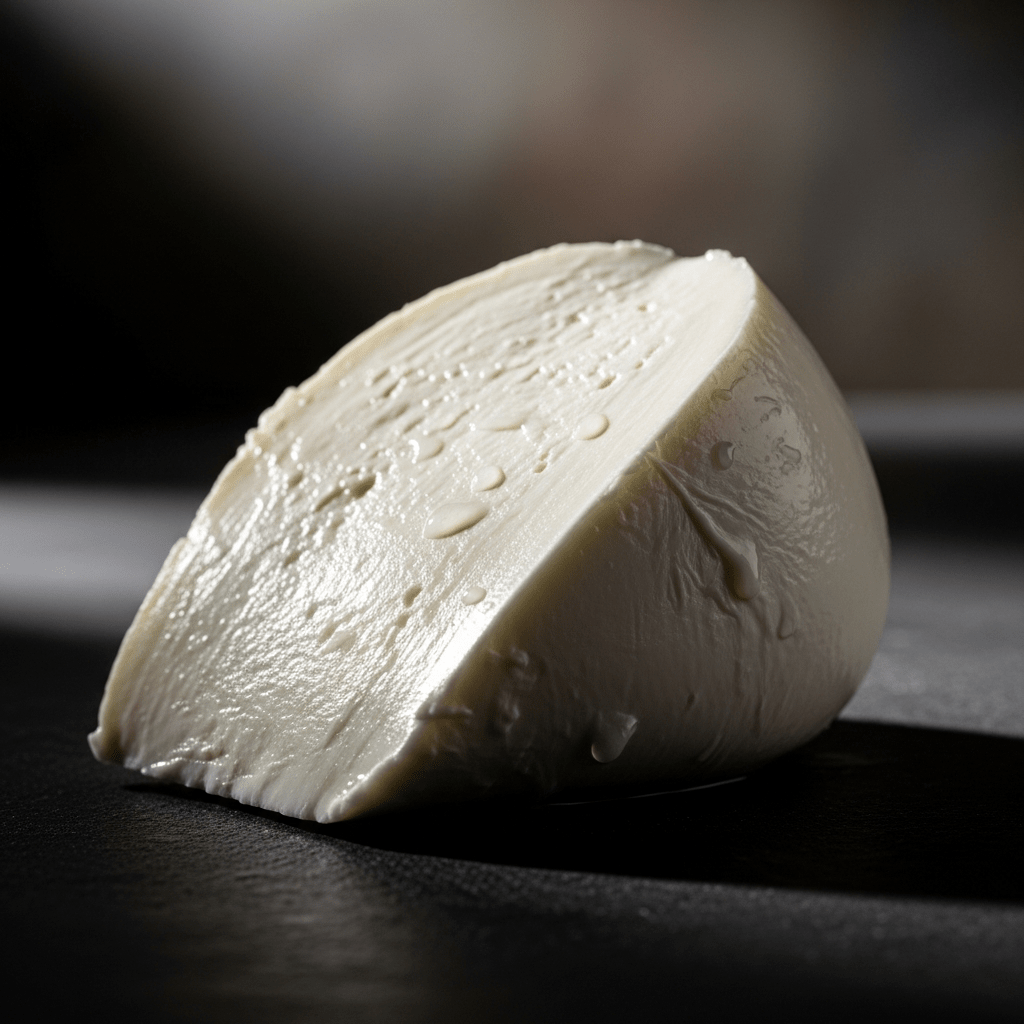
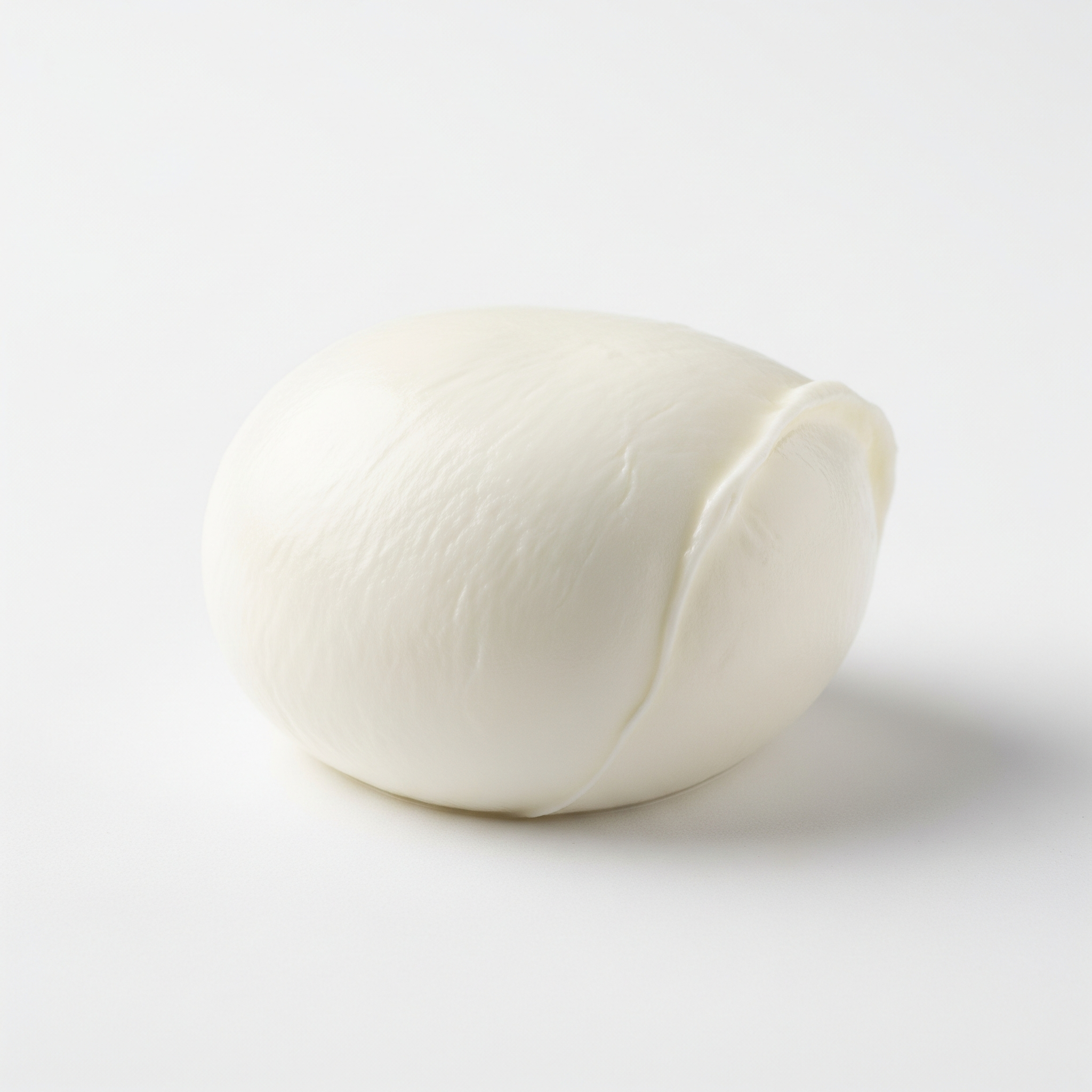
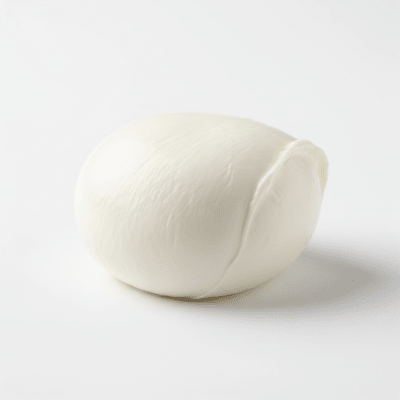
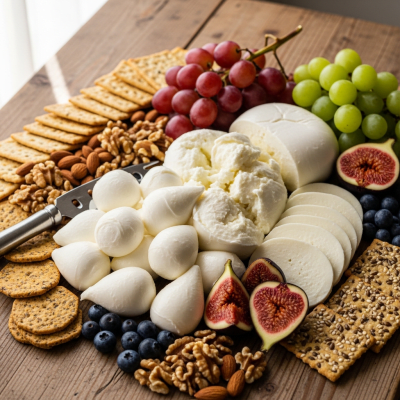
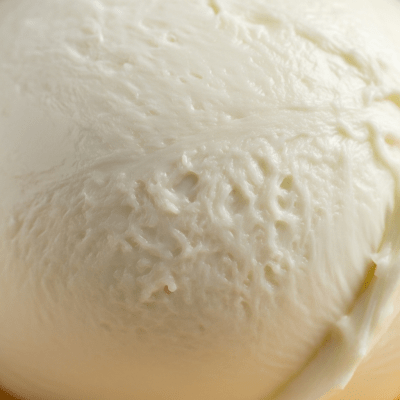
Mozzarella is typically pure white with a porcelain sheen, shaped into smooth balls, logs, or small bocconcini. Its surface is rindless and glossy, while the interior is soft, moist, and elastic. The cheese ranges in size from bite-sized bocconcini (20–30g) to large balls (up to 500g), and can also be found in braided forms (treccia) or as shredded and block varieties for cooking.
Mozzarella’s hallmark is its superb meltability and stretch, making it indispensable for pizza, lasagna, and other baked dishes. Fresh mozzarella is prized for its delicate, milky flavor and creamy texture, often enjoyed raw in salads or lightly cooked. Low-moisture mozzarella is preferred for commercial baking due to its ability to brown and maintain structure under heat. The cheese’s versatility extends from classic Italian recipes to global fusion cuisine.
Bring this kind into your world illustrated posters, mugs, and shirts.
Archival print, museum-grade paper
Buy Poster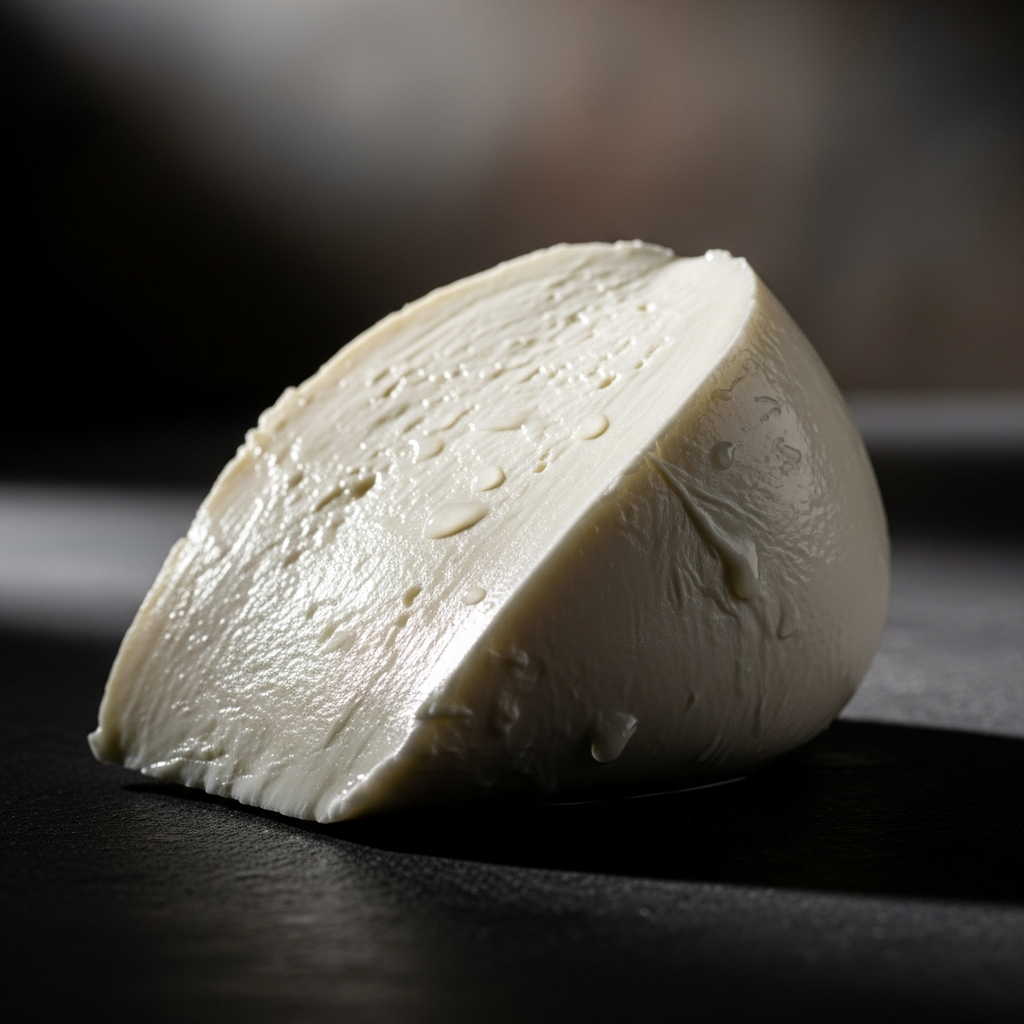
Stoneware mug, dishwasher safe
Buy Mug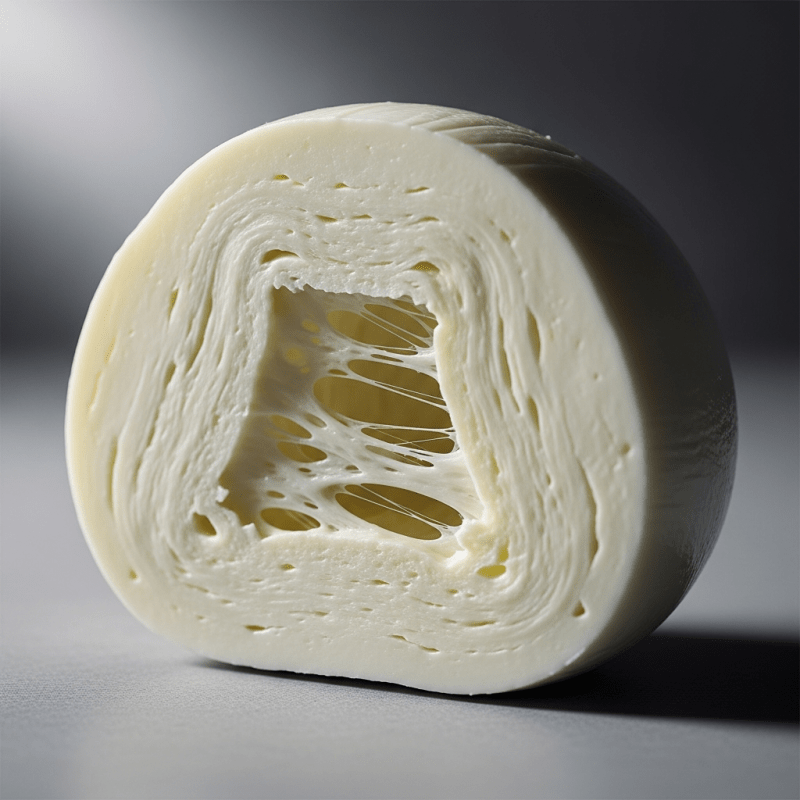
Soft cotton tee, unisex sizes
Buy ShirtMozzarella is iconic in Italian culture, symbolizing culinary heritage and artisanal craftsmanship. It stars in the classic pizza Margherita and the vibrant caprese salad, both emblems of Italian gastronomy. Its protected status as Mozzarella di Bufala Campana underscores its cultural and regional importance, while its global popularity has made it a culinary ambassador for Italy, celebrated in food festivals, art, and popular media.
Mozzarella is traditionally made from water buffalo milk, imparting a rich, creamy flavor and soft texture. Today, cow’s milk is commonly used, especially outside Italy, producing a milder cheese known as Fior di Latte. The choice of milk source influences both taste and authenticity, with buffalo milk variants considered the gold standard for flavor and texture.
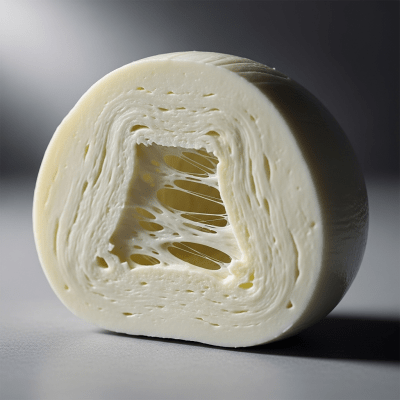

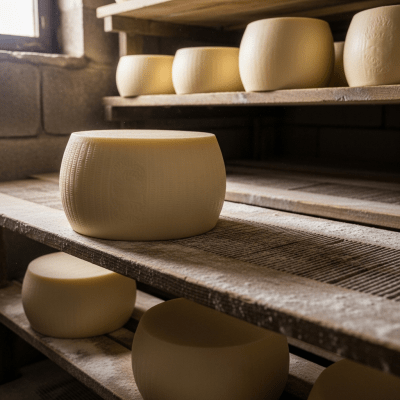
Mozzarella is crafted using the pasta filata or stretched-curd technique. After coagulating the milk with rennet, the curds are heated and repeatedly stretched and kneaded until they achieve an elastic, smooth consistency. The cheese is then shaped—by hand or machine—into balls, logs, or braids, and immersed in brine or whey to maintain moisture and freshness. Industrial production often uses pasteurized cow’s milk, while artisanal versions may employ raw buffalo milk.
Mozzarella’s texture is soft, moist, and distinctly elastic, allowing it to stretch and melt beautifully. The cheese is entirely rindless, featuring a smooth, glossy surface. Fresh mozzarella is juicy and tender, while low-moisture types are firmer and suitable for grating and baking.
Mozzarella is typically consumed fresh, within days of production, to preserve its delicate flavor and supple texture. Low-moisture mozzarella undergoes brief aging to reduce water content, enhancing its meltability and shelf life. Unlike aged cheeses, mozzarella’s flavor remains mild and milky, with minimal development over time.
Mozzarella di Bufala Campana holds PDO (Protected Designation of Origin) status under the European Union, regulated by the Consorzio di Tutela Mozzarella di Bufala Campana and the EU PDO Registry. This designation ensures that only cheese produced in specific regions of Italy from buffalo milk can bear the name. Cow’s milk mozzarella (Fior di Latte) is not PDO-protected and is produced worldwide.