Monterey Jack
Monterey Jack is a semi-hard American cheese made from cow’s milk, prized for its mild flavor, creamy texture, and exceptional melting qualities.
Monterey Jack is a semi-hard American cheese made from cow’s milk, prized for its mild flavor, creamy texture, and exceptional melting qualities.
Monterey Jack traces its roots to Monterey, California, where Spanish Franciscan friars first crafted a similar cheese in the 19th century. The cheese gained its name and commercial popularity in the 1880s thanks to David Jacks, a local businessman who marketed it widely. While its precise first production date remains uncertain, Monterey Jack’s rise as a staple of American cheese culture began in the late 1800s, with no official protected designation but broad recognition and regulation under U.S. dairy standards.
Monterey Jack belongs to the semi-hard cheese category, characterized by its moderate moisture and supple texture. It is made exclusively from cow’s milk and fits within the broader family of American cheeses, often compared to other melting cheeses but distinguished by its mildness and versatility. It is neither mold-ripened nor brined, and its variants include aged and flavored forms such as Dry Jack and Pepper Jack.
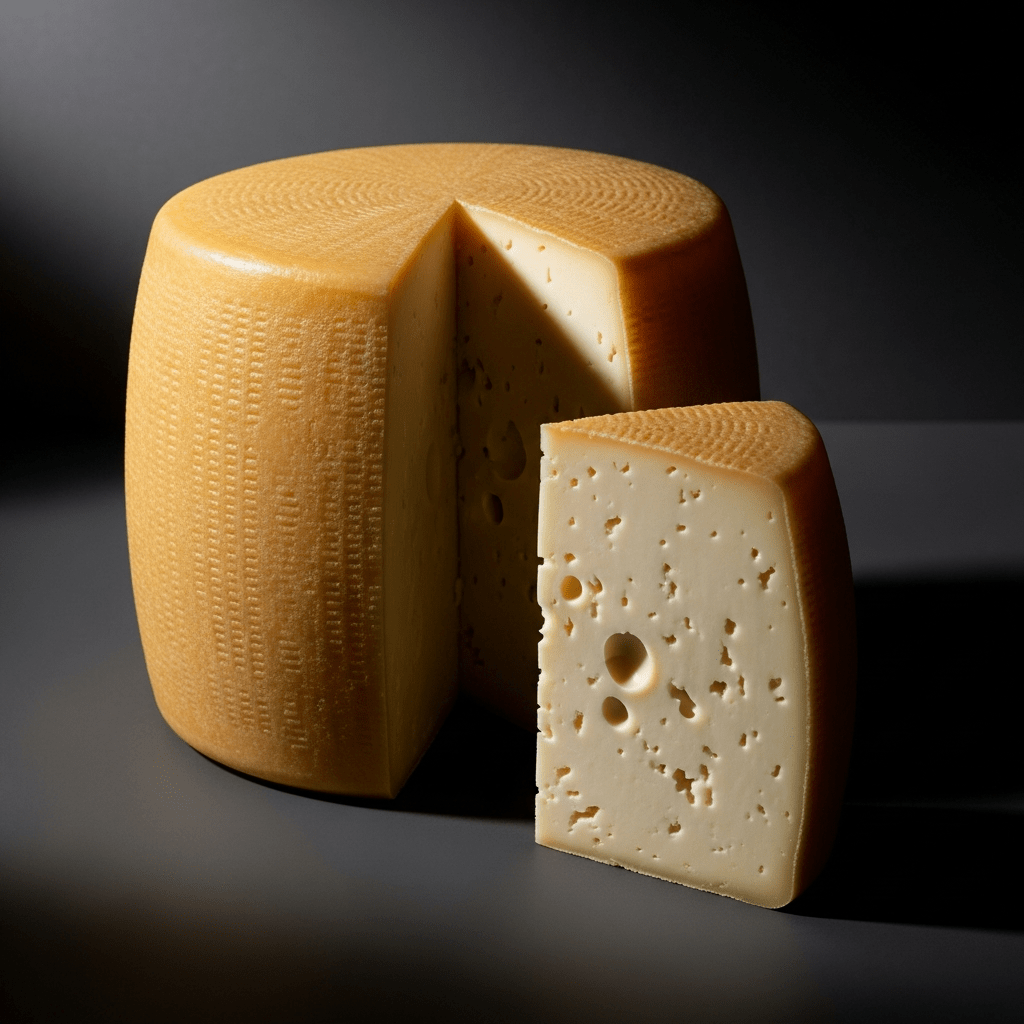
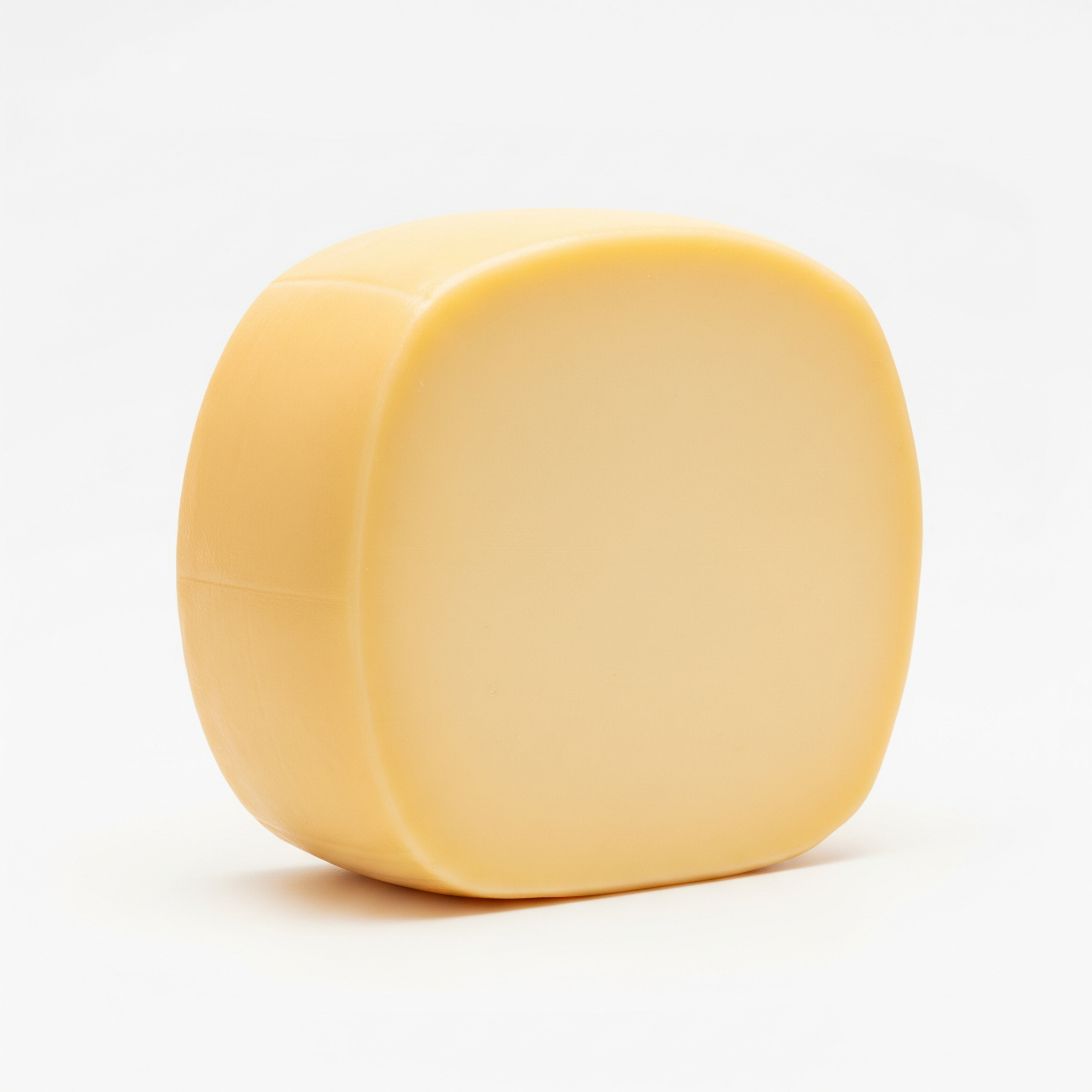
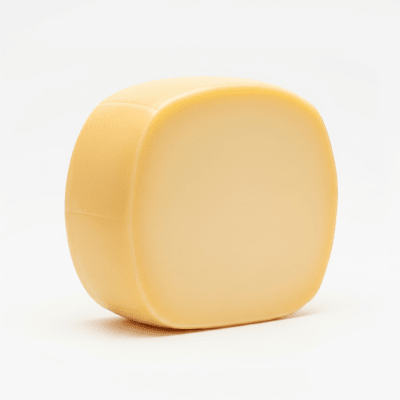
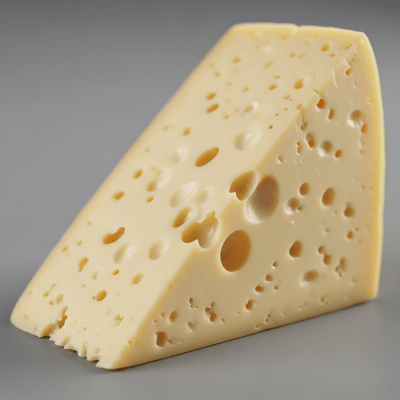
This cheese typically appears as pale ivory to white blocks or wheels. Its surface is smooth and creamy, sometimes featuring a thin natural rind in artisanal varieties, though most commercial Monterey Jack has no rind. The interior is supple and slightly springy, with a uniform, moist appearance that signals its freshness and high moisture content.
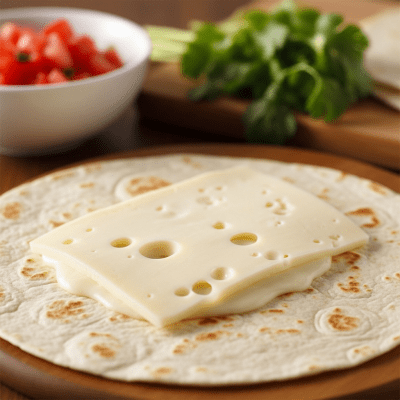
Monterey Jack is celebrated for its excellent melting properties, making it a favorite for hot dishes where smooth, even melt is essential. It resists oil separation when heated, ensuring creamy, cohesive results in cooking. Its mild flavor allows it to blend seamlessly with other ingredients, making it a versatile choice for both table service and culinary applications.
Bring this kind into your world illustrated posters, mugs, and shirts.
Archival print, museum-grade paper
Buy Poster
Stoneware mug, dishwasher safe
Buy Mug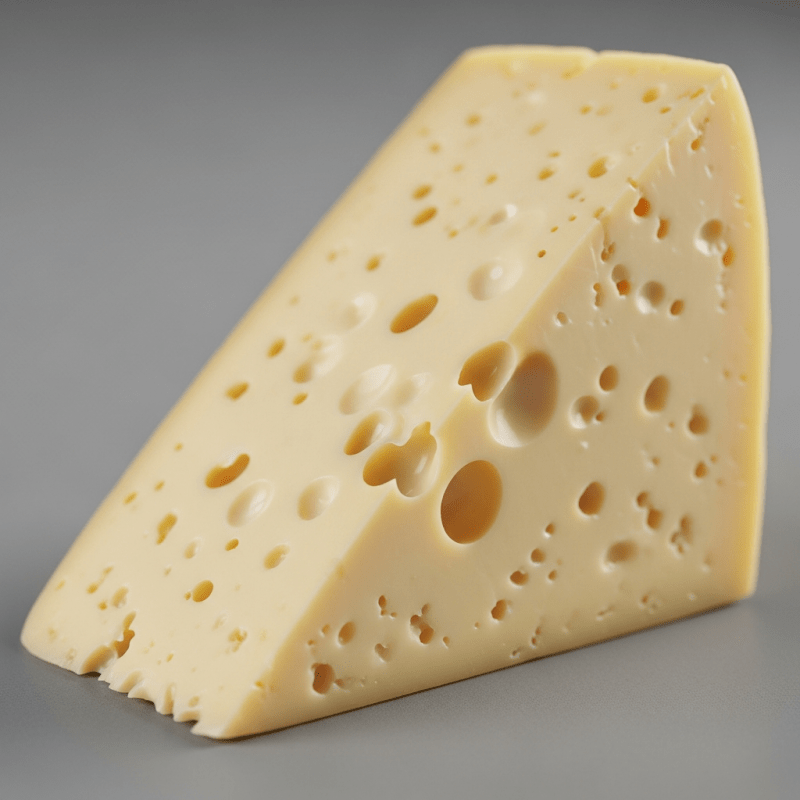
Soft cotton tee, unisex sizes
Buy ShirtAs a foundational cheese in American cuisine, Monterey Jack is deeply woven into the culinary identity of California and the broader United States. It features prominently in Mexican and Tex-Mex dishes, symbolizing the fusion of Spanish, Mexican, and American food traditions. Its variants, like Pepper Jack, have become icons in their own right, reflecting regional tastes and the spirit of innovation in American cheesemaking.
Monterey Jack is made exclusively from cow’s milk, typically pasteurized. This milk source imparts a mild, buttery flavor and creamy texture, making the cheese approachable and versatile for a wide range of palates.


The cheese is produced by pressing curds, usually from pasteurized cow’s milk. It is neither cooked nor aged in brine, though some artisanal varieties may be briefly brined or use raw milk. No mold-ripening or washed rind techniques are involved, resulting in a clean, mild cheese with a smooth texture.
Monterey Jack offers a smooth, supple, and creamy texture, with high moisture content (around 44–45%). Most commercial varieties lack a rind, while artisanal versions may develop a thin natural rind. The cheese is easy to slice, shred, or melt, and its interior remains moist and pliable.
Monterey Jack is typically aged for 1 to 6 months. Younger cheeses are milder and creamier, while extended aging produces Dry Jack, which is firmer and more robust in flavor. Maturation deepens the taste and texture, allowing for greater culinary versatility.
Monterey Jack does not hold any official protected designation of origin or status. It is regulated under general U.S. dairy standards, with oversight from organizations such as the FDA and the American Cheese Society.
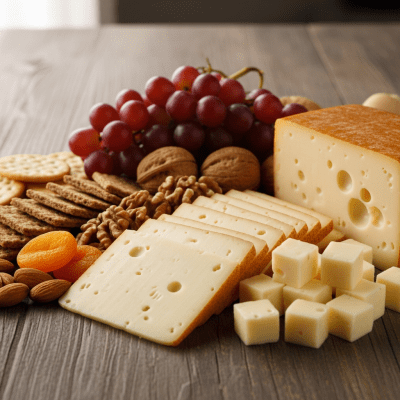
Monterey Jack is widely available in blocks, wheels, shredded, and sliced formats. Flavored varieties, such as Pepper Jack, and aged versions like Dry Jack, are also commonly found in supermarkets and specialty stores.
Choose Monterey Jack with a fresh, creamy appearance and no signs of dryness or cracking. Store tightly wrapped in the refrigerator to preserve moisture and prevent spoilage. For best flavor and texture, use within a week of opening, and avoid freezing, as this can alter its creamy consistency.