Mimolette
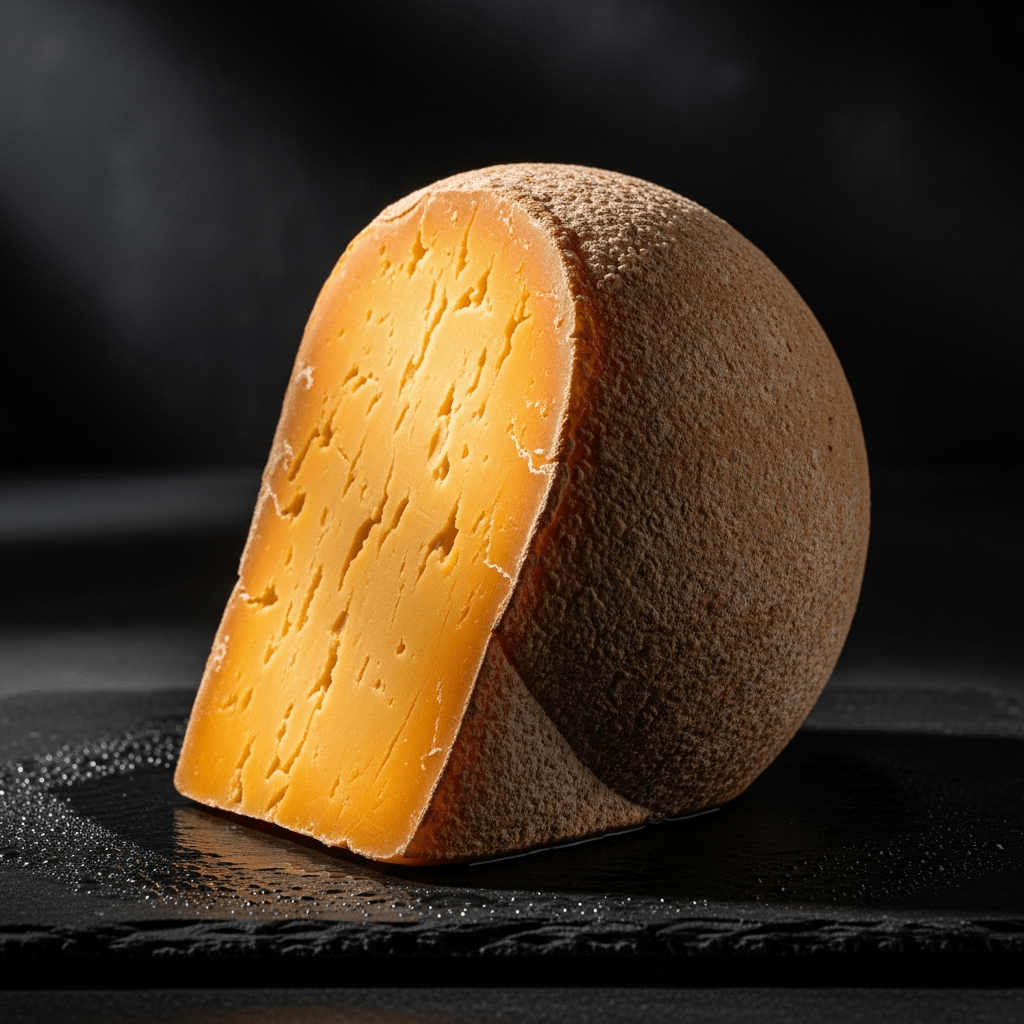
Mimolette is a hard, cow’s milk cheese from northern France, instantly recognizable for its vivid orange interior, spherical shape, and distinctive nutty, caramelized flavor.
Mimolette is a hard, cow’s milk cheese from northern France, instantly recognizable for its vivid orange interior, spherical shape, and distinctive nutty, caramelized flavor.
Mimolette traces its roots to Lille in the Nord-Pas-de-Calais region of France, where it was first crafted in the 17th century as a local alternative to Dutch Edam amid import restrictions. The cheese, often called "Boule de Lille," reflects French ingenuity and regional pride, evolving into a specialty product closely tied to northern French culinary heritage.
Mimolette belongs to the family of hard cheeses, made exclusively from cow’s milk. Its classification is anchored in its firm, crumbly texture, long aging process, and French origin, distinguishing it from semi-hard varieties and its Dutch cousin, Edam.
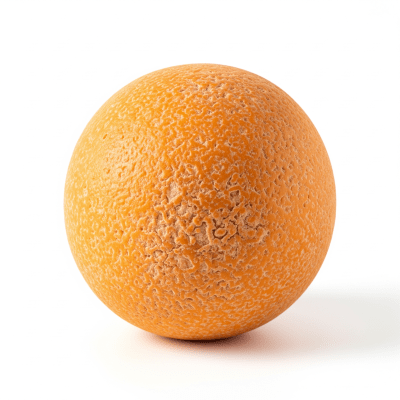
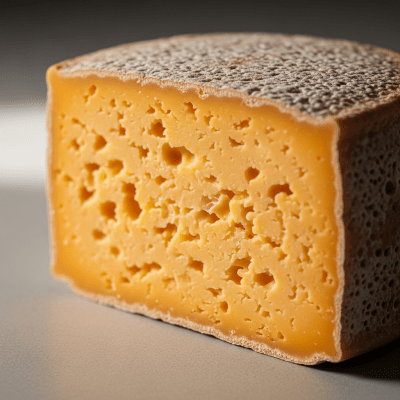
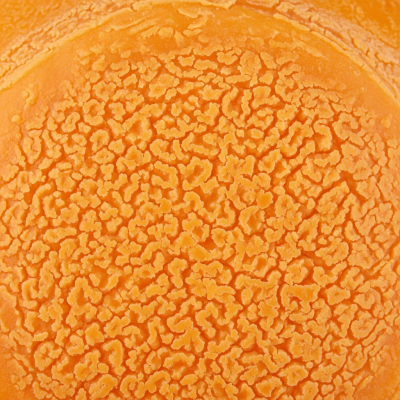
Mimolette is formed into large, spherical balls weighing between 1.5 and 4 kg, with a diameter of about 20 cm. Its thick, rough, grayish-brown rind is pitted and uneven, a result of cheese mites introduced during aging. Inside, the paste is intensely orange—thanks to annatto—and appears dry, firm, and crumbly.
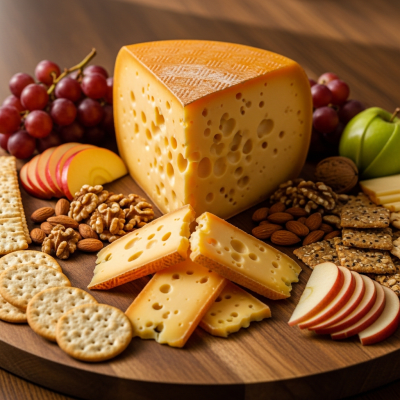
Mimolette is enjoyed both as a table cheese and a versatile culinary ingredient. Young wheels are mild and slice easily for snacking, while aged versions are grated over salads, pastas, or used in savory pastries. Its striking color and texture make it a centerpiece on cheese boards and in gourmet presentations.
Bring this kind into your world illustrated posters, mugs, and shirts.
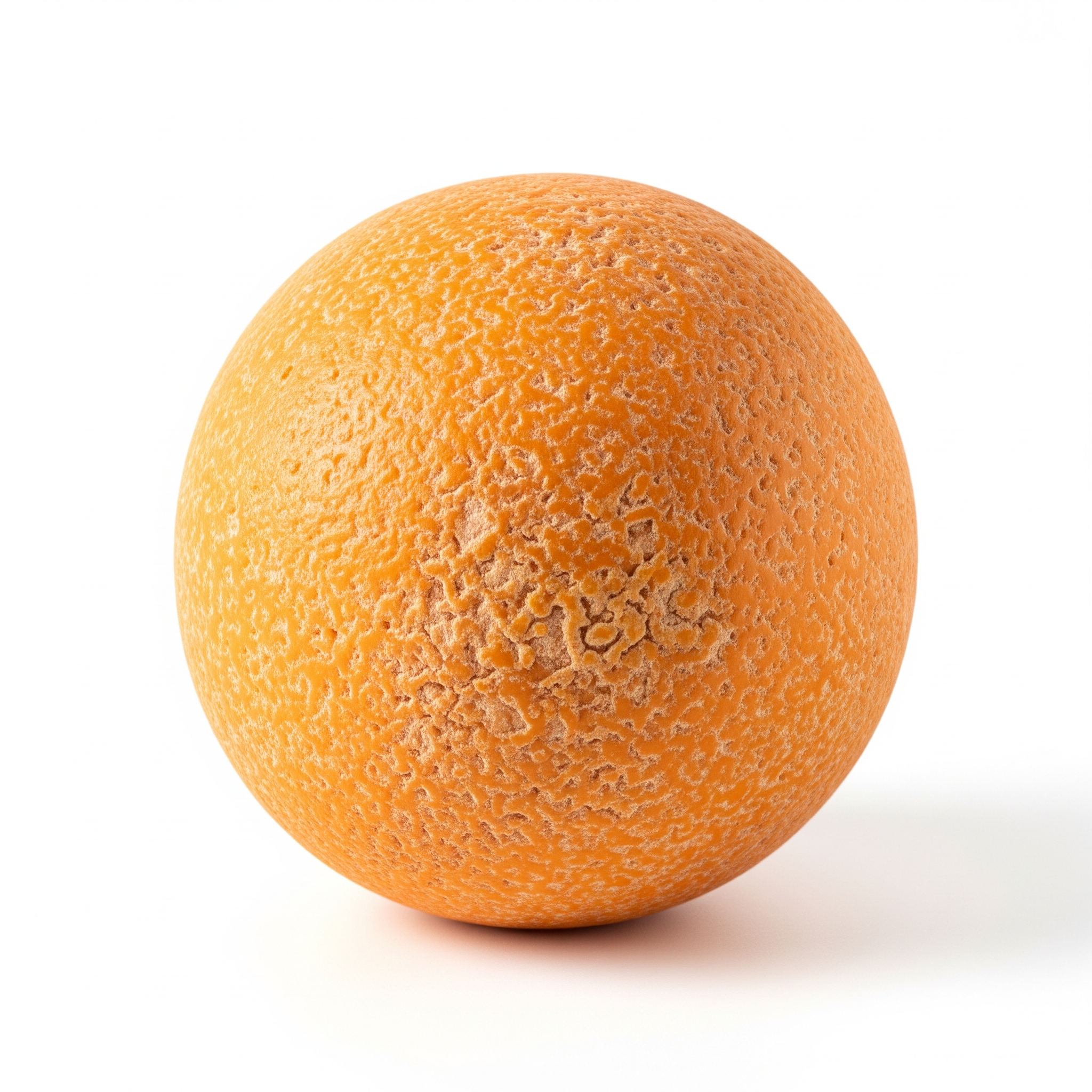
Archival print, museum-grade paper
Buy Poster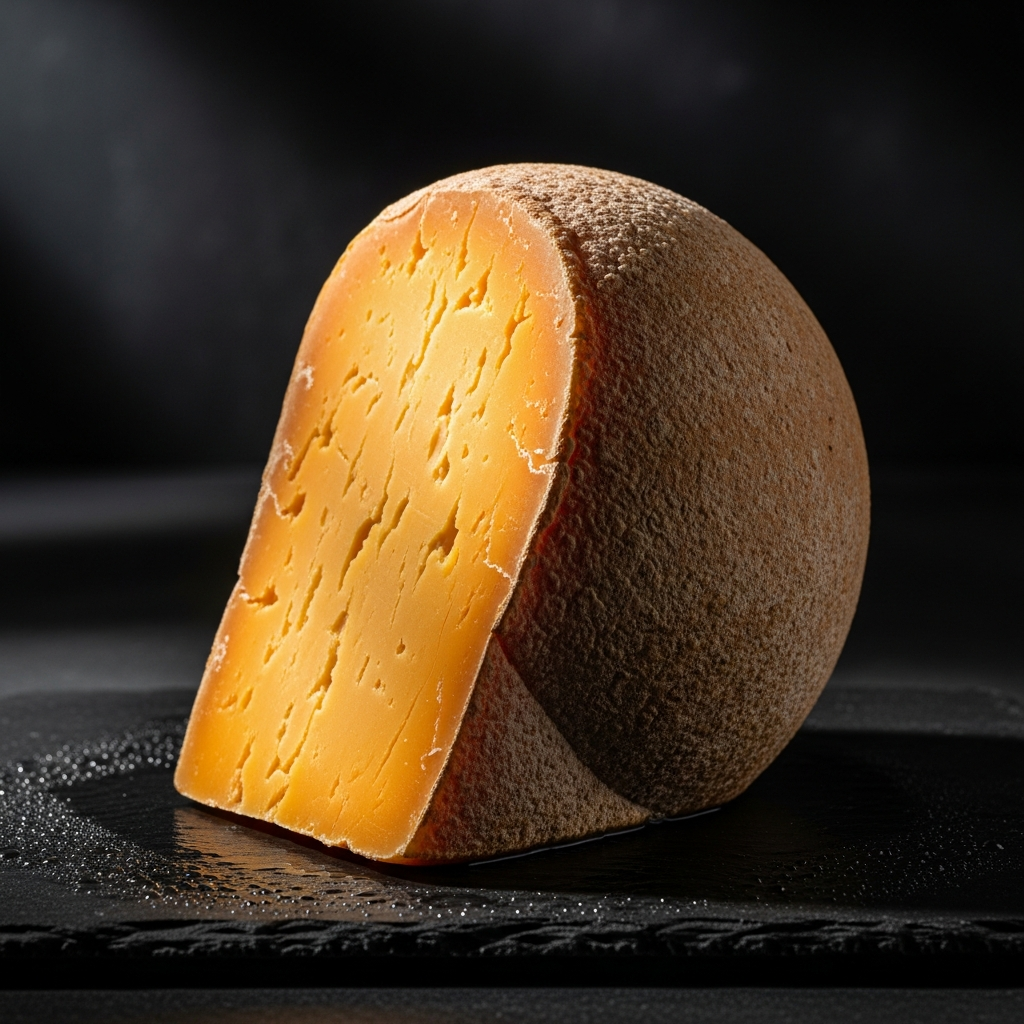
Stoneware mug, dishwasher safe
Buy Mug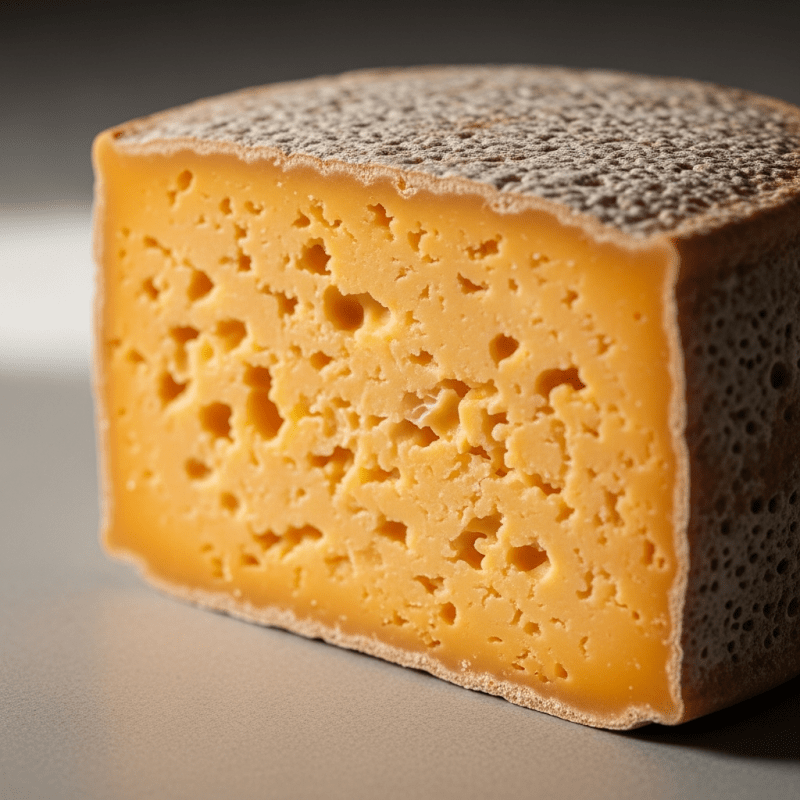
Soft cotton tee, unisex sizes
Buy ShirtDeeply embedded in French gastronomy, Mimolette symbolizes regional identity and culinary innovation. Its creation as "Boule de Lille" reflects historical adaptation, and today, it is celebrated in French cheese culture, often featured in specialty shops and paired with local wines and beers. The cheese’s unique aging process and appearance have made it a subject of curiosity and pride in both France and international gourmet circles.
Mimolette is made exclusively from cow’s milk, which imparts a creamy, nutty base flavor that intensifies during aging. The richness and structure of cow’s milk are essential to the cheese’s firm texture and caramelized notes.

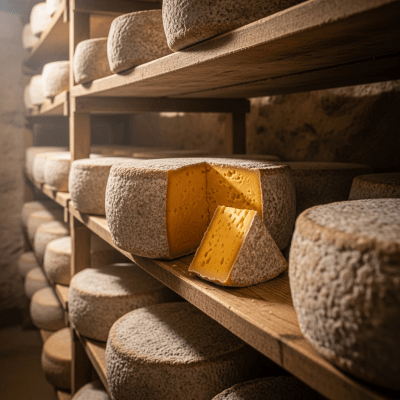
The production of Mimolette involves molding and draining cow’s milk curds, followed by natural aging in humid cellars. Cheese mites are deliberately introduced to the rind, aerating the surface and deepening flavor. No cooking or pressing is performed, preserving the cheese’s crumbly, dry texture.
Mimolette’s interior is firm, dry, and crumbly, growing more brittle with age. Its rind is thick, rough, and grayish-brown, marked by pitting from cheese mites—a hallmark of its maturation process and a key contributor to its complex taste.
Mimolette is aged from 3 months (young, "jeune") to 24 months (extra-old, "vieux" or "extra-vieux"). As it matures, the flavor evolves from mild and sweet to deeply nutty and caramelized, while the texture transitions from firm to brittle and crumbly.
Mimolette does not currently hold a Protected Designation of Origin (PDO) or similar legal status. Its production is, however, regulated by French authorities, notably the Institut National de l’Origine et de la Qualité (INAO), ensuring adherence to traditional methods.
Choose Mimolette with a firm, dry interior and a rind that shows characteristic pitting. Store whole or cut pieces in the refrigerator, wrapped in waxed paper or cheese paper to allow breathing and prevent excess moisture. Grated Mimolette should be kept in an airtight container and used within a week for optimal flavor. Avoid plastic wrap, which can trap humidity and affect texture.