
Mascarpone
Mascarpone is a luxurious Italian fresh cheese prized for its velvety, creamy texture and subtle, mildly sweet flavor, making it a staple in both classic desserts and savory dishes.
Mascarpone is a luxurious Italian fresh cheese prized for its velvety, creamy texture and subtle, mildly sweet flavor, making it a staple in both classic desserts and savory dishes.
Mascarpone traces its roots to the Lombardy region of northern Italy, with historical records dating back to the late 16th or early 17th century. Most closely associated with the provinces of Lodi and Cremona, its creation was born of local dairy traditions that favored rich, high-fat cheeses. Though not protected by official designation, mascarpone’s heritage is deeply woven into Italian culinary history and remains a symbol of Lombardy’s dairy craftsmanship.
Mascarpone belongs to the family of fresh, acid-coagulated cheeses made from cow’s milk. Unlike aged or pressed cheeses, it is neither ripened nor formed into wheels, and is classified by its high moisture content and soft, spreadable consistency. Within cheese taxonomies, mascarpone is grouped among fresh Italian cheeses, standing apart from firmer or mold-ripened varieties.
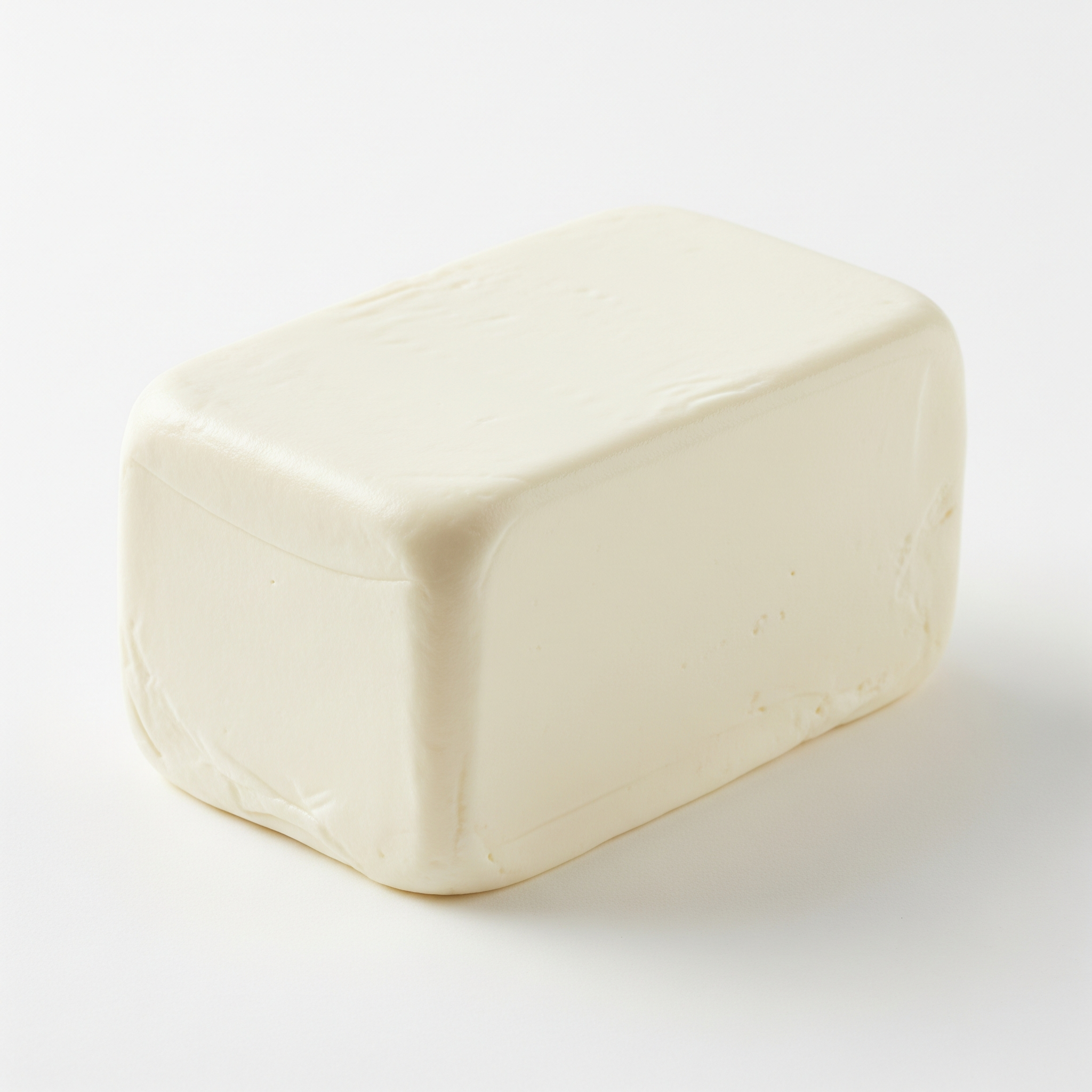
Mascarpone presents as an ivory-white, smooth, and glossy cheese with a texture reminiscent of thick whipped cream. It is typically sold in tubs or containers, lacking a defined shape or rind. Its consistency is soft and easily spreadable, making it ideal for blending into recipes or spreading on bread.
Mascarpone’s gentle flavor and creamy body allow it to seamlessly integrate into both sweet and savory dishes. It acts as a rich base in desserts like tiramisu and cheesecake, while also lending silkiness to risottos, pasta sauces, and soups. Its spreadable nature makes it convenient for use as a topping or filling, and its mildness allows it to enhance other ingredients without overpowering them.
Bring this kind into your world illustrated posters, mugs, and shirts.
Archival print, museum-grade paper
Buy Poster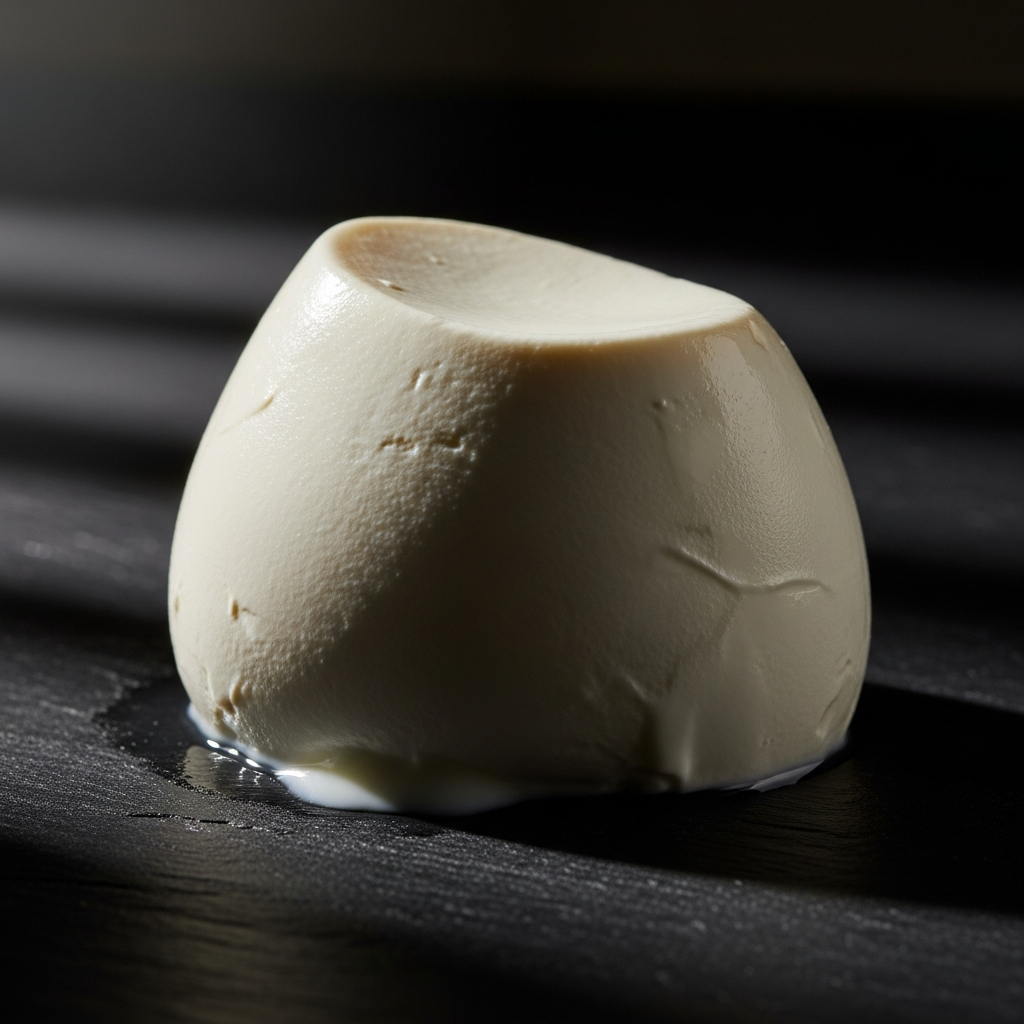
Stoneware mug, dishwasher safe
Buy Mug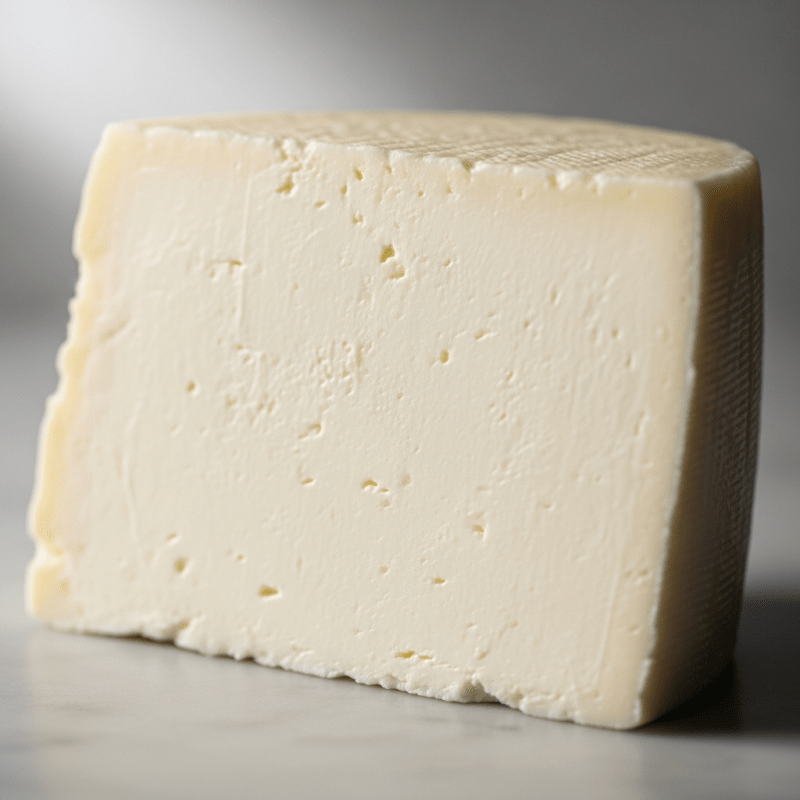
Soft cotton tee, unisex sizes
Buy ShirtMascarpone is celebrated as the heart of iconic Italian desserts, most notably tiramisu, where its lush texture and subtle sweetness are essential to the dish’s character. Its reputation extends beyond Italy, symbolizing the elegance of Italian patisserie and inspiring chefs worldwide. Mascarpone’s presence in both traditional and contemporary recipes highlights its enduring role in Italian culinary culture.
Mascarpone is produced exclusively from cow’s milk and cream. The richness of cow’s milk imparts a mild, buttery flavor and a lush, creamy texture, making mascarpone ideal for both sweet and savory applications.
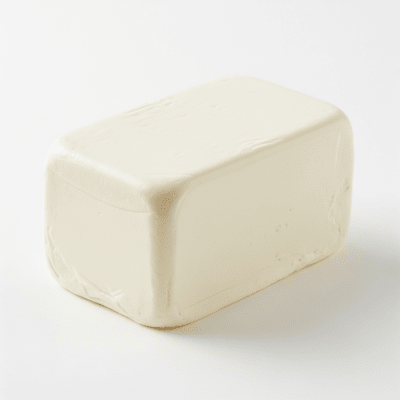
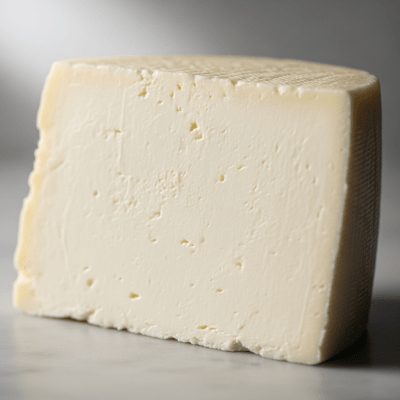


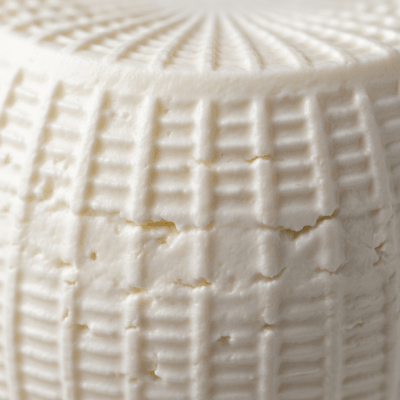
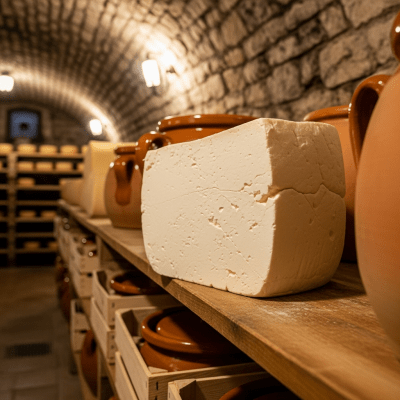
Mascarpone is crafted by gently heating pasteurized cow’s milk and cream and coagulating them with citric or tartaric acid. This acidification process creates soft curds, which are then drained without pressing or cooking. The result is a fresh, unripened cheese with a high fat and moisture content, ready for immediate use.
Mascarpone is renowned for its soft, creamy, and spreadable texture. It contains no rind, remaining smooth and uniform throughout. Its high moisture and fat content contribute to a luxurious mouthfeel, making it ideal for blending and spreading.
Mascarpone is a fresh cheese and undergoes no aging or maturation. It is ready to eat immediately after production, retaining its delicate flavor and creamy texture. This lack of aging makes it highly perishable and best enjoyed soon after purchase.
Mascarpone does not have a Protected Designation of Origin (PDO) or other legal status under European or Italian law. Its traditional production methods are recognized by Italian culinary authorities, but it remains unregulated and widely produced both in Italy and internationally.
Mascarpone is most commonly sold in tubs or containers, reflecting its soft, spreadable nature. It is available in various sizes, typically found in refrigerated sections of supermarkets and specialty food stores.
Choose mascarpone with a smooth, creamy texture and a fresh, mild aroma. Always check expiration dates and keep it refrigerated. Once opened, consume within a few days to a week, and avoid cross-contamination by using clean utensils. For best quality, store in its original container and keep tightly sealed to preserve freshness.