Manchego
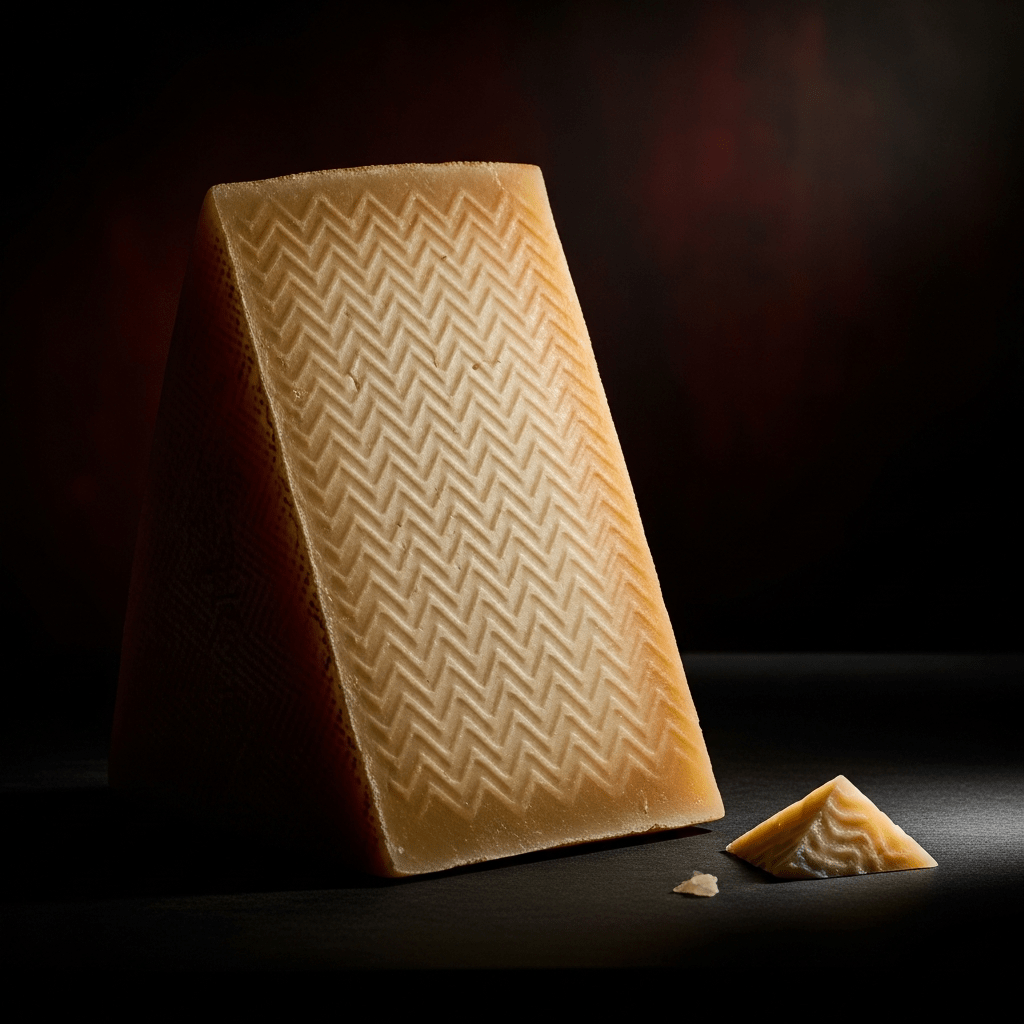
Manchego is Spain’s most celebrated sheep’s milk cheese, distinguished by its firm texture, nutty flavor, and iconic herringbone-patterned rind.
Manchego is Spain’s most celebrated sheep’s milk cheese, distinguished by its firm texture, nutty flavor, and iconic herringbone-patterned rind.
Originating in the heart of Castilla-La Mancha, Spain, Manchego’s roots stretch back to Roman times and are immortalized in Cervantes’ "Don Quixote." Crafted exclusively from the milk of Manchega sheep and matured within the La Mancha region, its tradition is rigorously protected by European PDO status since 1984. The cheese’s legacy is deeply entwined with the landscape and culture of central Spain, where artisanal methods have been passed down for centuries.
Manchego belongs to the family of hard, aged cheeses made from sheep’s milk. It is classified as a pressed, brined cheese, with its PDO status ensuring authenticity in milk source, region, and production method. Within the broader cheese taxonomy, it stands as a benchmark for Spanish sheep cheeses, distinct from similar varieties by its origin and protected designation.
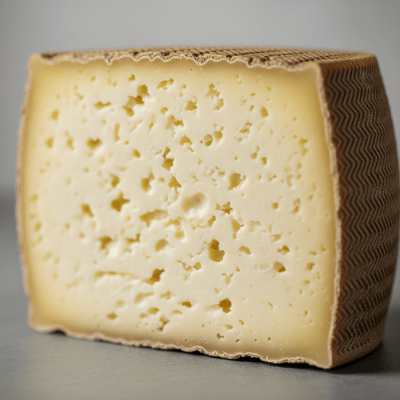
Manchego is traditionally shaped into cylindrical wheels weighing 1–4 kg, with a height of 7–12 cm and diameter of 12–22 cm. Its inedible rind is marked by a striking zigzag or herringbone pattern—a nod to the esparto grass molds once used in its making. The interior paste is ivory to pale yellow, dotted with small, uneven holes, and the texture varies from semi-firm when young to hard and crumbly when aged.
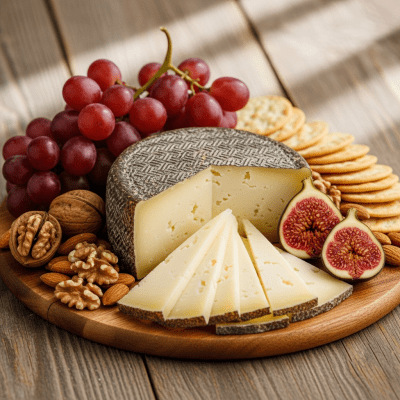
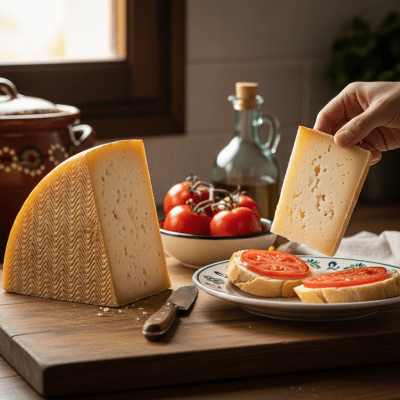
Manchego is a versatile staple in Spanish cuisine, commonly served sliced or cubed as a tapa, paired with quince paste (membrillo), olives, or cured meats. Its firm texture makes it ideal for direct consumption, but it can also be grated over dishes or melted in recipes. Widely exported, Manchego is a favorite on cheese boards and in wine pairings, prized for its robust flavor and adaptability.
Bring this kind into your world illustrated posters, mugs, and shirts.
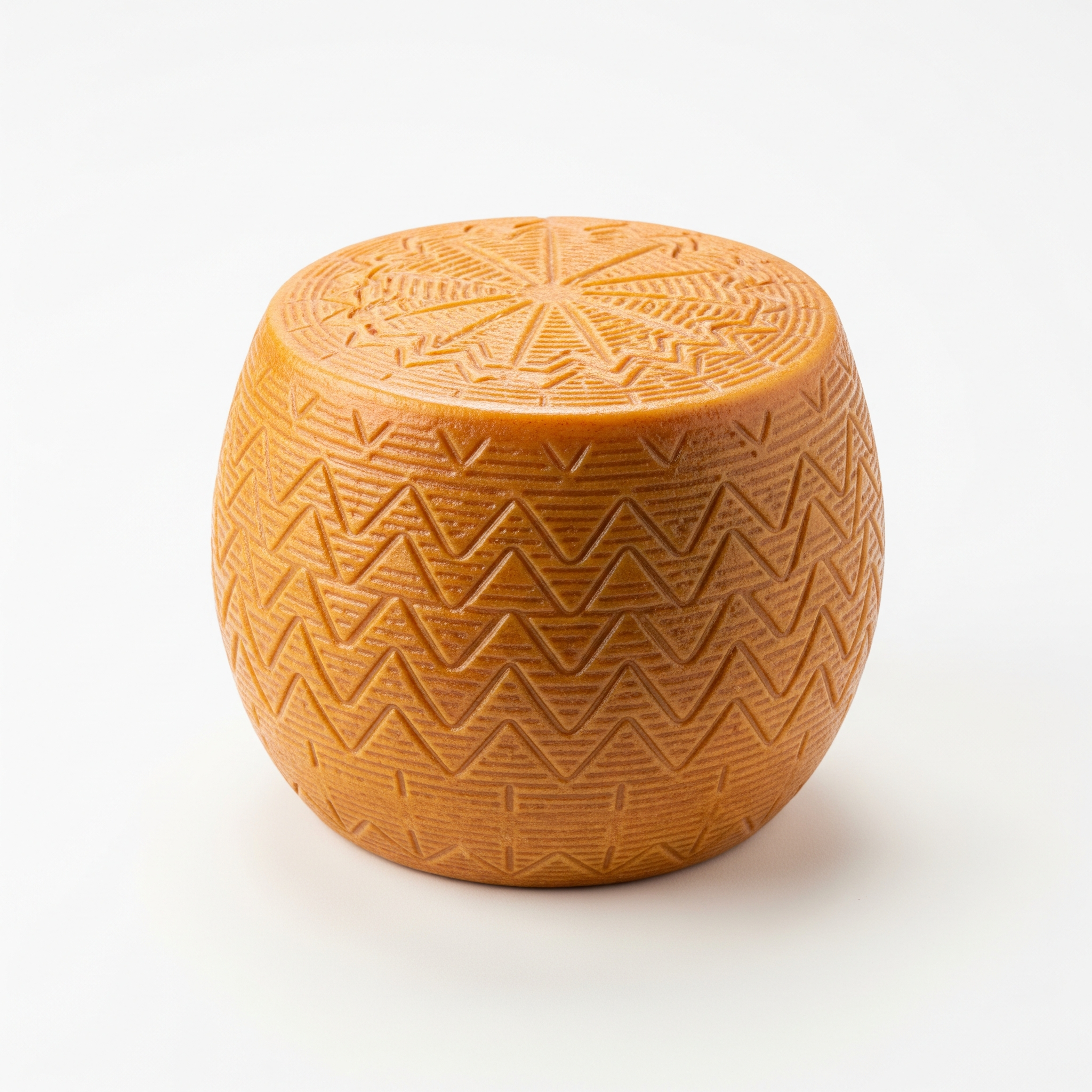
Archival print, museum-grade paper
Buy Poster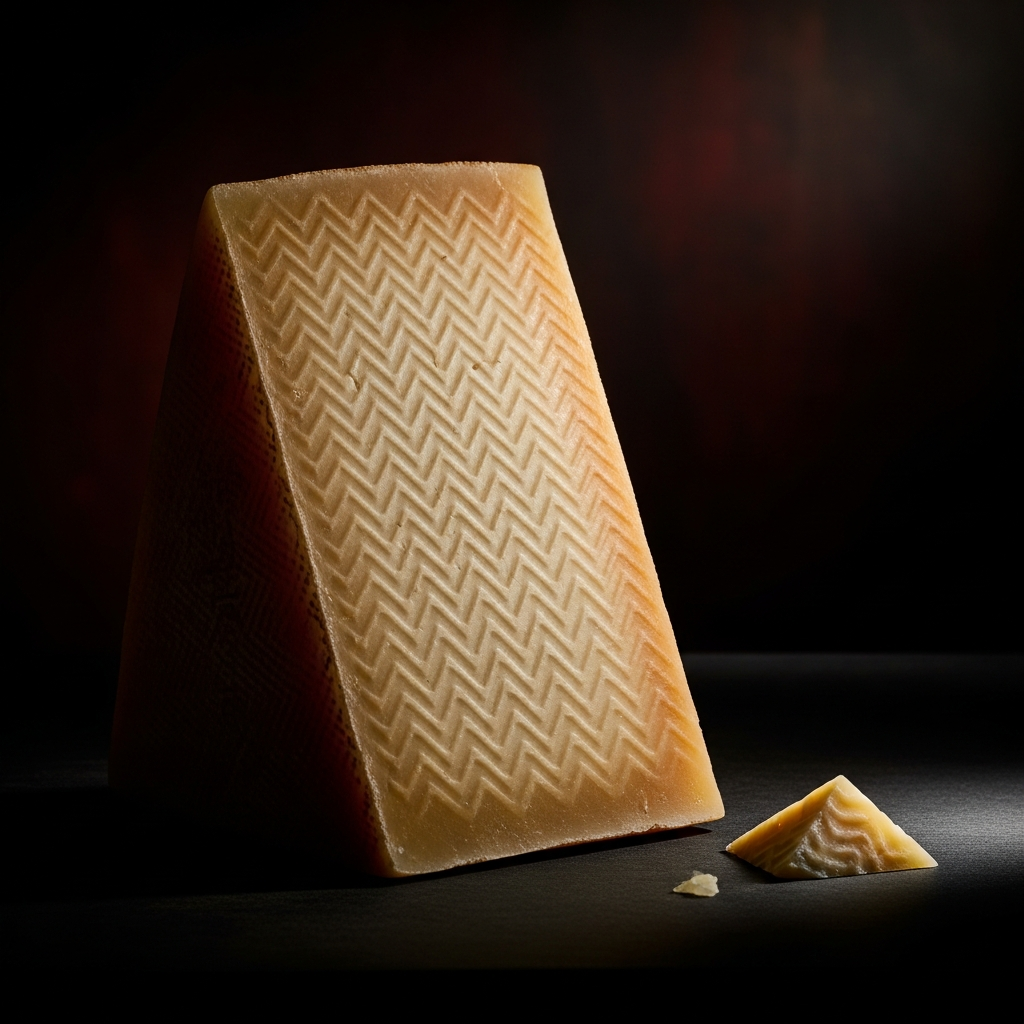
Stoneware mug, dishwasher safe
Buy Mug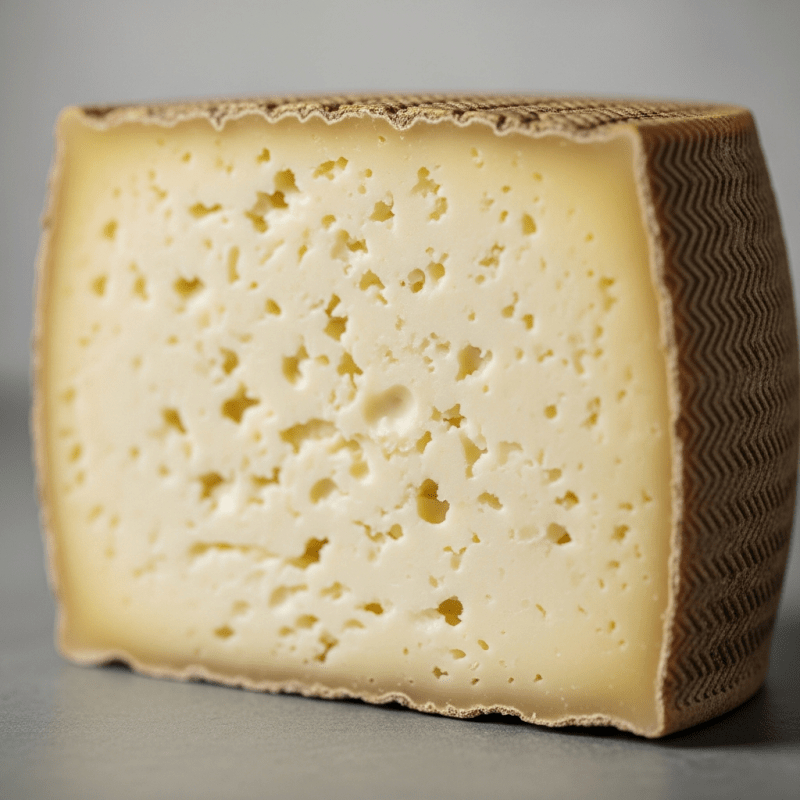
Soft cotton tee, unisex sizes
Buy ShirtManchego is more than a cheese—it is a symbol of Spanish heritage and regional pride. Its mention in "Don Quixote" and centuries-old traditions root it deeply in the culture of La Mancha. The cheese’s PDO status not only preserves its authenticity but also celebrates the artisanal craftsmanship of local producers, making Manchego a culinary ambassador for Spain worldwide.
Manchego is crafted solely from the milk of the Manchega breed of sheep. This rich, aromatic milk imparts the cheese’s signature nutty, buttery flavor and contributes to its dense, creamy texture. The exclusive use of sheep’s milk sets Manchego apart from cow or goat cheeses and is central to its protected status.
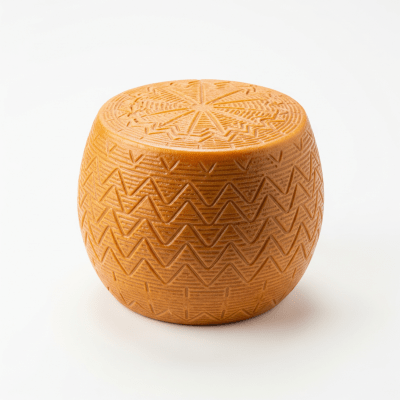
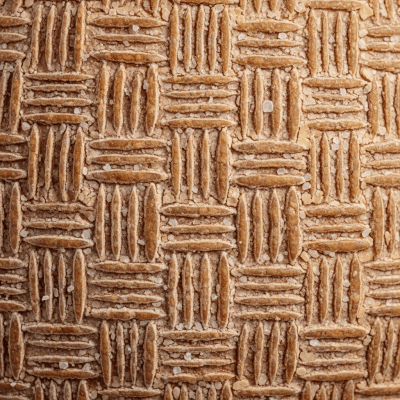
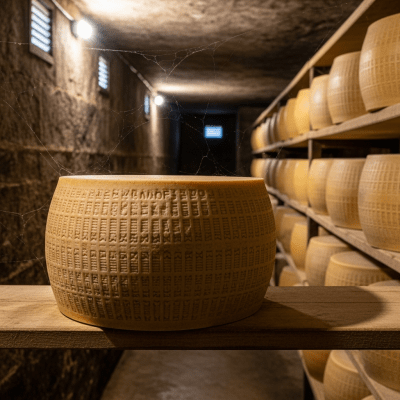
Manchego is produced by pressing curds made from pasteurized or raw Manchega sheep’s milk into cylindrical molds, then brining and maturing the wheels in natural caves or controlled environments. The cheese develops its iconic herringbone rind pattern during molding. Both traditional and modern methods are used, with "Artesano" denoting raw milk versions. Controlled aging ensures the development of flavor and texture while maintaining PDO standards.
Manchego’s texture evolves with age: it is soft and moist when fresh (fresco), firm and slightly piquant at 3–6 months (curado), and hard, crumbly, and intense when aged over a year (viejo). The inedible rind is thick and marked by a distinctive zigzag or herringbone pattern, protecting the cheese and signaling its authenticity.
Manchego is aged from as little as 2 weeks to over 1 year. Short aging (fresco) yields a mild, creamy cheese, while longer maturation (curado and viejo) intensifies nutty, buttery, and piquant notes, and firms the texture. Aging occurs in caves or controlled environments, allowing the cheese to develop its full character and complexity.
Manchego holds European Union Protected Designation of Origin (PDO) status, regulated by the Consejo Regulador de la Denominación de Origen Queso Manchego. Only cheese made from Manchega sheep’s milk, produced and matured in La Mancha, can be labeled as Manchego. This protection ensures authenticity and preserves regional cheese-making heritage.