Mahón
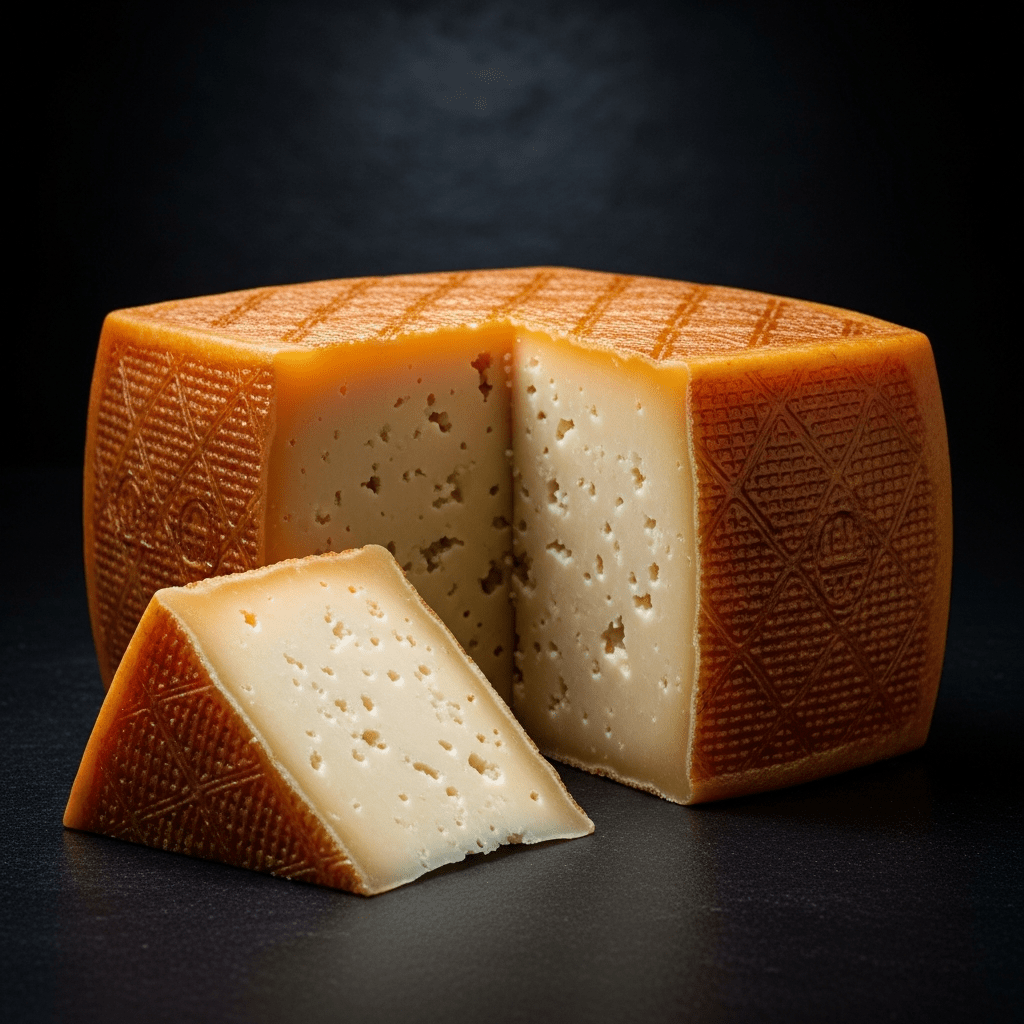
Mahón is a celebrated Spanish cheese from Menorca, renowned for its tangy, buttery flavor, striking orange rind, and semi-hard texture.
Mahón is a celebrated Spanish cheese from Menorca, renowned for its tangy, buttery flavor, striking orange rind, and semi-hard texture.
Mahón traces its roots to the island of Menorca in Spain's Balearic Islands, where cheese-making traditions date back to at least Roman times. Named after Menorca’s principal port city, Mahón’s identity is deeply tied to the island’s Mediterranean climate and agricultural heritage. In 1985, Mahón received Protected Designation of Origin (PDO) status, ensuring that only cheese produced and matured on Menorca using traditional methods can bear the name. This official recognition, regulated by the Consejo Regulador de la Denominación de Origen Mahón-Menorca, safeguards its authenticity and regional character.
Mahón belongs to the family of semi-hard, pressed cheeses and is classified as a PDO-protected Spanish cheese. It is made primarily from cow’s milk, setting it apart from many other Mediterranean cheeses, and is distinguished by its unique rind treatment and maturation process. Within the broader taxonomy of cheeses, Mahón is recognized for its regional specificity, aging variations, and its role as a benchmark for Balearic cheese traditions.
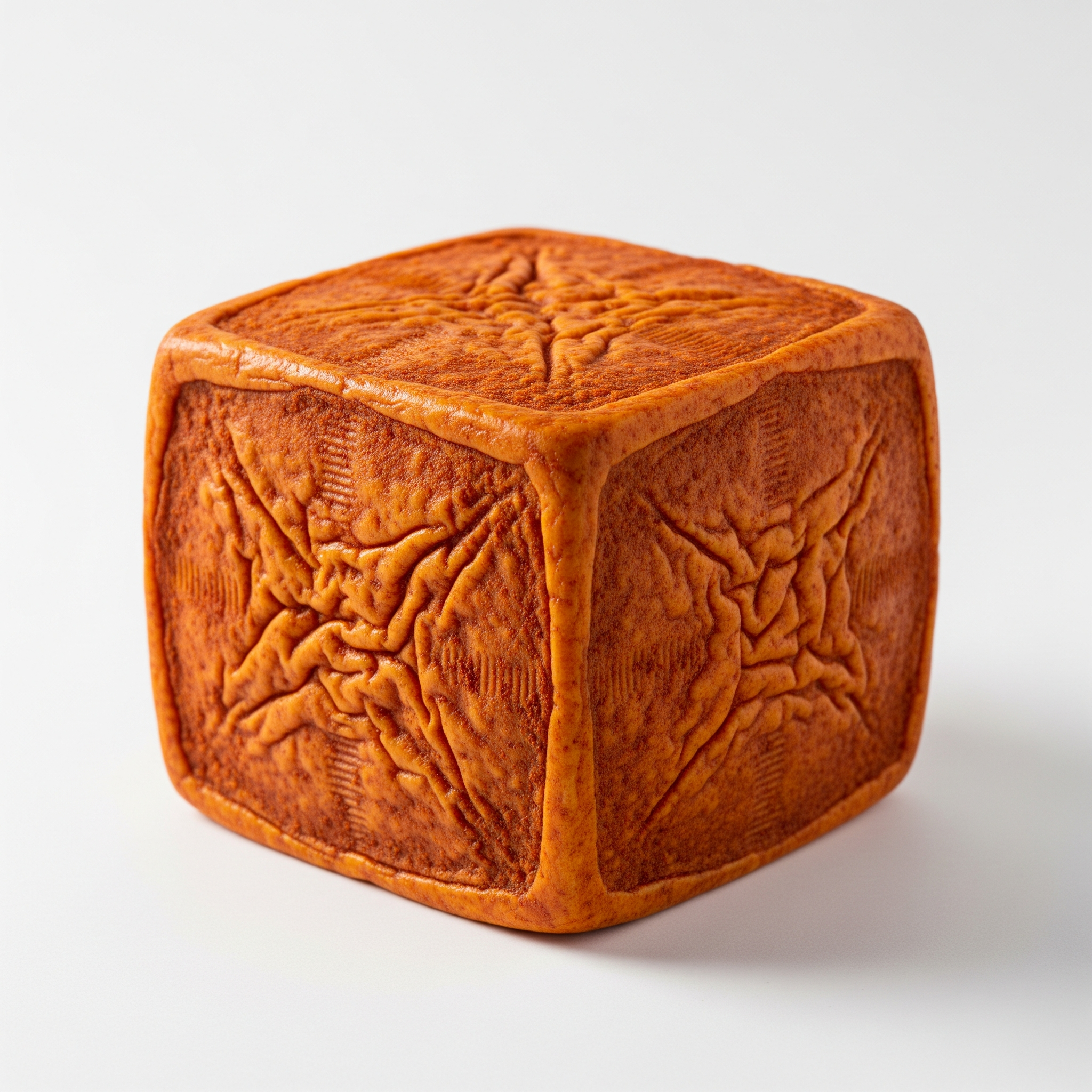
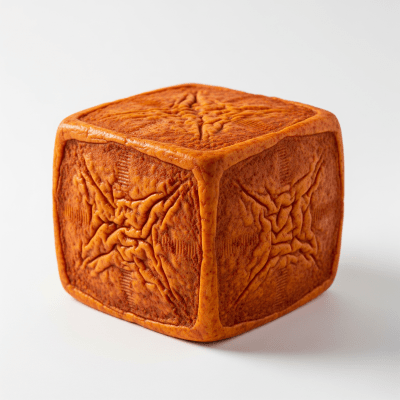
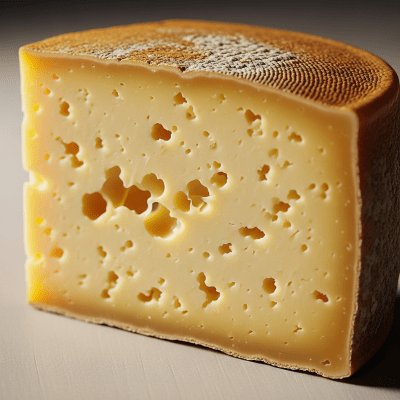
Mahón is easily recognized by its square shape with rounded corners, typically weighing between 2 and 4 kilograms. Its most striking feature is the orange, slightly oily rind—achieved by rubbing the surface with paprika and oil. The interior paste ranges from pale yellow to ivory, dotted with small, irregular holes. The cheese’s texture varies by age: younger Mahón is supple and moist, while aged varieties become firmer, crumbly, and more brittle.
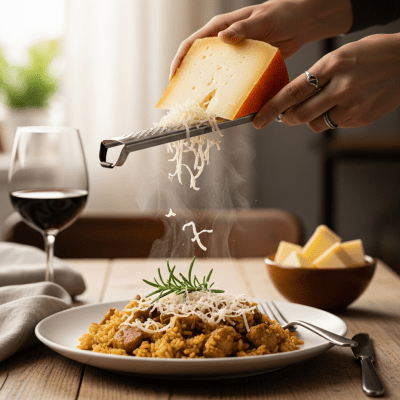
Mahón is a versatile cheese, enjoyed both as a table cheese and as a flavorful ingredient in cooking. Its balanced tang and buttery notes make it appealing when sliced or cubed alongside bread, fruit, or charcuterie. Thanks to its excellent melting qualities, Mahón is also grated over pasta, salads, or baked dishes, and works beautifully in sauces and gratins. Its robust flavor intensifies with age, offering a range of culinary experiences from mild to piquant.
Bring this kind into your world illustrated posters, mugs, and shirts.
Archival print, museum-grade paper
Buy Poster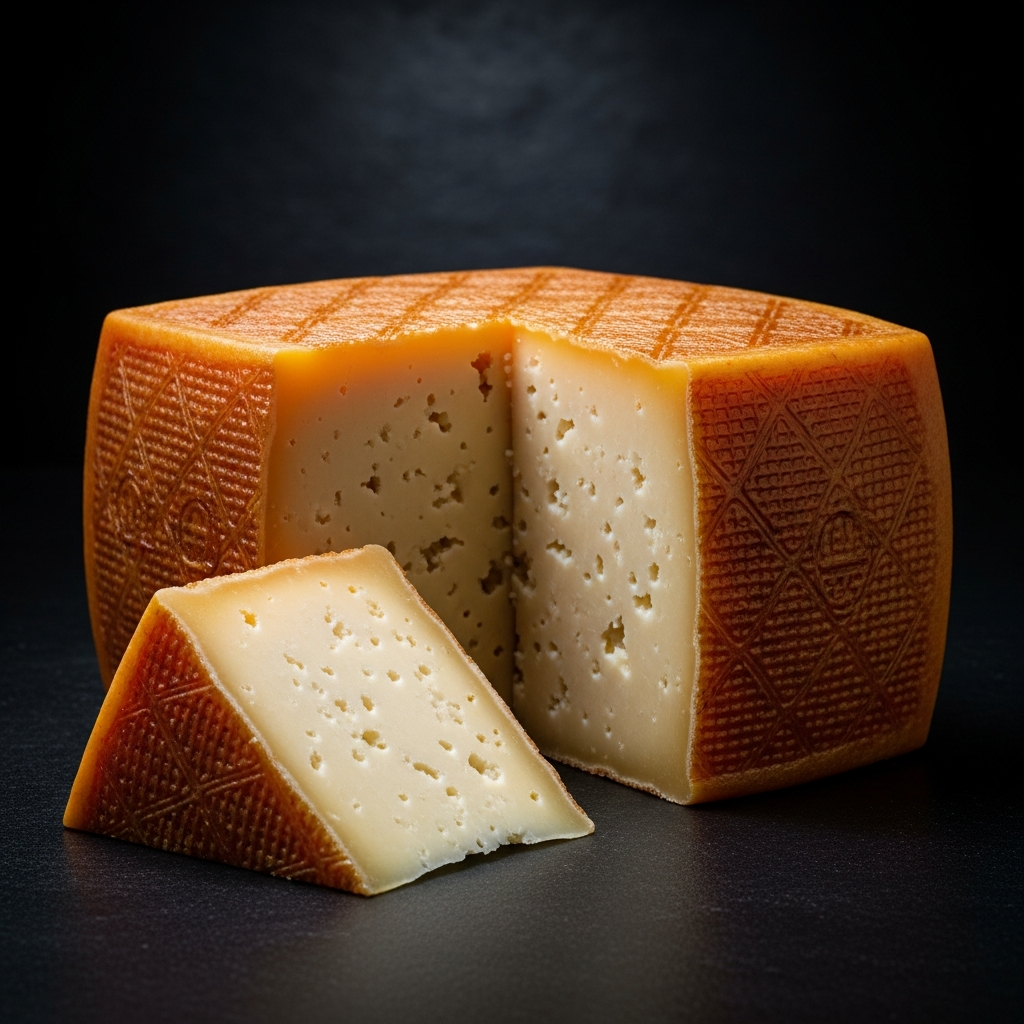
Stoneware mug, dishwasher safe
Buy Mug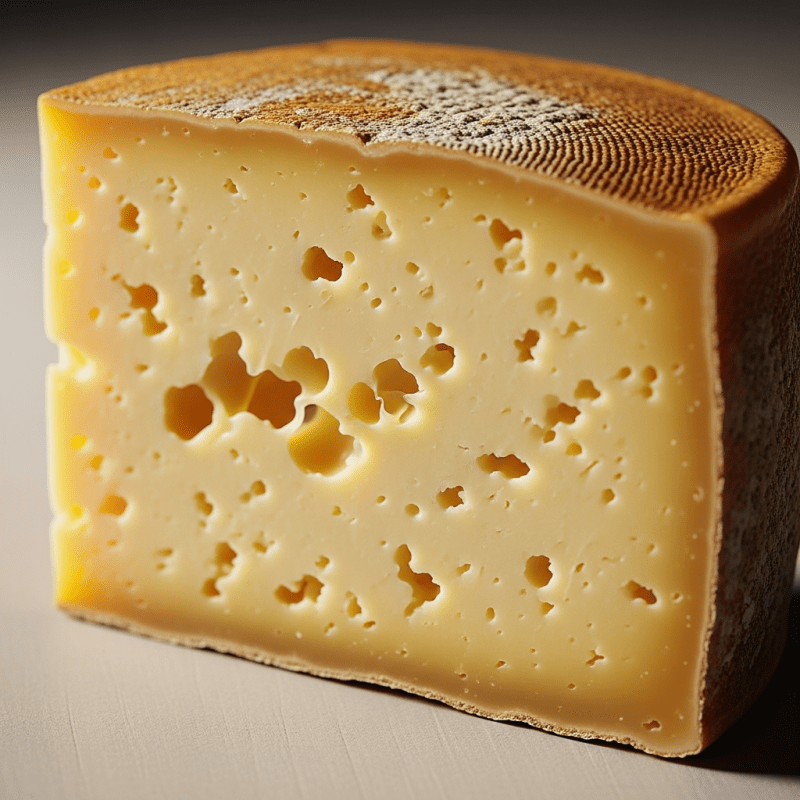
Soft cotton tee, unisex sizes
Buy ShirtMahón is a symbol of Menorca’s gastronomic identity and agricultural legacy. The cheese’s PDO status not only protects its name and method of production but also celebrates the centuries-old traditions of Menorcan cheesemakers. Mahón frequently appears in Spanish culinary culture, featured in tapas, local festivals, and as a point of pride for the Balearic Islands. Its distinctive appearance and flavor have made it a staple in Spanish cheese boards and a sought-after export in specialty markets worldwide.
Mahón is made primarily from cow’s milk, which imparts a creamy, buttery character and a mild tang. The use of cow’s milk distinguishes Mahón from many other Mediterranean cheeses, which often use goat or sheep milk, and contributes to its smooth texture and approachable flavor.

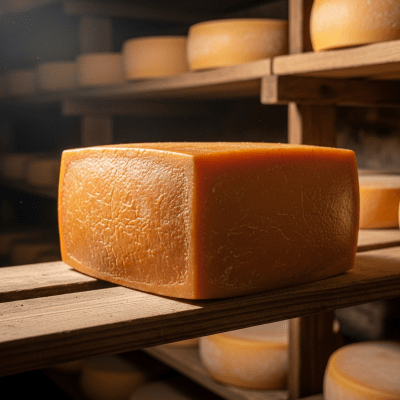
Mahón is crafted by pressing cow’s milk curds, then forming the cheese into its signature square shape. The rind is rubbed with a mixture of paprika and oil, lending color and subtle flavor. The cheese is matured on Menorca, with periodic turning and additional rind treatments during aging. Both pasteurized and raw milk versions exist, with artisanal producers favoring traditional, raw milk methods for deeper complexity.
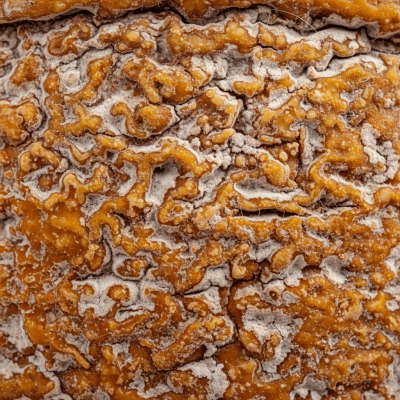
The texture of Mahón evolves with age: young Mahón (tierno) is supple and moist, while aged Mahón (curado or añejo) becomes firm, crumbly, and granular. Its rind is oily, smooth, and vividly orange, thanks to regular applications of paprika and oil—a process that also helps protect the cheese and develop its flavor profile.
Mahón is matured for periods ranging from 21 days (tierno) to over 180 days (añejo). As it ages, the cheese transitions from mild and creamy to robust, salty, and piquant, with a firmer, more crumbly texture. The maturation process involves regular turning and rind treatment, which are essential to developing Mahón’s signature flavor and appearance.
Mahón holds Protected Designation of Origin (PDO) status in the European Union, officially recognized as "Mahón-Menorca." This designation, regulated by the Consejo Regulador de la Denominación de Origen Mahón-Menorca, ensures that only cheese produced and matured on Menorca using traditional methods can bear the Mahón name.
Mahón is available in a variety of forms to suit different culinary needs: whole wheels, blocks, grated, cubed, and sliced. This versatility makes it accessible for both home cooks and professional chefs, whether for snacking, cooking, or entertaining.
When selecting Mahón, look for a vibrant orange rind and a pleasant, clean aroma. For optimal freshness, purchase cheese cut to order or in vacuum-sealed packaging. Store Mahón in the refrigerator, wrapped in wax paper or cheese paper and then loosely in plastic wrap or a container to prevent drying out. Allow the cheese to come to room temperature before serving to fully appreciate its flavor and texture. Consume younger cheeses within a week of opening; aged varieties can last several weeks if properly stored.