Havarti
Havarti is a Danish semi-soft cheese celebrated for its creamy texture, mild flavor, and versatility in both everyday and gourmet cuisine.
Havarti is a Danish semi-soft cheese celebrated for its creamy texture, mild flavor, and versatility in both everyday and gourmet cuisine.
Havarti traces its roots to Denmark in the mid-19th century, where it was first crafted by Hanne Nielsen at her farm, Havarthigaard, near Copenhagen around 1852. The cheese quickly became a hallmark of Danish dairy tradition, and today, its name is protected within the European Union, reflecting its deep cultural and historical connection to Denmark.
Havarti belongs to the semi-soft cheese category, distinguished by its high moisture content and supple texture. It is made exclusively from cow’s milk and is classified as a washed-curd cheese, setting it apart from mold-ripened or hard varieties. Within the broader cheese taxonomy, Havarti is recognized for its mildness and adaptability, often compared to other European melting cheeses.
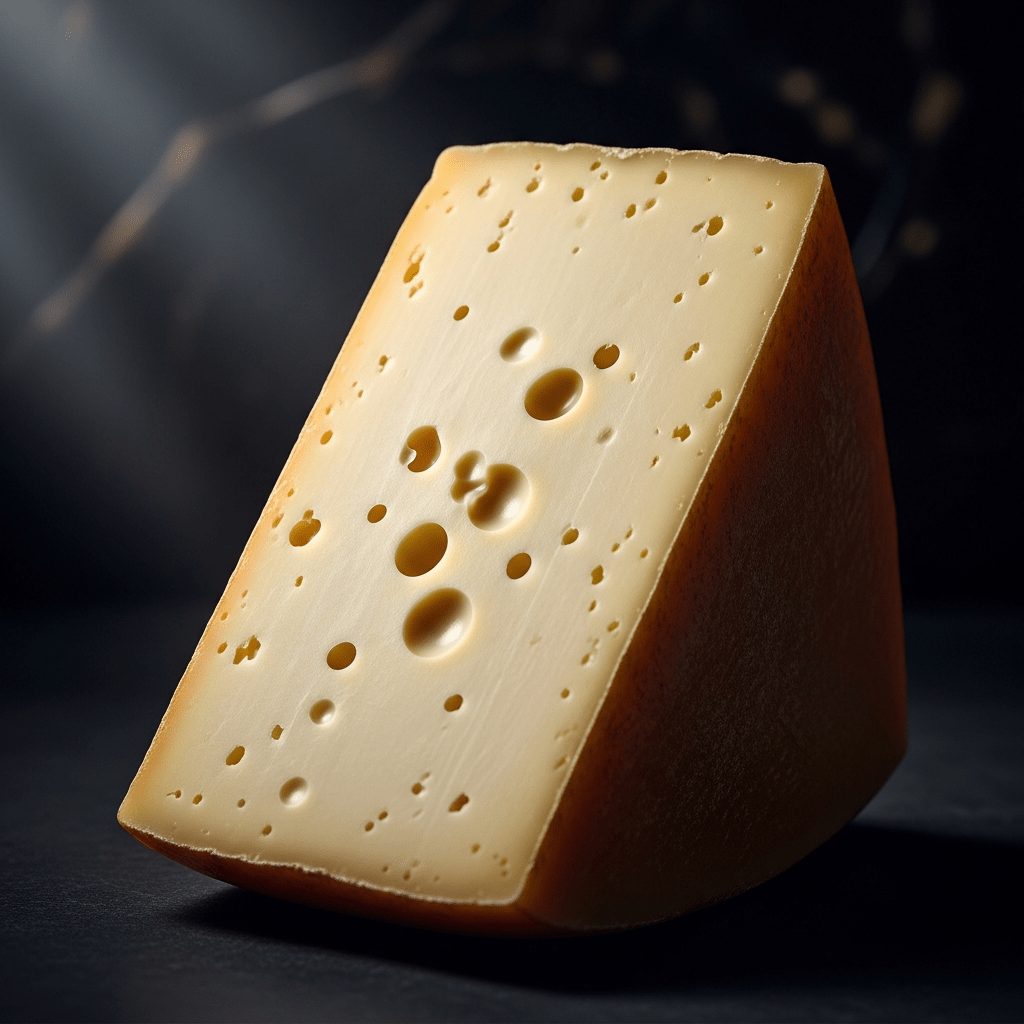
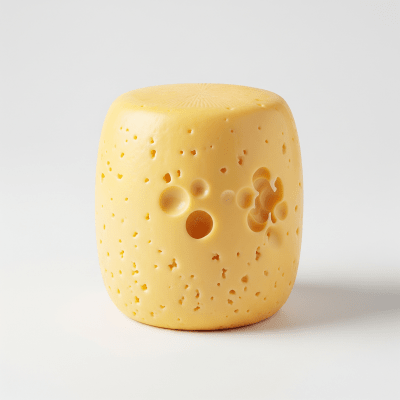
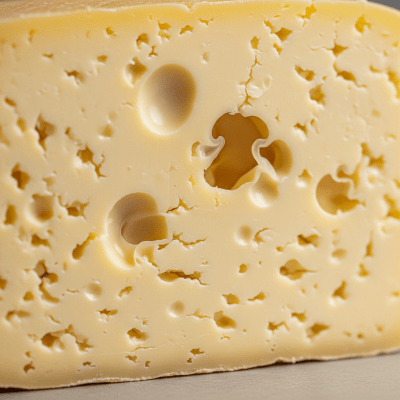
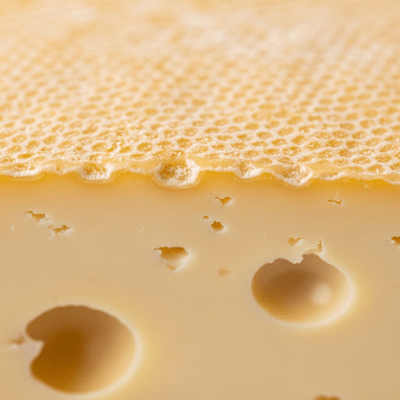
Havarti typically appears as a pale yellow cheese formed into rectangular blocks or wheels weighing between 1.5 and 4 kilograms. Its interior is marked by small, irregular holes (eyes) scattered throughout the creamy, supple paste. The rind is thin, edible, and may be coated in wax for commercial export, contributing to its appealing presentation on cheese boards and in retail displays.
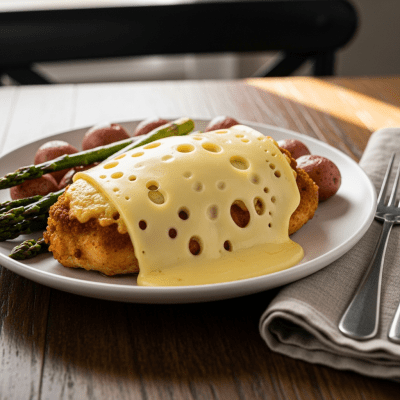
Havarti is prized for its excellent melting qualities, making it a popular choice for sandwiches, grilled cheese, burgers, and casseroles. Its mild, buttery flavor and creamy texture also make it suitable for slicing and serving on cheese boards, often paired with fruits, nuts, and wines. Flavored varieties, such as dill or caraway Havarti, expand its culinary versatility and appeal.
Bring this kind into your world illustrated posters, mugs, and shirts.
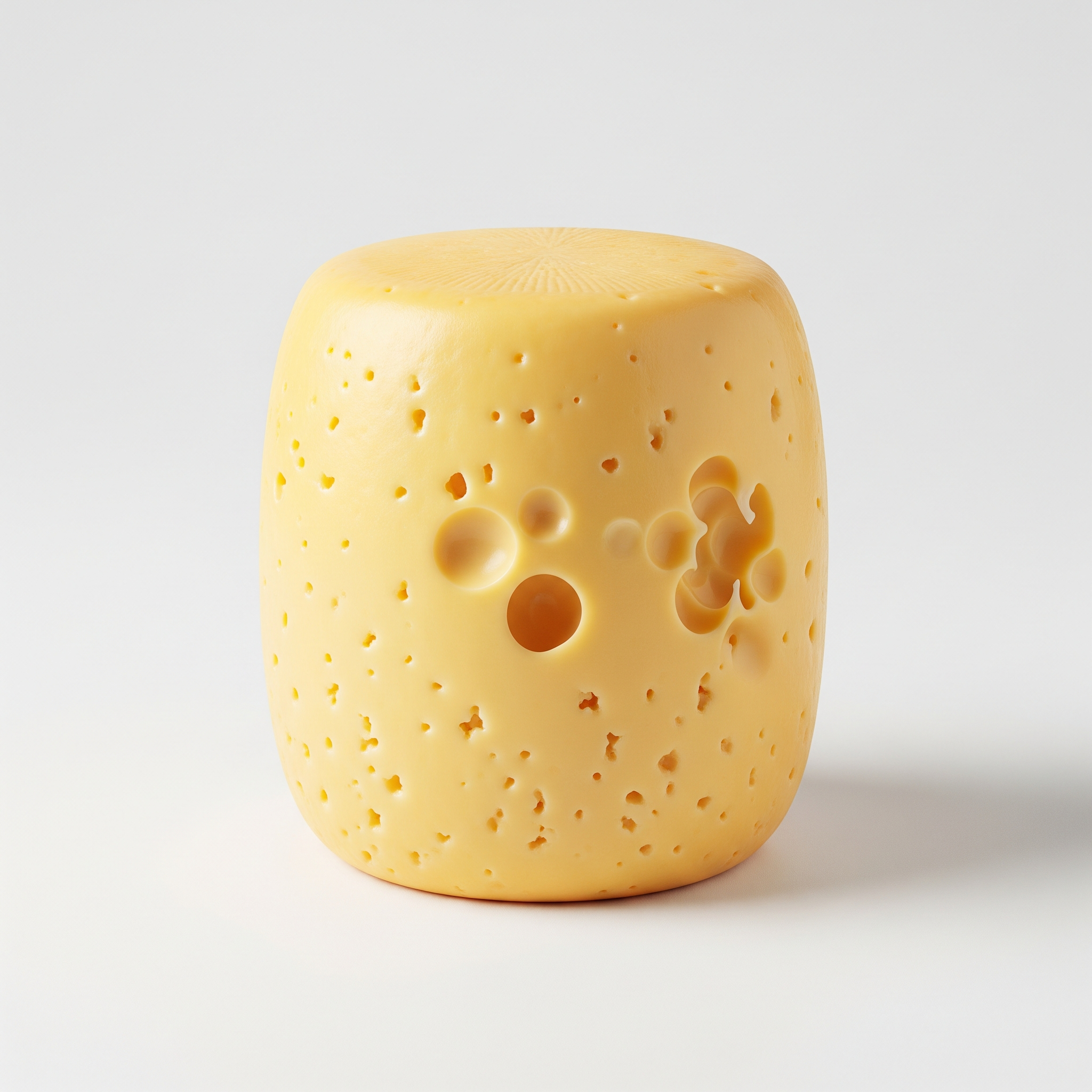
Archival print, museum-grade paper
Buy Poster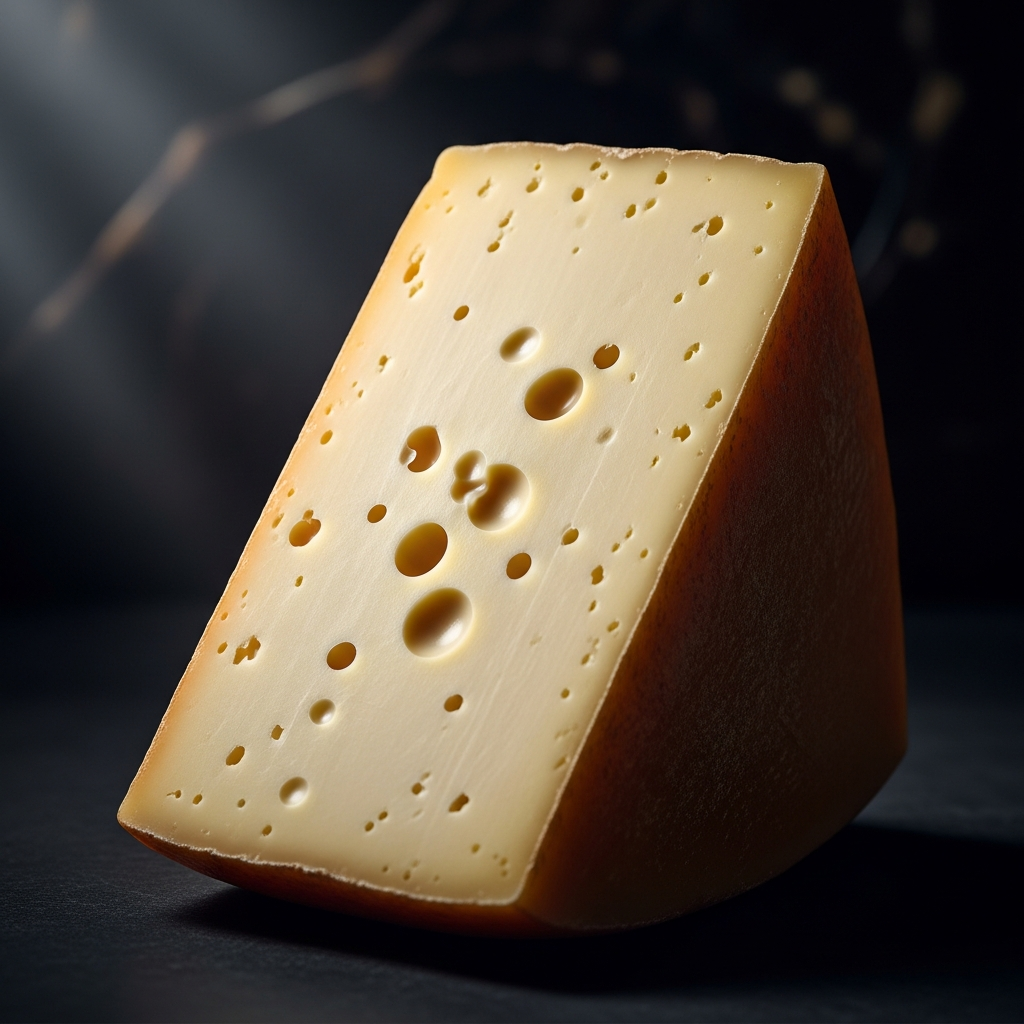
Stoneware mug, dishwasher safe
Buy Mug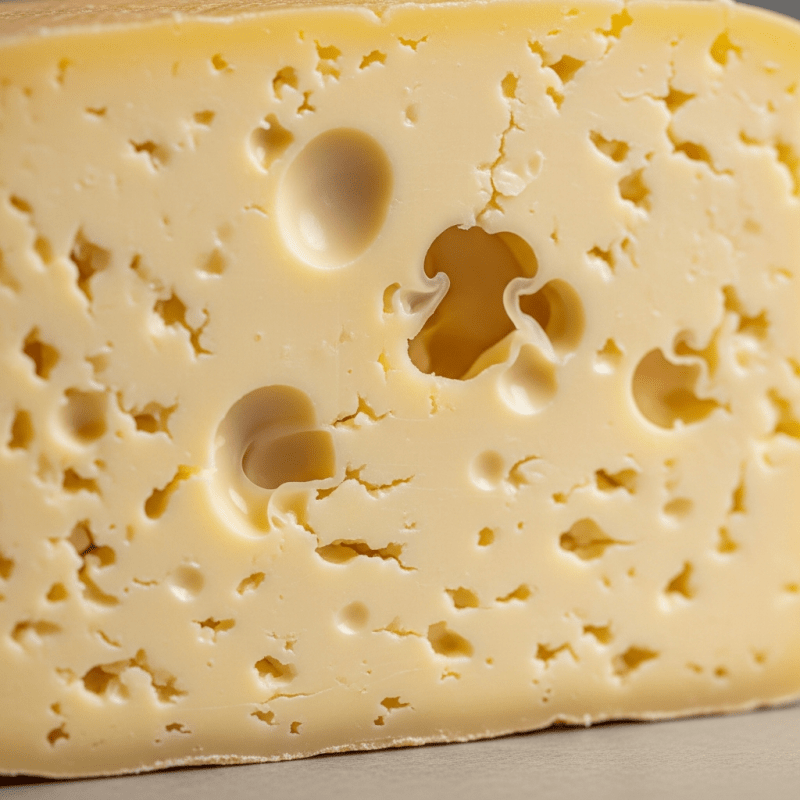
Soft cotton tee, unisex sizes
Buy ShirtAs a staple of Danish cheese-making, Havarti holds a special place in Denmark’s culinary heritage and is one of the country’s most significant cheese exports. Its protected status within the EU underscores its importance as a symbol of Danish craftsmanship. Internationally, Havarti is embraced for its approachable flavor, making it a favorite in homes and restaurants worldwide, and often featured in modern cheese boards and fusion dishes.
Havarti is crafted exclusively from cow’s milk, which imparts a creamy, mild flavor and contributes to its supple, semi-soft texture. Pasteurization is common, though some artisanal producers may use raw milk for added complexity.

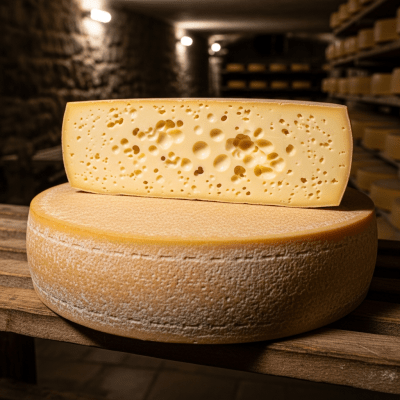
Havarti is produced using a washed-curd technique, where curds are rinsed with water to reduce acidity and develop a milder taste. The curds are then formed into blocks or wheels, and the cheese is typically aged for 1–3 months. Commercial versions often use pasteurized milk, while artisanal styles may vary in technique and aging.
Havarti’s texture is creamy, supple, and semi-soft, with a high moisture content (40–55%). Its interior features small, irregular holes, and the rind is thin, edible, and sometimes coated in wax for export. The cheese is not mold-ripened and does not have a traditional washed rind.
Havarti is typically aged for 1 to 3 months, resulting in a buttery, slightly tangy flavor and a soft, creamy texture. Extended aging produces firmer, more pungent “aged Havarti,” which appeals to those seeking a sharper, more robust taste profile.
Havarti holds Protected Geographical Indication (PGI) status within the European Union, regulated by the European Commission. This designation restricts the use of the name “Havarti” to cheeses produced in Denmark and select regions, safeguarding its authenticity and heritage.
When selecting Havarti, look for a pale yellow color and a creamy, supple texture with small, irregular holes. Choose blocks or wheels for freshness, or pre-sliced for convenience. Store Havarti tightly wrapped in the refrigerator, ideally in wax paper or cheese paper to preserve moisture and prevent drying. Consume within a week of opening for optimal flavor and texture.