
Halloumi
Halloumi is a semi-hard, brined cheese from Cyprus, celebrated for its ability to be grilled or fried without melting.
Halloumi is a semi-hard, brined cheese from Cyprus, celebrated for its ability to be grilled or fried without melting.
Halloumi traces its roots to Cyprus, with historical records dating back to the Medieval Byzantine period. Its traditional production methods have been handed down through generations, making it a cornerstone of Cypriot culinary heritage. In 2021, Halloumi received Protected Designation of Origin (PDO) status from the European Union, ensuring only cheese made in Cyprus using time-honored techniques can bear the name.
Halloumi is classified as a semi-hard, unripened brined cheese. It occupies a unique place in the cheese taxonomy, bridging the gap between fresh and aged cheeses due to its moisture content and brief maturation. Its high melting point and elastic texture set it apart from other Mediterranean cheeses.
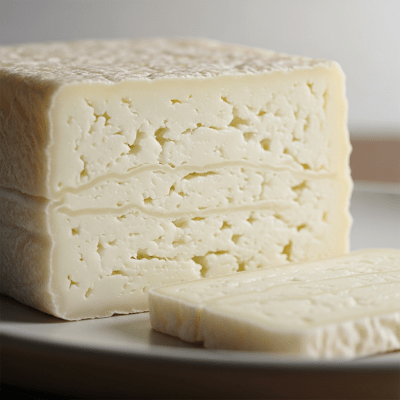
Halloumi is typically white, with a layered, elastic texture and a firm, springy bite. It is shaped into blocks or folded forms, often with fresh mint leaves tucked inside for flavor and preservation. The cheese’s surface is smooth, and it lacks a rind, presenting a clean, bright appearance.
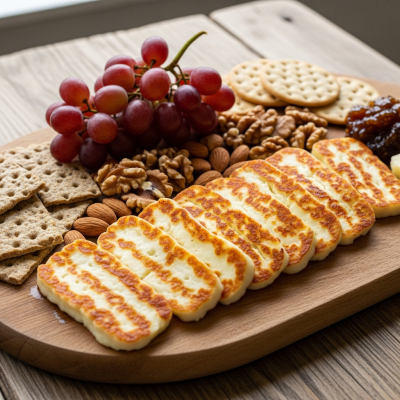
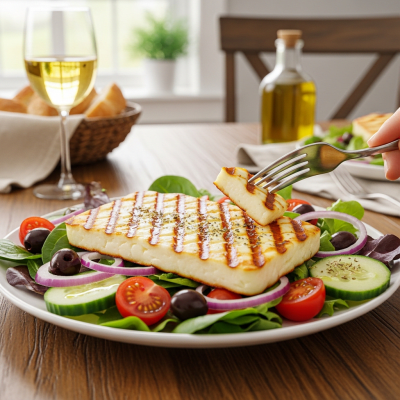
Halloumi’s most distinctive trait is its resilience to heat: it can be grilled, fried, or cooked without melting, retaining its shape and developing a golden, crispy exterior. This makes it a versatile ingredient in salads, sandwiches, mezze platters, and as a hearty meat substitute in vegetarian dishes. Its salty, tangy flavor and chewy texture invite creative culinary applications.
Bring this kind into your world illustrated posters, mugs, and shirts.
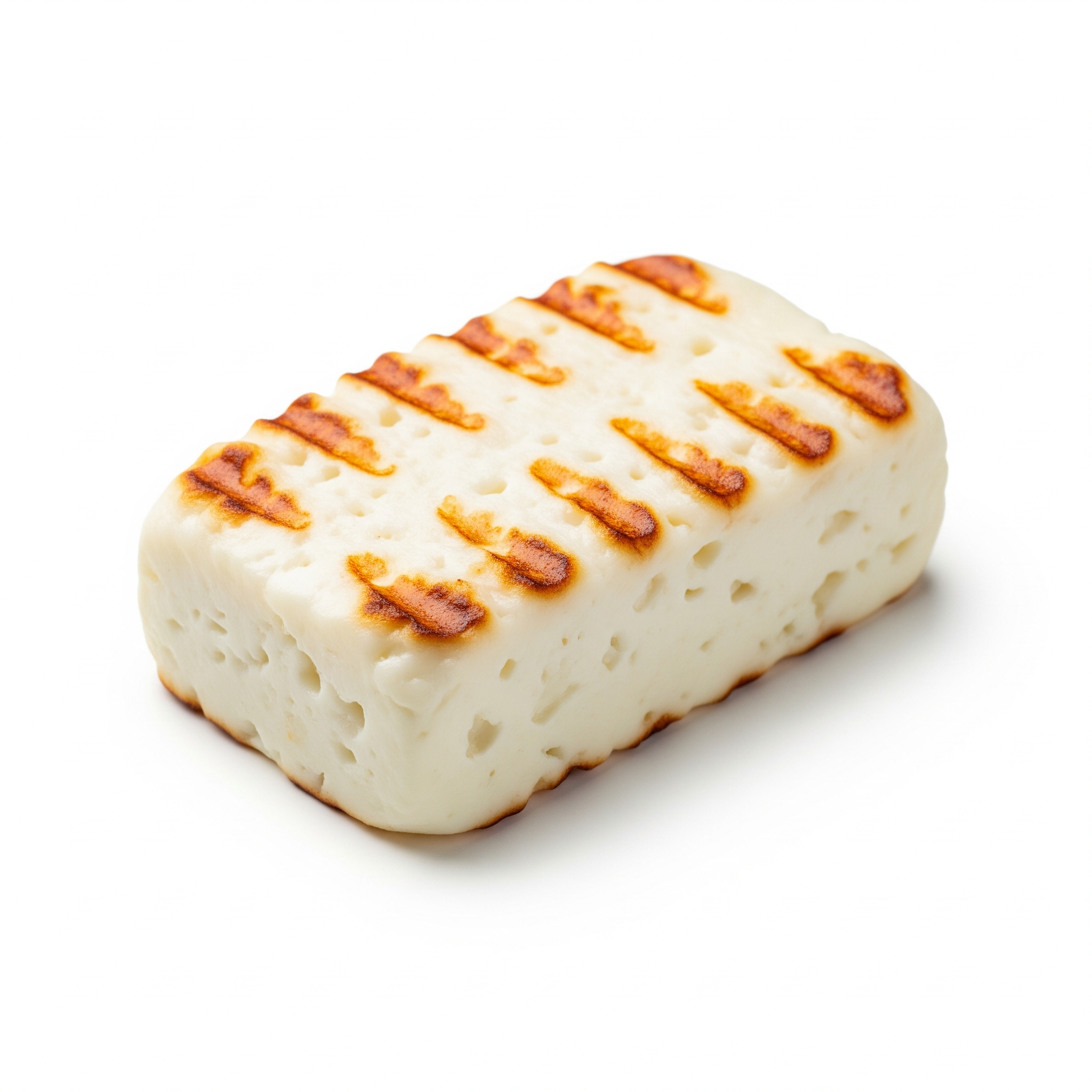
Archival print, museum-grade paper
Buy Poster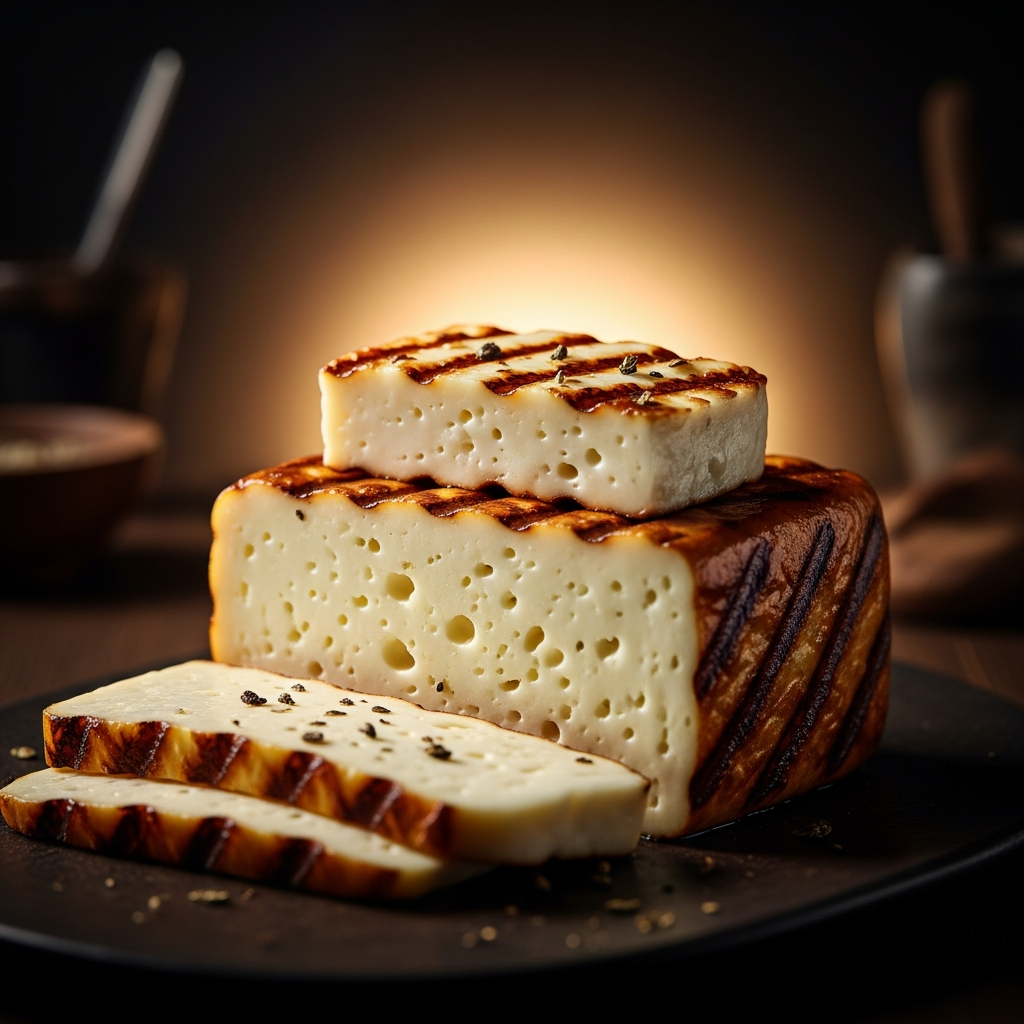
Stoneware mug, dishwasher safe
Buy Mug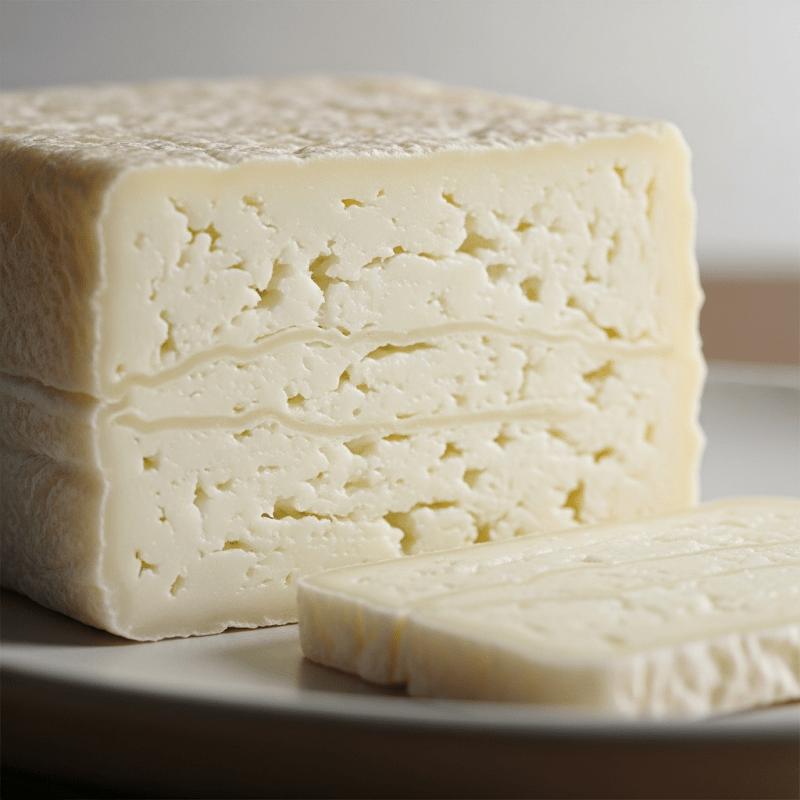
Soft cotton tee, unisex sizes
Buy ShirtHalloumi is deeply woven into Cypriot culture, often featured in family gatherings, religious festivals, and daily meals. Its popularity extends throughout the Eastern Mediterranean, including Greece and Turkey, where it is known as Hellim. The cheese has become a symbol of Cypriot identity and pride, and its PDO status highlights its cultural and economic importance.
Traditional Halloumi is crafted from a blend of sheep’s and goat’s milk, imparting a rich, tangy flavor. Commercial versions may include cow’s milk, but PDO regulations require at least 51% sheep or goat milk. The choice of milk influences Halloumi’s taste, aroma, and texture.
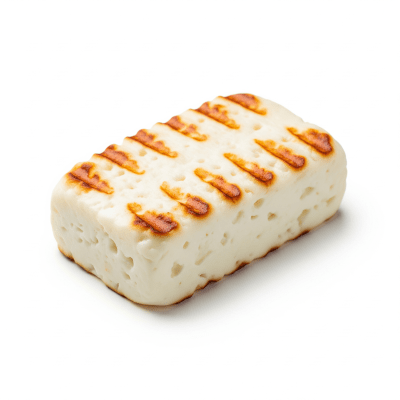
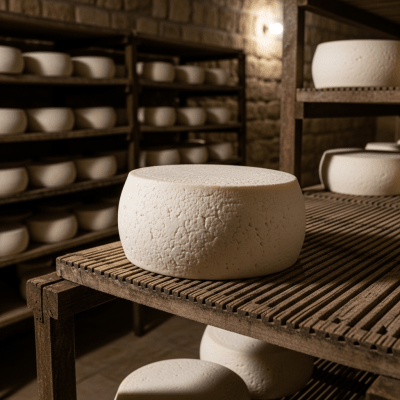
Halloumi is made by heating curds, pressing them into blocks or folded shapes, and then brining the cheese. Fresh mint leaves are often incorporated for flavor and preservation. Under PDO rules, only animal rennet is permitted, and the cheese is not aged, maintaining its fresh character.
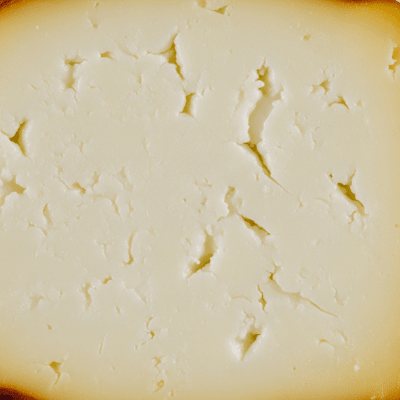
Halloumi boasts a layered, elastic texture with a firm, springy bite. It is moist yet resilient, and notably lacks a rind, presenting a smooth, white surface throughout.
Halloumi is typically consumed fresh or after a brief maturation in brine. It is not aged for extended periods, which preserves its mild, tangy flavor and chewy texture. The short maturation process enhances its saltiness and ensures a high moisture content.
Halloumi has been awarded Protected Designation of Origin (PDO) status by the European Union. Only cheese produced in Cyprus according to traditional recipes and methods can legally be called Halloumi within the EU. The regulatory authority is the European Commission (EU PDO Registry).
Halloumi is commonly sold in block or folded formats, vacuum-packed for freshness. Some packages include mint leaves, and the cheese is available in both retail and bulk sizes for home and foodservice use.
Choose Halloumi with a firm texture and clean, white appearance. Store unopened packages in the refrigerator; once opened, keep the cheese submerged in brine or wrap tightly to maintain moisture. Consume within a week for optimal freshness, and avoid freezing to preserve its unique texture.