Gruyère
Gruyère is a celebrated Swiss hard cheese made from cow’s milk, renowned for its firm texture, complex nutty flavor, and exceptional melting qualities.
Gruyère is a celebrated Swiss hard cheese made from cow’s milk, renowned for its firm texture, complex nutty flavor, and exceptional melting qualities.
Gruyère hails from the canton of Fribourg in western Switzerland, with its roots tracing back to at least the 12th century. Named after the town of Gruyères, the cheese’s traditional production is deeply woven into the Alpine landscape and Swiss heritage. Today, Gruyère is protected by PDO status in Switzerland and the EU, with strict regulations governing its production in Fribourg, Vaud, Neuchâtel, Jura, and parts of Bern. While French Gruyère exists, it is distinct and not covered by the Swiss PDO.
Gruyère belongs to the family of hard, pressed, cooked cheeses made from cow’s milk. It is a cornerstone of Alpine cheese traditions and is classified as a Swiss PDO cheese, distinguishing it from similar varieties like Emmental and French Gruyère. Its dense paste and minimal holes set it apart within the broader category of European mountain cheeses.
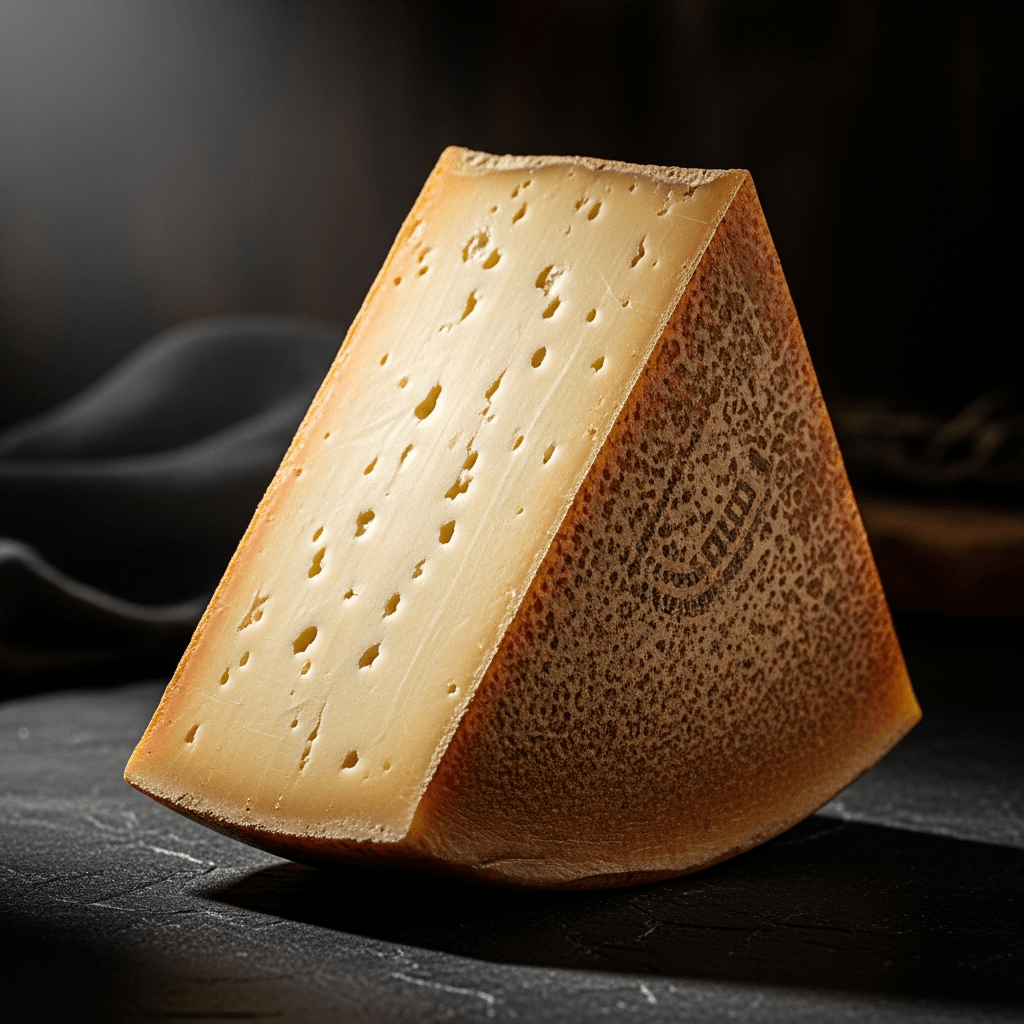
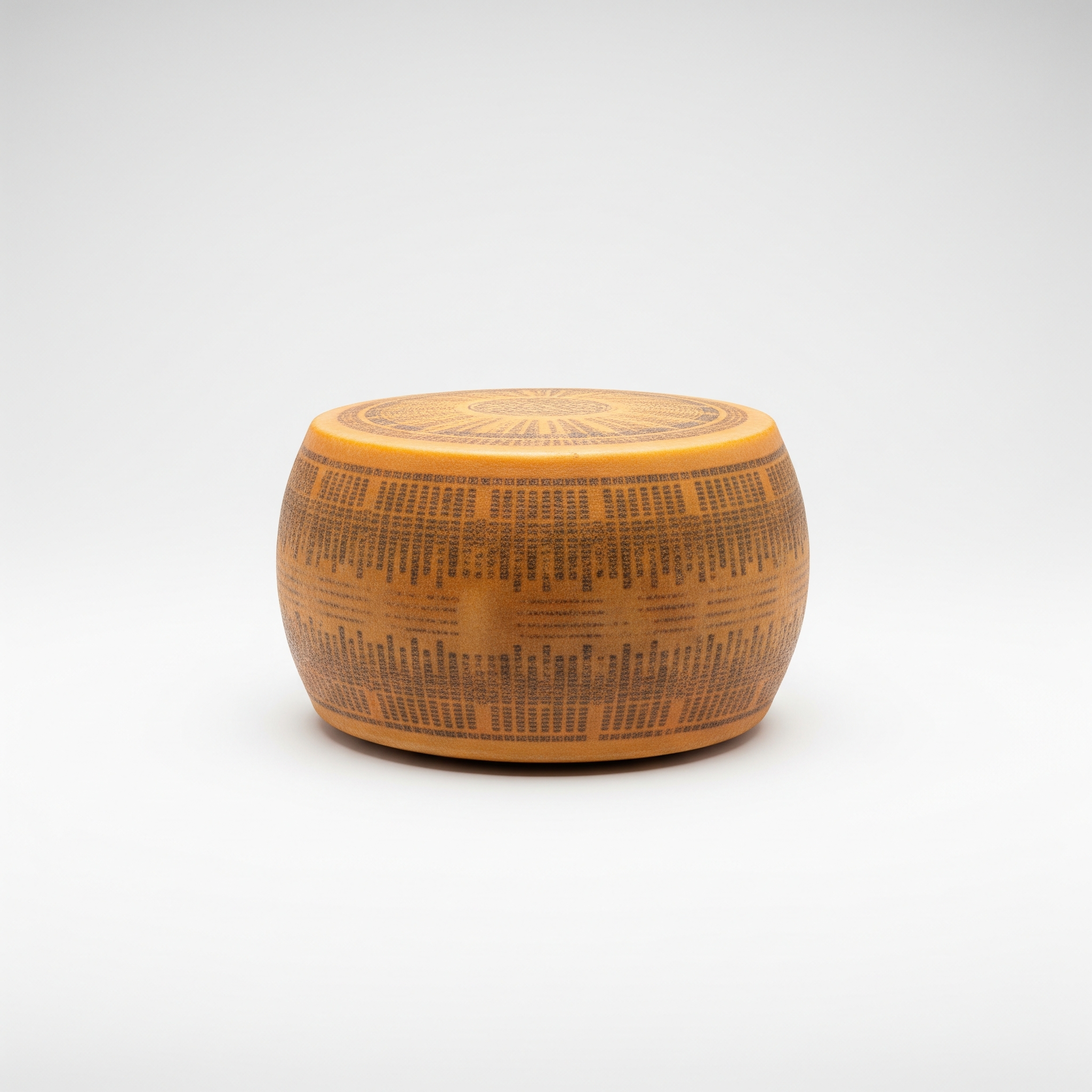
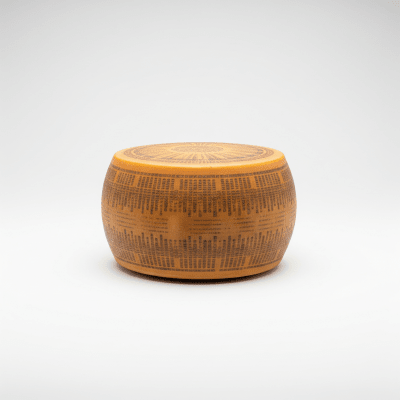
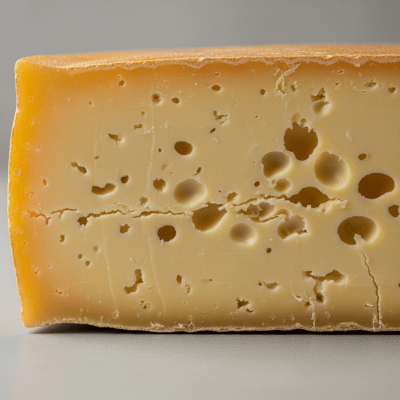
Gruyère is typically formed into large wheels weighing between 25 and 40 kilograms, with a height of 9–12 cm and a diameter of 55–65 cm. Its rind is hard, grainy, and brownish, encasing a pale yellow interior that is dense, creamy, and nearly free of holes. The cheese’s firm texture and substantial weight make it visually impressive and tactilely satisfying.
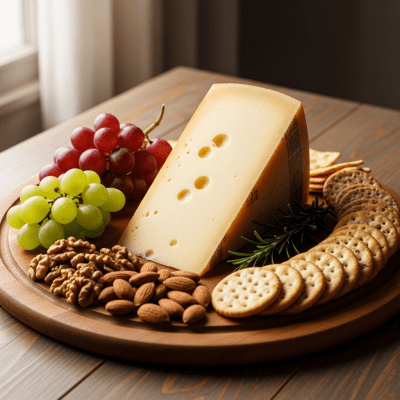
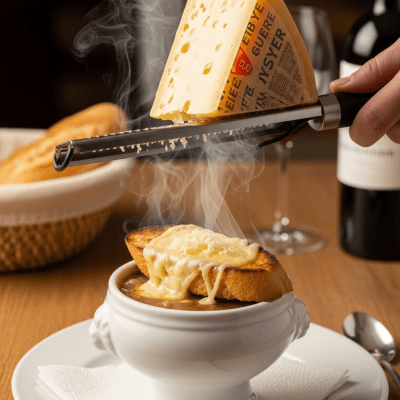
Gruyère is prized for its smooth, even melt, making it an essential ingredient in classic dishes such as fondue, French onion soup, and gratins. Its resistance to splitting when melted ensures a creamy consistency in cooked recipes. On cheese boards, Gruyère is enjoyed sliced or cubed, offering a rich, nutty flavor that pairs beautifully with fruit, nuts, and wine.
Bring this kind into your world illustrated posters, mugs, and shirts.
Archival print, museum-grade paper
Buy Poster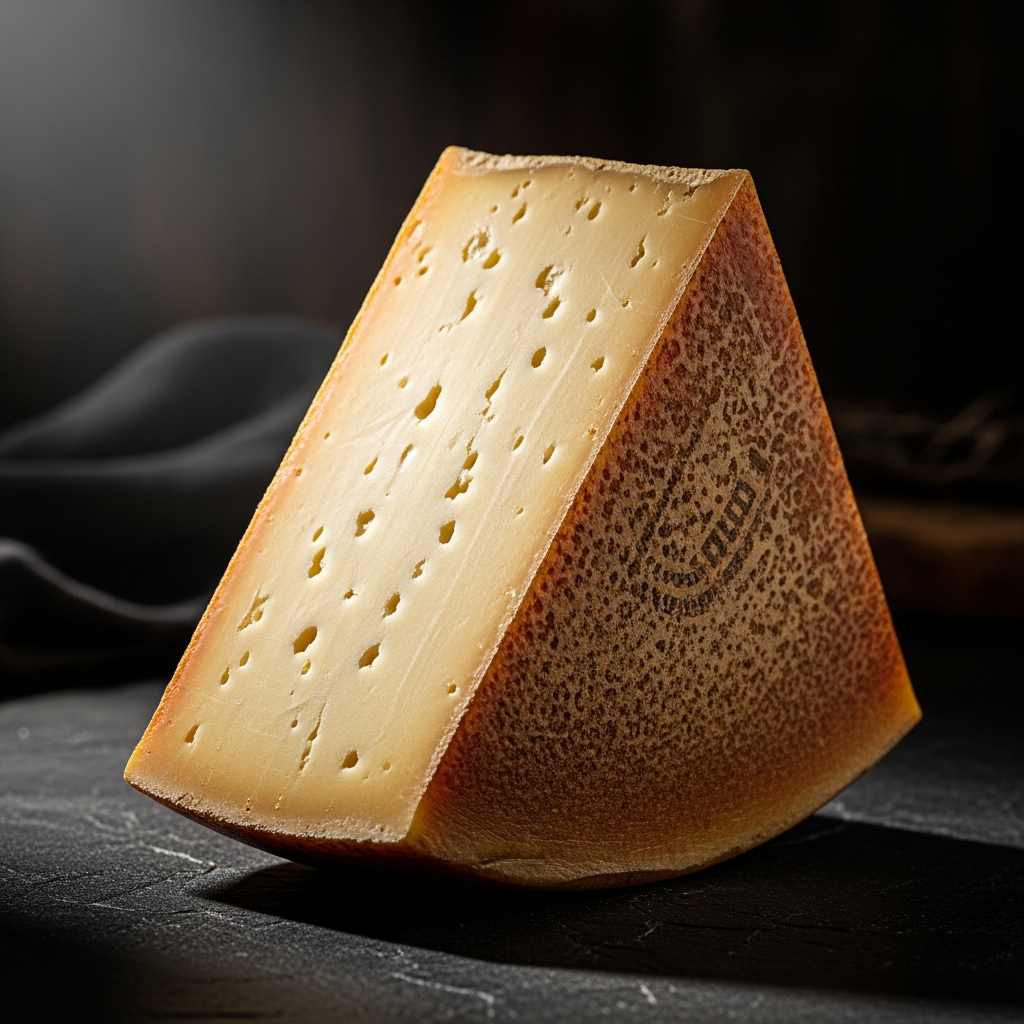
Stoneware mug, dishwasher safe
Buy Mug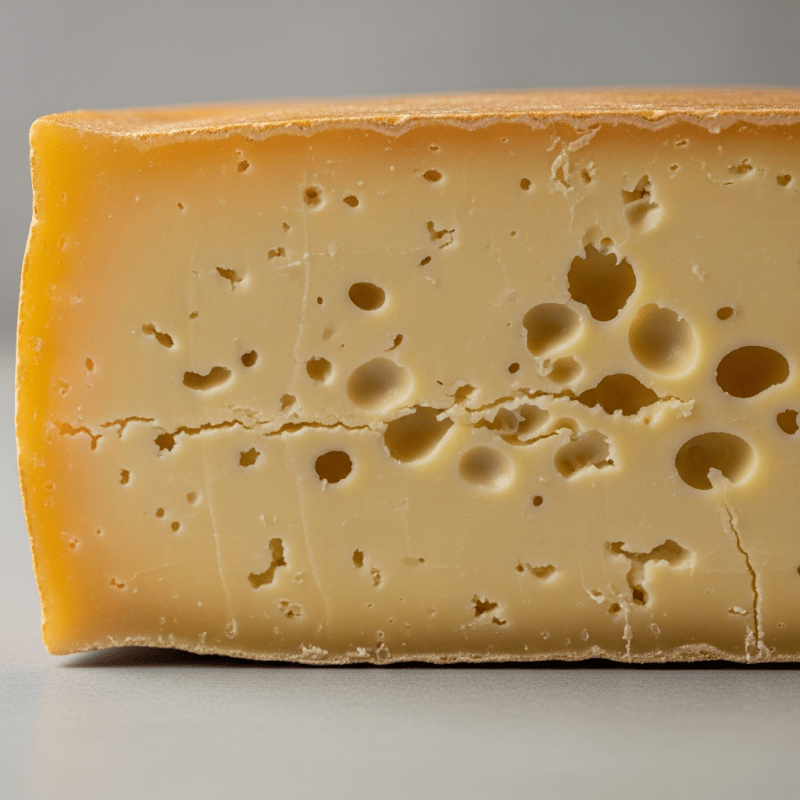
Soft cotton tee, unisex sizes
Buy ShirtGruyère is a symbol of Swiss culinary identity and Alpine tradition. It plays a starring role in iconic Swiss and French dishes, and its reputation is upheld by strict PDO regulations that protect its heritage and authenticity. Gruyère’s presence at international cheese competitions and its frequent accolades underscore its status as one of the world’s most respected cheeses.
Gruyère is made exclusively from the milk of cows. The rich, unpasteurized cow’s milk imparts a creamy texture and layered, nutty flavors that are hallmarks of the cheese.
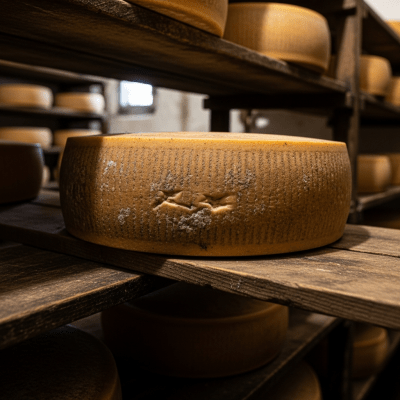
Gruyère is crafted using traditional techniques: unpasteurized cow’s milk is curdled, then the curd is heated, pressed, and brined. The wheels are ripened in cellars with carefully controlled humidity and temperature, allowing the cheese to develop its signature texture and flavor over months of maturation.
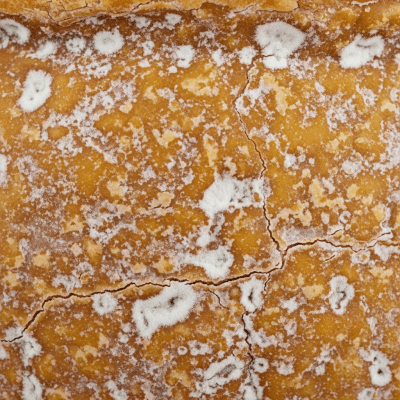
The texture of Gruyère is firm, dense, and creamy, with a smooth interior and minimal holes. Its rind is hard, grainy, and brownish, protecting the cheese during aging and contributing to its rustic appearance.
Gruyère is aged for a minimum of 5 months, with some wheels maturing for up to 18 months or longer. As it ages, the cheese evolves from mild and creamy to more assertive, earthy, and complex, with deeper nutty and savory notes.
Gruyère holds Protected Designation of Origin (PDO) status in Switzerland and the European Union, regulated by the Interprofession du Gruyère and the Swiss Federal Office for Agriculture. This designation ensures that only cheese produced in specified Swiss regions using traditional methods can bear the Gruyère name.
Gruyère is available in various formats, from full wheels to convenient slices and cubes for retail and culinary use.
When selecting Gruyère, look for a firm, uncracked rind and a creamy, pale yellow interior. Store the cheese wrapped in wax paper or cheese paper in the refrigerator to preserve moisture and flavor. For best results, consume within a few weeks of purchase and allow slices to reach room temperature before serving.