Gouda
Gouda is a classic Dutch cheese celebrated worldwide for its creamy texture, mild flavor, and remarkable versatility across ages and culinary uses.
Gouda is a classic Dutch cheese celebrated worldwide for its creamy texture, mild flavor, and remarkable versatility across ages and culinary uses.
Gouda traces its roots to the Netherlands, specifically the city of Gouda in South Holland, with documented production dating back to the 12th century. Its enduring legacy makes Gouda one of the oldest recorded cheeses still crafted today. While the name "Gouda" is used globally, authentic Gouda from the Netherlands—such as "Gouda Holland" and "Noord-Hollandse Gouda"—holds EU Protected Geographical Indication (PGI) status, safeguarding its traditional methods and regional heritage. Outside Europe, Gouda is produced generically, often with local adaptations.
Gouda belongs to the semi-hard cheese family, distinguished by its washed-curd production and pressed wheel format. Its classification is defined by milk source (primarily cow), texture (ranging from smooth and elastic in youth to crystalline when aged), and aging method. Gouda’s generic name is used internationally, but only certain Dutch varieties are legally protected within the EU.
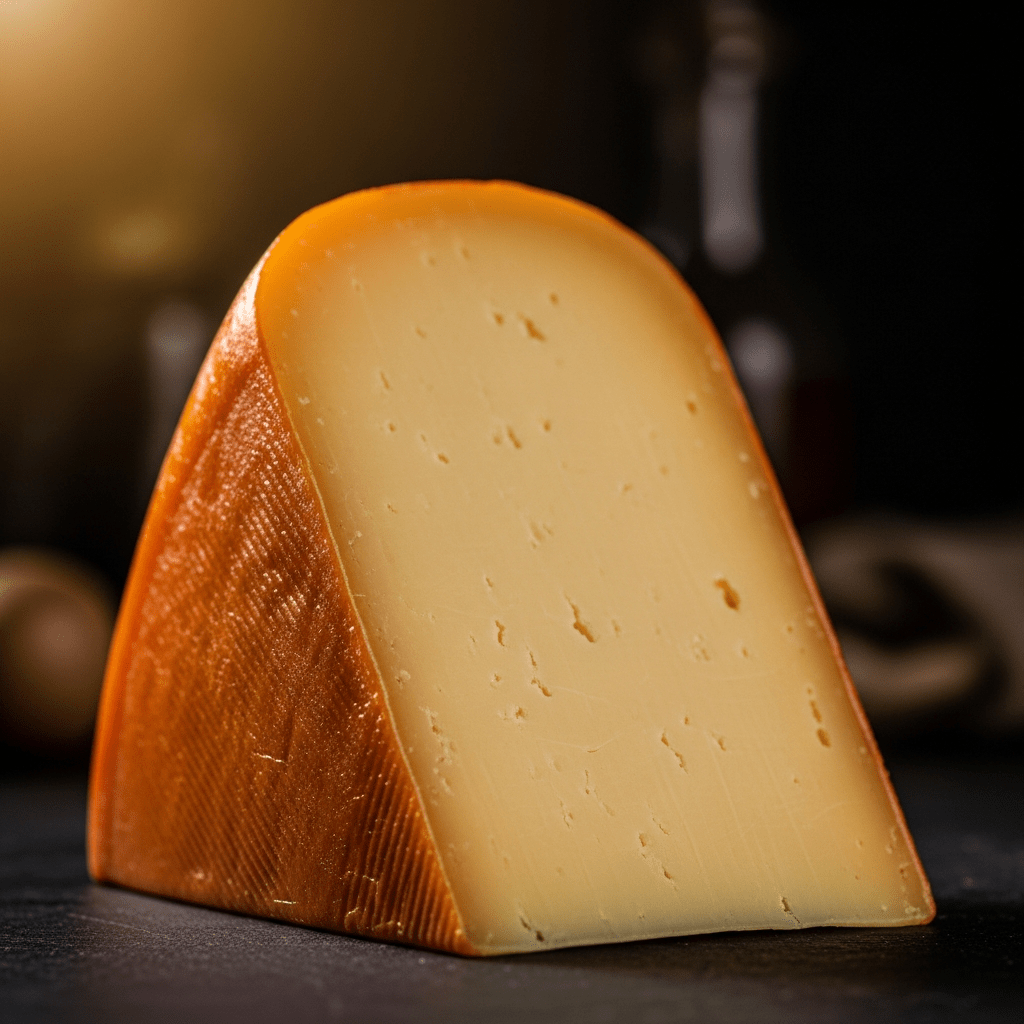
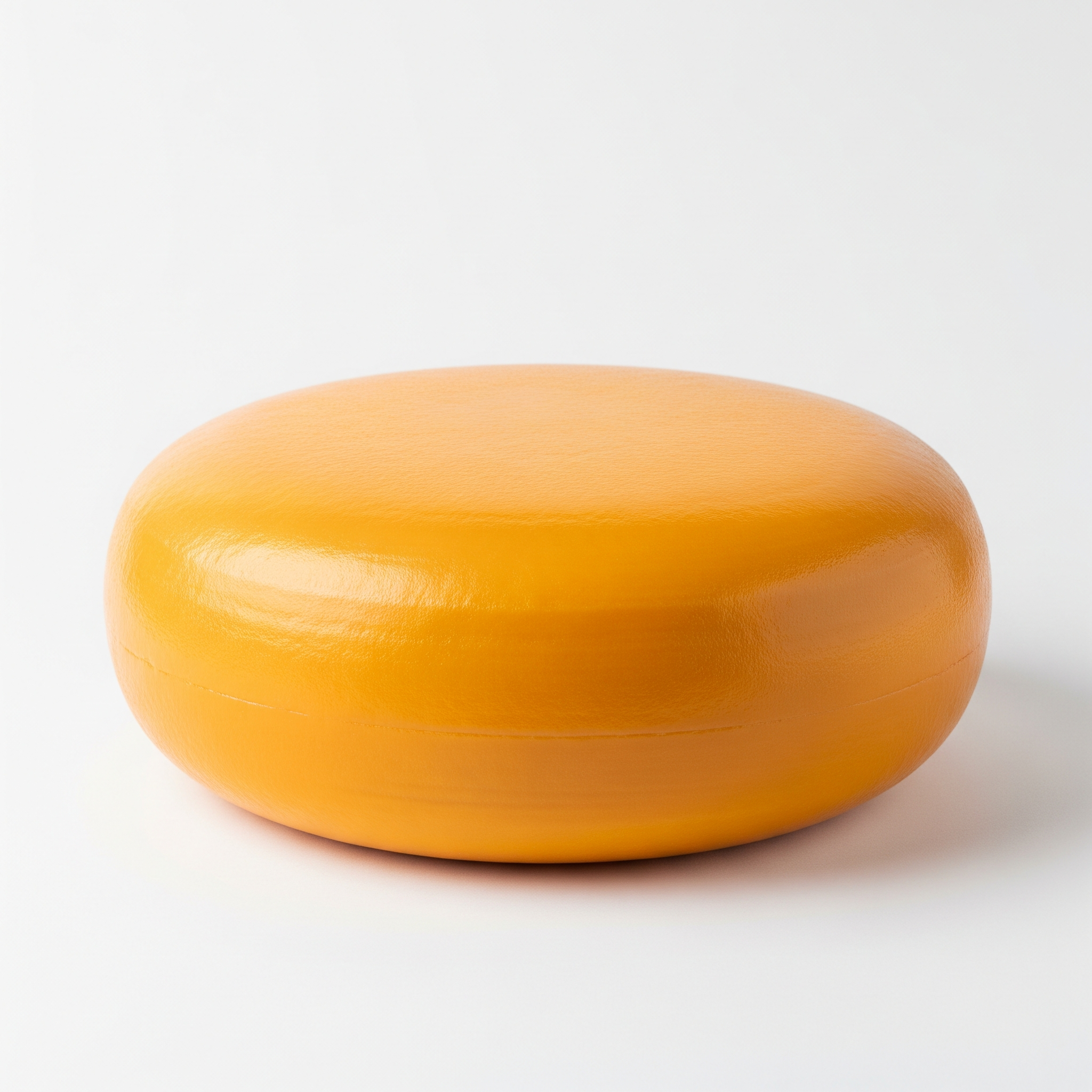
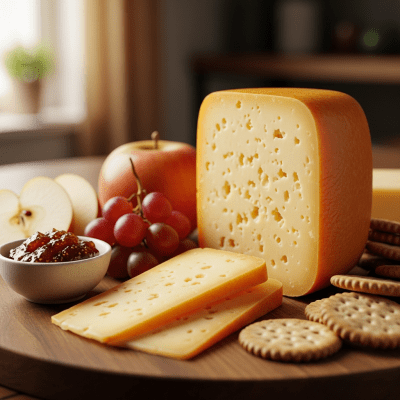
Gouda typically presents as a circular wheel weighing between 4 and 18 kilograms. Its interior is pale yellow, sometimes dotted with small holes or "eyes." The rind is most often coated in wax—red, yellow, or black—though some artisanal varieties feature a natural rind. Young Gouda is smooth and dense, while aged Gouda develops a firmer, brittle texture with visible crystals.
Gouda’s mild, creamy profile and superb melting qualities make it a favorite for sandwiches, snacking, and cooking. Its versatility shines in cheese boards, soups, sauces, and baked dishes. Young Gouda is soft and subtle, ideal for everyday use, while aged Gouda offers bold, caramel-like flavors and a satisfying crunch, appealing to connoisseurs and casual eaters alike.
Bring this kind into your world illustrated posters, mugs, and shirts.
Archival print, museum-grade paper
Buy Poster
Stoneware mug, dishwasher safe
Buy Mug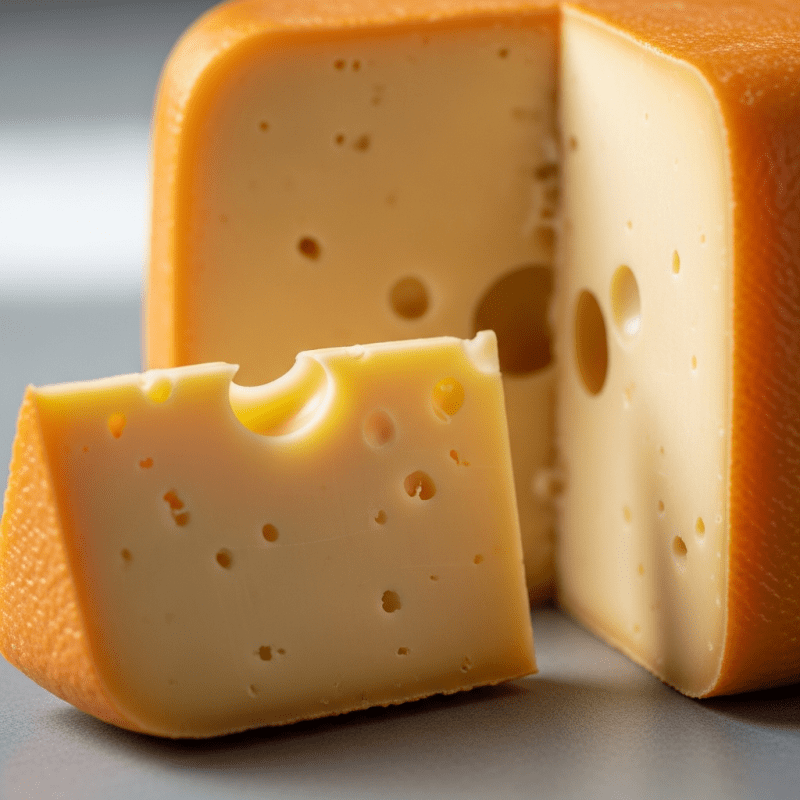
Soft cotton tee, unisex sizes
Buy ShirtGouda is a cornerstone of Dutch culinary tradition and a symbol of the Netherlands’ rich dairy heritage. Its name is synonymous with quality and craftsmanship, often featured in local markets and festivals. Gouda’s global popularity has made it a cultural ambassador, appearing in art, literature, and modern cuisine, while its protected status within the EU underscores its importance to regional identity.
Gouda is traditionally made from cow’s milk, which imparts its signature creamy, mellow flavor. While goat and sheep milk Gouda variants exist, cow’s milk remains the standard and most widely recognized base for authentic Gouda.
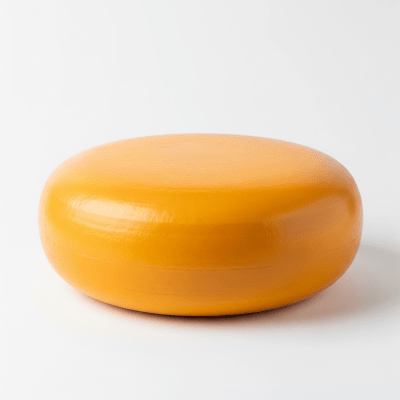


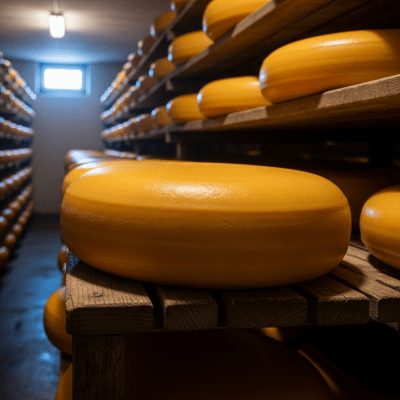
Gouda is crafted using a washed-curd technique, where curds are rinsed to reduce acidity and create a sweeter, milder taste. The curds are pressed into circular wheels and aged in controlled environments, often on wooden shelves. The rind is typically coated in wax to preserve moisture and flavor, though some producers opt for a natural finish. Variations include smoking or adding herbs and spices.
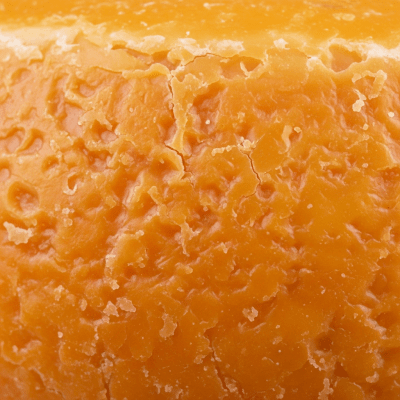
Young Gouda boasts a smooth, dense, and elastic texture, while aged Gouda becomes firmer and develops a crystalline, brittle quality. The rind is usually wax-coated—red, yellow, or black—providing both protection and visual appeal. In some artisanal versions, a natural rind is allowed to form, enhancing complexity.
Aging is central to Gouda’s character. Young Gouda (Jonge Gouda) is aged just a few weeks, offering a soft, mild experience. Matured Gouda (Oude or Overjarige Gouda) can be aged over 18 months, resulting in a robust, caramelized flavor and crunchy texture. The maturation process deepens color, intensifies taste, and transforms texture from supple to crystalline.
Authentic Dutch Gouda varieties such as "Gouda Holland" and "Noord-Hollandse Gouda" are safeguarded by the EU’s Protected Geographical Indication (PGI) status, ensuring traditional production and regional authenticity. Outside the EU, the name "Gouda" is not legally protected, allowing for broad international production and variation.
Gouda is available in a variety of market forms, including large wheels, blocks, shredded cheese, and small wheels known as "Baby Gouda." This diversity makes it accessible for retail, foodservice, and home use worldwide.
When selecting Gouda, look for a smooth rind and uniform color. Young Gouda should be springy and moist; aged Gouda should have a firm texture and visible crystals. Store Gouda in the refrigerator, wrapped in wax paper or cheese paper to preserve moisture and flavor. For best taste, allow Gouda to come to room temperature before serving. Consume within a few weeks of opening to enjoy optimal freshness.