Gorgonzola
Gorgonzola is a celebrated Italian blue cheese, instantly recognizable for its marbled blue-green veins and bold, tangy flavor.
Gorgonzola is a celebrated Italian blue cheese, instantly recognizable for its marbled blue-green veins and bold, tangy flavor.
Gorgonzola hails from northern Italy, specifically the regions of Lombardy and Piedmont. Its history stretches back to at least the 9th century, with the town of Gorgonzola near Milan often cited as its birthplace. The cheese’s enduring legacy is protected by the EU’s PDO status, awarded in 1996, which ensures that only cheese produced in designated provinces using traditional methods can bear the name "Gorgonzola." Today, its authenticity and quality are overseen by the Consorzio per la Tutela del Formaggio Gorgonzola.
Gorgonzola belongs to the blue cheese family, distinguished by the intentional introduction of blue-green mold veins. Within this category, it stands out as one of the oldest and most iconic blue cheeses, produced exclusively from cow’s milk. The cheese is further classified into two main styles: Dolce (sweet, mild, creamy) and Piccante (spicy, robust, crumbly), offering a spectrum of textures and flavors within the blue cheese tradition.
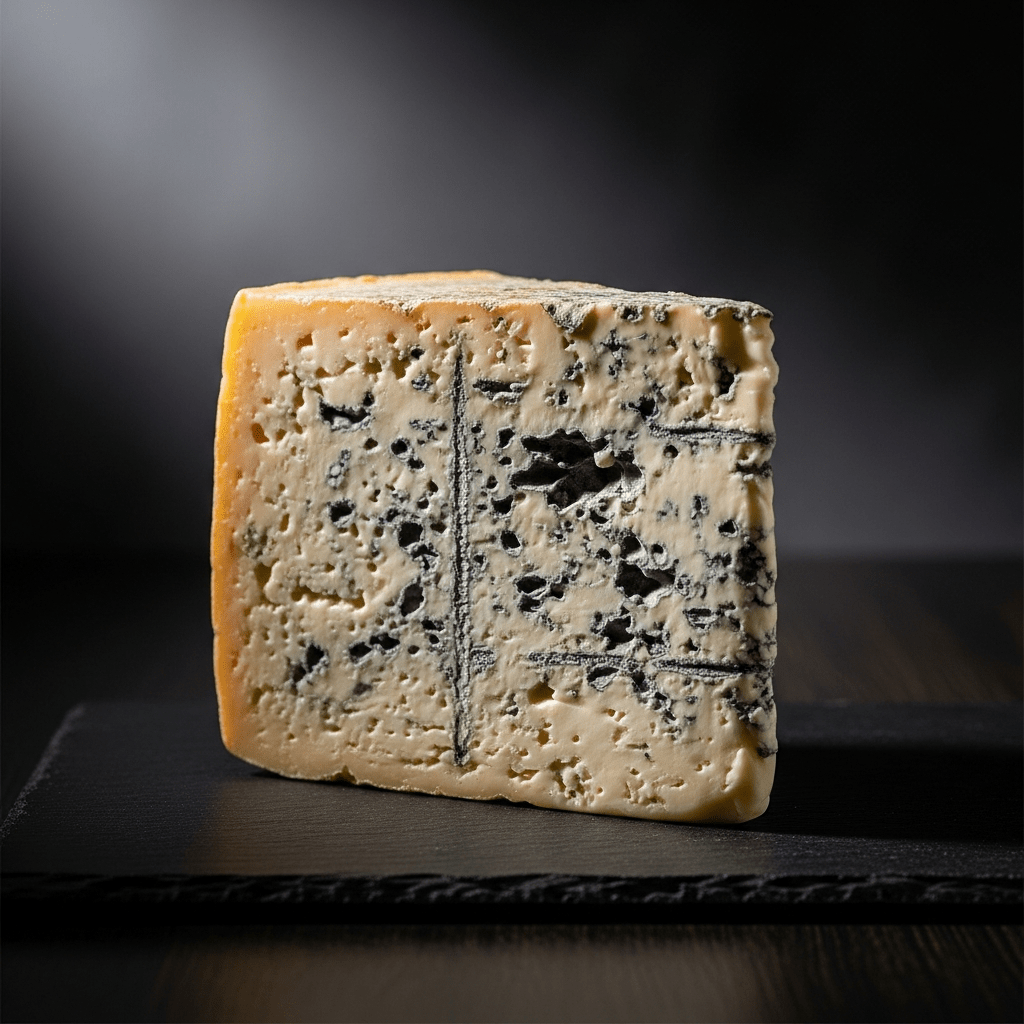
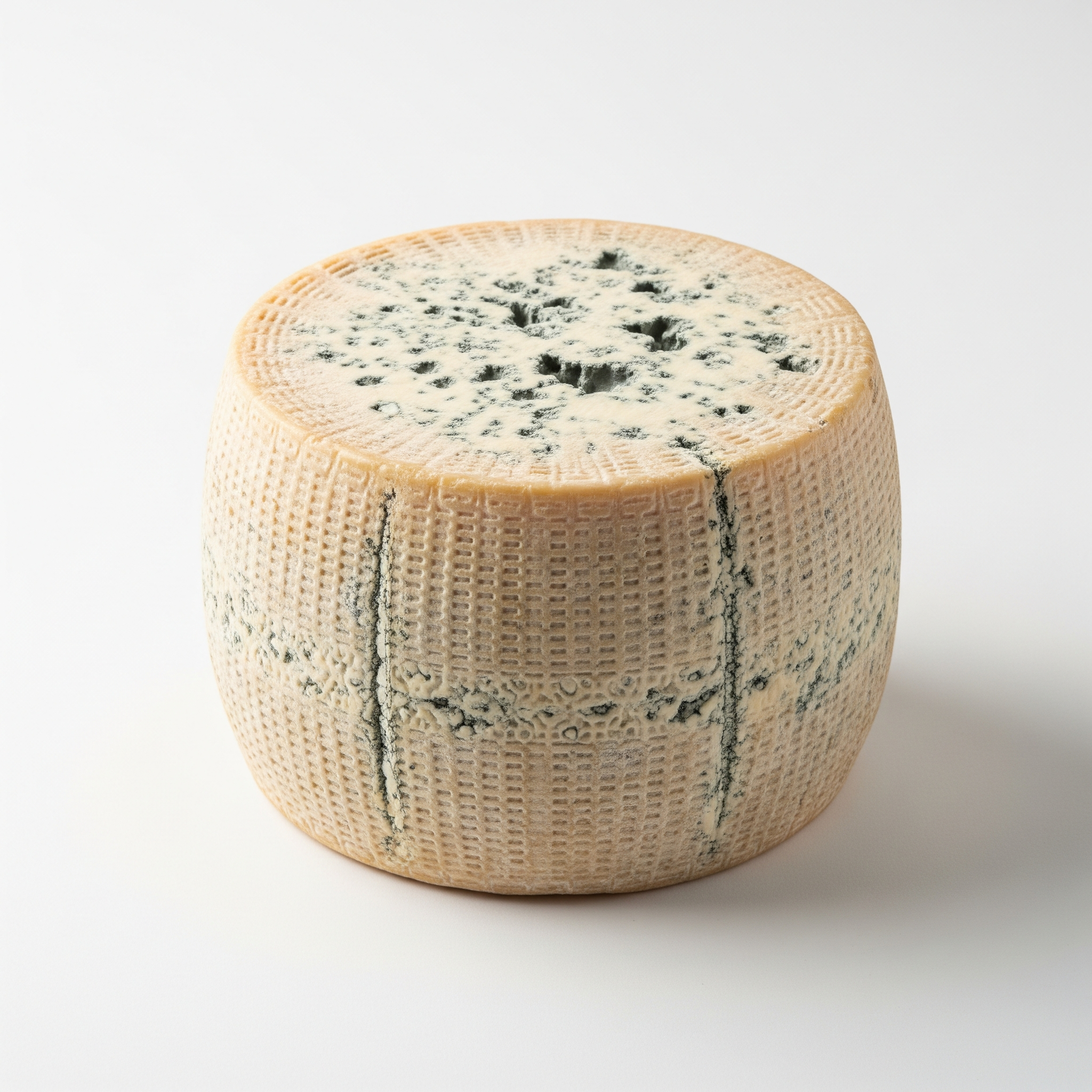
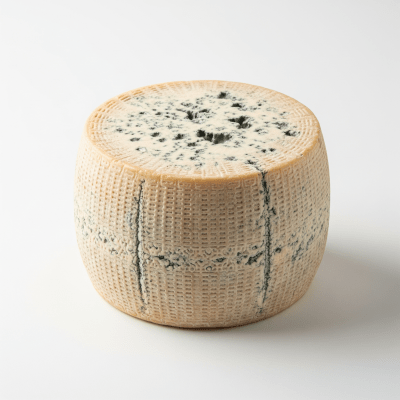
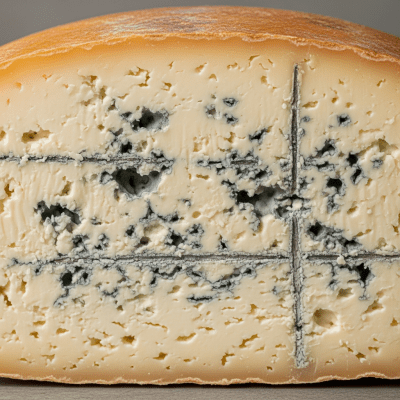
Gorgonzola is typically formed into large cylindrical wheels weighing between 6 and 12 kilograms. Its pale ivory paste is dramatically streaked with blue-green veins, a visual hallmark of the Penicillium glaucum mold. The rind is natural, thin, and sometimes slightly sticky, encasing a cheese that ranges from soft and creamy to firm and crumbly, depending on the style. Wedges cut from the wheel reveal a striking marbled interior.
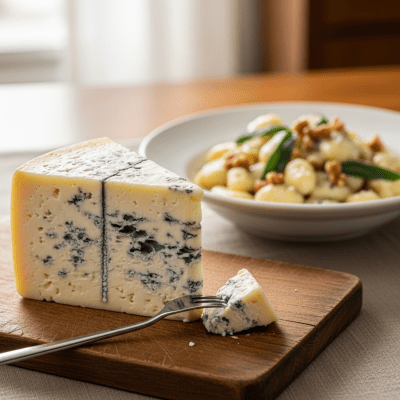
Gorgonzola is prized for its versatility and distinctive character in both Italian and international cuisine. It can be enjoyed as a table cheese, spread on bread, or incorporated into salads, risottos, pasta sauces, and as a bold pizza topping. The Dolce variety is ideal for spreading and pairing with fruits or honey, while Piccante lends robust flavor to cooked dishes and cheese boards.
Bring this kind into your world illustrated posters, mugs, and shirts.
Archival print, museum-grade paper
Buy Poster
Stoneware mug, dishwasher safe
Buy Mug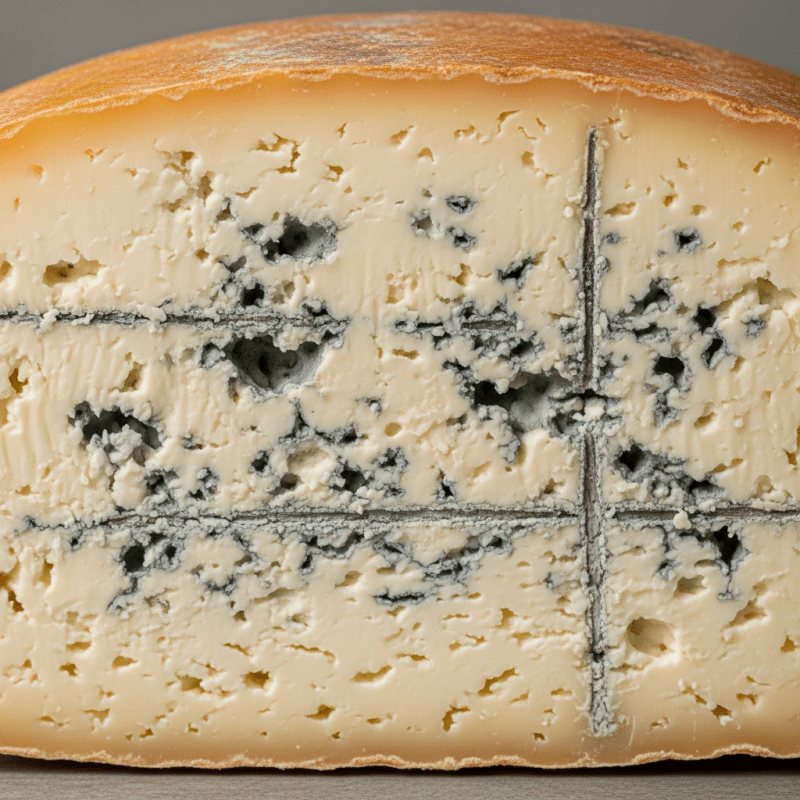
Soft cotton tee, unisex sizes
Buy ShirtGorgonzola is not only a staple of Italian gastronomy but also a symbol of regional pride and culinary tradition. Its protected status reflects its cultural importance, and it frequently appears in Italian art, literature, and festive occasions. Internationally, Gorgonzola has become synonymous with fine blue cheese, inspiring chefs and cheese lovers worldwide and serving as a benchmark for authenticity in the blue cheese category.
Gorgonzola is made exclusively from cow’s milk, which imparts a rich, creamy texture and a balanced flavor profile. The use of pasteurized milk ensures consistency and safety, while supporting the development of the cheese’s signature tang and blue-veined character.

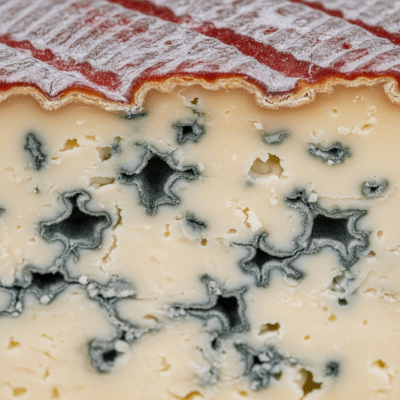
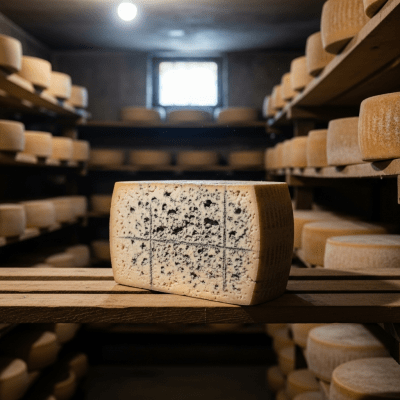
The production of Gorgonzola begins with pasteurized cow’s milk, which is curdled using rennet. The curds are cut, drained, and shaped into wheels. Penicillium glaucum mold is introduced, and the wheels are pierced to allow air inside, promoting the growth of blue-green veins. The cheese is then aged in controlled environments, with no preservatives permitted under PDO regulations, ensuring purity and tradition in every wheel.
Gorgonzola’s texture varies from soft and creamy in the Dolce style to firm and crumbly in Piccante. Its interior is smooth yet marbled with mold veins, while the natural rind is thin, sometimes slightly sticky, and serves to protect the cheese during maturation without imparting strong flavors.
Gorgonzola Dolce is aged for a minimum of 50 days, resulting in a mild, creamy cheese. Piccante is matured for over 80 days, developing a more robust, crumbly texture and intensified flavor. Controlled aging environments regulate temperature and humidity, allowing the mold to flourish and the cheese’s character to deepen over time.
Gorgonzola holds Protected Designation of Origin (PDO) status under EU law, regulated by the Consorzio per la Tutela del Formaggio Gorgonzola. This ensures that only cheese produced in designated areas of Lombardy and Piedmont using prescribed methods can be labeled as "Gorgonzola," safeguarding its heritage and quality.
Gorgonzola is most commonly sold as large wheels or pre-cut wedges. Specialty shops may offer freshly cut portions, while supermarkets typically stock vacuum-sealed wedges for convenience and freshness.
When selecting Gorgonzola, look for a fresh, creamy interior with vibrant blue-green veining and a clean, natural rind. Store the cheese in the refrigerator, wrapped in wax paper or cheese paper and then loosely in plastic to maintain moisture while allowing it to breathe. Consume within a week for optimal flavor, and keep wedges separate from strong-smelling foods to preserve their delicate aroma.