Fontina
Fontina is a celebrated Italian semi-soft cheese made from cow’s milk, renowned for its rich, nutty flavor and exceptional melting qualities.
Fontina is a celebrated Italian semi-soft cheese made from cow’s milk, renowned for its rich, nutty flavor and exceptional melting qualities.
Fontina traces its roots to the alpine Aosta Valley in northwest Italy, where it has been crafted since at least the 12th century. This cheese is a product of centuries-old dairy traditions, and its authenticity is safeguarded by the European Union’s Protected Designation of Origin (PDO) status. Only Fontina produced in the Aosta Valley using local cow’s milk and traditional methods can bear the true name, distinguishing it from similar cheeses made elsewhere.
Fontina belongs to the family of semi-soft, alpine cheeses and is classified by its cow’s milk origin, supple texture, and cave-aged maturation. It stands as a benchmark among mountain cheeses, sharing traits with other European varieties but maintaining a distinct identity through its PDO protection and regional specificity.
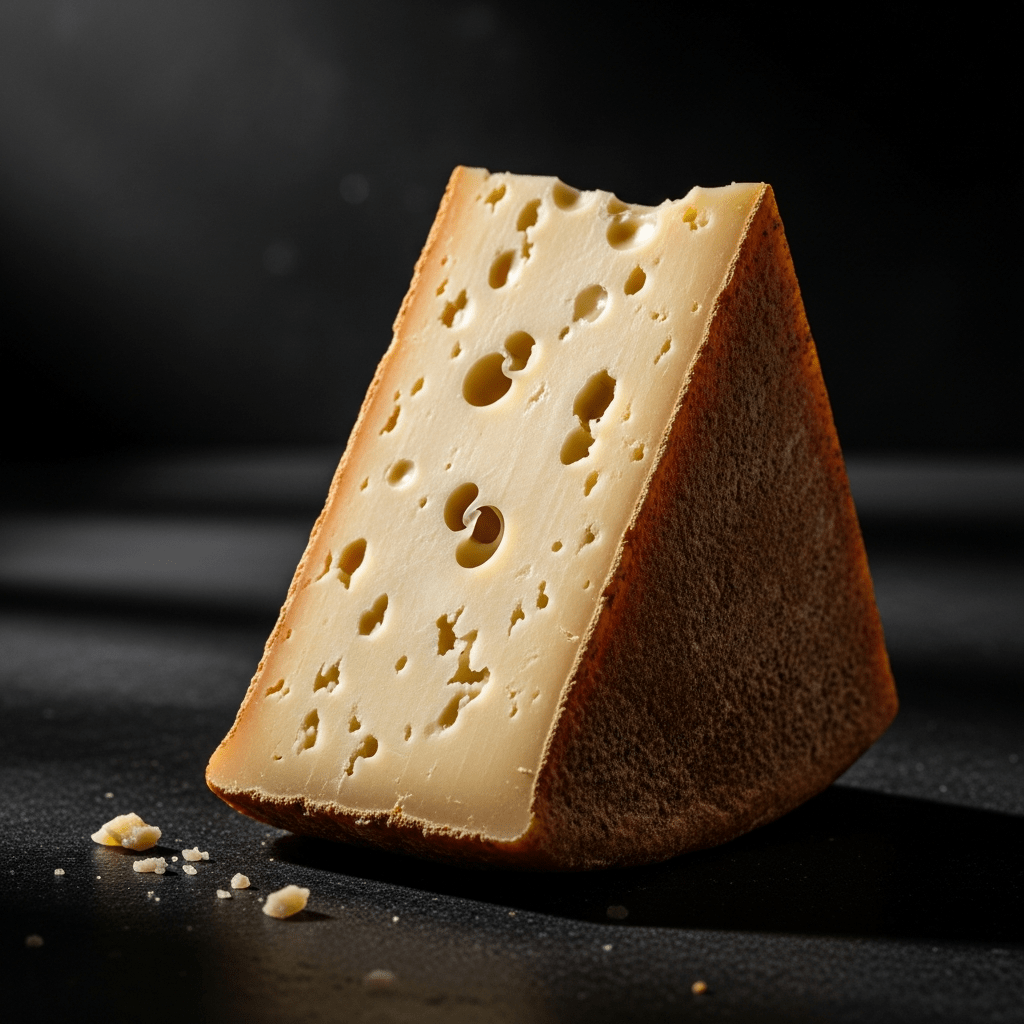
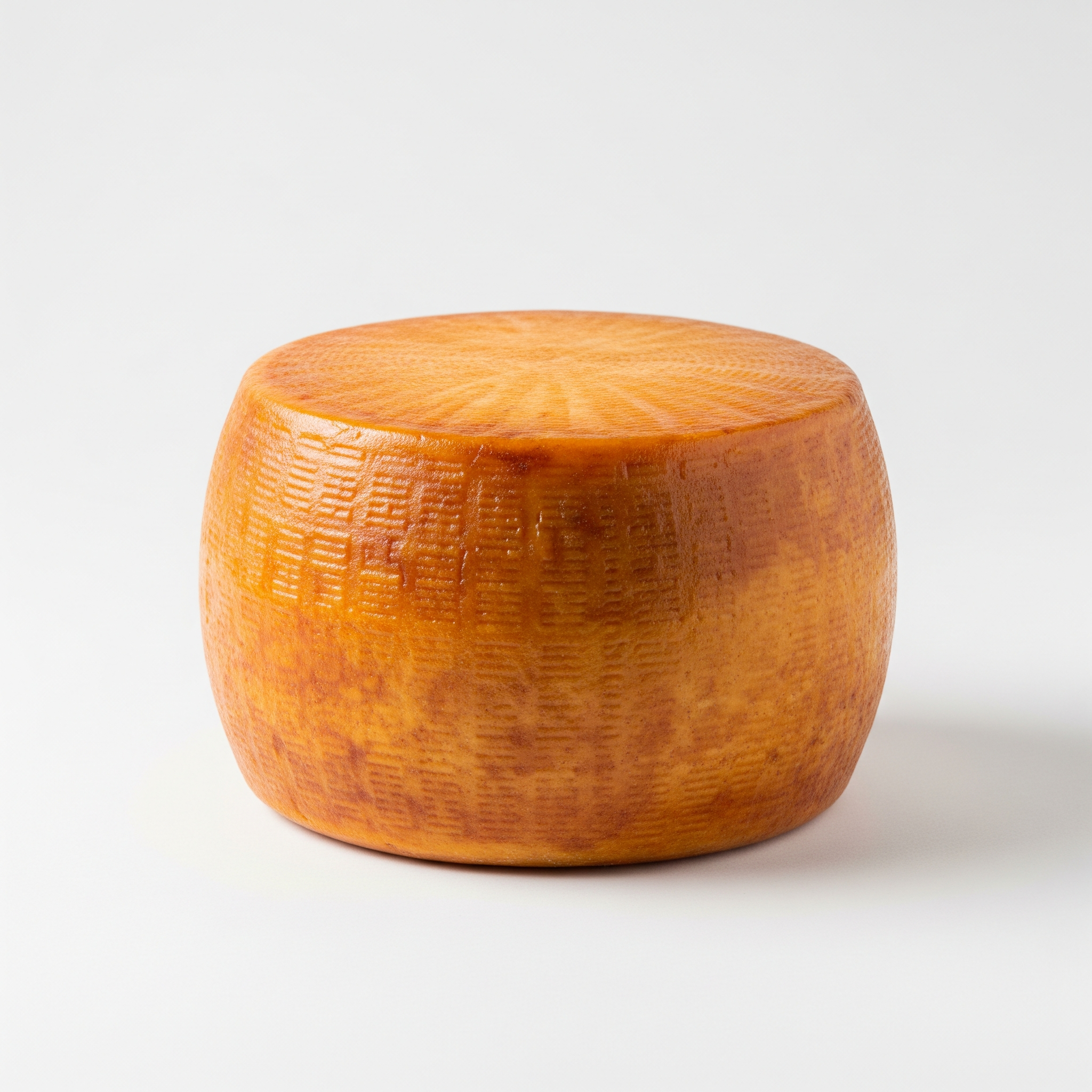
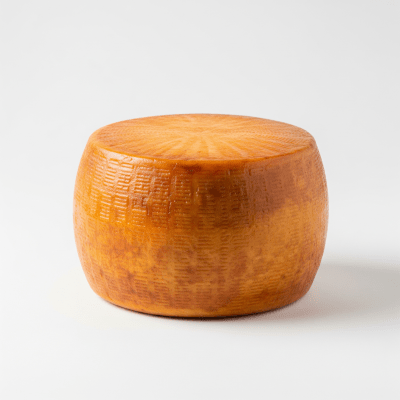
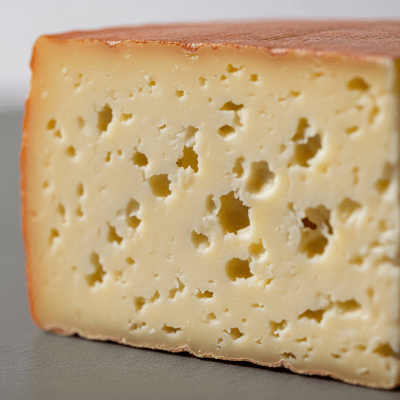
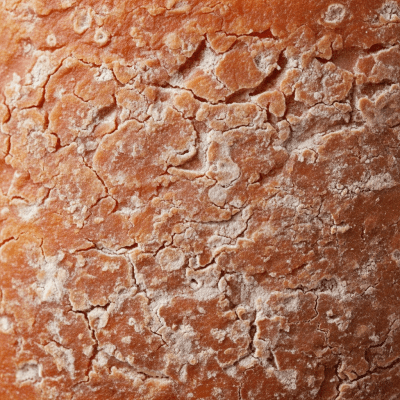
Fontina is typically formed into large wheels weighing 8–12 kg (17–26 lbs) and measuring 30–45 cm (12–18 in) across. Its interior is pale yellow, dotted with small holes (“eyes”), while the exterior features a natural reddish-brown rind. The cheese’s texture is supple and slightly elastic, offering a pleasant mouthfeel and a visually inviting slice.
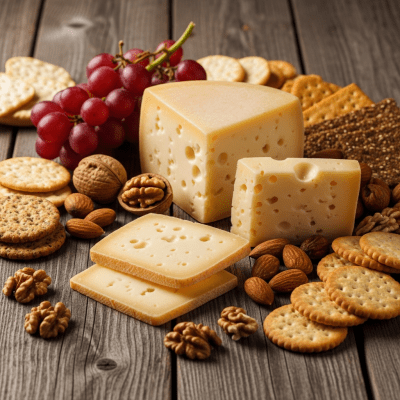
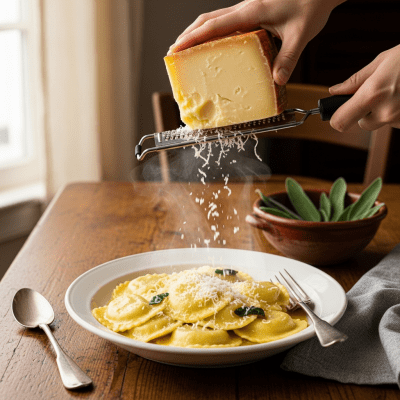
Fontina’s superb meltability makes it a favorite in both traditional and modern cuisine. It is the star of Italian dishes like Fonduta and polenta, and its robust flavor enhances sandwiches, sauces, and baked recipes. On cheese boards, Fontina is enjoyed sliced or cubed, complementing fruits, nuts, and cured meats.
Bring this kind into your world illustrated posters, mugs, and shirts.
Archival print, museum-grade paper
Buy Poster
Stoneware mug, dishwasher safe
Buy Mug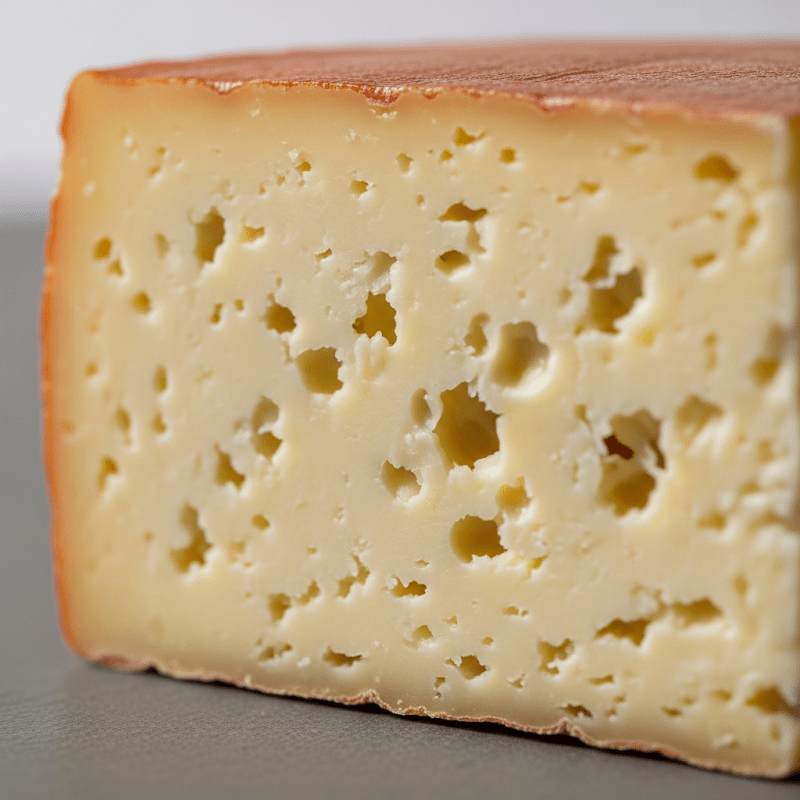
Soft cotton tee, unisex sizes
Buy ShirtFontina is a symbol of Aosta Valley’s alpine heritage and dairy craftsmanship. Its PDO status reflects its cultural importance, ensuring the preservation of local methods and identity. The cheese is featured in regional festivals, culinary traditions, and is a point of pride for Italian gastronomy, recognized across Europe and beyond as an ambassador of mountain cheese culture.
Fontina is crafted exclusively from the unpasteurized milk of Valdostana cows. This local milk imparts a rich, creamy character and contributes to the cheese’s distinctive nutty and earthy flavors.
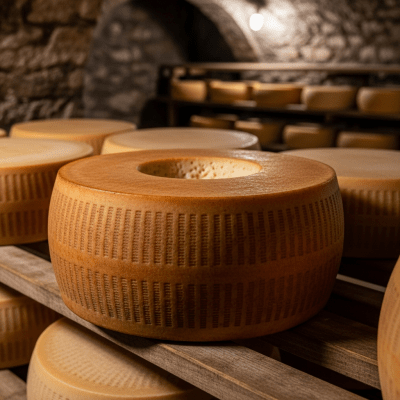
Traditional Fontina production involves rennet coagulation of fresh cow’s milk, followed by curd cutting, pressing, and brining. The wheels are then aged in cool, humid caves, allowing natural rind development and complex flavor maturation. Strict adherence to these methods is required for PDO certification.
Fontina’s texture is semi-soft to firm, supple, and slightly elastic, with small holes scattered throughout. The natural rind is reddish-brown, formed during cave aging, and contributes to the cheese’s earthy aroma and flavor depth.
Fontina is aged for a minimum of 80 days in carefully controlled cave conditions. This maturation period allows the cheese to develop its signature earthy, mushroomy, and nutty notes, while the texture becomes more open and elastic. Longer aging intensifies both flavor and aroma.
Fontina holds the European Union’s Protected Designation of Origin (PDO) status, officially recognized as “Fontina Val d’Aosta.” Only cheese produced in the Aosta Valley using local milk and traditional methods may bear this name, as regulated by the Consorzio Produttori Fontina and the EU PDO Registry.