
Feta
Feta is a classic Greek brined white cheese, celebrated for its crumbly texture, tangy flavor, and protected status as an authentic regional specialty.
Feta is a classic Greek brined white cheese, celebrated for its crumbly texture, tangy flavor, and protected status as an authentic regional specialty.
Feta’s story begins in ancient Greece, with references to similar cheeses appearing as early as the Homeric era. Its modern form was standardized in the 20th century, and in 2002, the European Union granted feta Protected Designation of Origin (PDO) status. This means only cheese produced in designated regions of Greece, using traditional methods and milk from local sheep and goats, can legally bear the name “feta” within the EU. The cheese’s name is derived from the Italian word fetta, meaning “slice,” a nod to its typical presentation.
Feta belongs to the family of brined cheeses, characterized by preservation in salty water and a moist, crumbly texture. Within the cheese taxonomy, it is classified as a soft, white, fresh cheese made primarily from sheep’s milk, sometimes blended with up to 30% goat’s milk. Its PDO status further distinguishes authentic Greek feta from similar cheeses produced elsewhere.
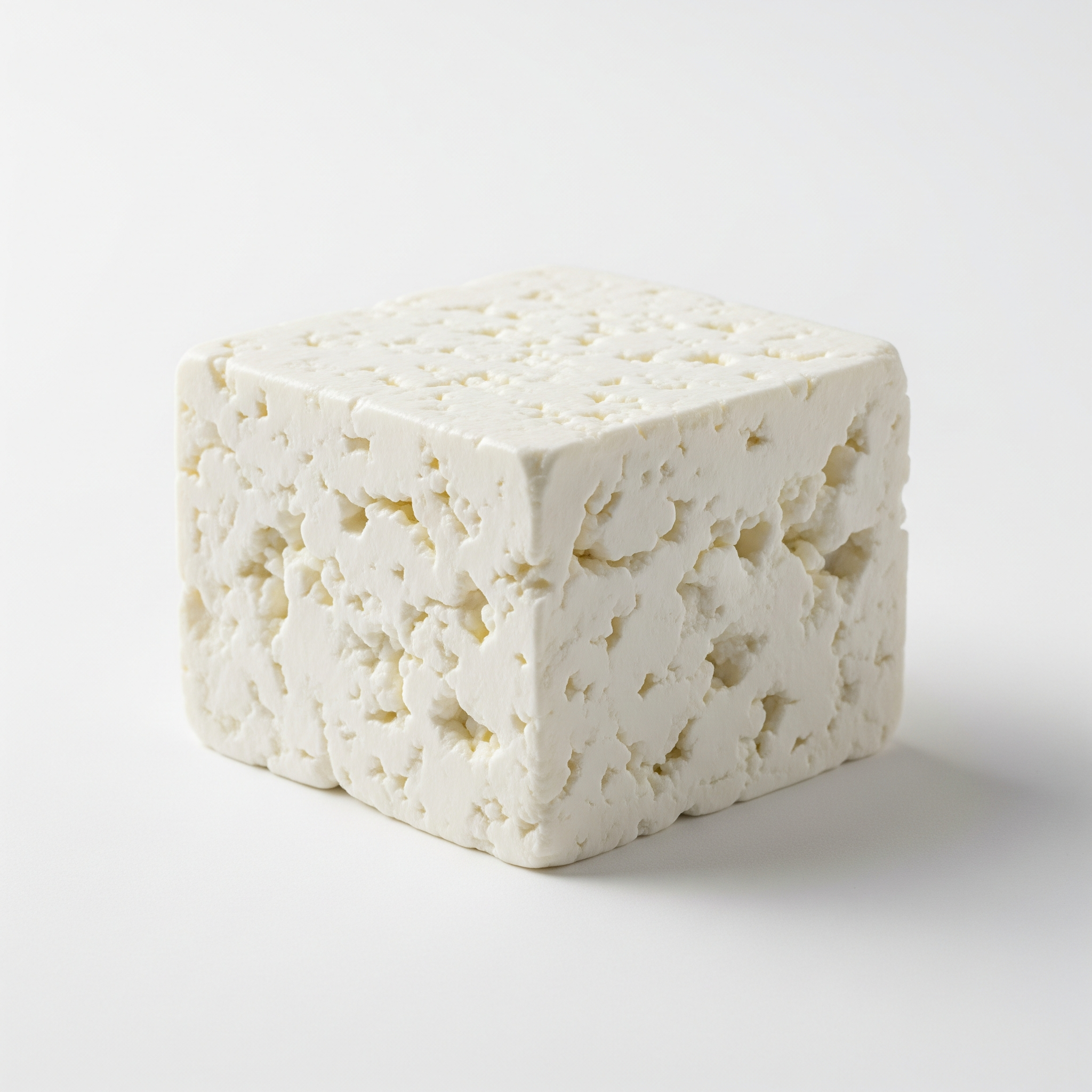
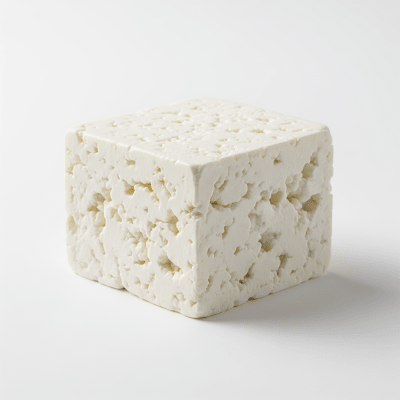
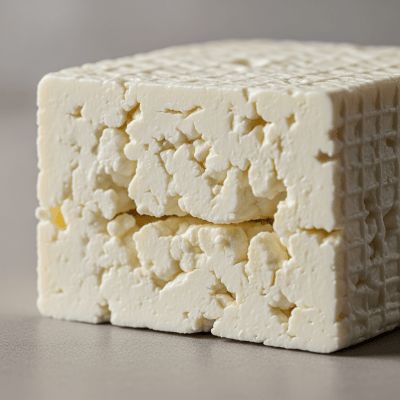
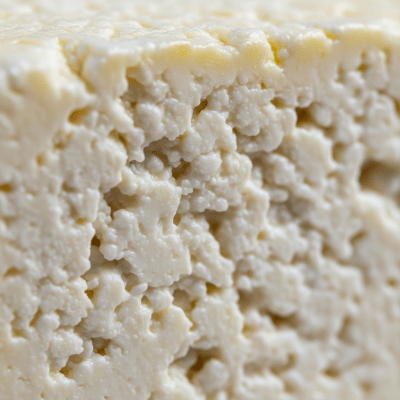
Feta is instantly recognizable by its pure white color, crumbly and slightly grainy texture, and absence of a rind. It is typically formed into blocks or slices, often submerged in brine, which both preserves the cheese and imparts its signature salty tang. The cheese is moist, yet firm enough to be sliced or crumbled easily.
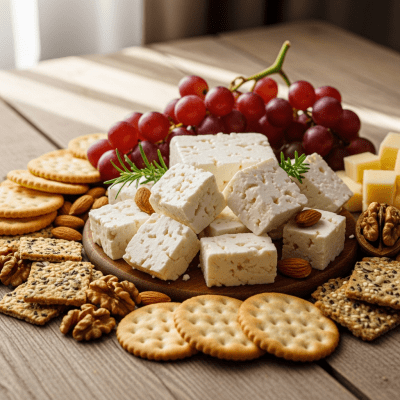
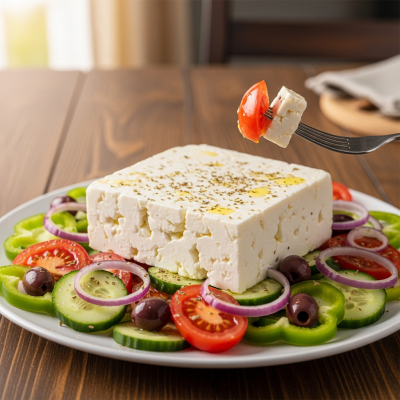
Feta’s versatility shines in both traditional and modern kitchens. It can be sliced, crumbled, or cubed, and is resistant to spoilage due to its high salt content and acidic pH. Feta’s bold, tangy flavor enhances salads, pastries, pies, and roasted vegetables, and it serves as a table cheese or a key ingredient in dips and spreads. Its ability to hold shape yet blend easily makes it a favorite for both cooking and garnishing.
Bring this kind into your world illustrated posters, mugs, and shirts.
Archival print, museum-grade paper
Buy Poster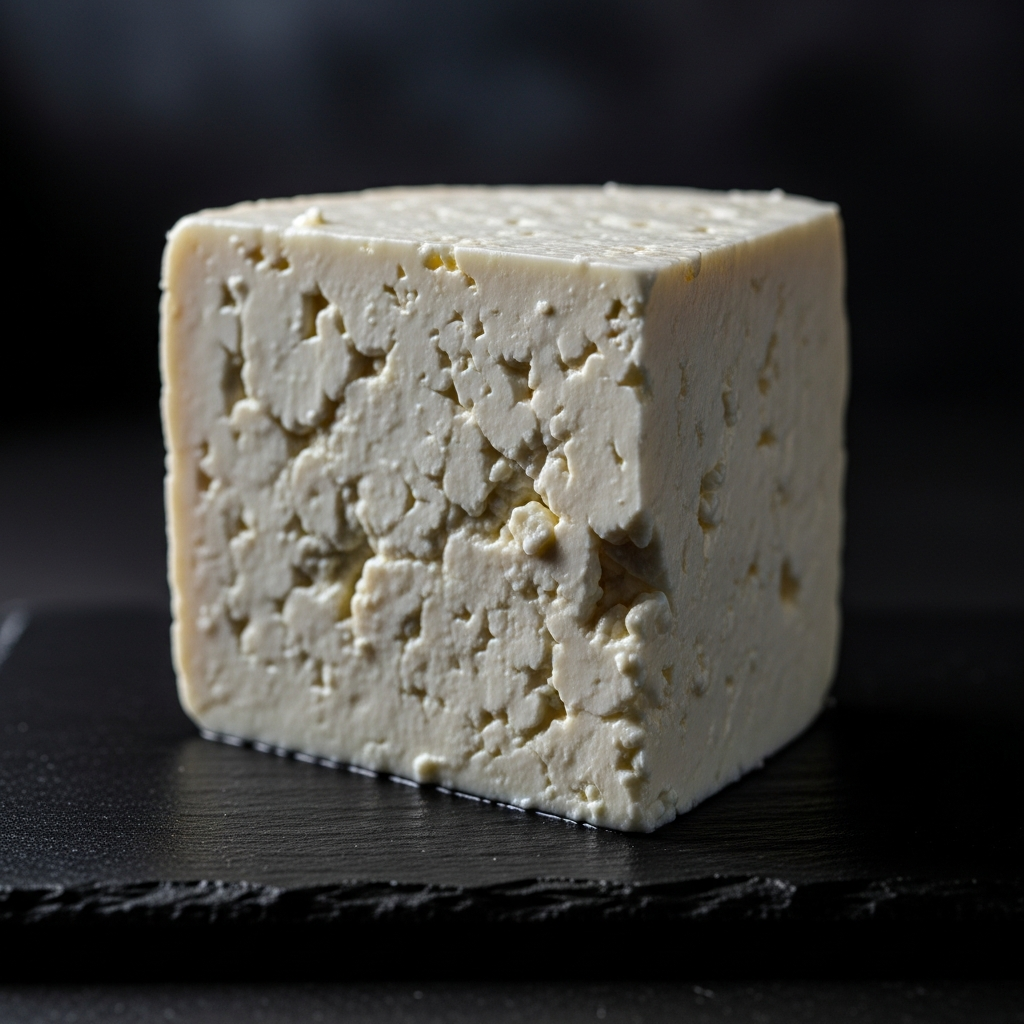
Stoneware mug, dishwasher safe
Buy Mug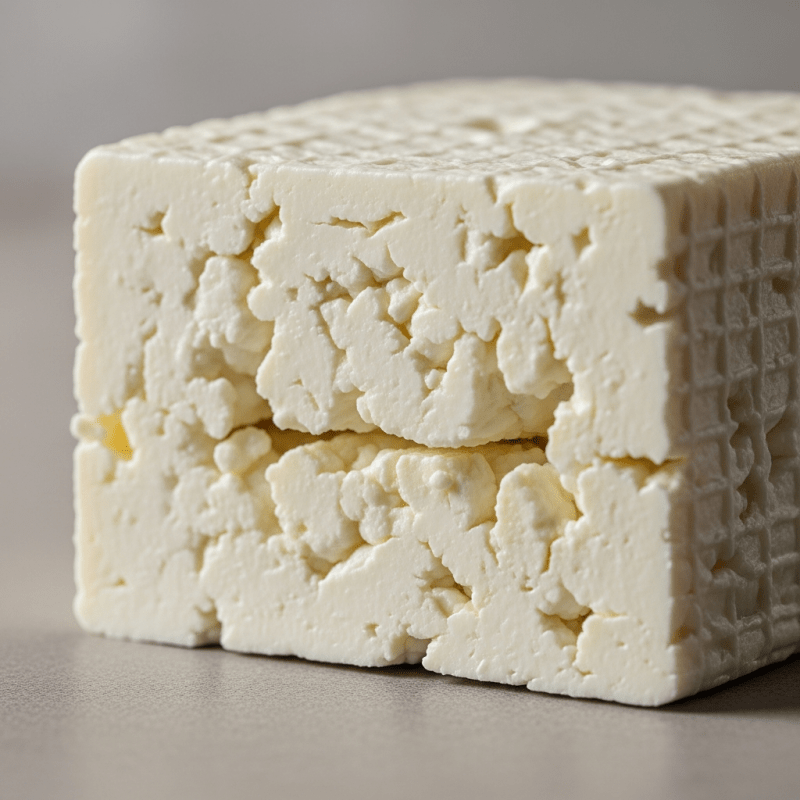
Soft cotton tee, unisex sizes
Buy ShirtFeta is a cornerstone of Greek culinary identity, featured in iconic dishes such as Greek salad and spanakopita. It is deeply woven into Mediterranean food traditions and has inspired countless recipes worldwide. The cheese’s protected status reflects its cultural importance, and its presence in art, literature, and everyday meals underscores its enduring role in Greek heritage and beyond.
Feta is made primarily from sheep’s milk, with up to 30% goat’s milk permitted under PDO regulations. This combination gives feta its distinctively rich, tangy, and slightly earthy flavor profile, setting it apart from cow’s milk cheeses.
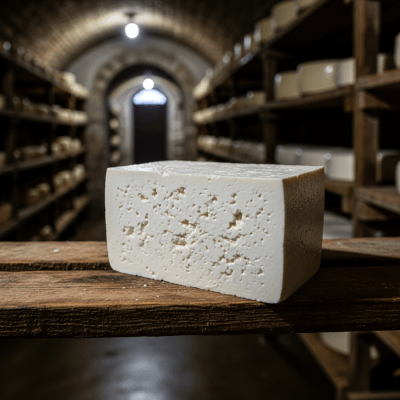
Traditional feta production begins with coagulating sheep’s and goat’s milk using rennet. The curds are cut, drained, and lightly pressed before being aged in brine for a minimum of two months. This brining process is essential, as it develops feta’s texture, flavor, and shelf stability.
Feta is renowned for its crumbly, slightly grainy texture and moderate to high moisture content. The cheese is entirely rindless, with a uniform white appearance throughout, making it easy to slice, cube, or crumble.
Feta is aged in brine for at least two months, a process that intensifies its tangy, salty flavor and helps maintain its moist, crumbly texture. Extended maturation can deepen the cheese’s complexity, but feta is typically enjoyed as a fresh, young cheese.
Feta holds Protected Designation of Origin (PDO) status in the European Union, regulated by the European Commission. Only cheese produced in specific regions of Greece, following traditional methods and using local sheep and goat’s milk, can legally be called “feta” in the EU market.
Feta is commonly sold as blocks submerged in brine or vacuum-packed slices. These packaging methods preserve moisture and flavor, ensuring freshness from production to table.
When buying feta, look for authentic Greek PDO labeling and cheese sold in brine for optimal freshness. Store feta submerged in its brine in the refrigerator to maintain moisture and prevent drying. If purchased vacuum-packed, transfer leftovers to a brine solution to extend shelf life and preserve flavor.