
Emmental
Emmental is a classic Swiss cheese celebrated for its distinctive holes and mild, nutty flavor, making it one of the world’s most iconic cheeses.
Emmental is a classic Swiss cheese celebrated for its distinctive holes and mild, nutty flavor, making it one of the world’s most iconic cheeses.
Emmental traces its roots to the Emme Valley in the canton of Bern, Switzerland, with cheese-making traditions documented as early as 1293. The cheese’s name comes directly from this region, and authentic Swiss Emmentaler is protected by the Appellation d’Origine Protégée (AOP) designation. While the original is Swiss, similar cheeses are now produced in France, Germany, and Austria, reflecting its enduring popularity and influence across Europe.
Emmental belongs to the hard and semi-hard cheese family, made exclusively from cow’s milk. It is a member of the Alpine cheese group, known for large wheels, natural rinds, and distinctive fermentation processes that create its signature holes. Within cheese taxonomies, Emmental is often referenced as the archetype for "Swiss cheese" in global markets.
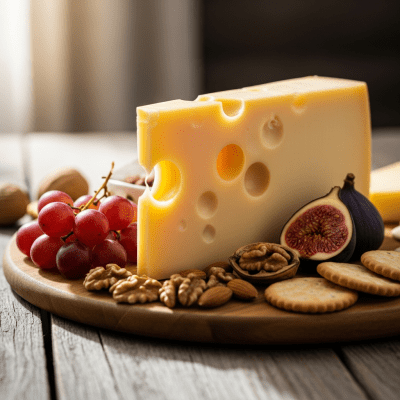
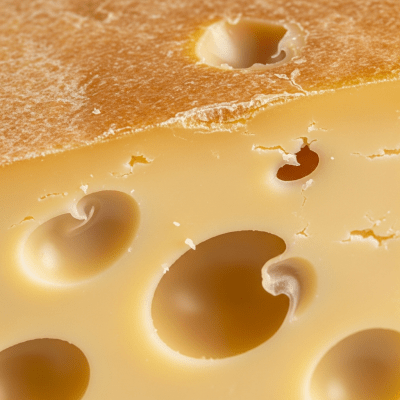
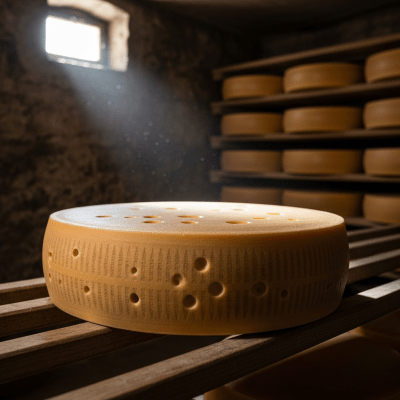
Emmental is easily recognized by its pale yellow interior, firm yet elastic texture, and large, glossy holes ("eyes") that range from cherry- to walnut-sized. Traditionally shaped into massive wheels weighing up to 120 kg, its rind is hard, natural, and golden-yellow, sometimes brushed or washed during maturation.
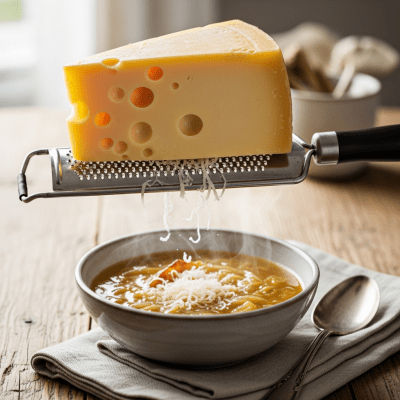
Emmental shines both as a table cheese and in culinary applications, prized for its excellent melting qualities. It is a staple in classic dishes like Swiss fondue and croque-monsieur, and its mild, nutty profile makes it versatile in sandwiches, gratins, and baked recipes. Its firm texture allows for easy slicing, shredding, or melting, adapting well to both artisanal and industrial uses.
Bring this kind into your world illustrated posters, mugs, and shirts.
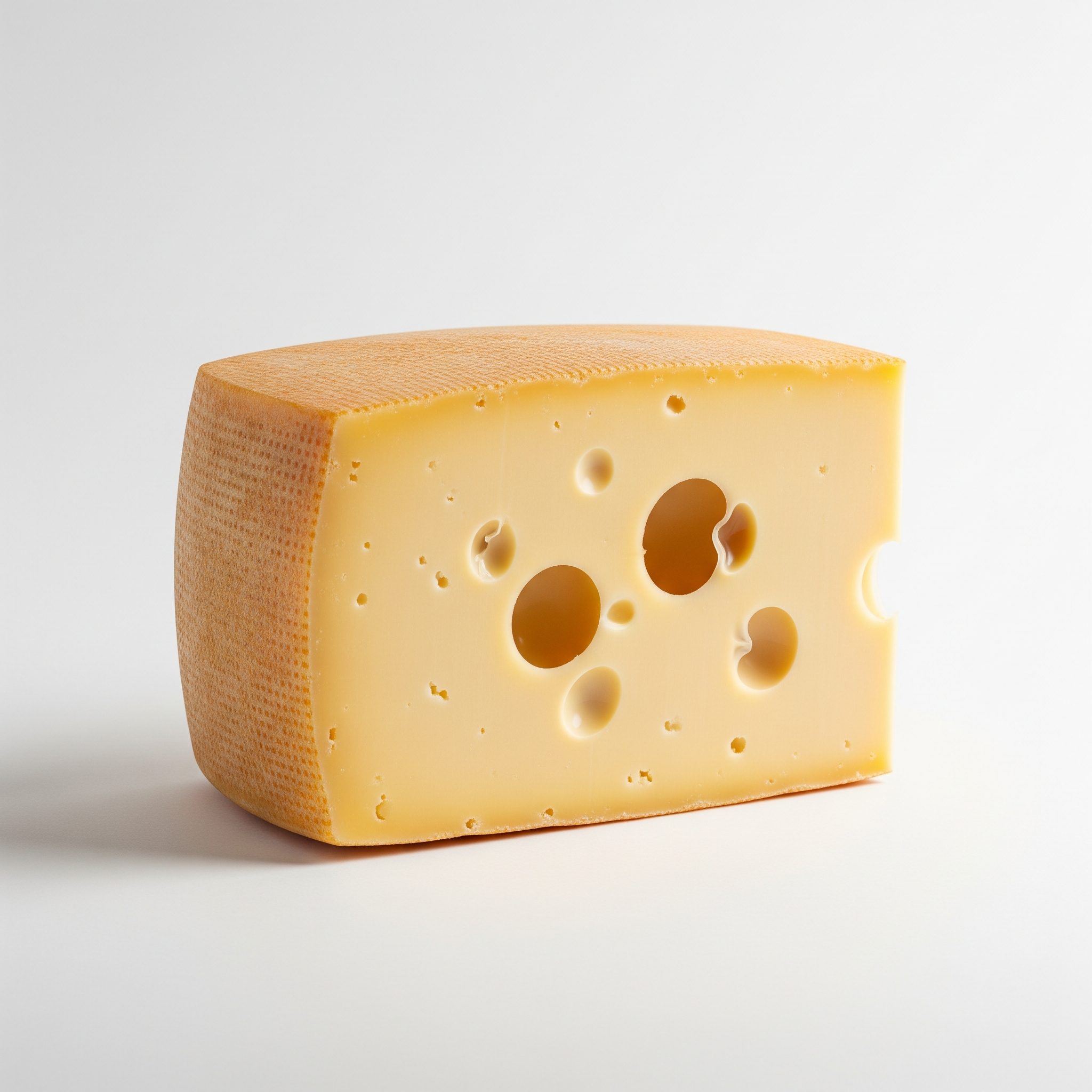
Archival print, museum-grade paper
Buy Poster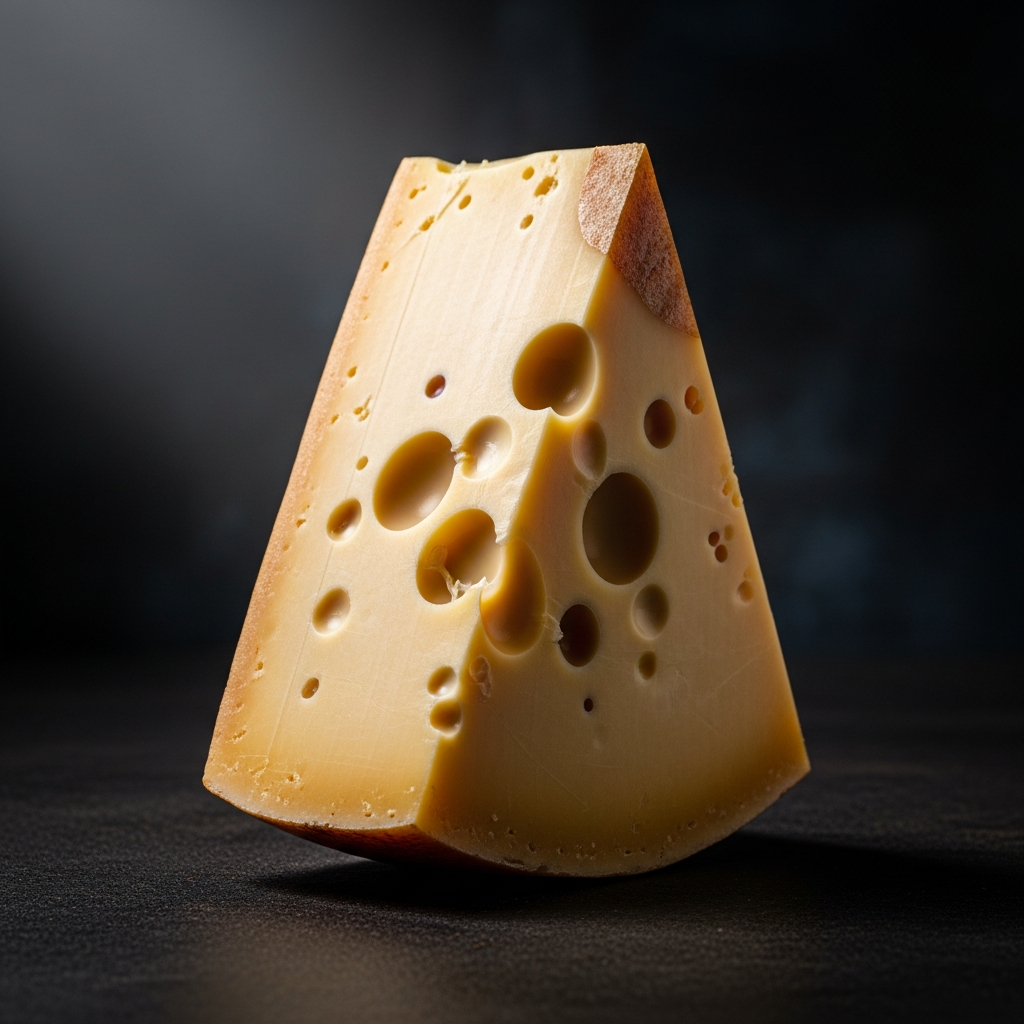
Stoneware mug, dishwasher safe
Buy Mug
Soft cotton tee, unisex sizes
Buy ShirtEmmental’s iconic holes have made it a symbol of Swiss cheese worldwide, often depicted in art, cartoons, and advertising as the quintessential "cheese with holes." In Switzerland, it is a point of national pride and culinary heritage, while internationally, "Swiss cheese" is frequently modeled after Emmental, though not always with the same authenticity or quality.
Emmental is made exclusively from cow’s milk, often sourced from cows fed on grass and hay. The rich, creamy milk imparts the cheese’s mild, buttery, and nutty flavor, which is further developed during aging.
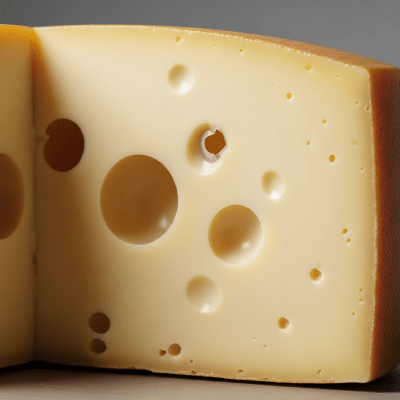
Traditional Emmental is crafted from unpasteurized cow’s milk, curdled with rennet. The curds are cut, gently heated, pressed, and then brined. A warm fermentation stage encourages the formation of its characteristic holes. Unlike some Alpine cheeses, Emmental is not cooked at high temperatures, preserving its delicate flavors and textures.
Emmental’s interior is firm, elastic, and classified as hard to semi-hard, with a moisture content typically between 34% and 38%. Its rind is hard, natural, and golden-yellow, sometimes brushed or washed during aging, providing a subtle earthy aroma and protecting the cheese as it matures.
Emmental is aged for a minimum of 4 months, with premium wheels maturing for up to 18 months. As the cheese ages, its flavor develops from mild and buttery to more pronounced nutty and fruity notes, and the texture becomes firmer while retaining elasticity. Longer aging also deepens the color and intensifies the aroma.
Within Switzerland, Emmental is protected by the Appellation d’Origine Protégée (AOP) under the authority of the Swiss Federal Office for Agriculture. This ensures that authentic Emmentaler is produced according to strict regional and production standards. However, the name "Emmental" is not protected in the European Union, allowing similar cheeses to be made elsewhere under the same name.
Choose Emmental with a natural, uncracked rind and a fresh, nutty aroma. Store in the refrigerator, wrapped in wax paper or cheese paper to allow it to breathe while retaining moisture. Avoid plastic wrap for long-term storage, as it can trap moisture and affect flavor. Once cut, consume within a week for best taste and texture.