Edam
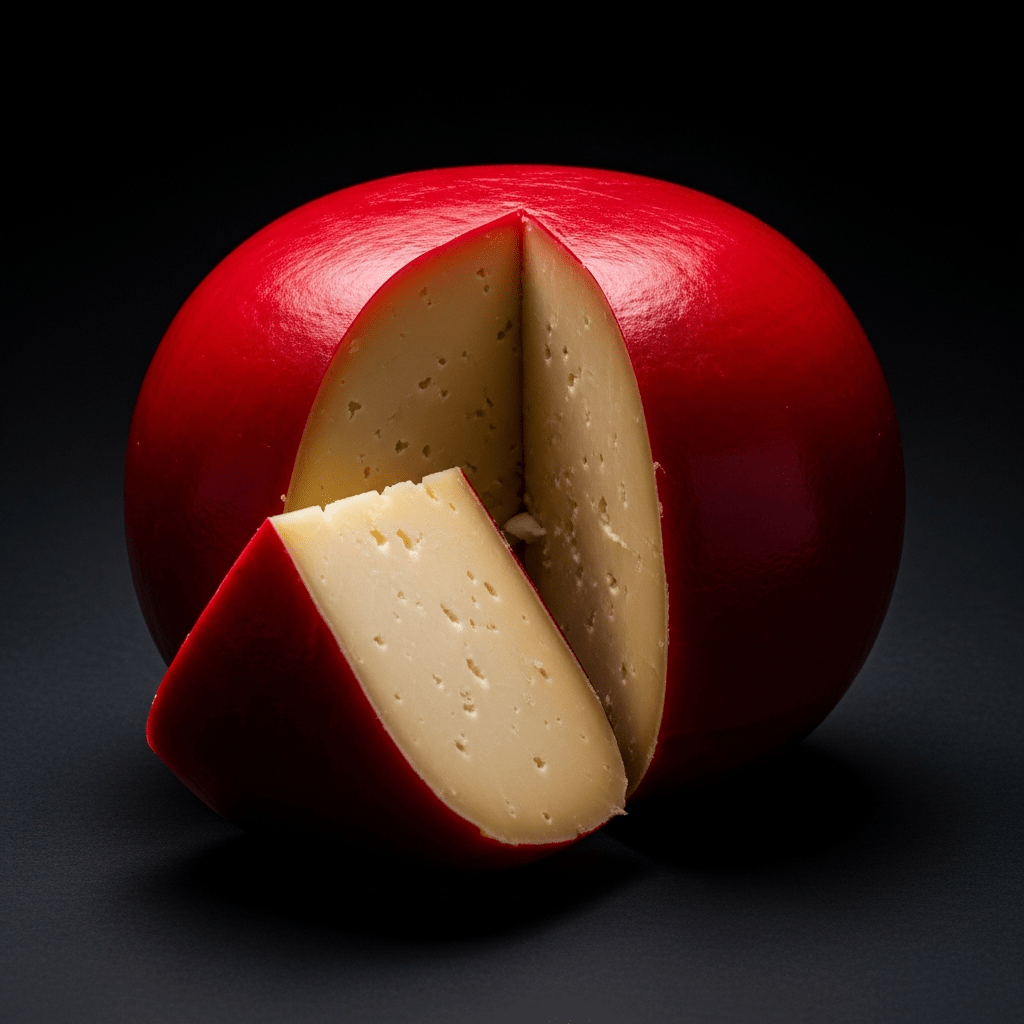
Edam is a semi-hard Dutch cheese, instantly recognizable for its round shape and iconic red wax coating, prized worldwide for its mild, nutty flavor and remarkable keeping qualities.
Edam is a semi-hard Dutch cheese, instantly recognizable for its round shape and iconic red wax coating, prized worldwide for its mild, nutty flavor and remarkable keeping qualities.
Edam traces its roots to the town of Edam in North Holland, Netherlands, with records of production dating back to the 14th century. Its reputation soared in the 17th century as Dutch traders exported Edam across the globe, favored for its durability and resistance to spoilage—qualities that made it ideal for long sea voyages and international commerce. While Edam lacks European PDO or PGI status, its name is protected within the Netherlands, and its standards are overseen by Dutch dairy authorities and referenced internationally by the Codex Alimentarius.
Edam belongs to the semi-hard cheese category, made from partially skimmed cow's milk. It is classified by its texture, milk source, and geographic origin, fitting within the broader family of Dutch cheeses distinguished by their wax coatings and export history. Edam’s mildness and firm texture set it apart from harder, sharper Dutch varieties like Gouda or Leyden.
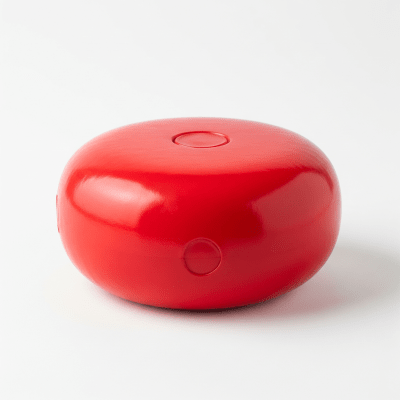
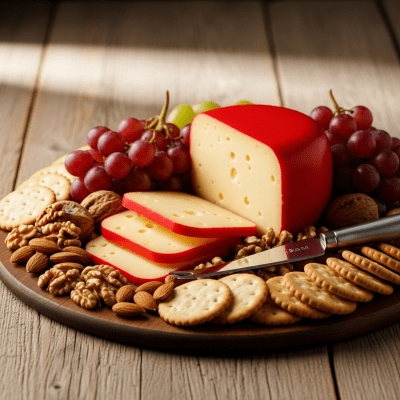
Edam is traditionally shaped into small, round balls weighing about 1.7 kg (3.7 lbs), though other sizes are available. Its natural rind is enveloped in a glossy red paraffin wax—yellow wax is sometimes used for the domestic Dutch market. The interior paste is pale yellow, smooth, and firm, with a supple, slightly elastic feel and few, if any, holes. The cheese’s signature wax coating not only protects it but also makes it visually distinctive on any cheese board.
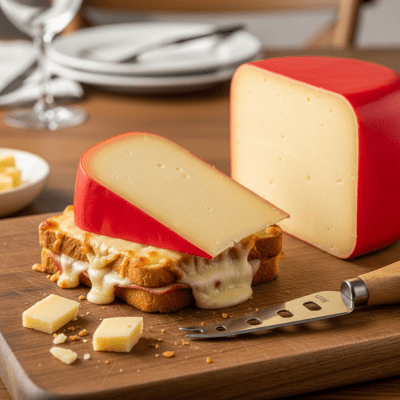
Edam’s mild, slightly nutty flavor and firm texture make it versatile in the kitchen. It slices cleanly for sandwiches, grates well for baked dishes, and melts smoothly without becoming oily. Its ability to resist spoilage and maintain freshness over long periods has made it a staple for travelers, households, and international markets alike.
Bring this kind into your world illustrated posters, mugs, and shirts.
Archival print, museum-grade paper
Buy Poster
Stoneware mug, dishwasher safe
Buy Mug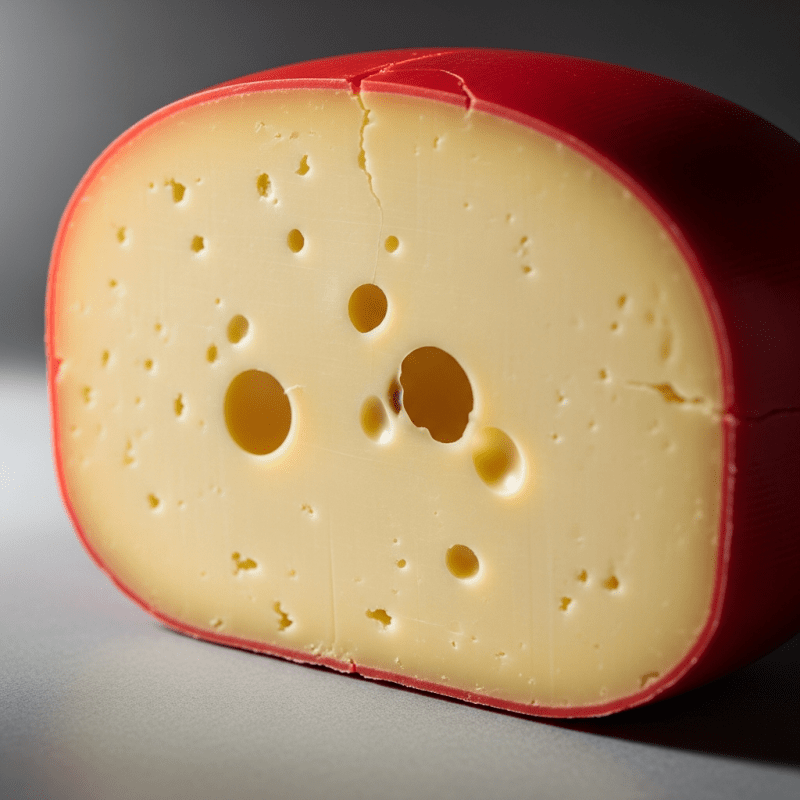
Soft cotton tee, unisex sizes
Buy ShirtHistorically, Edam played a vital role in Dutch maritime trade, symbolizing the Netherlands’ global reach and practical ingenuity. Its red wax coating has become an emblem of Dutch cheese culture, often featured in art, literature, and culinary exhibitions. Edam’s popularity has led to widespread imitation and adaptation in countries as far-flung as Mexico and the Philippines, reflecting its enduring cultural resonance.
Edam is made from cow’s milk, typically partially skimmed. This milk source imparts a mild, clean flavor and a supple texture, distinguishing Edam from cheeses made with richer or more robust milks like sheep or goat.

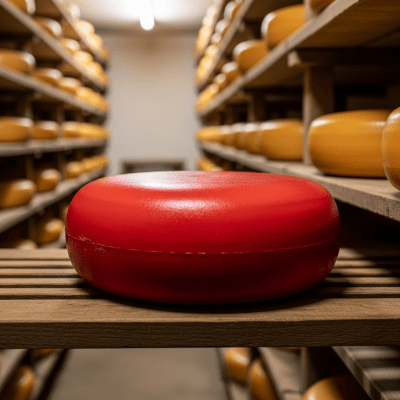
Edam is crafted by curdling partially skimmed cow’s milk with rennet, then cutting and washing the curds to reduce acidity. The curds are pressed into round molds, brined to enhance flavor and shelf life, and finally coated in paraffin wax to seal in freshness and prevent spoilage. This process results in Edam’s signature texture and longevity.
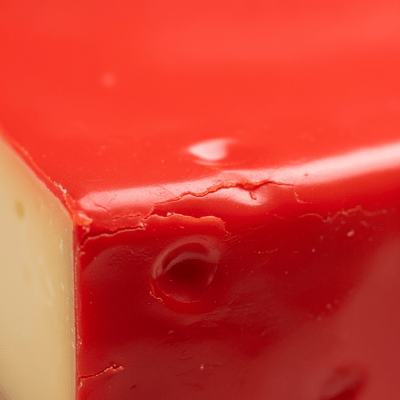
The cheese’s interior is smooth, firm, and slightly elastic, with a pale yellow color and minimal holes. Its natural rind is covered in a protective layer of red paraffin wax, which helps preserve moisture and flavor. For the Dutch domestic market, yellow wax may be used instead.
Edam is typically aged from several weeks to several months. Young Edam is mild and slightly salty, with a softer texture, while older Edam becomes firmer and develops a more pronounced nutty character. The maturation period directly influences both taste and texture, allowing consumers to choose according to preference.
While Edam does not hold a European PDO or PGI designation, its name is protected within the Netherlands. Dutch dairy authorities oversee its standards, and the Codex Alimentarius includes Edam in its international cheese regulations.
Edam is most commonly sold as small wheels or balls, typically weighing around 1.7 kg. Other sizes are available, and the cheese may be packaged whole or in wedges, often with its characteristic wax coating intact.
When selecting Edam, look for a firm texture and intact wax coating. Store unopened Edam in a cool, dry place; once cut, wrap tightly in waxed paper or plastic and refrigerate. Thanks to its wax seal and low moisture, Edam keeps exceptionally well—making it ideal for longer storage compared to many other cheeses.