
Cream Cheese
Cream cheese is a fresh, soft, spreadable cheese made from cow’s milk and cream, prized for its mild flavor and smooth texture.
Cream cheese is a fresh, soft, spreadable cheese made from cow’s milk and cream, prized for its mild flavor and smooth texture.
Cream cheese traces its origins to the United States in the late 19th century, with the first commercial batch credited to William Lawrence of Chester, New York, in 1872. While similar fresh cheeses existed in Europe, particularly Neufchâtel in France, the American version quickly became standardized and popularized as "cream cheese." Today, it is produced worldwide and is not tied to any protected designation or specific region.
Cream cheese belongs to the family of fresh cheeses—those that are unripened and consumed shortly after production. It is classified by its soft, high-moisture texture and is distinct from aged or pressed varieties. Within the broader taxonomy of cheeses, cream cheese is defined by its use of cow’s milk and cream, lack of rind, and absence of aging.
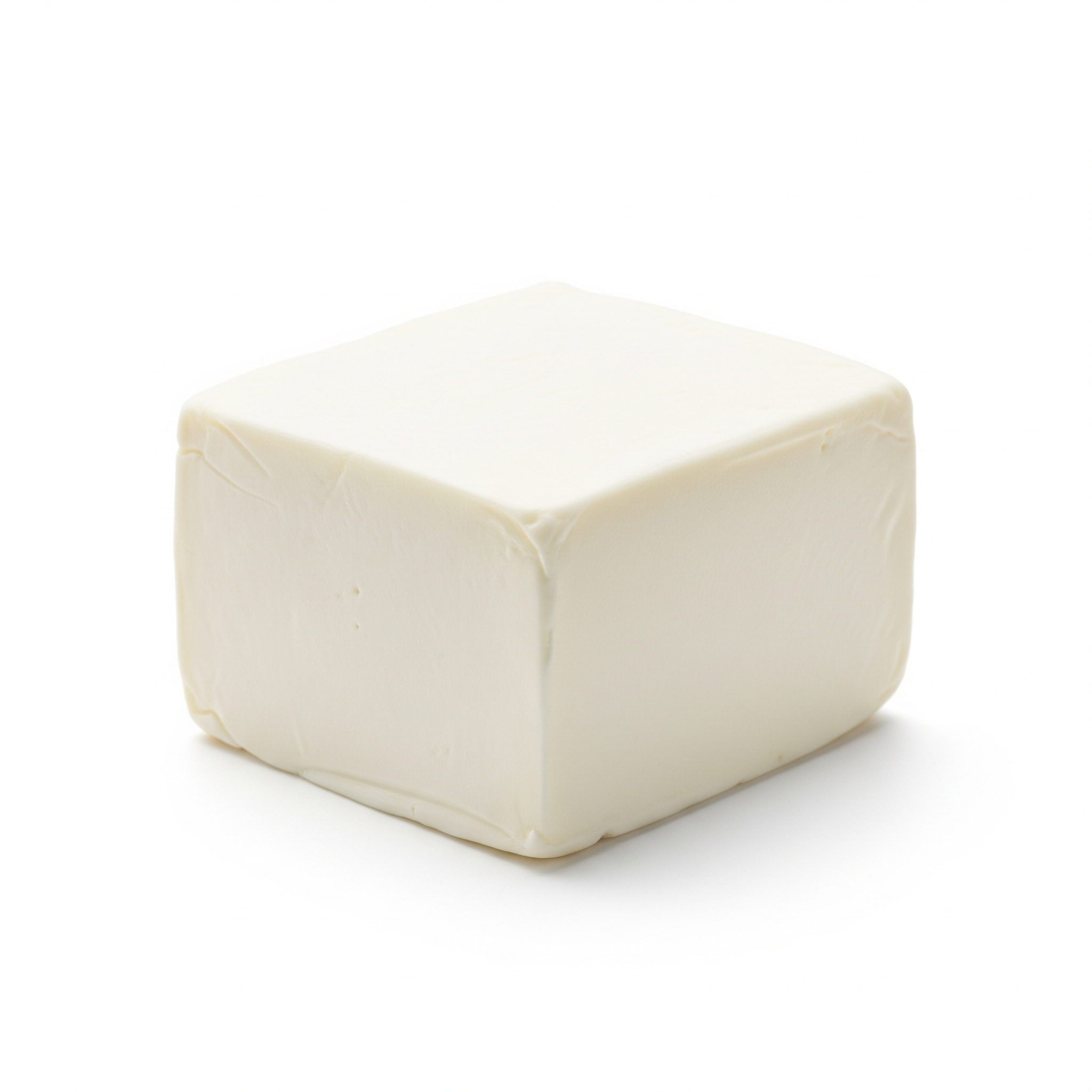
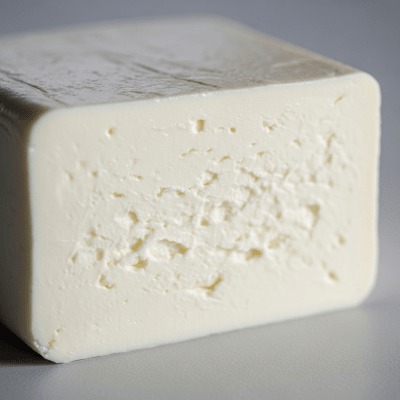
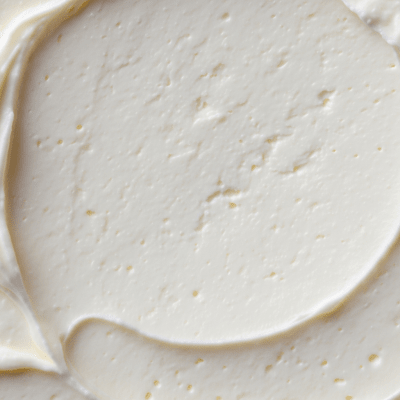
Cream cheese is typically white to pale ivory in color, with a glossy, uniform appearance. Its texture is exceptionally smooth, soft, and easily spreadable, making it ideal for spreading or blending. Unlike many cheeses, it has no rind and is usually sold in tubs, blocks, or foil-wrapped packages.
Cream cheese is highly versatile in the kitchen, serving as a spread, a base for dips and frostings, and a key ingredient in both sweet and savory recipes. Its mild flavor and creamy consistency allow it to blend seamlessly into dishes, from classic cheesecakes to sushi rolls and stuffed vegetables. It is also used as a carrier for herbs, fruits, or spices in flavored varieties.
Bring this kind into your world illustrated posters, mugs, and shirts.
Archival print, museum-grade paper
Buy Poster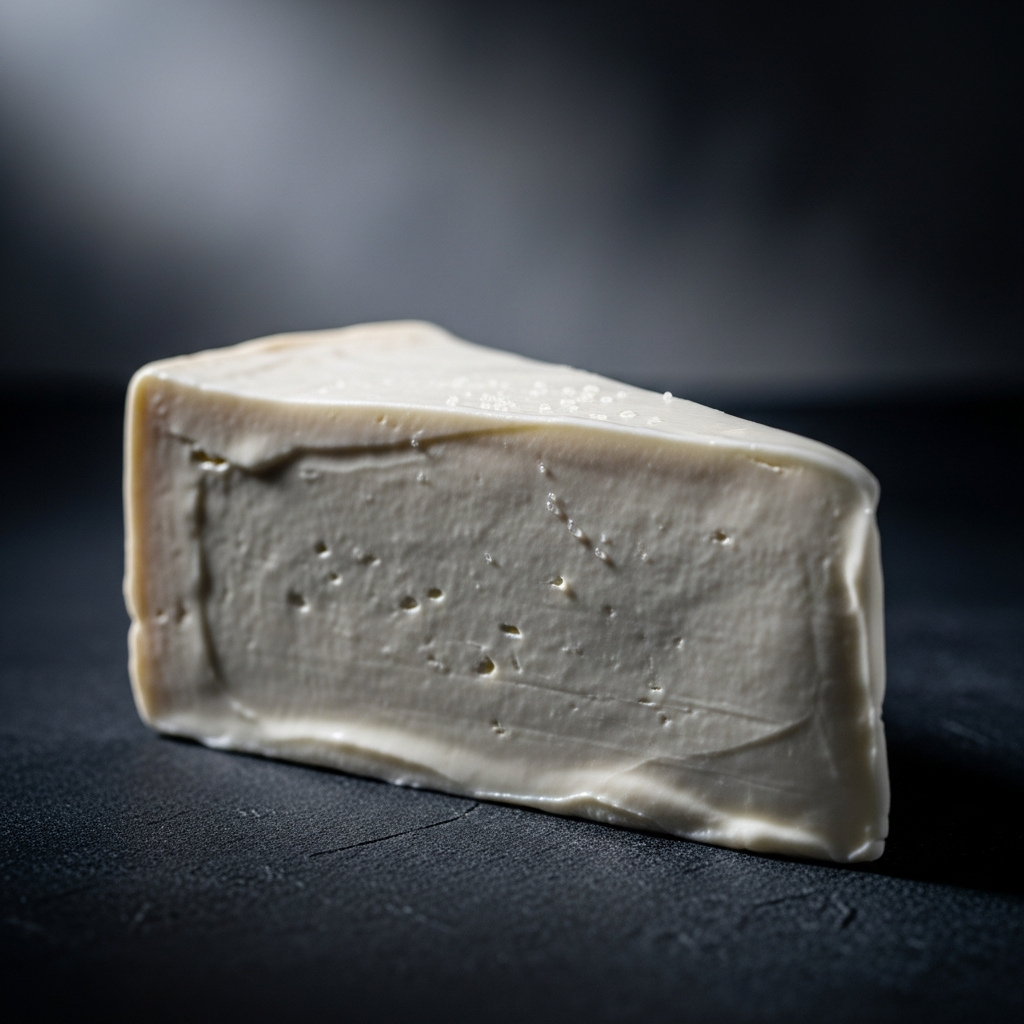
Stoneware mug, dishwasher safe
Buy Mug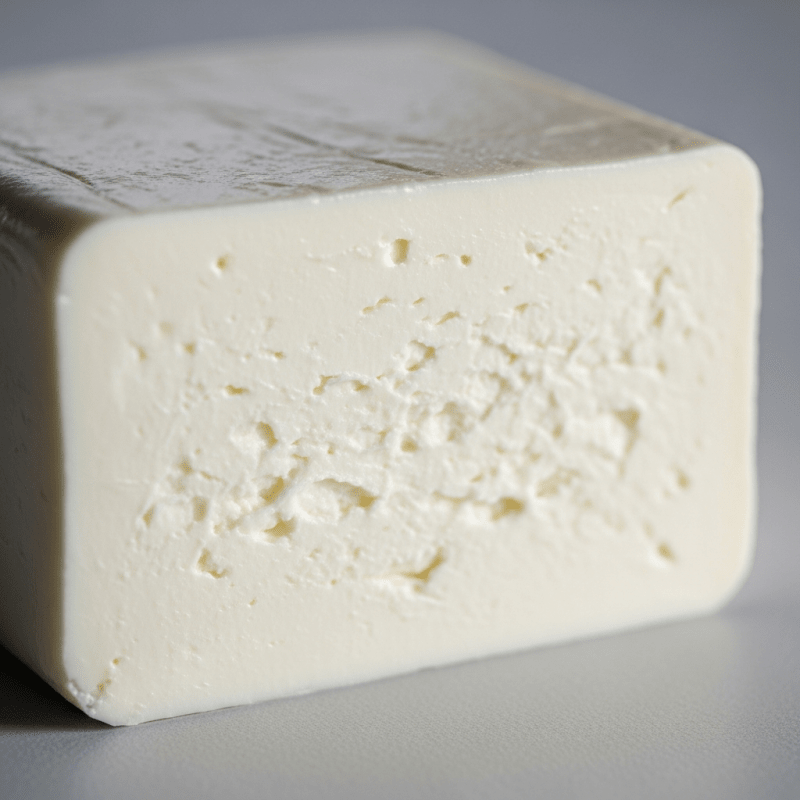
Soft cotton tee, unisex sizes
Buy ShirtCream cheese holds a special place in American culinary culture, most famously as the essential topping for bagels and the foundation of New York-style cheesecake. Its influence extends globally, appearing in European, Latin American, and Asian cuisines. Though not associated with any protected heritage, cream cheese is a staple in both home cooking and commercial food production, symbolizing comfort and versatility.
Cream cheese is made exclusively from cow’s milk and cream, which impart its mild, slightly tangy flavor and creamy texture. The richness of cow’s milk is essential to its signature taste and spreadability.


Production begins with acidification of milk and cream using lactic acid bacteria, followed by gentle coagulation and draining of whey. There is no pressing or aging involved. Stabilizers such as carob bean gum or guar gum may be added to enhance texture and shelf life, but the process prioritizes freshness and smoothness.
Cream cheese is renowned for its soft, smooth, and spreadable texture. It contains a high moisture content (typically 55–65%) and lacks any rind, resulting in a uniform, creamy consistency throughout.
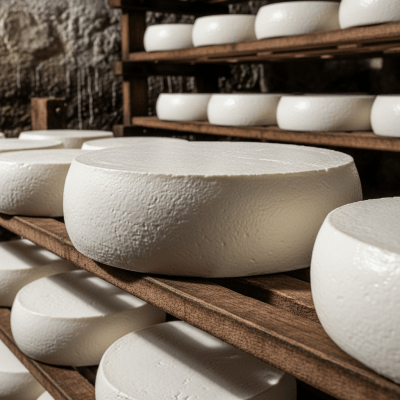
Cream cheese is a fresh cheese and is not aged or matured. It is consumed within days or weeks of production, which preserves its delicate flavor and creamy texture. The absence of aging ensures a mild taste and prevents the development of strong or pungent notes.
Cream cheese does not hold any official protected designation (such as PDO, PGI, or AOC) and is produced globally under various regulatory standards. Its name and style are not restricted to any region or authority.