Cottage Cheese
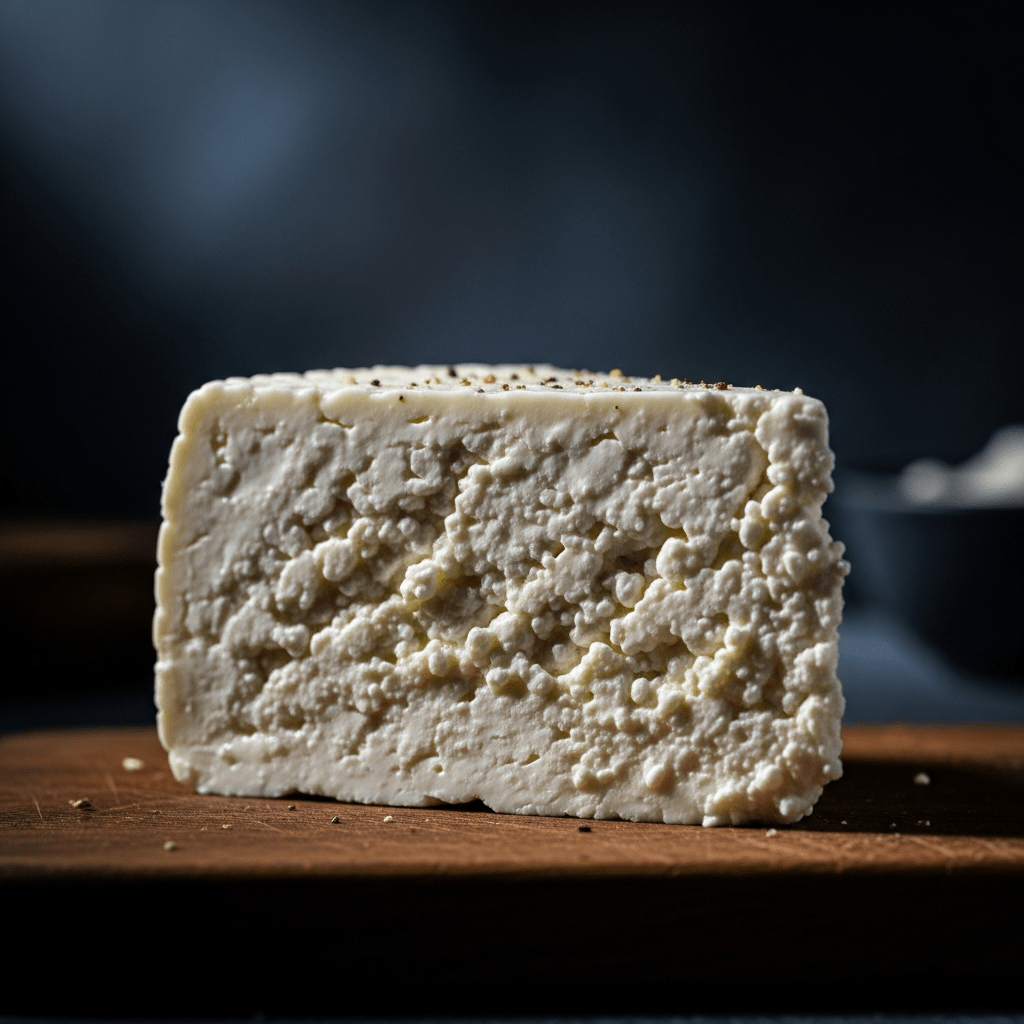
Cottage cheese is a fresh, unripened cheese made from cow’s milk, recognized for its moist, lumpy curds and mild, versatile flavor.
Cottage cheese is a fresh, unripened cheese made from cow’s milk, recognized for its moist, lumpy curds and mild, versatile flavor.
Cottage cheese traces its roots to Europe, with production documented since at least the 18th century. The name itself reflects humble origins in home or "cottage" kitchens, particularly in the United Kingdom and United States. While similar curd cheeses have existed for centuries across cultures, cottage cheese as known today became widely popular in North America and the UK, eventually spreading worldwide. Its standards are overseen by authorities such as the Codex Alimentarius, FDA, and International Dairy Federation, but it carries no protected designation of origin.
Cottage cheese belongs to the family of fresh, soft cheeses, characterized by high moisture content and lack of aging. It is classified as an unripened cheese, distinct from aged or mold-ripened varieties, and is typically grouped with other fresh curd cheeses such as quark, paneer, and farmer cheese. Its primary axis of classification is by milk source (cow), texture (soft, lumpy), and production method (acidification).
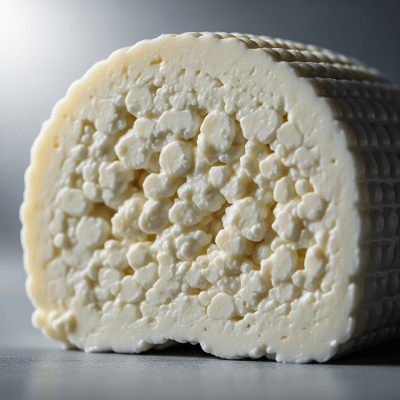
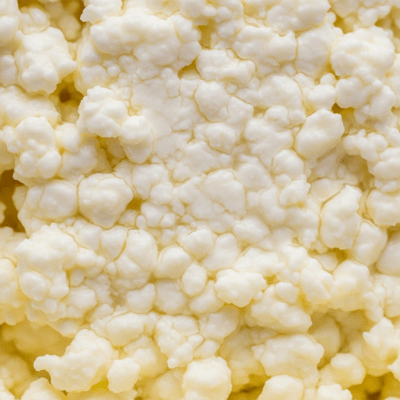
Cottage cheese is easily recognized by its small to medium, white curds that are moist and lumpy to the touch. The cheese has a soft, delicate texture and a clean, milky appearance, often presented in tubs or containers. Unlike many cheeses, it lacks a rind and is never formed into wheels or blocks; instead, its curds remain loose and spoonable.
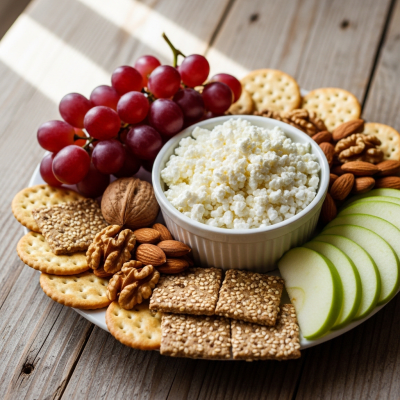
Cottage cheese is valued for its versatility and nutritional profile. It is consumed fresh, making it a staple in breakfasts, snacks, and light meals. Its mild flavor allows it to blend seamlessly into both savory and sweet dishes, from salads and sandwiches to pancakes and desserts. Health-conscious consumers appreciate its high protein and low fat options, and it is often used as a substitute for ricotta or paneer in recipes.
Bring this kind into your world illustrated posters, mugs, and shirts.
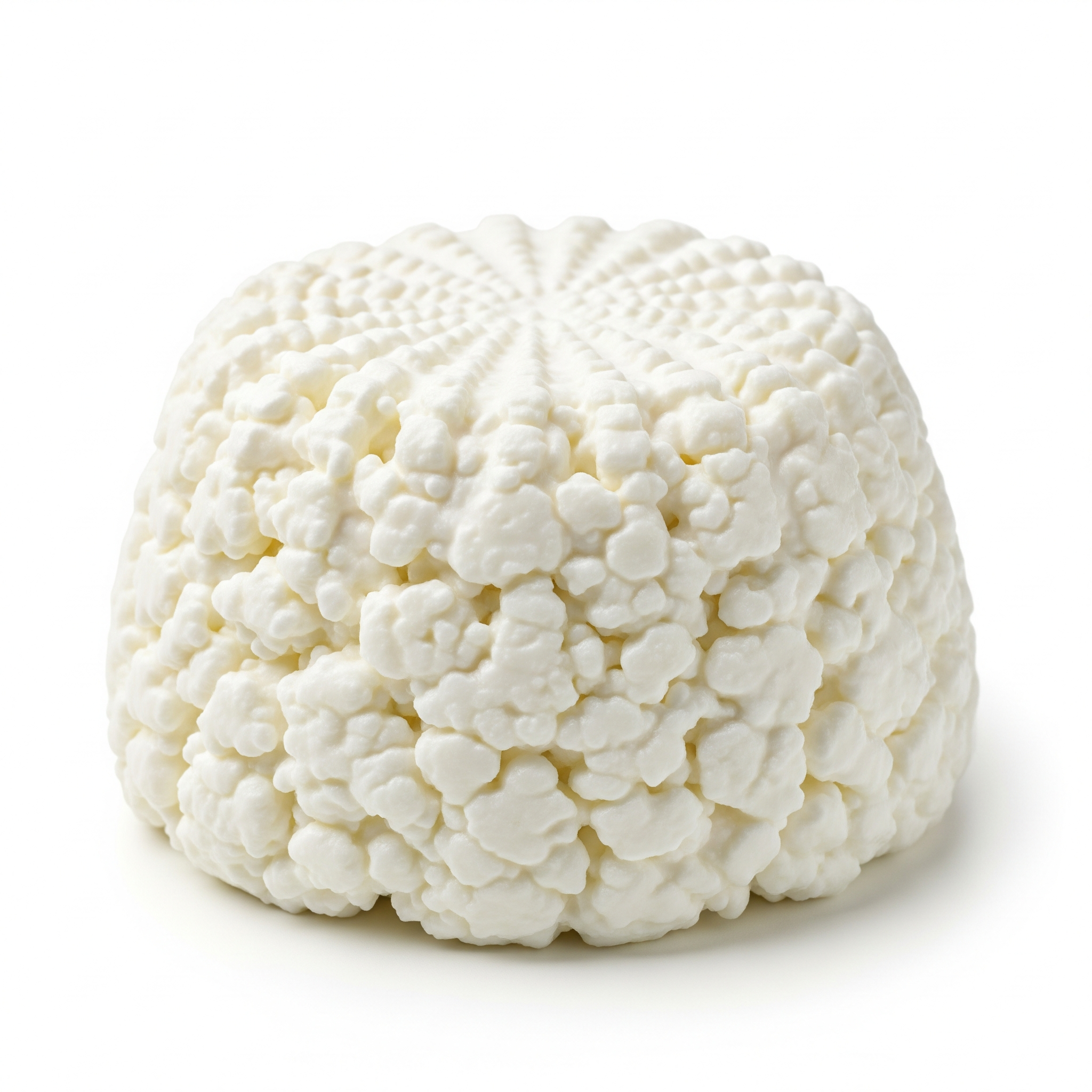
Archival print, museum-grade paper
Buy Poster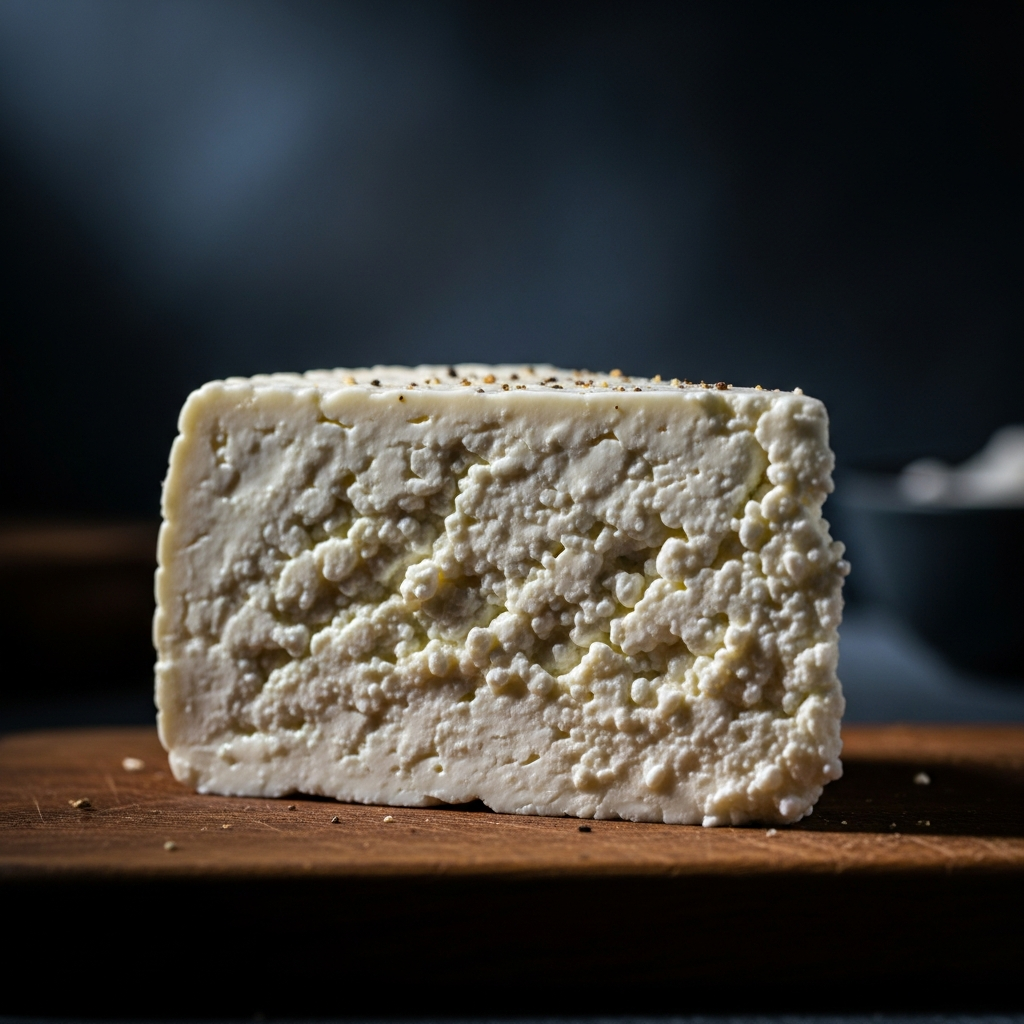
Stoneware mug, dishwasher safe
Buy Mug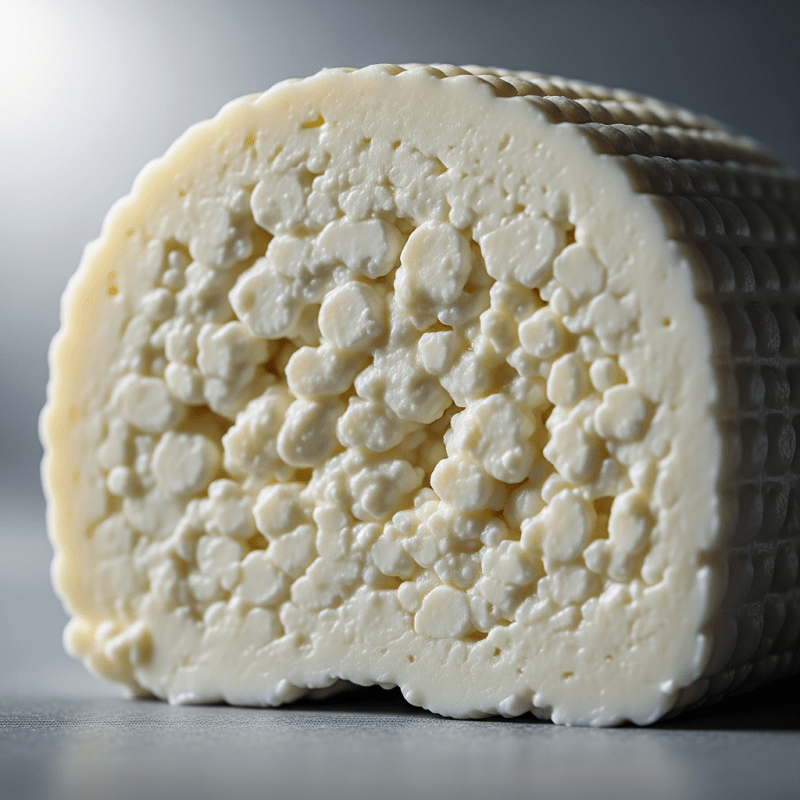
Soft cotton tee, unisex sizes
Buy ShirtWhile cottage cheese may not have the storied heritage of aged European cheeses, it holds a unique place in modern food culture. In the United States, it became emblematic of health-focused diets in the 20th century, featured in weight loss plans and vegetarian recipes. Its simple, homemade origins evoke notions of wholesome, accessible nutrition, and it appears in diverse culinary traditions worldwide, from Russian tvorog to South Asian paneer.
Cottage cheese is made exclusively from cow’s milk, which imparts its mild, creamy flavor and soft texture. The choice of whole, reduced-fat, or skim milk influences richness and nutritional content, allowing for both indulgent and light versions.


Production begins by acidifying cow’s milk—using vinegar, lactic acid, or starter cultures—to form curds. These curds are cut, gently cooked, and then washed to reduce acidity. The final product may be creamed for added richness or made as low-fat or nonfat. Salt is commonly added, and some varieties include fruit, herbs, or vegetables for flavor.
Cottage cheese features a soft, moist, and lumpy texture, with curds that are tender and spoonable. It does not develop a rind, remaining entirely fresh and unpressed.
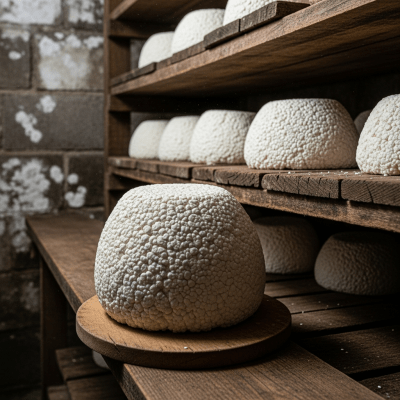
Cottage cheese is unique among cheeses in that it undergoes no aging or maturation. It is consumed fresh, which preserves its delicate flavor and moist texture. The absence of ripening ensures a mild taste and high moisture content.
Cottage cheese does not carry any protected designation of origin (PDO, PGI, AOC, etc.). Its standards are regulated by international and national authorities, including Codex Alimentarius, the FDA, and the International Dairy Federation.
Cottage cheese is widely available in supermarkets, typically sold in tubs or containers ranging from small single-serve sizes to larger family packs. Commercial varieties may be creamed, low-fat, nonfat, or flavored with fruit or herbs.