Cotija
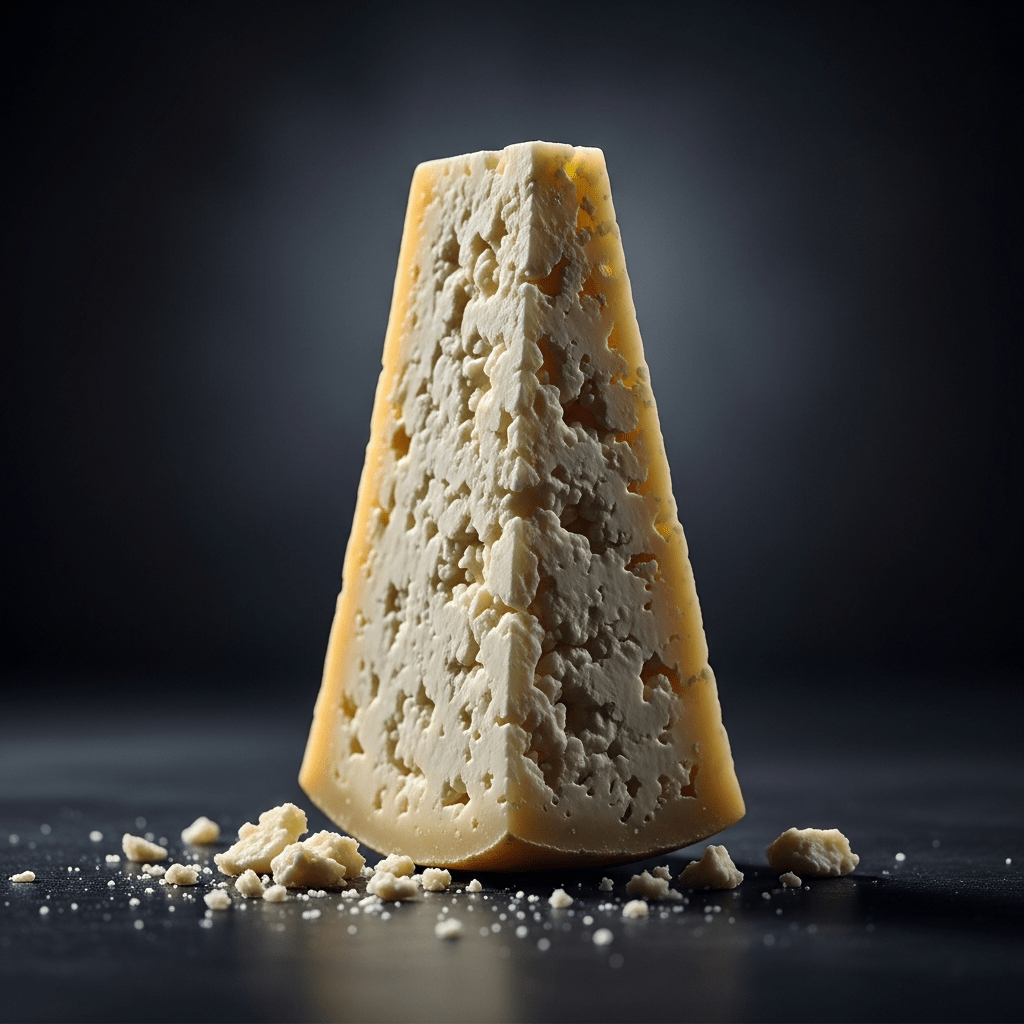
Cotija is a traditional Mexican hard cheese made from cow's milk, celebrated for its crumbly texture and salty, savory flavor, and widely used as a finishing touch in classic Mexican dishes.
Cotija is a traditional Mexican hard cheese made from cow's milk, celebrated for its crumbly texture and salty, savory flavor, and widely used as a finishing touch in classic Mexican dishes.
Originating in the town of Cotija in Michoacán, Mexico, Cotija cheese has roots dating back to at least the 16th century. Its production is closely tied to the highland regions of Michoacán and Jalisco, where cows graze on lush pastures during the rainy season, imparting distinctive flavors to the cheese. Despite its deep heritage, Cotija does not currently enjoy official protected status, though regional pride and efforts to formalize its legacy persist.
Cotija belongs to the family of hard, aged cheeses made exclusively from cow's milk. It is most similar in function to Parmesan, yet stands apart with its intense saltiness and crumbly texture. Within Mexican cheese taxonomy, Cotija is distinguished from fresher varieties like Queso Fresco and from aged cheeses such as Queso Anejo by its aging process and dry-salted method.
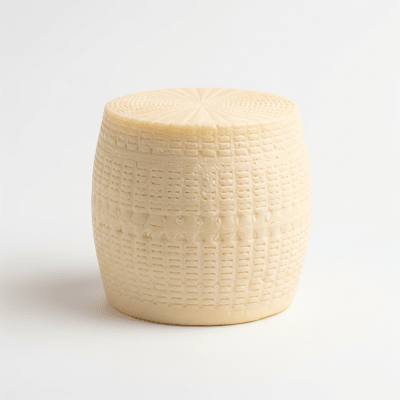
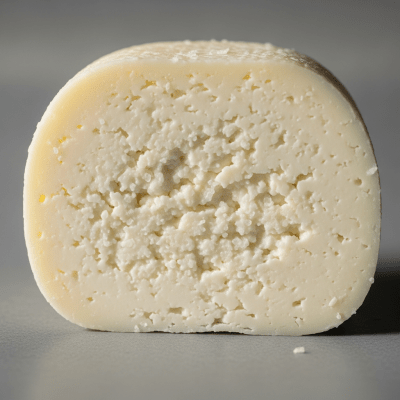
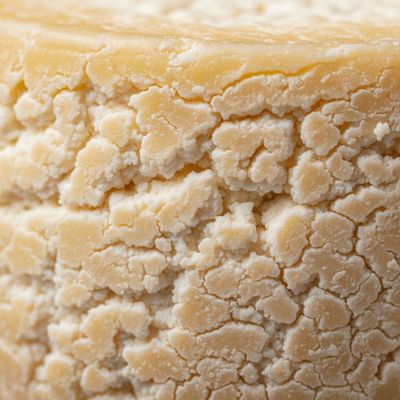
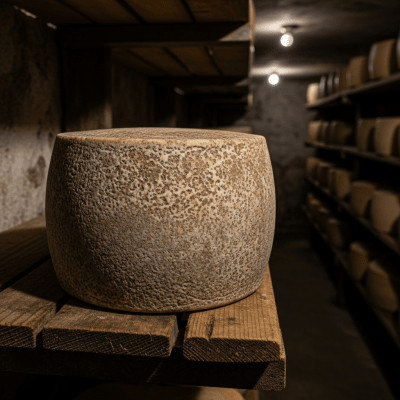
Cotija typically comes in large cylindrical wheels weighing 1 to 3 kilograms, with a pale yellow to white interior and a natural, sometimes slightly rough rind. Its texture is hard, dry, and crumbly, making it ideal for grating or crumbling over dishes. The cheese resists melting, maintaining its granular structure even when heated.
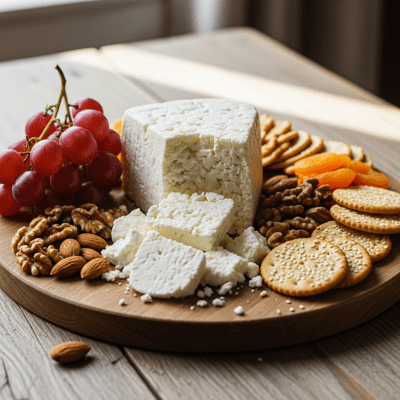
Renowned for its robust, salty flavor, Cotija is primarily used as a finishing cheese. It is grated or crumbled atop elote (Mexican street corn), tacos, enchiladas, soups, and salads, adding a savory punch and textural contrast. Its intense saltiness means it is rarely eaten alone, but its ability to elevate dishes has made it a staple in Mexican cuisine and a favorite among chefs seeking bold flavor.
Bring this kind into your world illustrated posters, mugs, and shirts.
Archival print, museum-grade paper
Buy Poster
Stoneware mug, dishwasher safe
Buy Mug
Soft cotton tee, unisex sizes
Buy ShirtCotija is a culinary emblem of Mexican heritage, especially in the regions of Michoacán and Jalisco. Its presence in iconic dishes like elote and tacos signals authenticity and regional pride. While it lacks formal protected status, Cotija's reputation as "Mexican Parmesan" reflects its esteemed role in both traditional and contemporary Mexican cooking, and its growing popularity in international kitchens highlights its enduring cultural resonance.
Cotija is made exclusively from cow's milk, which contributes to its rich, savory flavor and firm texture. The quality of the milk, often from cows grazing on highland pastures, imparts subtle grassy notes and depth to the cheese.

Cotija is produced by curdling cow's milk with rennet, pressing the curds, and heavily dry-salting them. The cheese is then air-aged for several months, typically without brining or mold-ripening. Traditional production often occurs during the rainy season, using either raw or pasteurized milk, and results in a firm, crumbly cheese with a pronounced salty tang.
Cotija boasts a hard, dry, and crumbly texture, with a moisture content generally below 45%. Its rind is natural and may be slightly rough, encasing a pale yellow to white interior. The cheese resists melting, maintaining its granular structure even when heated.
Cotija is aged for 3 to 12 months, a process that intensifies its salty, tangy flavor and firm, crumbly texture. Longer maturation yields a harder cheese with more pronounced savory notes, distinguishing Cotija de Montaña from its fresher counterpart.
Cotija does not currently hold any official protected designation of origin (PDO) or similar regulatory status, though regional initiatives exist to formalize its heritage and production standards.