Colby
Colby is a semi-hard, cow’s milk cheese from the United States, celebrated for its mild flavor, open texture, and vibrant orange color, making it a quintessential classic of American cheese-making.
Colby is a semi-hard, cow’s milk cheese from the United States, celebrated for its mild flavor, open texture, and vibrant orange color, making it a quintessential classic of American cheese-making.
Colby cheese was first crafted in 1885 by Joseph Steinwand in the town of Colby, Wisconsin. Named after its birthplace, Colby stands out as one of the few truly original American cheeses. Its creation marked a milestone in U.S. dairy history, and while it does not hold protected status, Colby’s identity is maintained by the U.S. FDA and the American Cheese Society, reflecting its enduring role as a regional specialty and staple in American households.
Colby belongs to the semi-hard cheese category and is made exclusively from cow’s milk. It is closely related to Cheddar but is distinguished by its unique washed-curd production method, which results in a moister, less acidic, and more elastic texture. Within cheese taxonomies, Colby is recognized as a young, non-mold-ripened, American-style cheese.
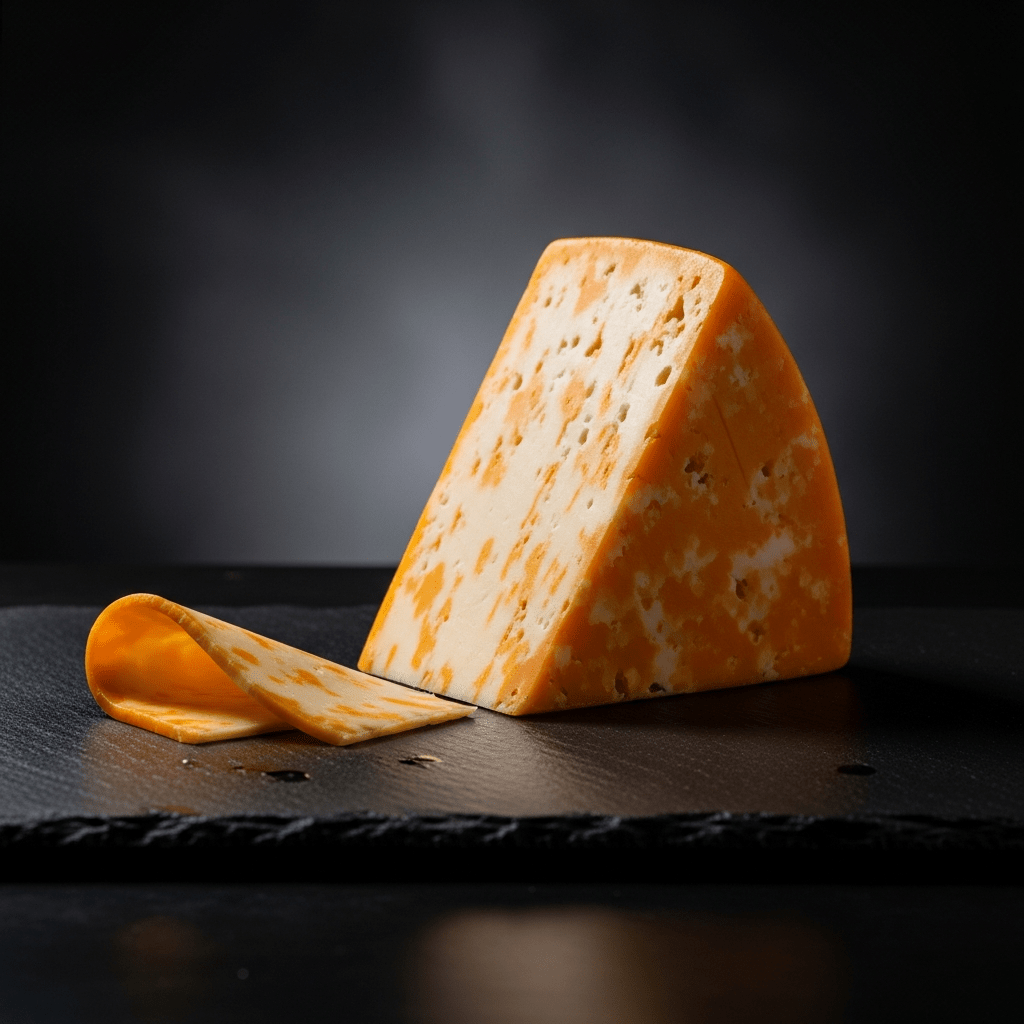
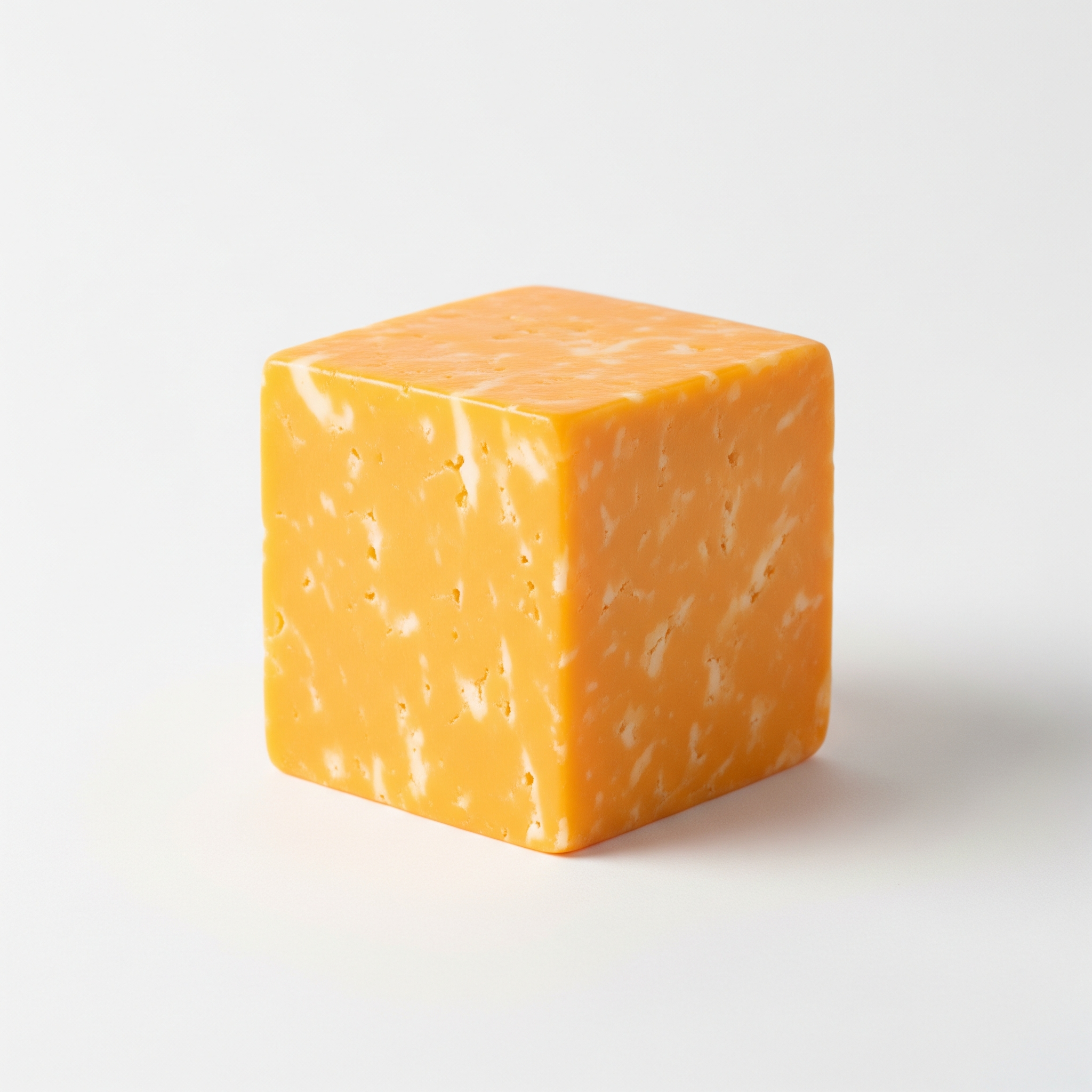
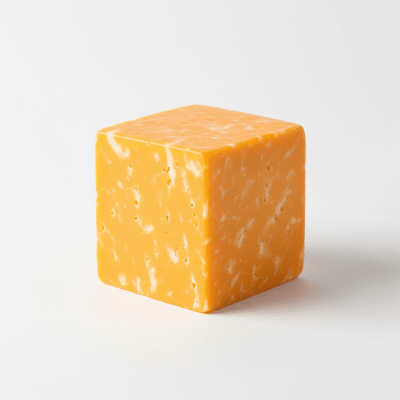
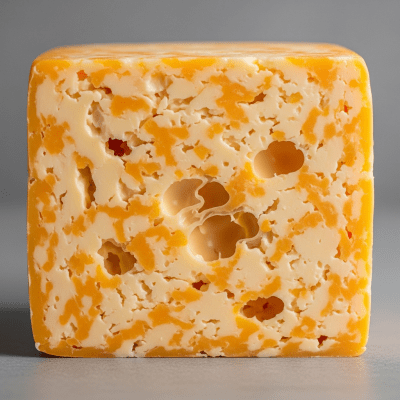
Colby typically presents as a block or wheel with a bright to medium orange hue, achieved by adding annatto. Its surface may have a natural, thin rind or be waxed. The interior showcases a slightly elastic, open texture dotted with small, irregular holes known as "eyes," giving it a visually appealing and approachable look.
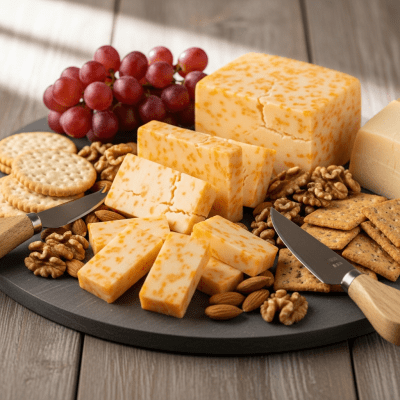
Colby’s mild, buttery flavor and excellent melting properties make it a versatile choice for both table service and cooking. It is commonly enjoyed sliced, shredded, or cubed, and is a favorite in sandwiches, burgers, casseroles, and cheese platters. Its gentle taste and texture appeal to a wide audience, including children and those seeking a less sharp alternative to Cheddar.
Bring this kind into your world illustrated posters, mugs, and shirts.
Archival print, museum-grade paper
Buy Poster
Stoneware mug, dishwasher safe
Buy Mug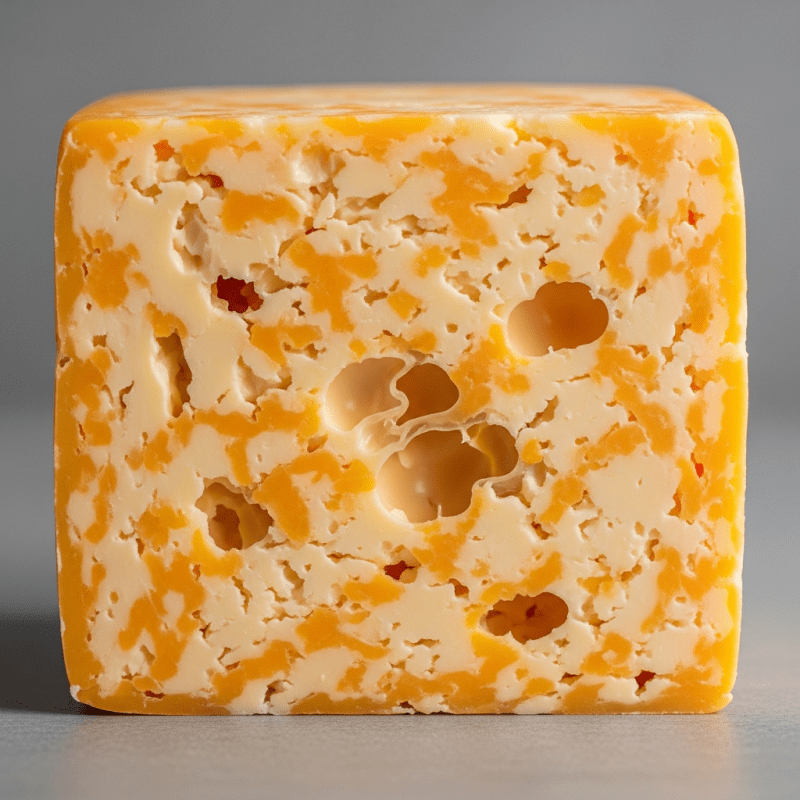
Soft cotton tee, unisex sizes
Buy ShirtAs one of the few cheeses invented in America, Colby holds a special place in U.S. culinary tradition. It is emblematic of Wisconsin’s dairy heritage and is often referenced in American food culture, especially in family-friendly recipes and gatherings. The marbled variant, Colby-Jack, further cements its popularity and cultural relevance in the United States.
Colby is made exclusively from cow’s milk, which imparts a creamy, mild flavor and contributes to its smooth, elastic texture. The use of pasteurized milk is common, though artisanal producers may use raw milk for added complexity.

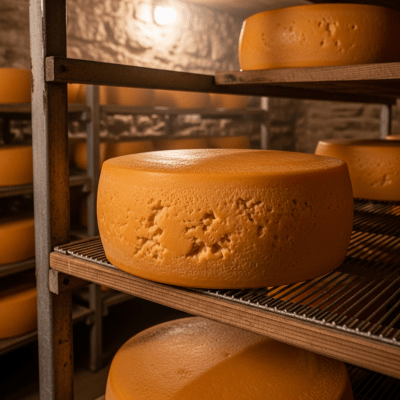
Colby is produced using a distinctive washed-curd process: after the curds are separated from the whey, they are rinsed with cold water. This technique lowers acidity, resulting in a cheese that is moister, less crumbly, and milder than Cheddar. The curds are then pressed into blocks or wheels and allowed to age briefly.
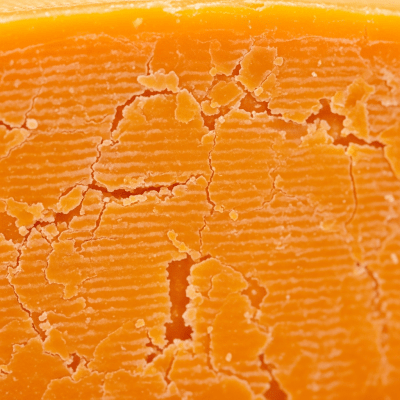
Colby’s texture is open and slightly elastic, featuring small, irregular holes or "eyes" throughout. The cheese is typically covered with a thin natural rind, though some versions are waxed for added protection. Its interior remains moist and supple, making it easy to slice and melt.
Colby is a young cheese, aged for just 1 to 3 months. This brief maturation period preserves its mild, buttery, and slightly sweet flavor while maintaining a moist, elastic texture. Extended aging is uncommon, as Colby can become dry and crumbly if overaged.
Colby does not have any official protected designation of origin (PDO, PGI, TSG) status. However, its definition and production standards are regulated by the U.S. Food and Drug Administration and the American Cheese Society, ensuring consistency and quality in the marketplace.
Colby is widely available in blocks, slices, and shredded formats, making it convenient for both home cooks and foodservice professionals. Its approachable packaging and forms ensure it is a staple in supermarkets and delis across the United States.
When selecting Colby, look for a vibrant orange color and a moist, supple texture without excessive dryness or crumbling. Store Colby cheese in the refrigerator, wrapped tightly in wax paper or plastic to retain moisture. For best flavor and texture, consume within a few weeks of purchase and avoid overaging, as Colby is sensitive to drying.