Chèvre
Chèvre is the French term for goat cheese, celebrated for its tangy flavor, creamy texture, and dazzling white appearance, and encompasses a wide range of cheeses made exclusively from goat’s milk.
Chèvre is the French term for goat cheese, celebrated for its tangy flavor, creamy texture, and dazzling white appearance, and encompasses a wide range of cheeses made exclusively from goat’s milk.
Chèvre traces its roots to France, with goat cheese production dating back to at least the 8th century in regions such as the Loire Valley, Poitou, and Provence. The tradition flourished following the introduction of goats during the Arab occupation of southern France, leading to a rich heritage of artisanal cheesemaking. While "chèvre" is a generic term, many regional French goat cheeses—like Crottin de Chavignol and Sainte-Maure de Touraine—have earned protected status, underscoring chèvre’s enduring cultural legacy.
Chèvre belongs to the broader family of cheeses made from goat’s milk. In France, it serves as both a generic label for all goat cheeses and a specific reference to fresh, soft varieties. Chèvre encompasses a spectrum of styles, from unripened, spreadable logs to aged, firm rounds, and sits within the "fresh," "soft," and "aged" categories of cheese classification.
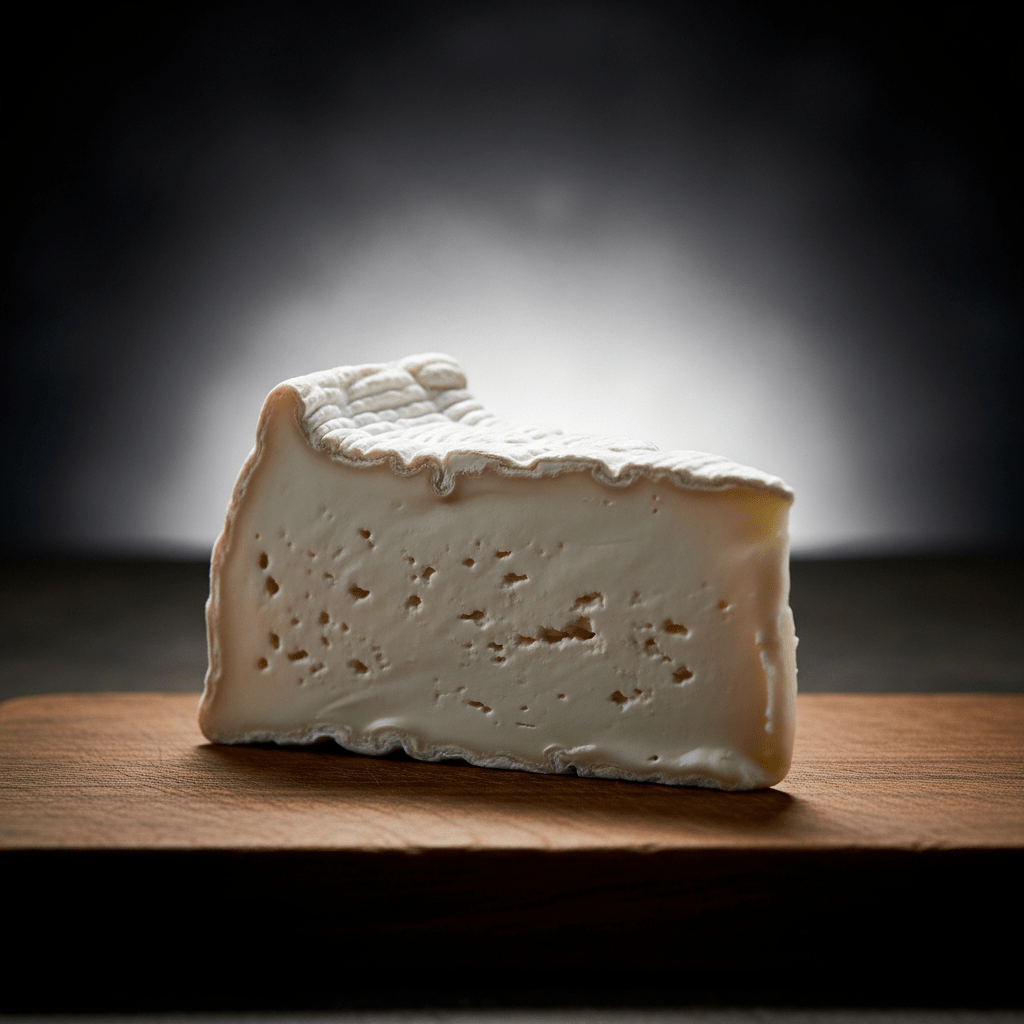
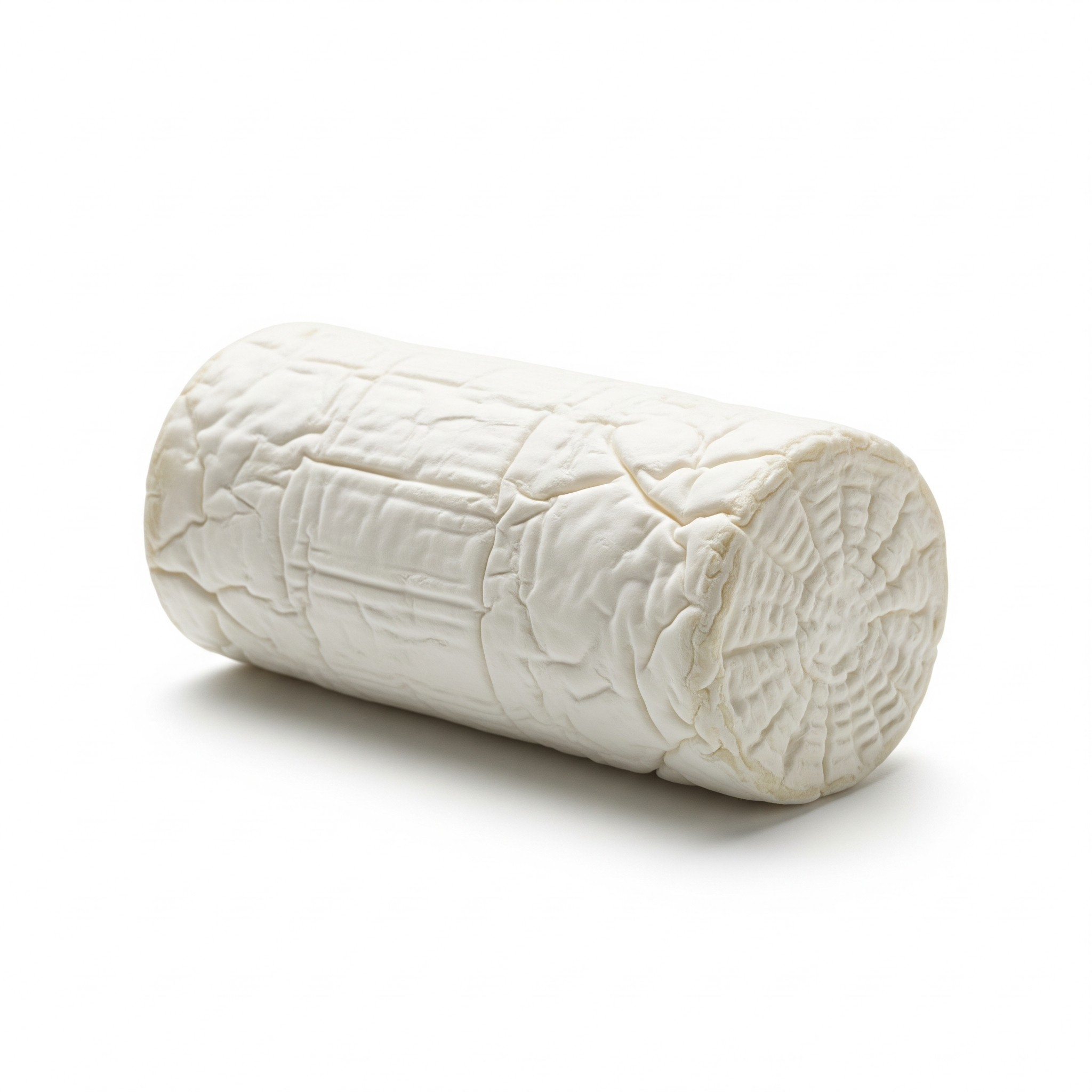
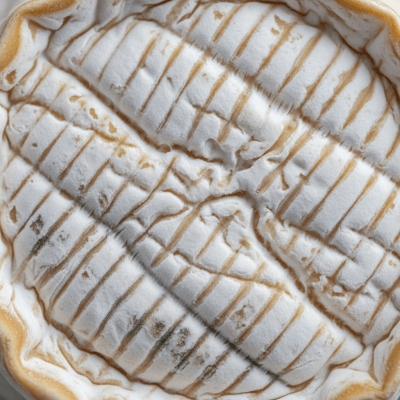
Chèvre is instantly recognizable by its bright white color, a hallmark of goat’s milk. It comes in diverse shapes—logs, discs, pyramids, buttons, and wheels. Fresh chèvre is soft and creamy, while aged types develop a firmer, sometimes crumbly texture. Rinds may be natural, ash-coated, or adorned with herbs and spices, offering both visual appeal and nuanced flavors.
Chèvre’s versatility makes it a staple in kitchens and on cheese boards. Fresh chèvre is spreadable and ideal for salads, tarts, and desserts, while aged varieties are sliced, crumbled, or baked. Its tangy profile enhances both sweet and savory dishes, and its acidity and low moisture contribute to natural preservation, though aged types require careful handling.
Bring this kind into your world illustrated posters, mugs, and shirts.
Archival print, museum-grade paper
Buy Poster
Stoneware mug, dishwasher safe
Buy Mug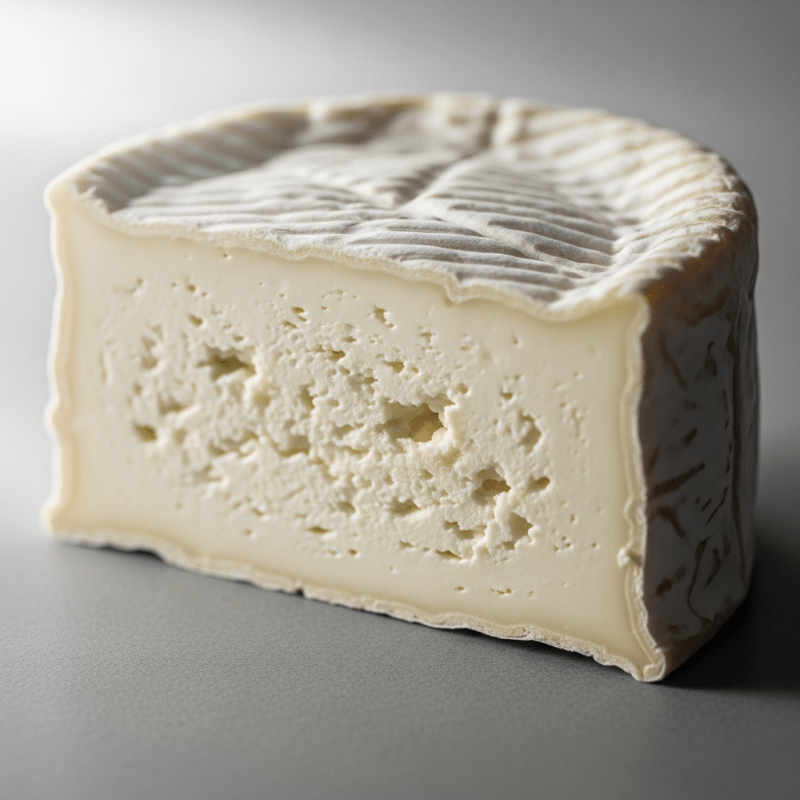
Soft cotton tee, unisex sizes
Buy ShirtChèvre is woven into the fabric of French culinary tradition, symbolizing rural heritage and artisanal craft. It features prominently in French cuisine and is celebrated in festivals, markets, and regional gastronomy. Iconic varieties with protected status reflect local pride and centuries-old techniques, while chèvre’s growing popularity worldwide highlights its enduring appeal and adaptability.
Chèvre is made exclusively from goat’s milk, which imparts its signature bright white color and tangy, earthy flavor. Goat’s milk is naturally lower in carotene and has a unique composition, resulting in a cheese that is both creamy and distinctively aromatic.
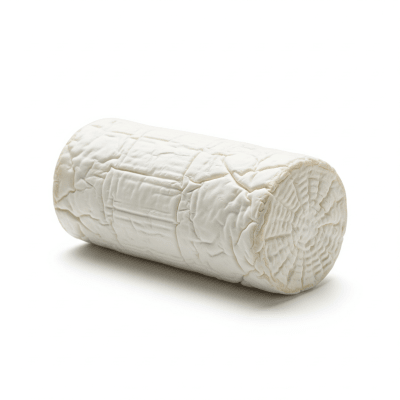

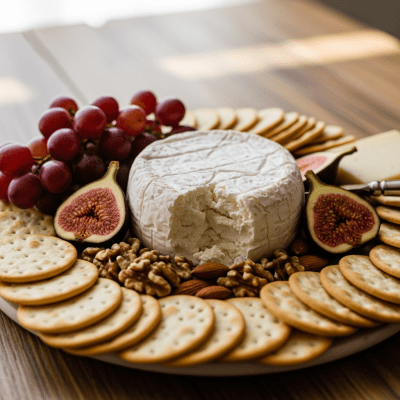
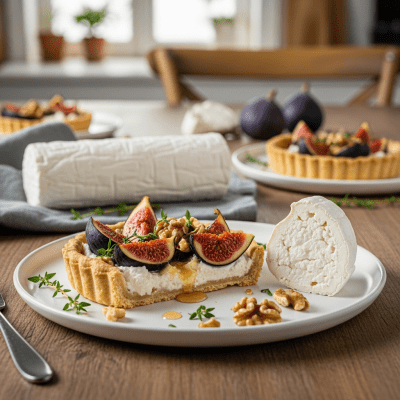
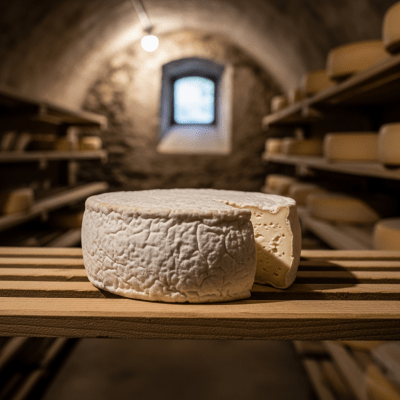
Traditional chèvre is crafted using lactic coagulation—a slow acidification process—followed by gentle draining and hand-molding into various shapes. Some varieties are surface-ripened with natural molds or ash, and may be coated in herbs or spices. Fresh chèvre is unripened, while aged types are matured for weeks to months, developing complex flavors and textures.
Fresh chèvre is soft, creamy, and easily spreadable, while aged versions become semi-soft to firm and may crumble. Rinds can be natural, ash-coated, or covered in herbs and spices, adding visual interest and subtle flavor layers. The texture and rind vary widely depending on age and regional style.
Chèvre is available both fresh and aged. Fresh chèvre is unripened and enjoyed for its mild, creamy qualities. Aged chèvre matures for weeks to months, during which it develops a firmer texture, a more concentrated flavor, and sometimes a distinctive rind. Maturation enhances complexity, making aged chèvre a prized delicacy.
While "chèvre" itself is not a protected designation, many regional French goat cheeses under the chèvre umbrella—such as Crottin de Chavignol, Valençay, and Sainte-Maure de Touraine—hold official PDO or AOC status, regulated by French and EU authorities.
Chèvre is sold in a variety of forms, including logs, discs, pyramids, and wheels. Packaging may feature foil wraps, coatings of herbs or ash, or simple paper. These diverse shapes and presentations cater to different culinary uses and preferences.
Choose chèvre with a fresh aroma and unblemished surface. For fresh chèvre, refrigerate and consume within a week of opening; aged varieties can be stored longer, ideally wrapped in wax paper and kept in a cool, humid environment. Avoid airtight plastic for aged chèvre to preserve its texture and flavor.