Cheddar
Cheddar is a firm, versatile cheese renowned for its sharp flavor and global popularity, originating from England and now enjoyed worldwide in countless forms and dishes.
Cheddar is a firm, versatile cheese renowned for its sharp flavor and global popularity, originating from England and now enjoyed worldwide in countless forms and dishes.
Cheddar traces its roots to the village of Cheddar in Somerset, England, with records of its production dating back to the 12th century. The cheese’s name comes from the Cheddar Gorge caves, historically prized for their ideal aging conditions. Over centuries, Cheddar evolved from a local specialty to an international staple, with production now spanning the UK, North America, Australia, and beyond. While most Cheddar is produced outside regulatory frameworks, the traditional "West Country Farmhouse Cheddar" remains protected by EU and UK law, preserving its heritage and authentic methods.
Cheddar belongs to the hard or semi-hard cheese family, classified by its firm texture and moderate moisture content. It is typically made from cow’s milk and is distinguished by a unique "cheddaring" process that sets it apart from other pressed cheeses. While Cheddar is often used generically, only certain regional variants—such as West Country Farmhouse Cheddar—hold protected status, ensuring strict adherence to traditional methods and origin.
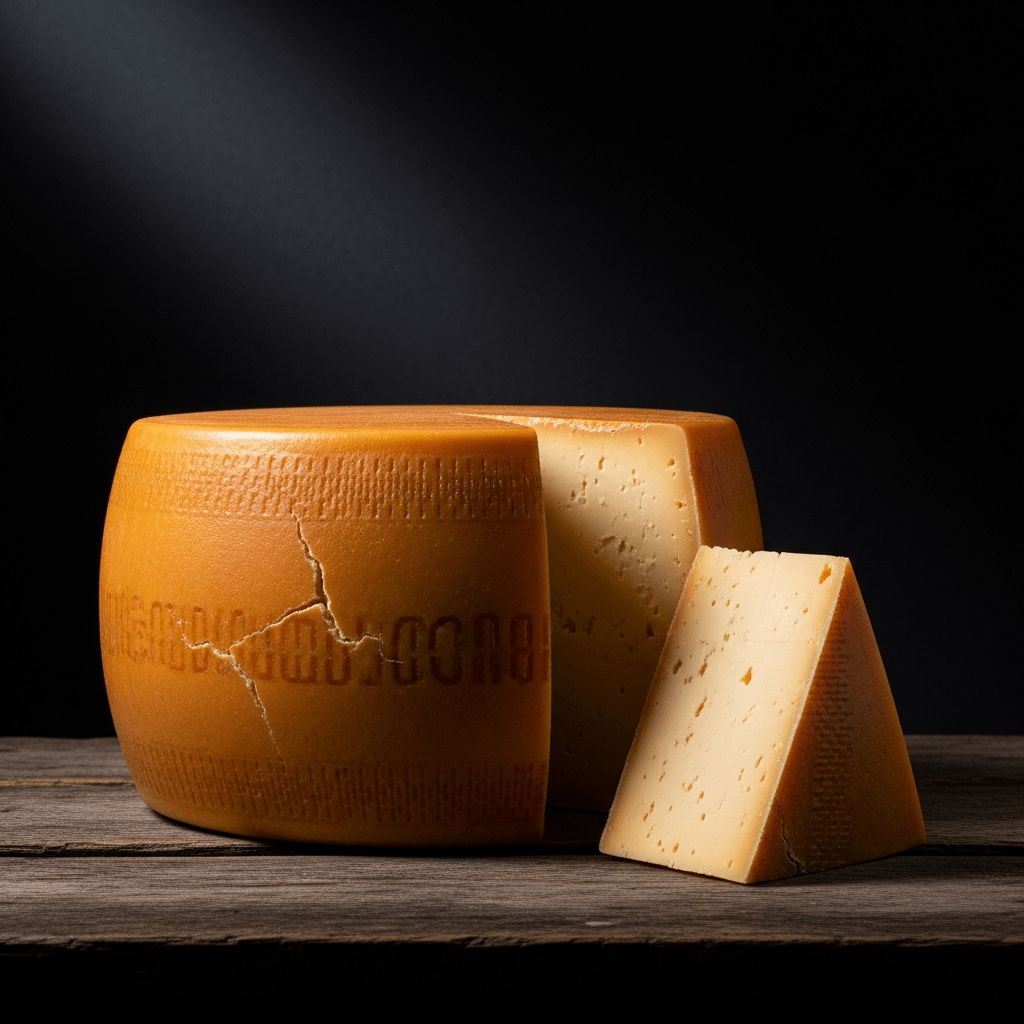
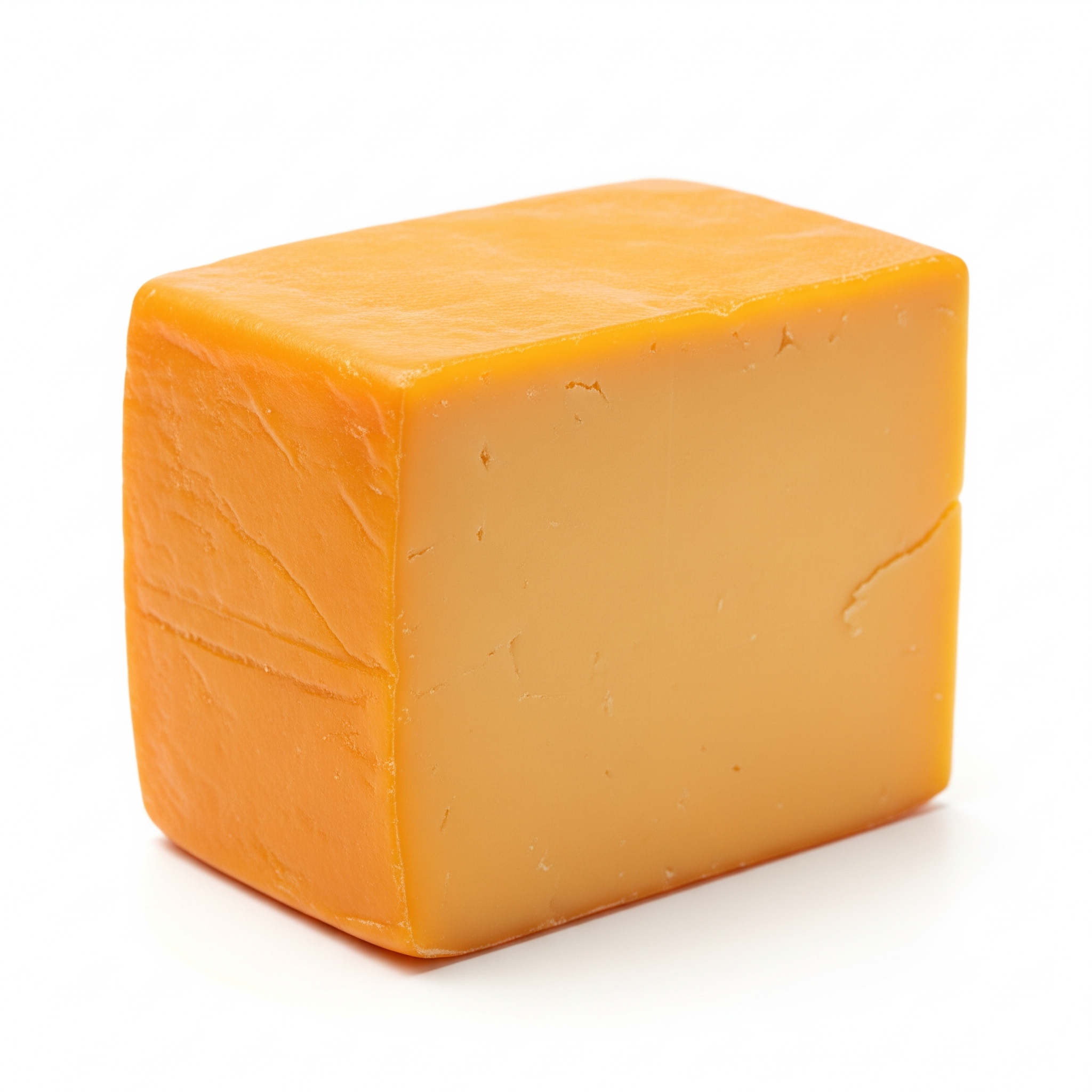
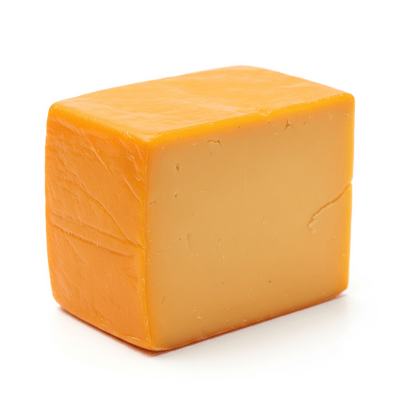
Cheddar’s appearance ranges from pale yellow to deep orange, the latter often achieved with natural annatto coloring. Traditionally shaped into large cylindrical wheels weighing 25–60 pounds (11–27 kg), Cheddar is also widely available in blocks, shredded, or grated forms. The rind may be natural, clothbound, or waxed, depending on how and where it is aged, giving each wheel a distinct look and character.
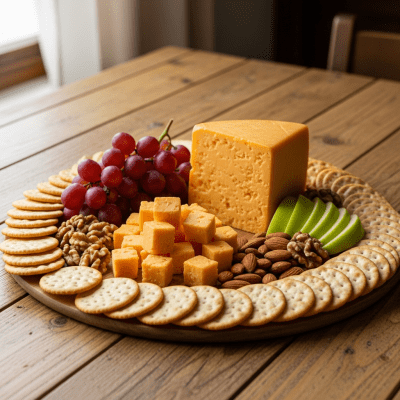
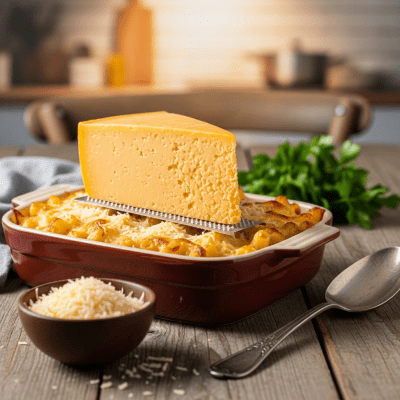
Cheddar’s firm texture and robust flavor make it exceptionally versatile. It resists moderate handling and transport, making it suitable for retail and culinary use. Cheddar is enjoyed as a table cheese, sliced for sandwiches, melted in cooked dishes, and grated for toppings. Its sharpness and melting qualities are prized in both home kitchens and commercial food production, contributing to its status as one of the most consumed cheeses globally.
Bring this kind into your world illustrated posters, mugs, and shirts.
Archival print, museum-grade paper
Buy Poster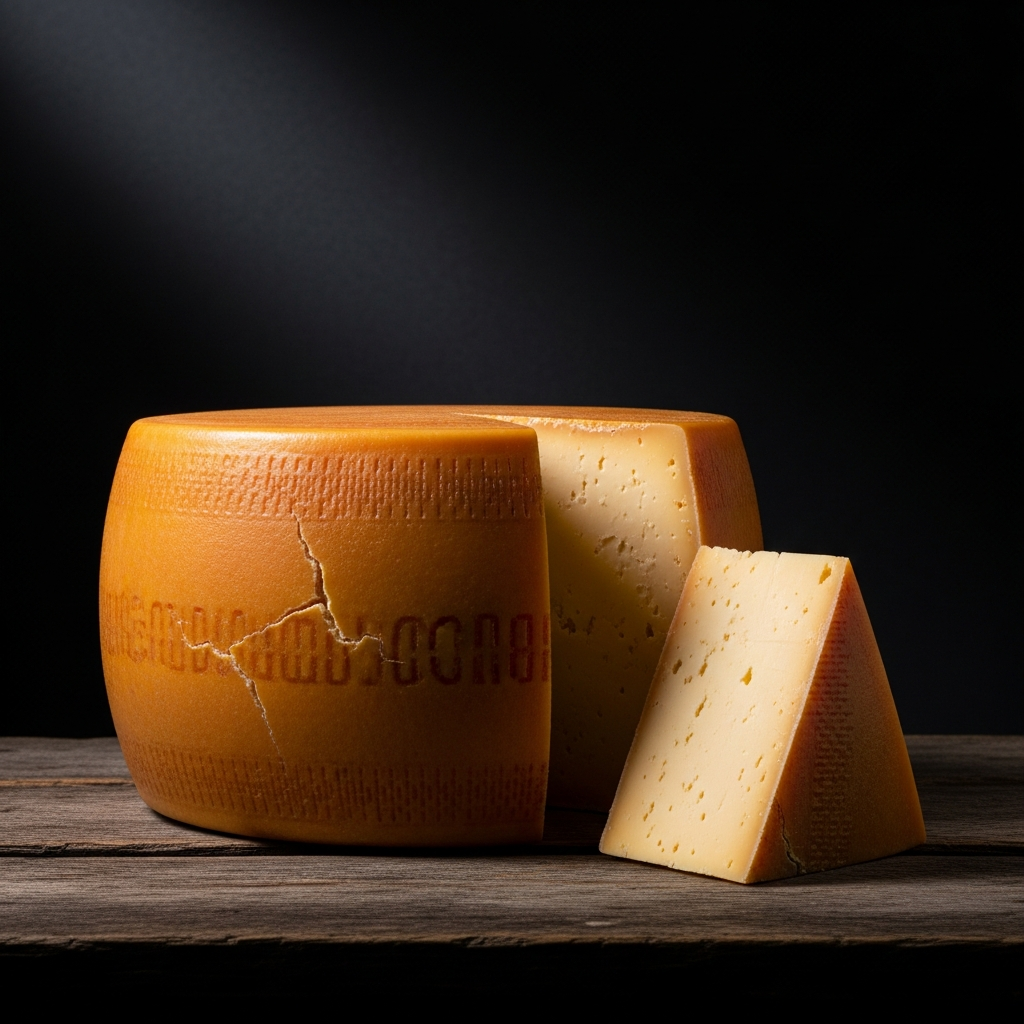
Stoneware mug, dishwasher safe
Buy Mug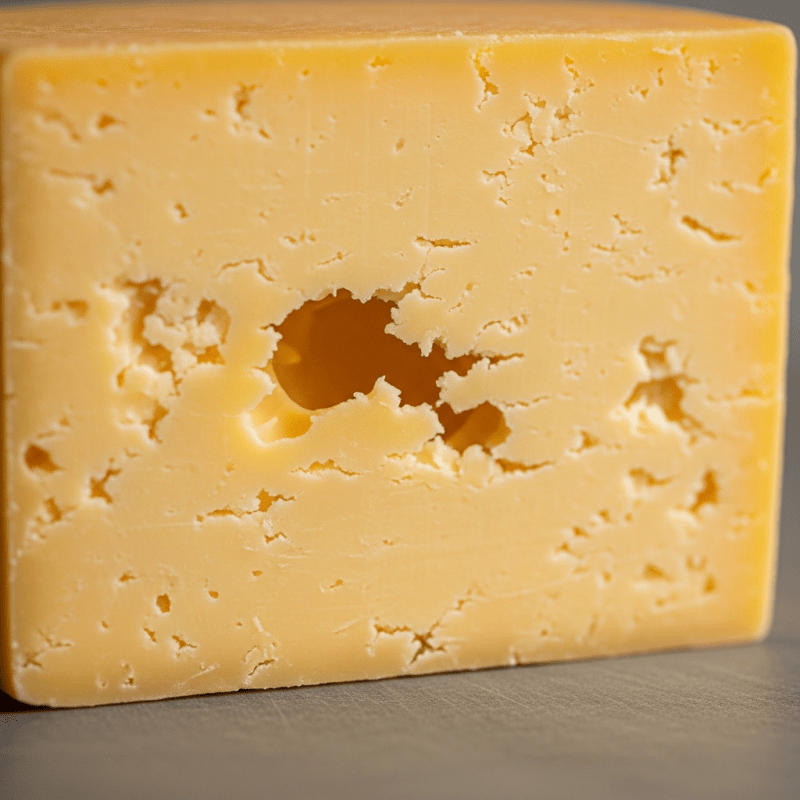
Soft cotton tee, unisex sizes
Buy ShirtCheddar is more than a cheese—it is a cultural icon in the UK and a staple in North American and Australian diets. Its name has become synonymous with quality and tradition, appearing in literature, advertising, and culinary competitions. The protected status of West Country Farmhouse Cheddar reflects its importance in British heritage, while the cheese’s adaptability has made it a symbol of comfort food worldwide, from classic grilled cheese sandwiches to gourmet cheese boards.
Cheddar is traditionally made from cow’s milk, which imparts a creamy base and subtle grassy notes. The choice of milk influences the final flavor, with regional differences in diet and breed affecting nuances in taste and texture. While rare goat or sheep milk Cheddars exist, cow’s milk remains the standard for classic Cheddar.
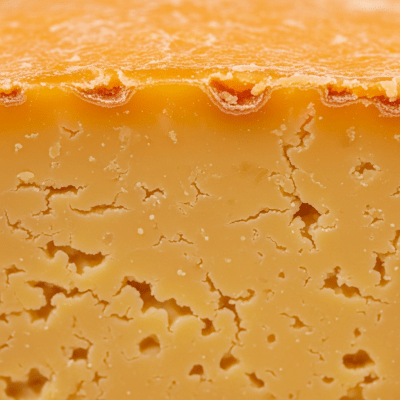
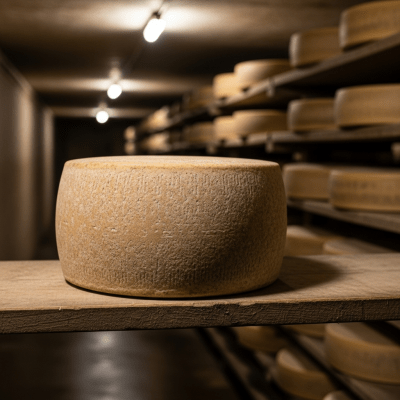
Cheddar is crafted through a distinctive "cheddaring" process: after curd formation and draining, the curds are stacked and turned repeatedly to expel whey and develop the cheese’s signature texture. Salt is added during curd processing, and the cheese is pressed and aged in controlled environments. The rind may be natural, clothbound, or waxed, and Cheddar is not brined, setting it apart from many other hard cheeses.
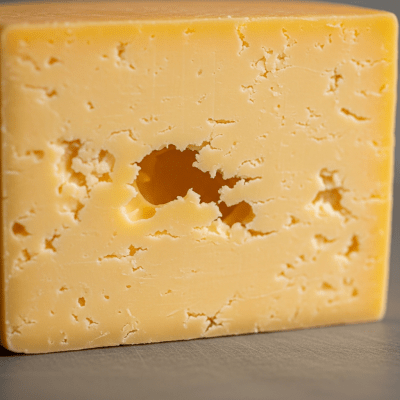
Cheddar’s texture is firm and smooth when young, becoming crumbly and granular as it matures. The rind varies: traditional Cheddars may have a natural or clothbound rind, while many commercial varieties use wax for protection. These characteristics affect both the aging process and the final flavor profile, with clothbound Cheddars often developing more complex, earthy notes.
Cheddar is aged from several weeks (mild) to over 24 months (extra mature or vintage). As Cheddar matures, its flavor intensifies, moving from creamy and mild to sharp and tangy, while the texture shifts from smooth to crumbly and granular. Aging in caves or cellars can enhance complexity, and longer maturation is prized by cheese enthusiasts for its depth and character.
"West Country Farmhouse Cheddar" holds PDO (Protected Designation of Origin) status under EU and UK law, overseen by DEFRA and the EU PDO Registry. This designation ensures that only Cheddar made in designated regions of England using traditional methods can bear the name. Most Cheddar produced globally does not have protected status and may vary in quality and authenticity.