Camembert
Camembert is a classic French soft cheese, celebrated for its creamy texture, bloomy white rind, and earthy aroma, originating from Normandy and protected by European designation.
Camembert is a classic French soft cheese, celebrated for its creamy texture, bloomy white rind, and earthy aroma, originating from Normandy and protected by European designation.
Camembert traces its roots to the village of Camembert in Normandy, France. Its invention is traditionally credited to Marie Harel in 1791, though similar cheeses predate her. The cheese gained national fame in the late 19th century, thanks in part to the development of its iconic wooden box packaging, which made transport easier and helped spread its popularity. Today, only cheeses made in Normandy from raw cow’s milk using traditional methods can bear the prestigious “Camembert de Normandie” name, recognized and protected by the Institut National de l’Origine et de la Qualité (INAO) since 1992.
Camembert belongs to the family of soft, surface-ripened cheeses. It is closely related to Brie but distinguished by its regional origin, smaller size, and specific production techniques. Within cheese taxonomies, Camembert is classified by its cow’s milk source, soft and creamy texture, bloomy rind, and its status as a mold-ripened cheese. The Protected Designation of Origin (PDO) further sets authentic Camembert apart from generic or industrial versions.
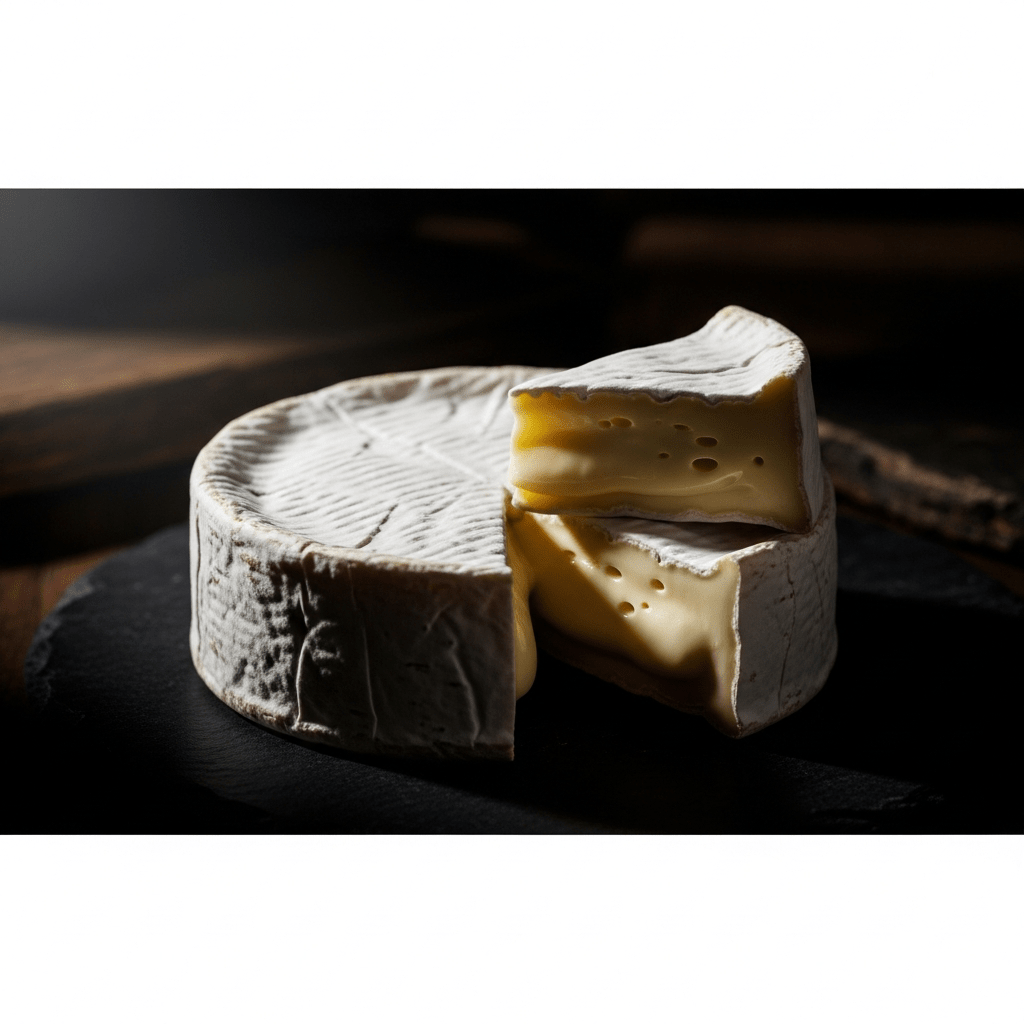
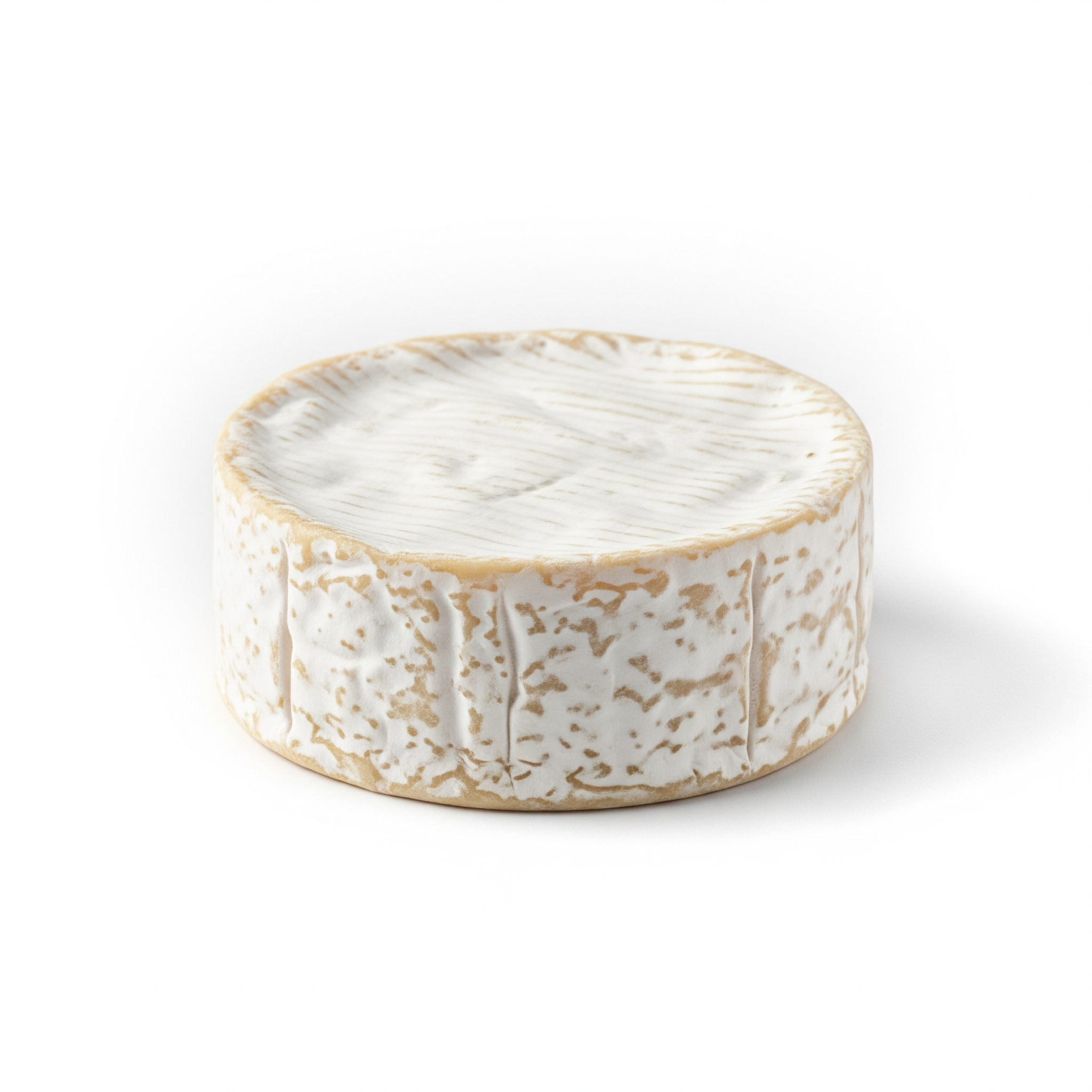
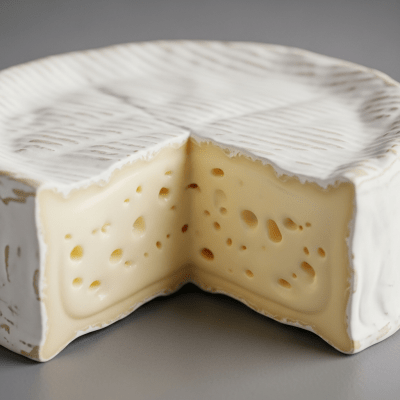
Camembert is typically presented as a small, round disk measuring about 10–11 cm in diameter and 3 cm thick, weighing approximately 250 grams. Its edible rind is snowy white and velvety, formed by Penicillium camemberti mold. The interior paste is pale yellow, creamy, and supple, becoming increasingly runny as the cheese matures. The aroma is earthy and mushroomy, with a visually striking contrast between the rind and the soft center.
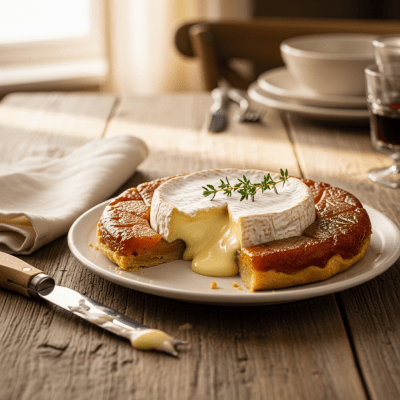
Camembert is best enjoyed at room temperature, where its texture and flavors are most expressive. It serves as a centerpiece on cheese boards, elevates sandwiches, and is famously baked whole for a molten, indulgent treat. Its creamy consistency makes it suitable for sauces and culinary applications that call for a rich, melting cheese. The cheese’s wooden box not only aids in transport but also preserves its delicate form and flavor.
Bring this kind into your world illustrated posters, mugs, and shirts.
Archival print, museum-grade paper
Buy Poster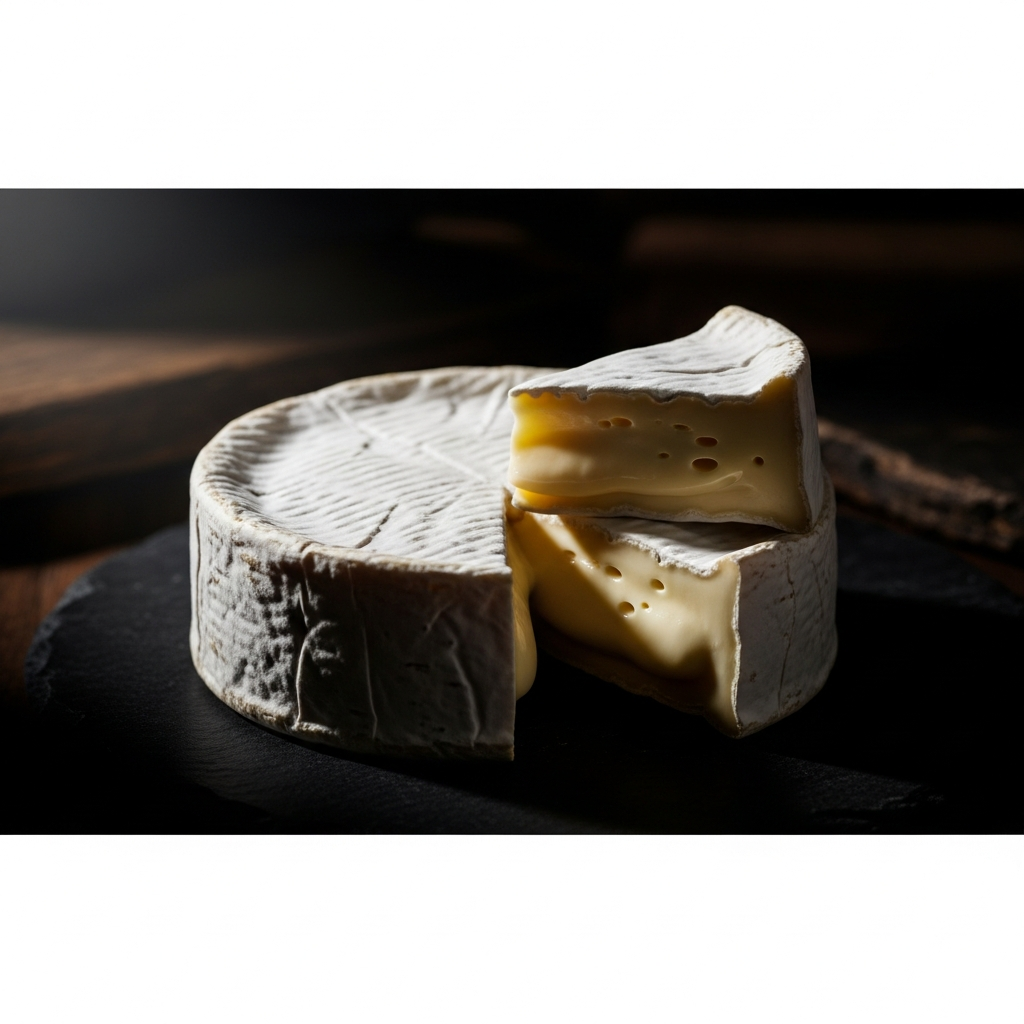
Stoneware mug, dishwasher safe
Buy Mug
Soft cotton tee, unisex sizes
Buy ShirtCamembert is an enduring symbol of French gastronomic heritage, often featured in art, literature, and cinema as a quintessential element of rural French life. It has become a staple in French cuisine and is recognized worldwide as an ambassador of Normandy’s culinary tradition. The cheese’s protected status and artisanal reputation contribute to its prestige, making it a point of pride for producers and a sought-after delicacy for connoisseurs.
Camembert is made exclusively from cow’s milk, which imparts a rich, buttery flavor and creamy texture. For PDO varieties, only raw milk from Normandy cows is used, enhancing the cheese’s depth and regional character.

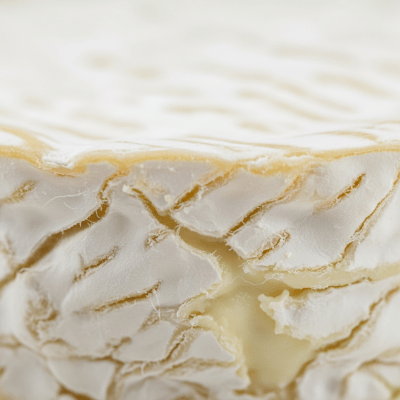

Traditional Camembert production begins with coagulating raw cow’s milk using rennet. The curds are gently ladled into molds, drained, salted, and then surface-ripened with Penicillium camemberti mold for at least 21 days. This careful process yields a creamy interior and a distinctive bloomy rind. Industrial versions may use pasteurized milk and accelerated ripening techniques, but only traditional methods qualify for PDO status.
Camembert’s interior is creamy, supple, and becomes increasingly runny as the cheese matures. The edible rind is velvety and white, formed by Penicillium camemberti, and delivers subtle mushroomy, earthy notes that complement the mild, buttery paste. The high moisture content ensures a soft, yielding texture throughout.
Camembert is aged for a minimum of 21 days, during which its flavor and texture evolve. Early in maturation, the cheese is firmer and milder; as it ages, the paste softens and develops more pronounced vegetal, nutty, and earthy notes. Proper aging is essential for achieving the characteristic runny center and aromatic rind.
Camembert de Normandie is protected by the European Union’s Protected Designation of Origin (PDO) since 1992, regulated by the Institut National de l’Origine et de la Qualité (INAO). Only cheeses produced in Normandy from raw cow’s milk using traditional techniques may carry this designation, ensuring authenticity and quality.
Camembert is most commonly sold as a small wheel, typically weighing around 250 grams, and presented in a distinctive wooden box. Industrial versions may also be found in various packaging, but the boxed wheel remains the standard for both artisanal and commercial offerings.
Choose Camembert with a firm, intact rind and a subtle earthy aroma. For optimal flavor, allow the cheese to reach room temperature before serving. Store in its original box or wrap loosely in wax paper in the refrigerator; avoid airtight containers, which can trap moisture and accelerate spoilage. Consume within a week of opening for best texture and taste.