
Caciocavallo
Caciocavallo is a traditional Italian stretched-curd cheese, famed for its distinctive teardrop shape, firm texture, and centuries-old heritage in Southern Italy.
Caciocavallo is a traditional Italian stretched-curd cheese, famed for its distinctive teardrop shape, firm texture, and centuries-old heritage in Southern Italy.
Caciocavallo traces its roots to Southern Italy, notably in regions such as Calabria, Campania, Basilicata, Molise, and Sicily. Its production dates back to at least the 14th century, with some legends suggesting even older origins linked to Ancient Greece. The name "caciocavallo," meaning "horse cheese," refers to the classic aging method: cheeses are tied in pairs and hung over a wooden beam, reminiscent of saddlebags draped across a horse's back. This evocative tradition remains central to its identity, and regional varieties like Caciocavallo Silano have earned protected status under the European Union's PDO system.
Caciocavallo belongs to the family of pasta filata (stretched-curd) cheeses, a group that includes mozzarella and provolone. It is classified as a semi-hard to hard cheese, with its firmness and flavor intensifying as it matures. Within the broader taxonomy of cheeses, Caciocavallo is distinguished by its cow’s milk base, traditional Italian origins, and unique aging technique.
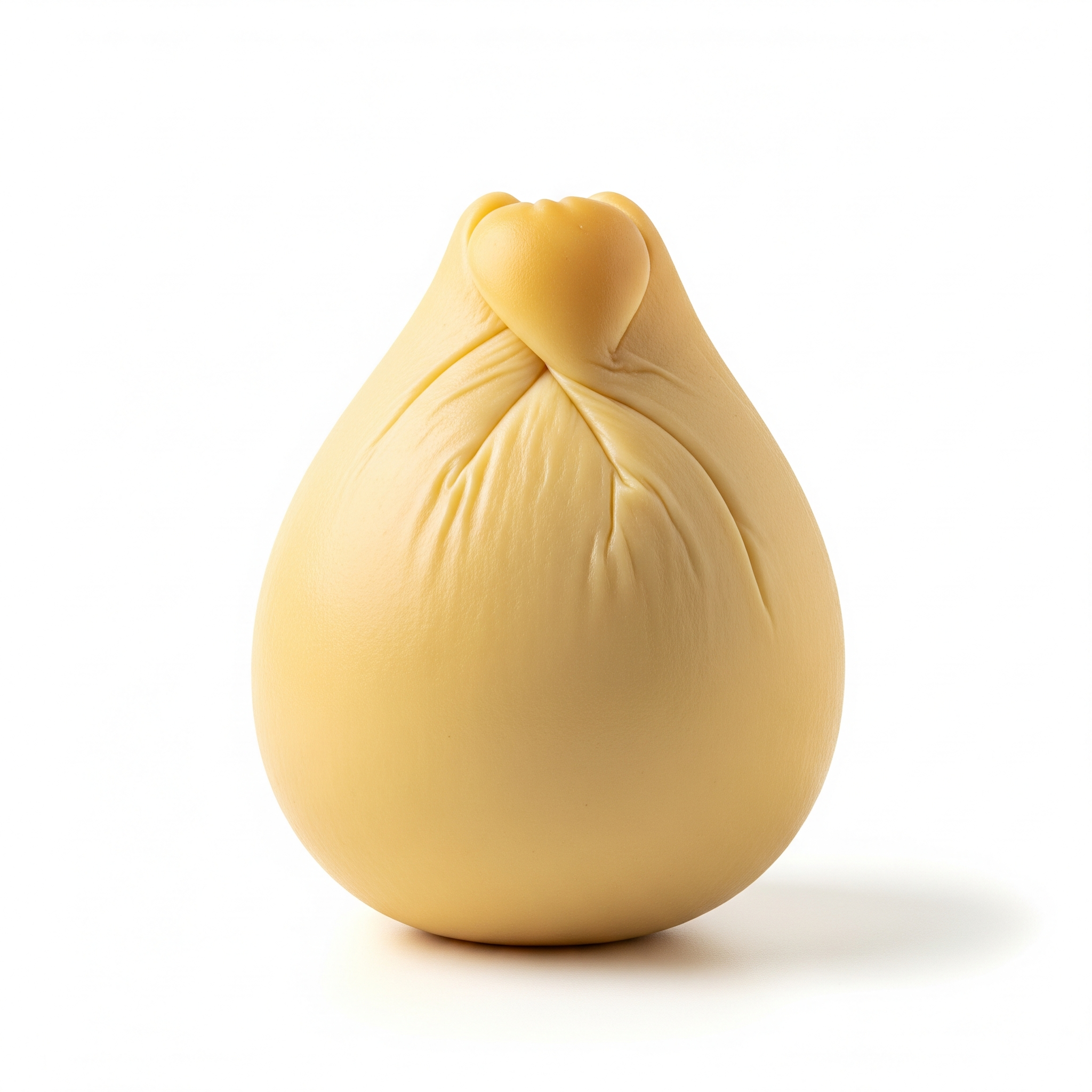
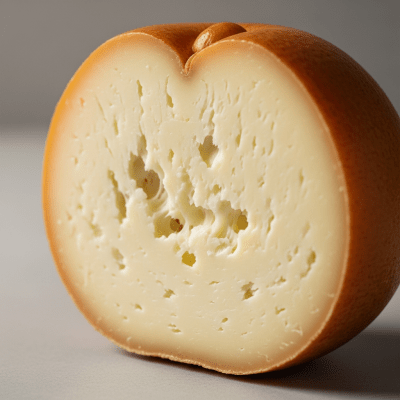
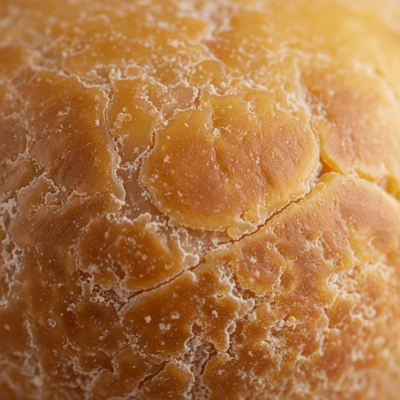
Caciocavallo is instantly recognizable by its pear- or teardrop-shaped form, typically weighing between 1 and 2.5 kilograms. The cheese sports a smooth, thin, golden-yellow rind that thickens and deepens in color as it ages. Inside, the paste is pale yellow and elastic when young, becoming firmer and more granular over time. The visual appeal is matched by its tactile qualities—firm yet yielding when fresh, robust and crumbly when mature.
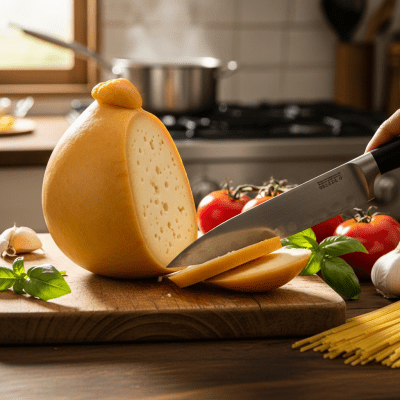
Caciocavallo is versatile in the kitchen and at the table. It can be sliced for snacking, grated over dishes, or melted into recipes such as baked pasta, pizza, and vegetable casseroles. In Southern Italy, it is often grilled or pan-fried (alla brace), served with bread or vegetables. Its robust texture and flavor allow it to stand up to both simple and hearty preparations, making it a staple in Italian culinary tradition.
Bring this kind into your world illustrated posters, mugs, and shirts.
Archival print, museum-grade paper
Buy Poster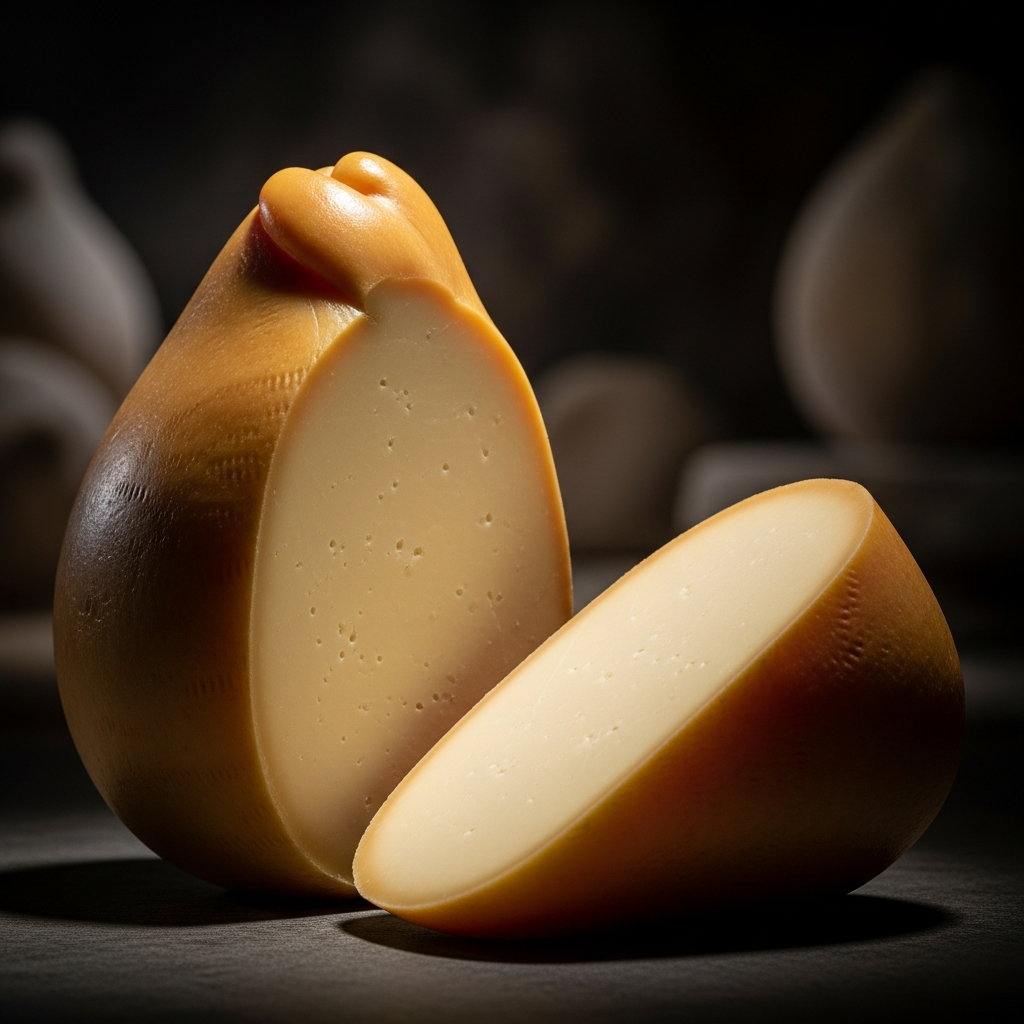
Stoneware mug, dishwasher safe
Buy Mug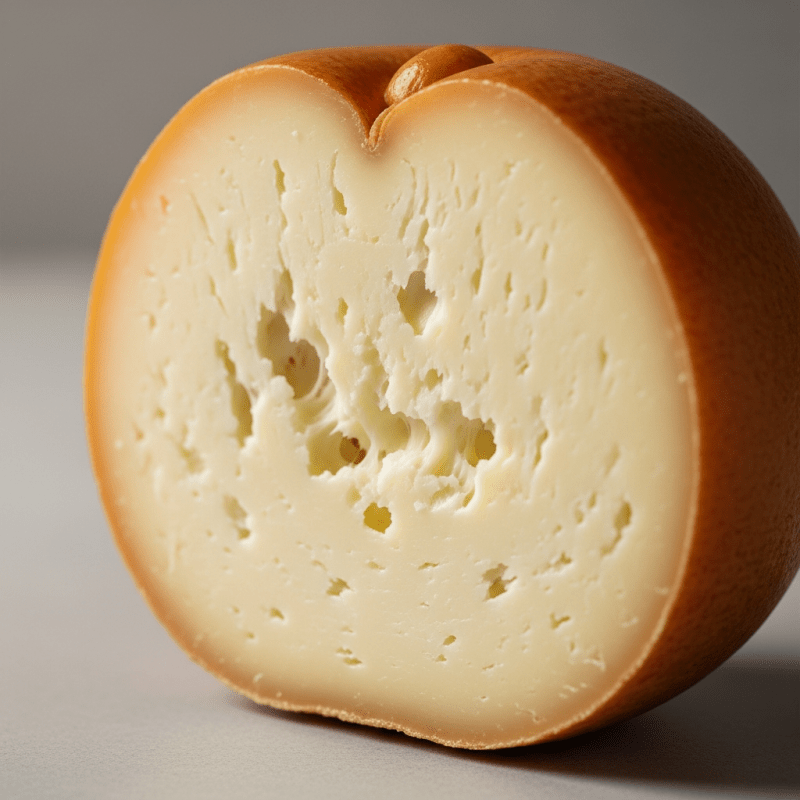
Soft cotton tee, unisex sizes
Buy ShirtMore than just a cheese, Caciocavallo is a symbol of Southern Italian rural life and artisanal heritage. Its name and aging method evoke pastoral imagery, and its presence is celebrated in local festivals and family gatherings. Regional pride is evident in the many variants and in the protected status granted to Caciocavallo Silano. The cheese’s enduring popularity reflects its role in both everyday meals and special occasions, anchoring it in the cultural fabric of Italy.
Caciocavallo is made primarily from cow’s milk, which imparts a mild, creamy base flavor. While historical versions sometimes used sheep or goat milk, modern PDO standards specify cow’s milk exclusively, giving the cheese its characteristic taste and texture.

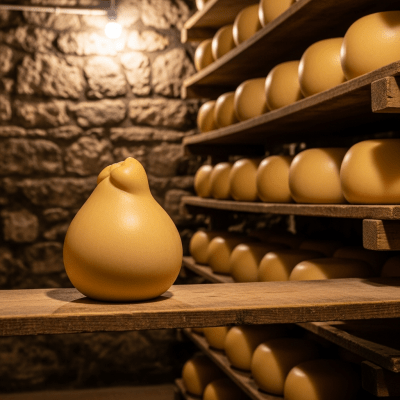
The cheese is crafted using the pasta filata technique: curds are heated, stretched, and shaped, then tied in pairs and hung over a wooden beam to age. This method creates its signature teardrop shape and contributes to its elastic, firm texture. The aging process can last from a few weeks to two years, with the cheese’s flavor and consistency evolving over time.
Caciocavallo’s texture is firm and elastic when young, becoming granular and harder as it matures. The rind is smooth, thin, and golden-yellow at first, gradually thickening and darkening with age. The interior paste remains homogeneous and pale yellow, shifting from supple to crumbly as the cheese ages.
Aging periods for Caciocavallo range from several weeks to up to two years. Young cheeses are soft, elastic, and mild, while extended maturation yields a firmer, more granular texture and a sharper, spicier flavor. The rind thickens and darkens, and the interior becomes increasingly robust, making aged Caciocavallo prized for its complexity.
Caciocavallo Silano, a prominent regional variety, holds Protected Designation of Origin (PDO) status since 1996. This designation, regulated by the European Union PDO Registry and Italian authorities, ensures that only cheeses produced in specific regions using traditional methods can bear the name, safeguarding authenticity and quality.
Caciocavallo is available in several forms: whole wheels, sliced portions, and grated cheese. The classic teardrop-shaped wheel is most iconic, but pre-sliced and grated options offer convenience for cooking and serving.
When selecting Caciocavallo, look for wheels with a smooth, uncracked rind and a pleasant, milky aroma. Store the cheese in a cool, dry place, ideally wrapped in wax paper or cheese paper to preserve moisture and prevent drying. Refrigeration is recommended for longer storage, but allow the cheese to come to room temperature before serving for optimal flavor and texture.