
Brie
Brie is a classic French soft cheese, renowned for its creamy interior and delicate, edible white rind.
Brie is a classic French soft cheese, renowned for its creamy interior and delicate, edible white rind.
Brie traces its roots to the historic region of Brie in Île-de-France, east of Paris. Its legacy dates back to at least the 8th century, with references from Charlemagne’s era. The two most celebrated varieties, Brie de Meaux and Brie de Melun, have been protected by French AOC and EU PDO status since 1980, ensuring their authentic production remains tied to their original terroir.
Brie belongs to the family of soft, bloomy-rind cheeses made from cow’s milk. It stands as an archetype of soft-ripened cheeses, sharing its category with other mold-ripened varieties but distinguished by its large wheel format and gentle flavor profile.
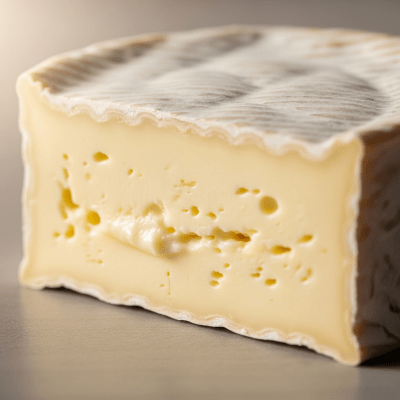
Brie is typically presented as a large, flat wheel—22 to 37 cm in diameter and 3 to 4 cm thick—covered in a snowy white, edible rind. The interior paste is pale yellow, smooth, and creamy, offering a luscious, spreadable texture. Its rind, formed by Penicillium cultures, imparts a subtle mushroom aroma and a delicate finish.
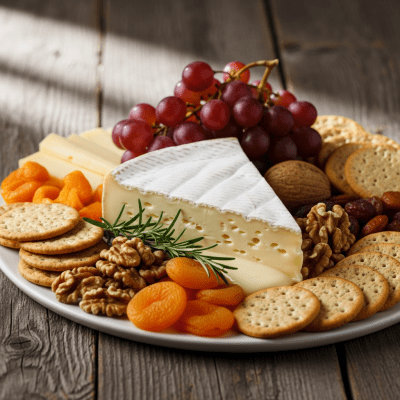
Brie is best enjoyed at room temperature, allowing its creamy texture and nuanced flavors to shine. It serves as a centerpiece on cheese boards, is often paired with bread, fruit, and wine, and features in both simple snacks and elaborate baked dishes. Its mild, buttery taste makes it accessible and versatile in a variety of culinary settings.
Bring this kind into your world illustrated posters, mugs, and shirts.
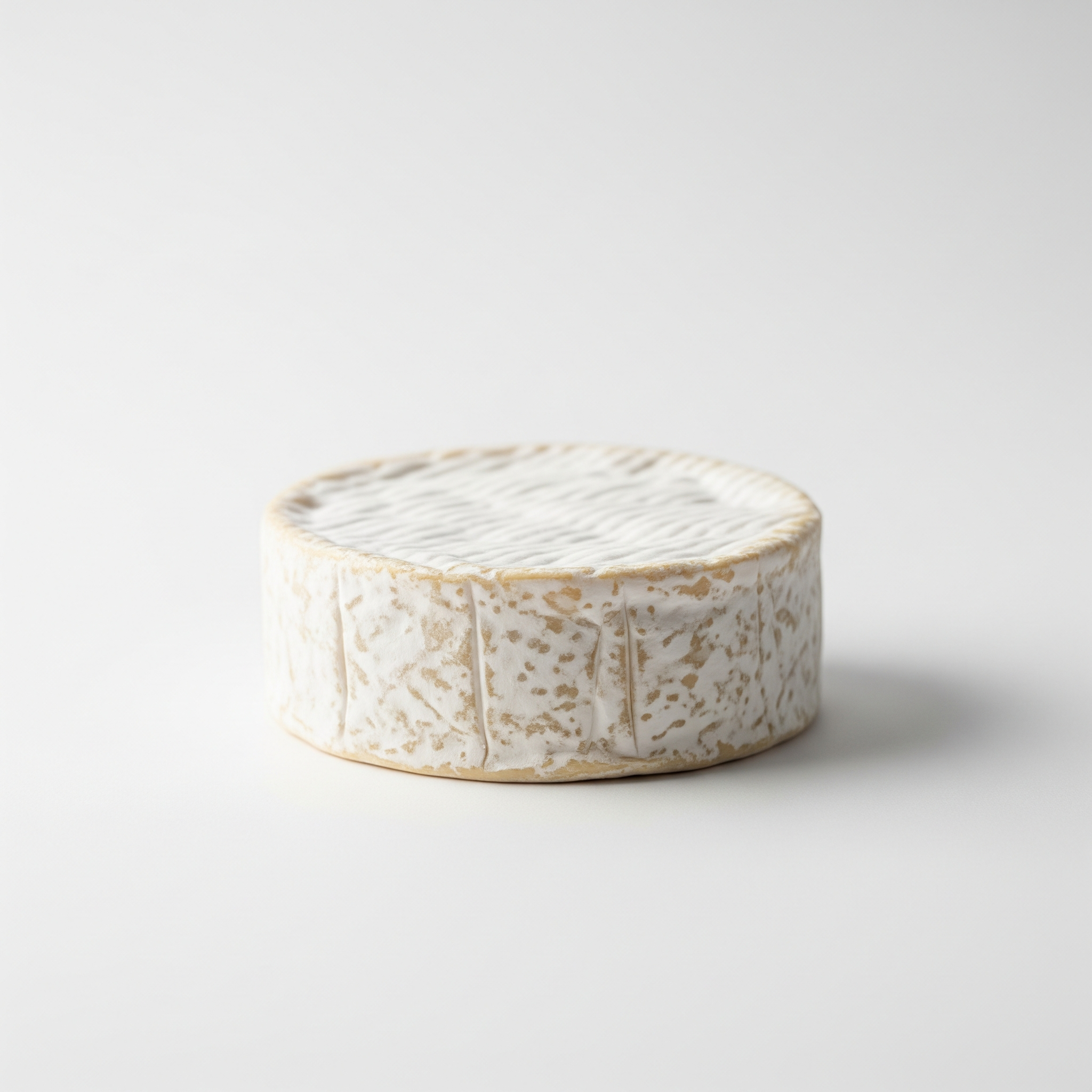
Archival print, museum-grade paper
Buy Poster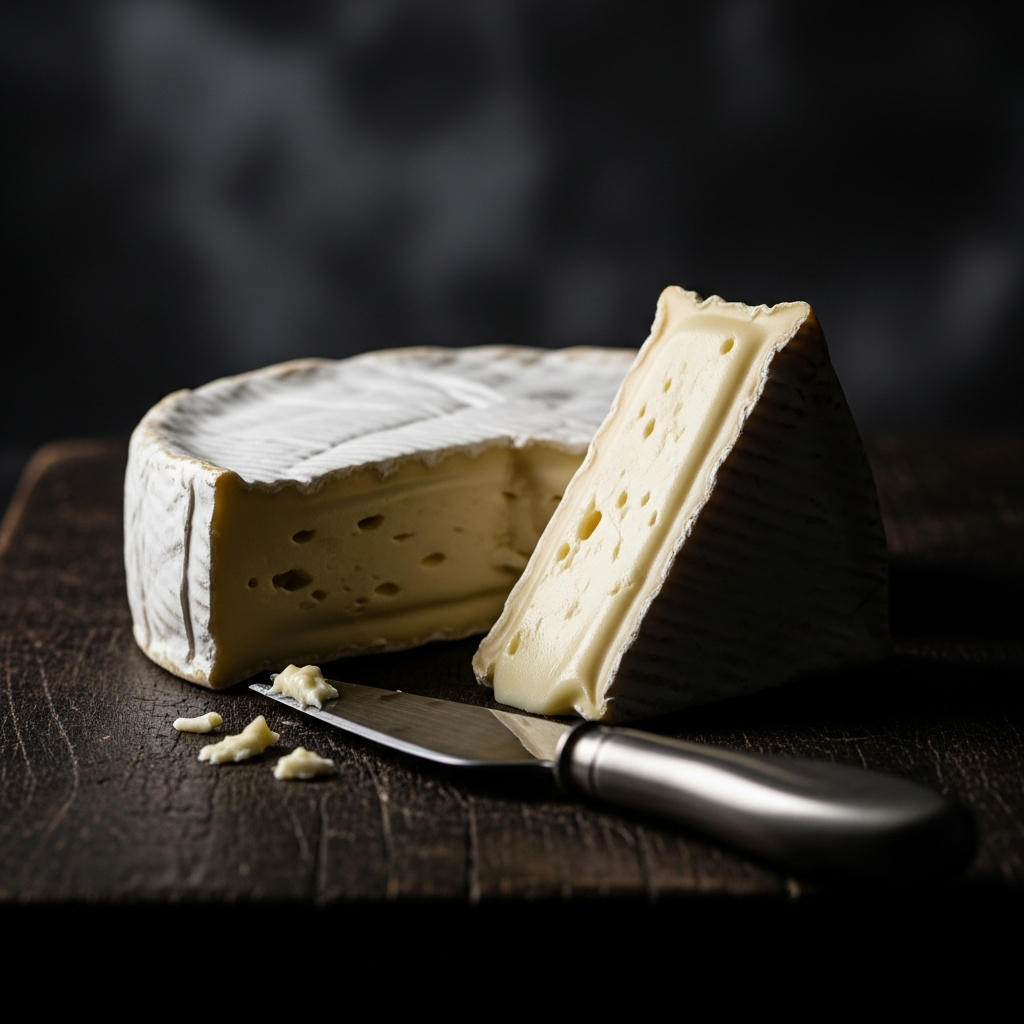
Stoneware mug, dishwasher safe
Buy Mug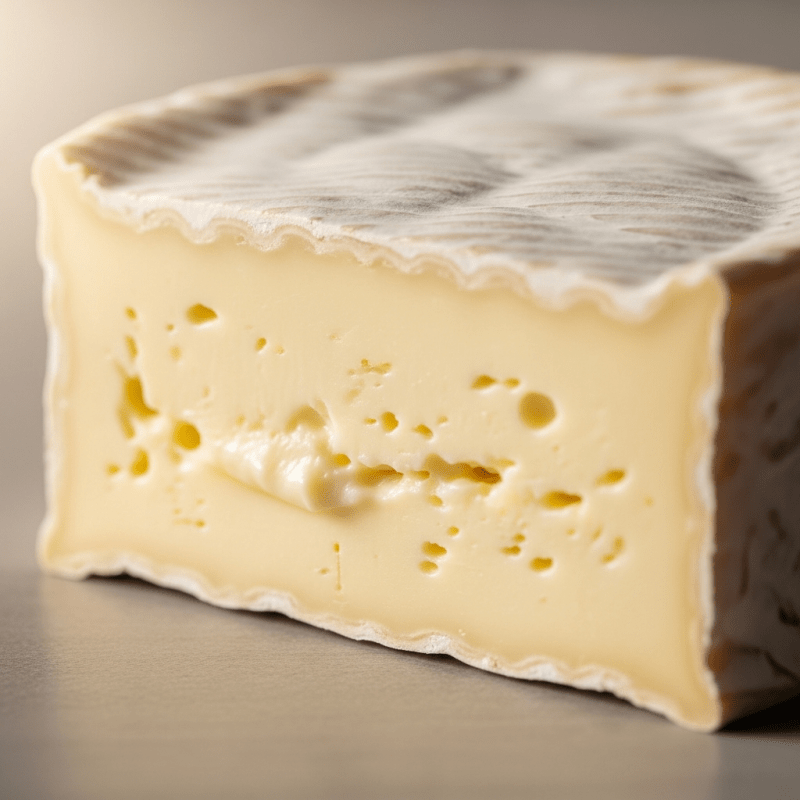
Soft cotton tee, unisex sizes
Buy ShirtBrie is a symbol of French gastronomic heritage, celebrated in literature, art, and culinary tradition. Its reputation as the “Queen of Cheeses” has made it a staple at festive gatherings and a subject of international admiration. Protected regional varieties are revered by connoisseurs, and Brie’s influence extends globally, inspiring countless imitations and adaptations.
Brie is made exclusively from cow’s milk, which lends it a mild, buttery flavor and smooth, creamy texture. The richness and subtlety of cow’s milk are central to Brie’s signature taste.

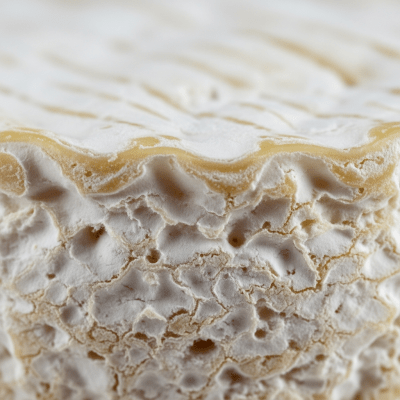
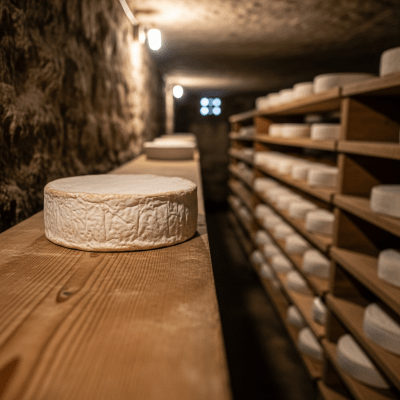
Brie is crafted by coagulating cow’s milk with rennet, cutting and draining the curds, then molding and salting them. The surface is inoculated with Penicillium cultures to develop its characteristic bloomy rind. Traditional varieties use raw milk, while many international Bries are made with pasteurized milk. Ripening occurs over 4 to 8 weeks under carefully controlled temperature and humidity.
Brie’s interior is creamy, smooth, and easily spreadable, with a moisture content of 48–52%. Its edible rind is white, soft, and velvety, imparting a gentle mushroom aroma and subtle earthy notes to the cheese.
Brie matures over 4 to 8 weeks. As it ages, the rind develops its signature bloom and the interior paste softens, becoming increasingly creamy and flavorful. Extended aging can lead to a more pronounced aroma and a runnier texture, especially near the rind.
Brie de Meaux and Brie de Melun hold both French AOC and EU PDO status, meaning only cheeses produced in designated regions using traditional methods can bear these names. These protections are overseen by the INAO and the EU PDO Registry, preserving Brie’s heritage and authenticity.
Brie is most commonly sold as large wheels, though portions are often cut into wedges for retail. Specialty varieties such as double or triple crème Bries and aged Brie Noir may also be available, each offering unique textures and flavors.
Choose Brie with a clean, white rind and a soft, creamy interior. Store in the refrigerator, wrapped loosely in wax paper or cheese paper to allow it to breathe. For best flavor and texture, bring Brie to room temperature before serving, and consume within a week of opening to preserve freshness.