Blue Cheese
Blue cheese is a family of cheeses distinguished by their striking blue-green veins, bold aroma, and tangy flavor, created through the intentional cultivation of Penicillium molds within the cheese.
Blue cheese is a family of cheeses distinguished by their striking blue-green veins, bold aroma, and tangy flavor, created through the intentional cultivation of Penicillium molds within the cheese.
Blue cheese traces its origins to several regions across Europe, with legendary beginnings in France, Italy, and England. The earliest known blue cheese is Roquefort, referenced as far back as the 11th century, famously said to have been discovered by a shepherd who left bread and cheese in a cave. Over centuries, blue cheese making spread and evolved, with iconic varieties like Gorgonzola from Italy and Stilton from England each developing unique local traditions and protected designations. Today, blue cheese represents a rich tapestry of regional craftsmanship and history, shaped by the caves, climates, and cultures of its birthplaces.
Blue cheese is classified as a mold-ripened cheese, defined by the deliberate introduction of Penicillium roqueforti or Penicillium glaucum molds. It forms a distinct category within the broader cheese taxonomy, encompassing a range of textures and milk sources. Blue cheeses are grouped not by a single recipe, but by the shared trait of internal blue veining and pungent flavor, setting them apart from hard, soft, or washed-rind cheeses.
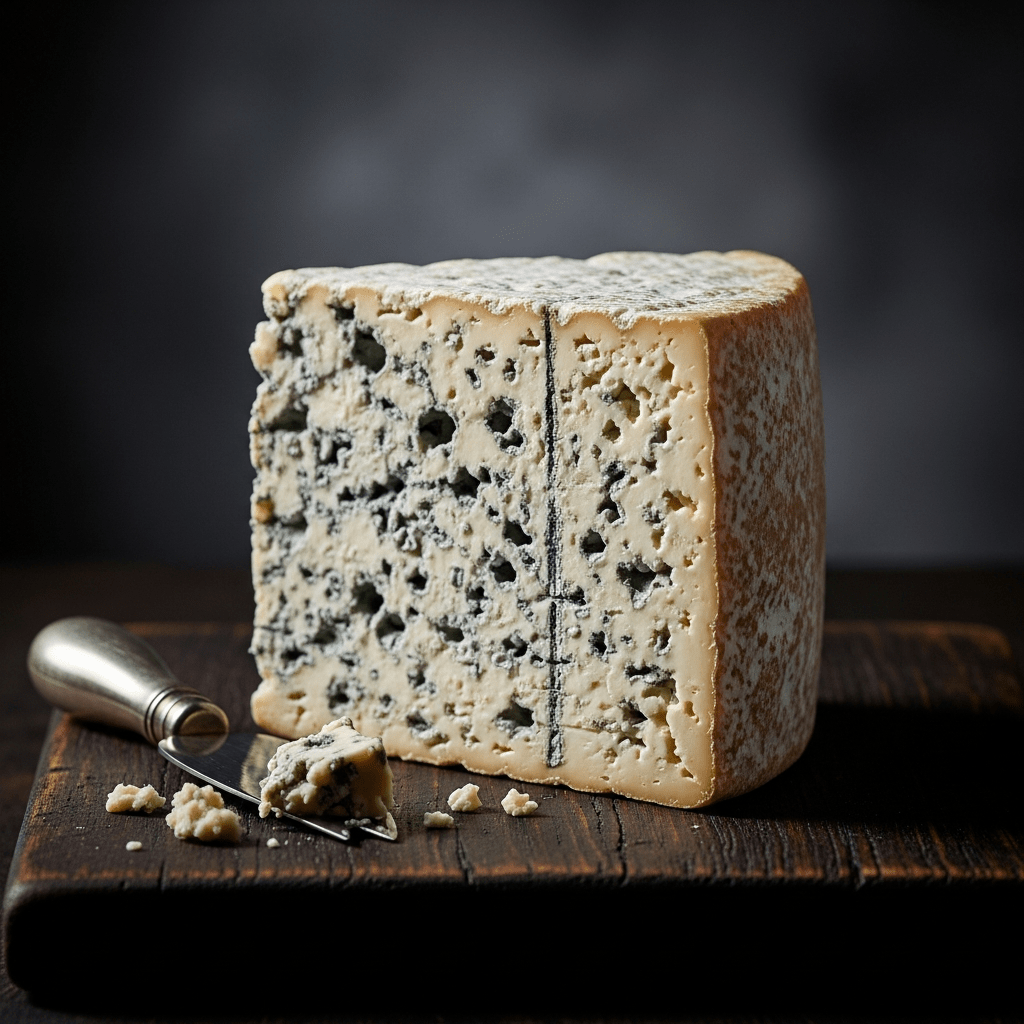
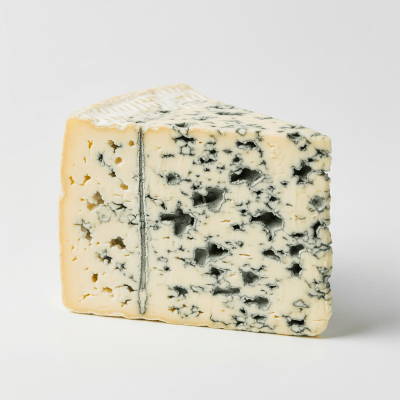
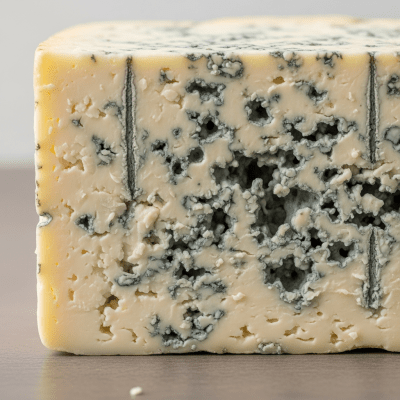
Visually, blue cheese is instantly recognizable: its creamy white to pale yellow body is marbled with vivid blue or green veins, the result of mold growth throughout the interior. The texture ranges from soft and spreadable (as in Gorgonzola Dolce) to crumbly and firm (like Roquefort or Stilton). Rinds vary by variety, appearing as natural, edible crusts, wax coatings, or foil wrappings. The aroma is assertive and earthy, a sensory hallmark of the style.
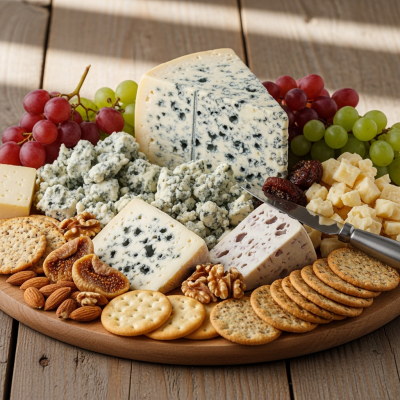
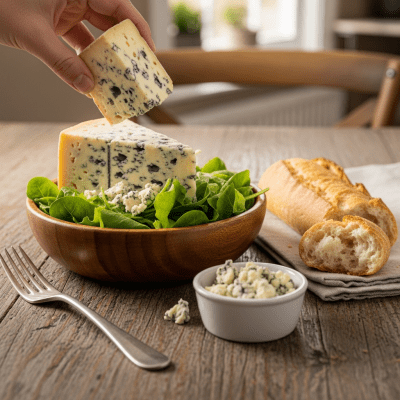
Blue cheese is prized for its bold, tangy, and sometimes spicy character, making it a versatile ingredient in both culinary and table settings. It can be crumbled over salads, melted into sauces, or served as a centerpiece on cheese boards. Its robust flavor profile invites pairing with sweet, nutty, or fruity accompaniments, and it is frequently used in dressings, dips, and gourmet dishes. Blue cheese also finds its way into processed foods and specialty flavorings, broadening its reach beyond traditional cheese plates.
Bring this kind into your world illustrated posters, mugs, and shirts.
Archival print, museum-grade paper
Buy Poster
Stoneware mug, dishwasher safe
Buy Mug
Soft cotton tee, unisex sizes
Buy ShirtBlue cheese holds a storied place in European food culture, symbolizing artisanal tradition and regional pride. Varieties like Roquefort, Gorgonzola, and Stilton are celebrated in literature, folklore, and gastronomy, often protected by strict legal designations. Blue cheese is a fixture in classic recipes and festive occasions, and its pungent aroma and dramatic appearance have made it a subject of both admiration and debate among cheese lovers worldwide.
Blue cheeses are made from a variety of milks: cow (Gorgonzola, Stilton), sheep (Roquefort), and occasionally goat or buffalo. The choice of milk influences the cheese’s flavor, with sheep’s milk lending a tangy, robust character, and cow’s milk producing milder, creamier notes.


Production begins by inoculating the curds with Penicillium roqueforti or Penicillium glaucum, then forming the cheese and piercing it to allow air inside. This aeration enables the mold to develop its characteristic veins. Blue cheeses are typically aged in caves or controlled environments, where humidity and temperature foster mold growth and flavor development.
The texture of blue cheese spans from soft and creamy to crumbly and firm, varying by type and aging. Rinds may be natural and edible, waxed, or wrapped in foil, reflecting regional traditions and desired aging outcomes. The interior remains moist and marbled, with veins of blue or green mold.
Blue cheeses are aged from several weeks to several months, depending on the variety. Longer maturation deepens the flavor, intensifies the aroma, and often results in a firmer, more crumbly texture. Cave aging is traditional for many types, imparting unique environmental nuances to the final product.
While the term "blue cheese" itself is not protected, many of its iconic varieties hold official designations: Roquefort (France) is AOC/PDO, Gorgonzola (Italy) is PDO, and Stilton (UK) is PDO. These statuses safeguard traditional methods and regional authenticity, regulated by European and national authorities.
Blue cheese is sold in wheels, blocks, crumbled packs, and foil-wrapped portions. Specialty shops may offer whole wheels or custom cuts, while supermarkets typically stock pre-packaged blocks or tubs of crumbled cheese for convenience.
When selecting blue cheese, look for vibrant marbling and a fresh, tangy aroma. Store tightly wrapped in the refrigerator, ideally in waxed paper or foil to preserve moisture and prevent odor transfer. Consume within a week of opening for optimal flavor, and avoid freezing, as it can alter texture and taste.