Asiago
Asiago is a celebrated Italian cow’s milk cheese, renowned for its evolving texture and flavor, ranging from mild and creamy when fresh to sharp and robust when aged.
Asiago is a celebrated Italian cow’s milk cheese, renowned for its evolving texture and flavor, ranging from mild and creamy when fresh to sharp and robust when aged.
Asiago traces its roots to the Asiago plateau in northern Italy’s Veneto and Trentino-Alto Adige regions. Its legacy dates back to at least the 10th century, originally crafted from sheep’s milk before shifting to cow’s milk in the late 19th century. The cheese’s reputation and craftsmanship led to its Protected Designation of Origin (PDO) status in 1996, ensuring only cheeses made in these regions using traditional methods can bear the Asiago name.
Asiago belongs to the broad family of Italian cheeses and is classified by both texture and aging. It is divided into two principal types: Asiago Fresco (Pressato), a semi-soft cheese with a gentle flavor, and Asiago d’Allevo, a hard, aged cheese with a pronounced, nutty sharpness. This duality places Asiago among cheeses that span the semi-soft to hard spectrum, reflecting Italy’s rich dairy traditions.
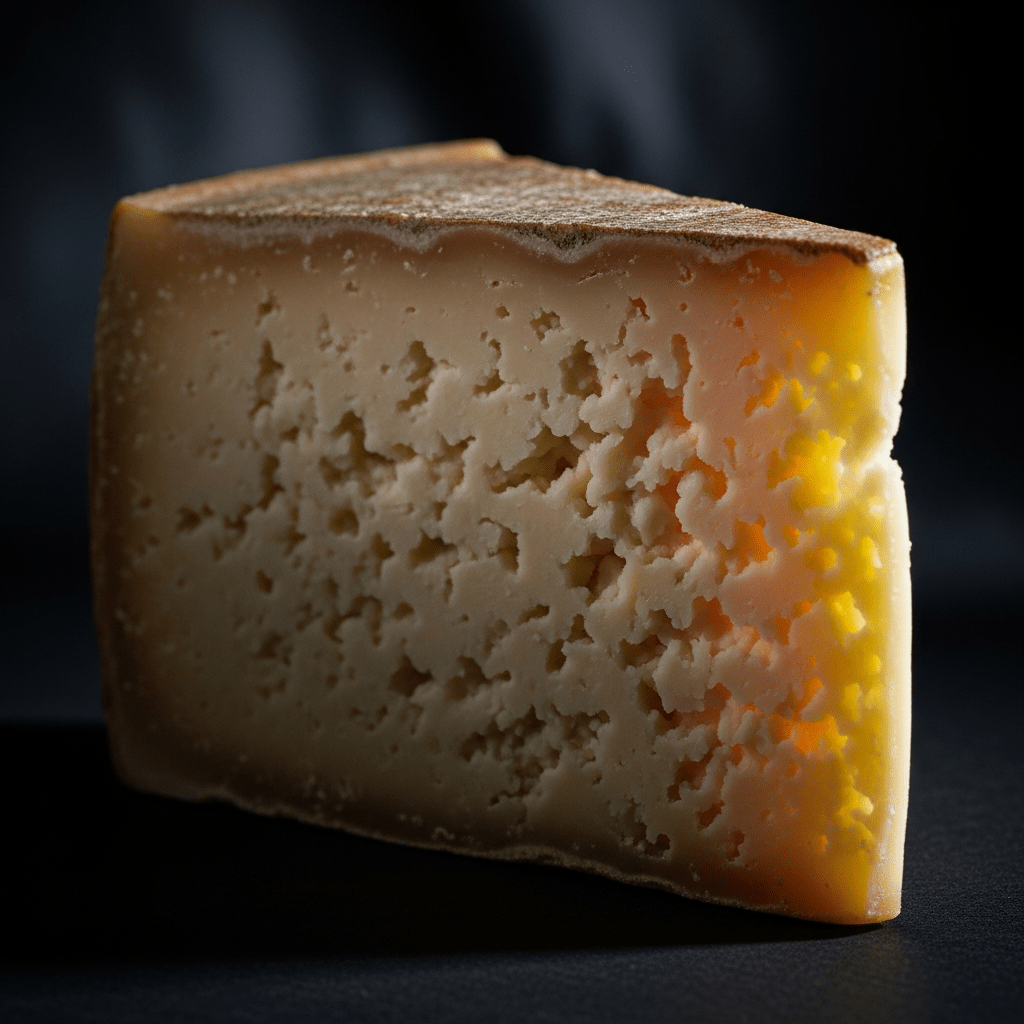
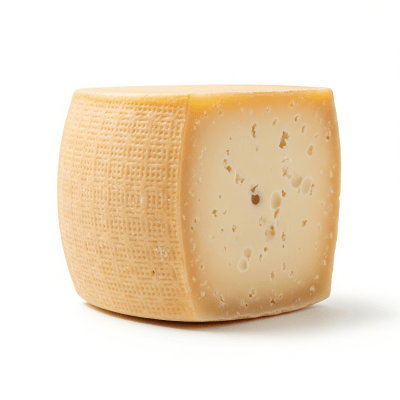
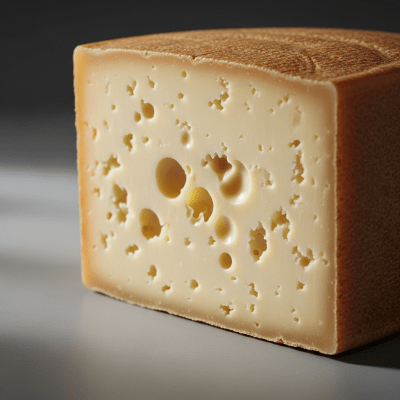
Asiago is typically formed into large wheels weighing 8–12 kg, with diameters of 30–36 cm and heights of 9–12 cm. The fresh variety (Fresco) is pale yellow, supple, and elastic, while the aged d’Allevo develops a firmer, granular texture and a thicker, brownish rind. Sliced or grated, Asiago reveals a creamy interior in its youth and a crumbly, golden body as it matures.
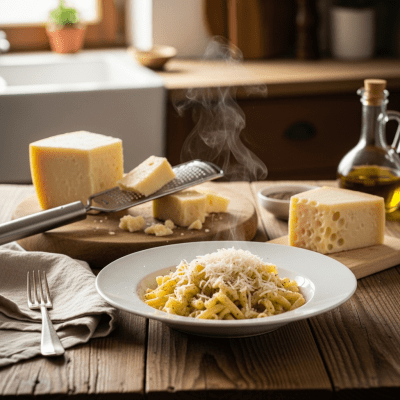
Asiago’s versatility shines in both everyday and gourmet settings. Fresh Asiago is enjoyed sliced in sandwiches, melted in panini, or served as a table cheese. Aged Asiago is prized for grating over pasta, risotto, soups, and salads, adding depth and character to cooked dishes and baked goods. Its adaptability makes it a staple in cheese boards and culinary creations worldwide.
Bring this kind into your world illustrated posters, mugs, and shirts.
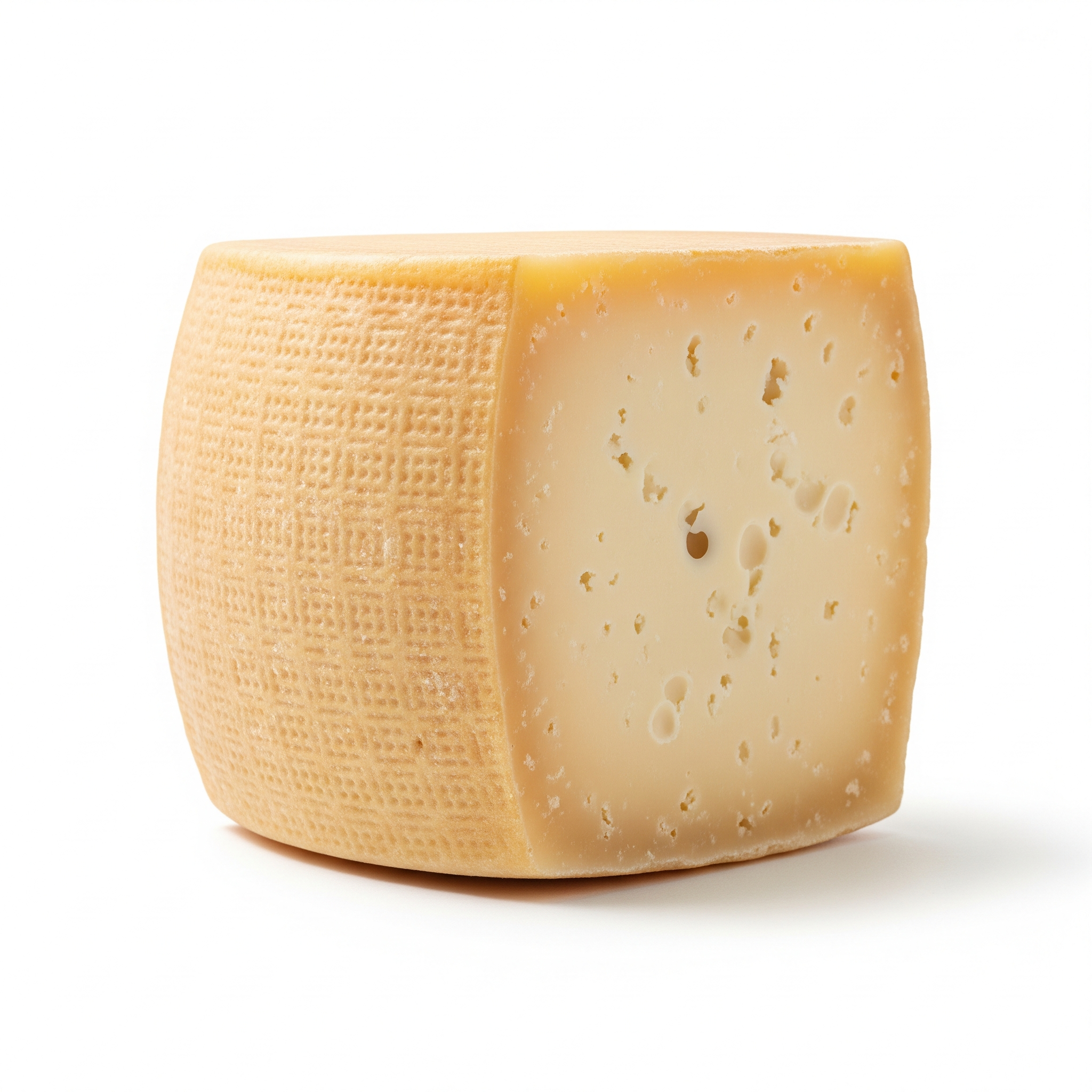
Archival print, museum-grade paper
Buy Poster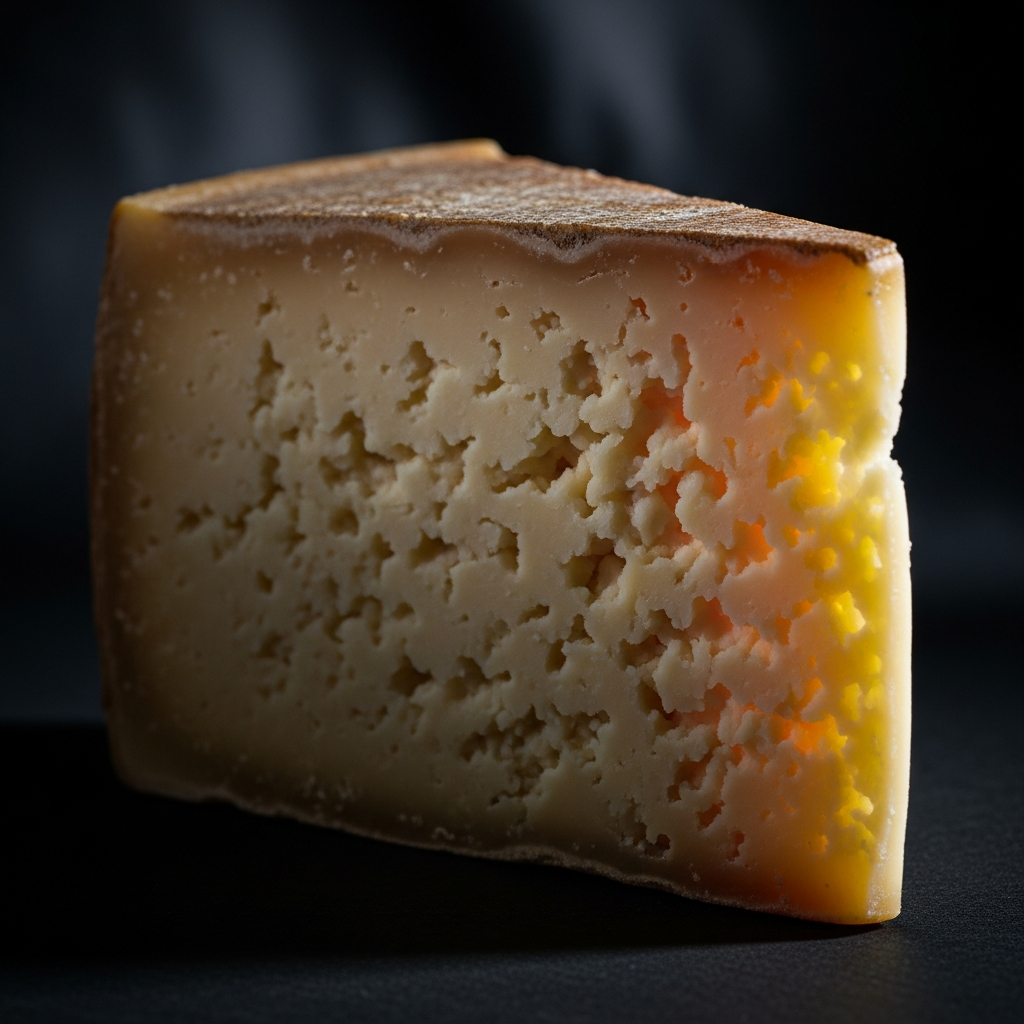
Stoneware mug, dishwasher safe
Buy Mug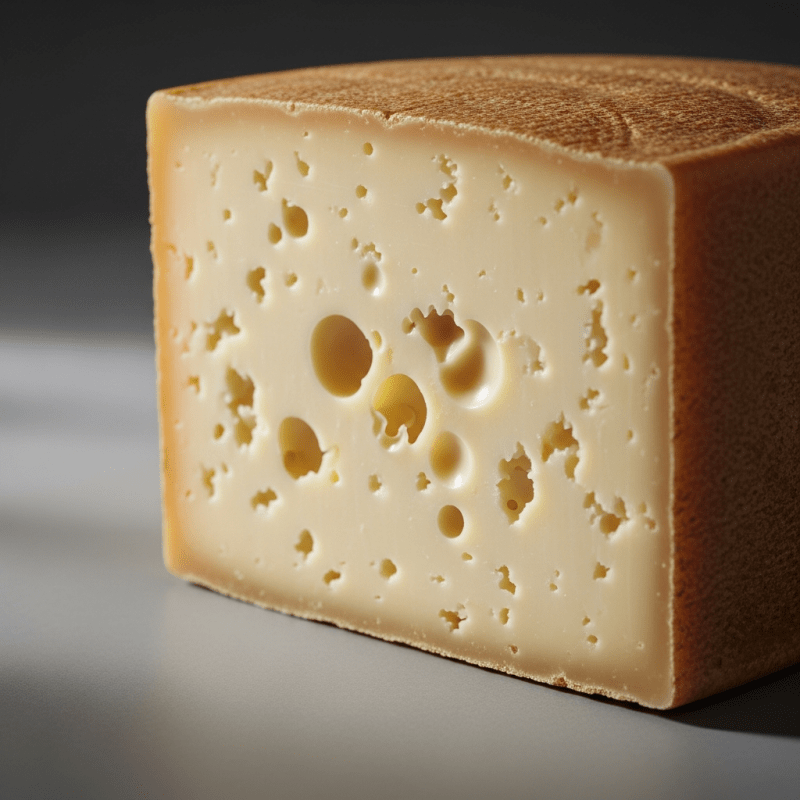
Soft cotton tee, unisex sizes
Buy ShirtAsiago embodies the heritage and pride of its native Italian regions, symbolizing centuries of artisanal cheese-making. Its PDO status not only protects its authenticity but also celebrates the cultural identity of the Asiago plateau. Revered in Italian cuisine and increasingly popular abroad, Asiago is a touchstone of regional tradition and gastronomic excellence.
Asiago is made exclusively from cow’s milk, primarily sourced from breeds such as Bruna Alpina and Pezzata Rossa Italiana. The rich, creamy quality of the milk imparts a mild flavor in fresh Asiago and a pronounced, nutty sharpness in aged varieties.


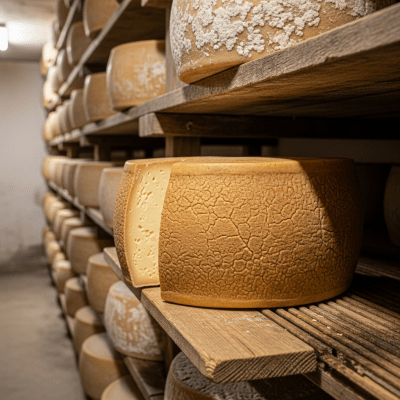
Traditional Asiago production involves curdling pasteurized or raw cow’s milk with rennet, cutting and gently heating the curds, pressing for the Fresco type, and aging on wooden boards. The process varies slightly between Fresco and d’Allevo, with longer aging and firmer pressing for the latter, resulting in distinct textures and flavors.
Asiago Fresco boasts a supple, elastic texture and a thin, smooth rind, while Asiago d’Allevo is firm, granular, and features a thicker, brownish rind. The moisture content is higher in Fresco, lending softness, whereas d’Allevo’s lower moisture creates a crumbly, robust structure.
Asiago Fresco is aged for 20–40 days, resulting in a mild, creamy flavor and soft texture. Asiago d’Allevo matures for anywhere from 2 months to over 15 months, developing a sharper, nuttier taste and a firmer, granular body. The aging process is key to the cheese’s transformation and culinary versatility.
Asiago holds PDO (Protected Designation of Origin) status, regulated by the Consorzio Tutela Formaggio Asiago and the EU PDO Registry. Only cheeses produced in the designated Italian regions using approved methods may bear the Asiago name, ensuring authenticity and quality.