
Appenzeller
Appenzeller is a celebrated Swiss hard cheese, famed for its aromatic, spicy flavor and distinctive herbal brine-washed rind, crafted exclusively from cow’s milk in the Appenzell region.
Appenzeller is a celebrated Swiss hard cheese, famed for its aromatic, spicy flavor and distinctive herbal brine-washed rind, crafted exclusively from cow’s milk in the Appenzell region.
Appenzeller traces its roots to the picturesque Appenzell region in northeastern Switzerland, spanning the cantons of Appenzell Innerrhoden and Appenzell Ausserrhoden. Its legacy dates back over 700 years, with the earliest written records from 1282. Production remains strictly local, adhering to time-honored recipes and techniques, and is regulated by the Appenzeller Käse Consortium to preserve authenticity and regional character.
Appenzeller belongs to the family of Swiss hard cheeses, distinguished by its pressed texture and robust, complex flavor. It is made solely from cow’s milk and stands apart from other Swiss varieties like Emmental and Gruyère due to its unique herbal brine-washed rind and spicy aroma. Its classification is clear-cut, with strict regional and production definitions ensuring its identity.
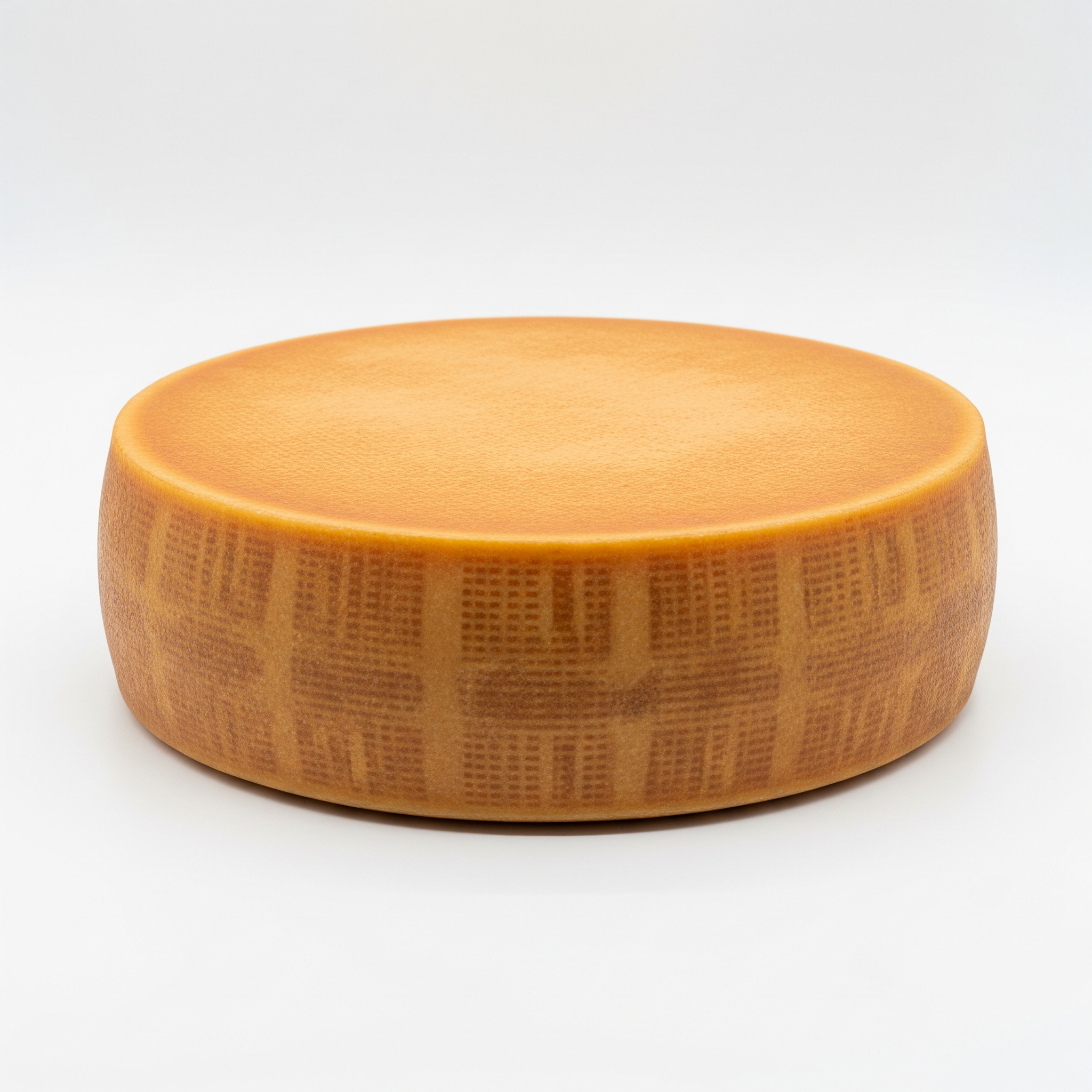
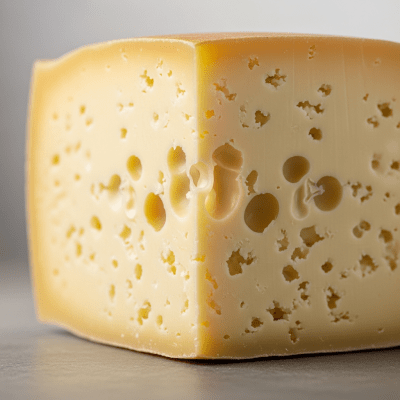
This cheese is typically formed into substantial wheels weighing 6–8 kg, measuring 30–33 cm in diameter and 7–9 cm in height. Its rind glows golden to reddish-brown, exuding a spicy, herbal aroma, while the interior paste is pale yellow, dense, and supple, often punctuated by small holes (“eyes”). Appenzeller’s firm texture makes it resistant to cracking and ideal for slicing or grating.
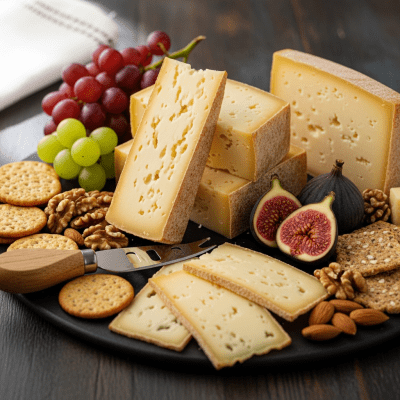
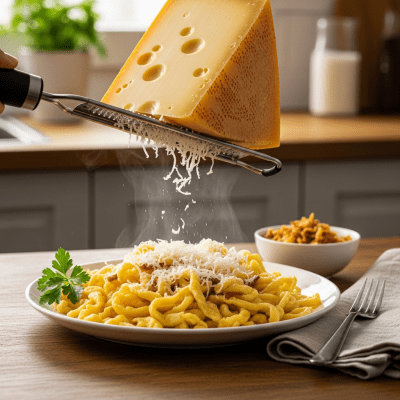
Appenzeller is highly versatile in culinary contexts. It excels as a table cheese—sliced, cubed, or enjoyed on a cheese board—and is a staple ingredient in Swiss classics such as fondue, raclette, and gratins. Its robust flavor stands up well in sandwiches and pairs beautifully with fruits, nuts, and hearty breads, making it a favorite for both everyday meals and festive occasions.
Bring this kind into your world illustrated posters, mugs, and shirts.
Archival print, museum-grade paper
Buy Poster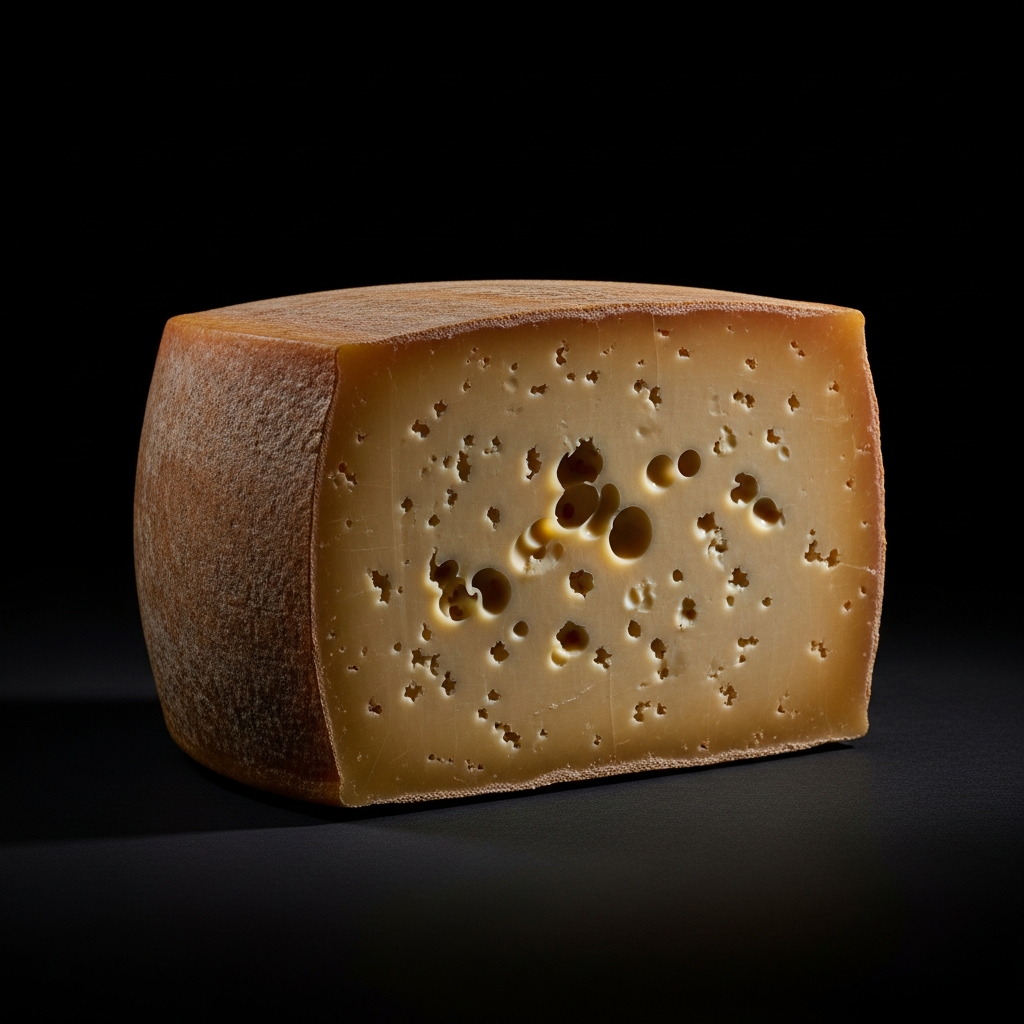
Stoneware mug, dishwasher safe
Buy Mug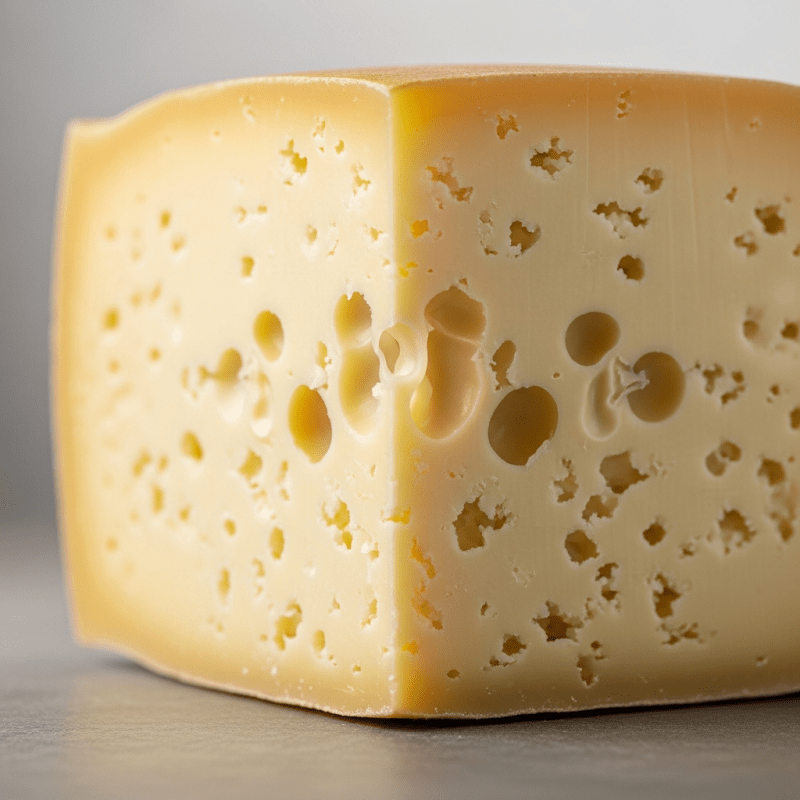
Soft cotton tee, unisex sizes
Buy ShirtAppenzeller holds a revered place in Swiss culinary heritage, symbolizing the traditions and craftsmanship of the Appenzell region. Its centuries-old production and secret herbal brine recipe are sources of local pride, and the cheese features prominently in Swiss gastronomy, festivals, and communal meals. The Appenzeller Käse Consortium’s strict oversight underscores its cultural and economic importance, ensuring the cheese remains a genuine emblem of Swiss identity.
Appenzeller is crafted exclusively from cow’s milk, sourced from local Alpine pastures in the Appenzell region. The rich, aromatic milk imparts a creamy base and supports the cheese’s complex, tangy flavor profile.
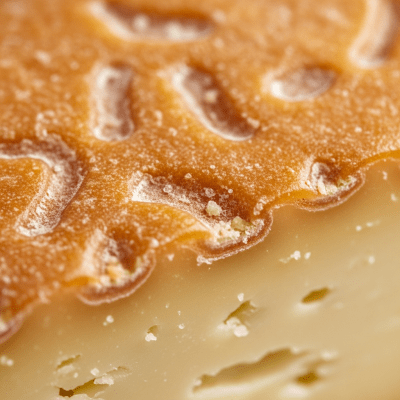
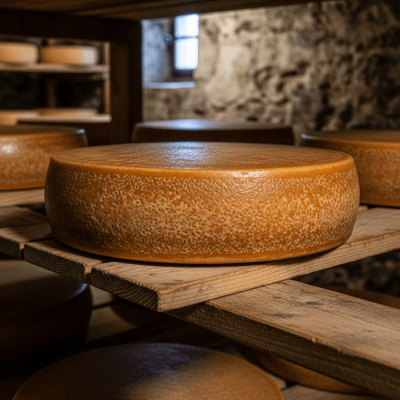
Appenzeller is a pressed cheese made from raw or thermized cow’s milk. The curds are formed into wheels and washed regularly with a secret herbal brine solution, which develops the cheese’s signature rind and spicy aroma. Traditional recipes and techniques are strictly followed, with production limited to the designated region.
The texture of Appenzeller is firm, dense, and supple, featuring occasional small holes (“eyes”). Its rind is golden to reddish-brown, aromatic, and spicy, thanks to regular washing with herbal brine. The cheese is notably resistant to cracking and maintains its integrity during slicing and grating.
Appenzeller is aged for a minimum of 3 months, with variants such as Classic (3–4 months), Surchoix (4–6 months), and Extra (6+ months). As the cheese matures, its flavor and aroma intensify, moving from mild and tangy to bold and spicy, offering a spectrum of tasting experiences.
Appenzeller is protected under Swiss law and regulated by the Appenzeller Käse Consortium, which oversees production standards and regional authenticity. While it does not hold EU PDO status, its designation as "Appenzeller Käse" is strictly enforced within Switzerland.
Choose Appenzeller with a firm, aromatic rind and a supple, pale yellow interior. Store in the refrigerator, wrapped in wax paper or cheese paper to allow the cheese to breathe and maintain its moisture. For best flavor, bring to room temperature before serving and consume within a few weeks of purchase to preserve freshness.