Turkish Van
The Turkish Van is a striking domestic cat breed instantly recognizable for its predominantly white coat and colored markings on the head and tail, celebrated for its athleticism, playful nature, and unique love of water.
The Turkish Van is a striking domestic cat breed instantly recognizable for its predominantly white coat and colored markings on the head and tail, celebrated for its athleticism, playful nature, and unique love of water.
Originating from the Lake Van region in eastern Turkey, the Turkish Van has a storied history dating back centuries. Its formal introduction to the West began in the 1950s, when Laura Lushington and Sonia Halliday imported cats from Turkey to the United Kingdom. The breed was officially recognized by the GCCF in 1969, FIFe in 1973, and later by CFA and TICA. As a naturally occurring landrace, the Turkish Van is not a hybrid, but a breed shaped by its native environment.
The Turkish Van belongs to the species Felis catus, within the domestic cat taxonomy. It is classified as a distinct breed by major registries, standing apart from other Turkish breeds such as the Turkish Angora. Its recognition by organizations like GCCF, FIFe, CFA, and TICA affirms its status as a unique, naturally occurring breed rather than a hybrid or experimental type.
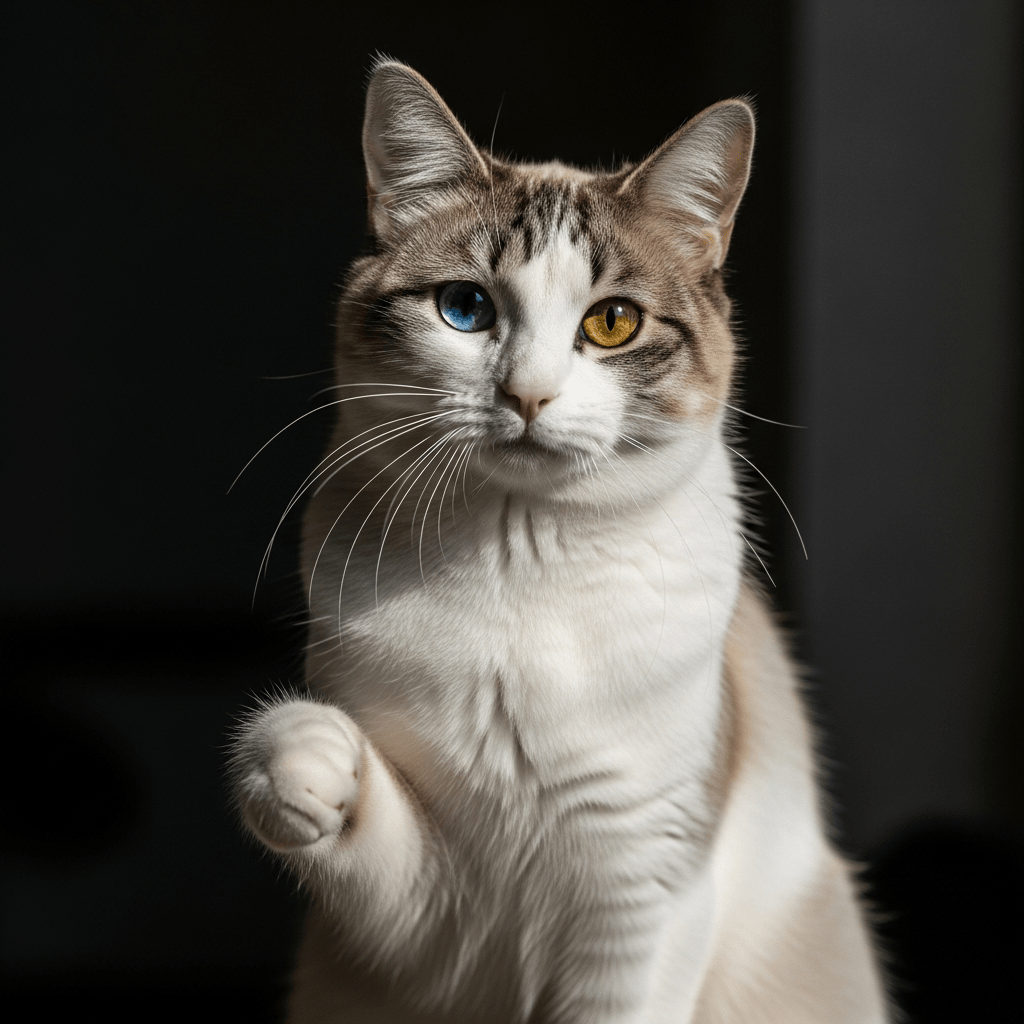
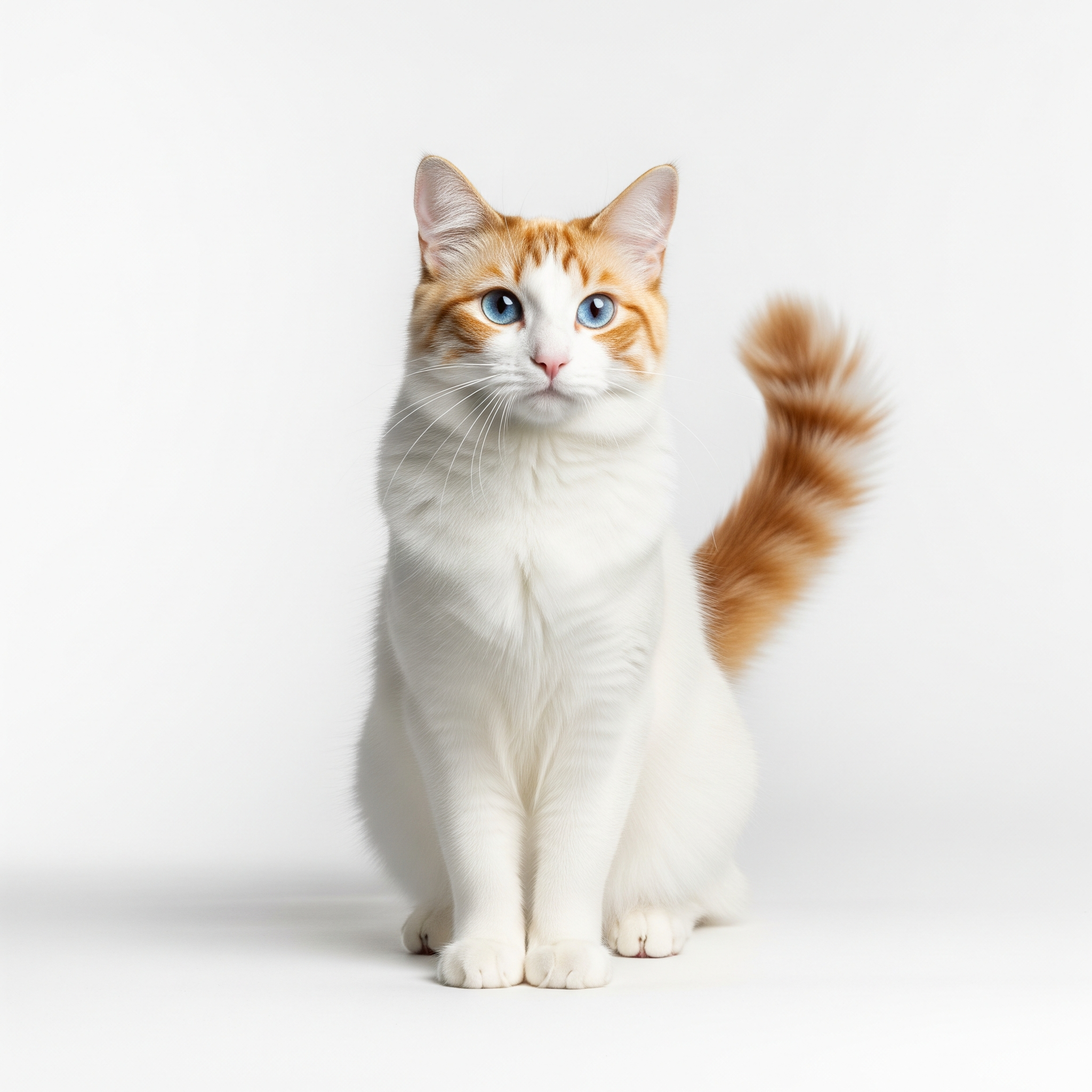
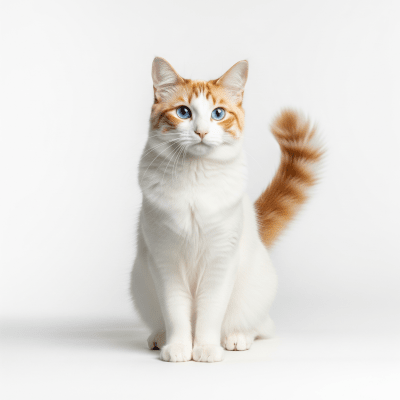
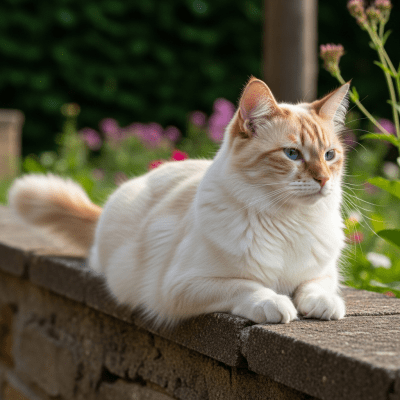
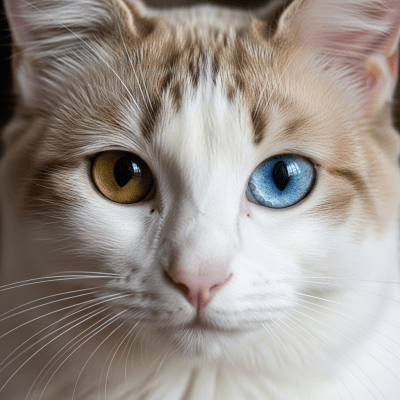
Medium to large in size, the Turkish Van is muscular and well-balanced, with a semi-longhaired, water-resistant coat that lacks an undercoat—giving it a soft, cashmere-like feel. Its hallmark is the 'van pattern': a pure white body with colored markings limited to the head and tail. Eye color ranges from amber to blue, and heterochromia (odd eyes) is common, adding to its allure. The breed matures slowly, reaching full development between 3 and 5 years.
Renowned for its energetic and lively disposition, the Turkish Van is a playful companion that thrives on interaction. Unlike most cats, it is famously fond of swimming and water play, making it a source of endless fascination. Its athletic build supports robust activity, and it adapts well to both family life and show environments. The breed is valued primarily as a companion and show cat, admired for its personality and adaptability.
Bring this kind into your world illustrated posters, mugs, and shirts.
Archival print, museum-grade paper
Buy Poster
Stoneware mug, dishwasher safe
Buy Mug
Soft cotton tee, unisex sizes
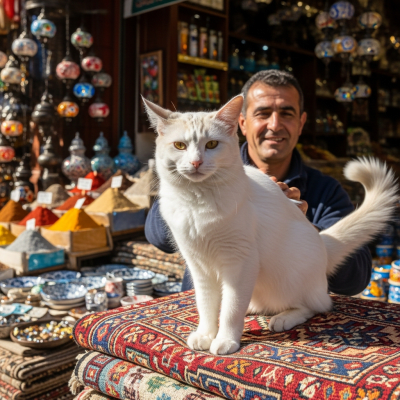
Buy ShirtThe Turkish Van holds a special place in both Turkish folklore and modern cat culture. In its homeland, 'Van Cat' is a symbol of regional pride, often associated with legends and stories about its unusual eyes and affinity for water. Internationally, the breed is celebrated in cat shows and admired for its rare coat pattern and spirited nature, contributing to its reputation as one of the world’s most distinctive felines.
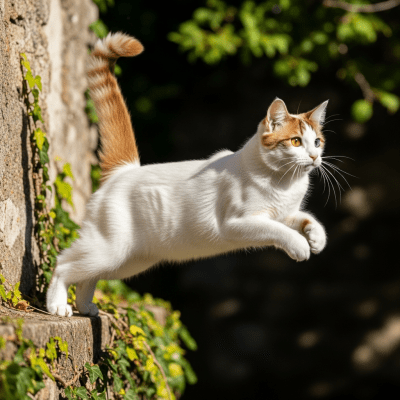
The Turkish Van is energetic, playful, and highly intelligent. It thrives on activity and interaction, often forming strong bonds with its human companions. Known for its curiosity and independence, the breed is also affectionate and enjoys participating in family life. Its fondness for water and games sets it apart from most other cats.
Generally robust and healthy, the Turkish Van has a typical lifespan of 12 to 17 years. While most lines are free of breed-specific genetic disorders, some may be prone to hypertrophic cardiomyopathy. Regular veterinary care and attention to heart health are recommended, but overall, the breed is considered hardy.
The Turkish Van’s semi-long, water-resistant coat requires minimal grooming—weekly brushing is usually sufficient, with increased attention during seasonal shedding. Its lack of an undercoat means tangles are rare. Regular play and mental stimulation are important to match its energetic nature, and routine health checks help maintain its well-being.
The classic van pattern features a white body with colored markings confined to the head and tail. Accepted colors include red, cream, black, blue, and tortoiseshell variants. Pointed, chocolate, and lilac colors are not permitted. Eye color may be amber, blue, or odd-eyed, with heterochromia often seen.
While individual Turkish Vans are not widely publicized in media, the breed itself is renowned in cat shows and has been featured in numerous feline publications for its unique pattern and swimming ability. The original cats imported by Laura Lushington and Sonia Halliday are considered foundational and celebrated among breed enthusiasts.
In Turkey, the term 'Van Cat' may refer to local cats with odd eyes and white coats, not always conforming to Western breed standards. Western registries maintain strict criteria for the van pattern and accepted colors, while regional Turkish cats may display greater diversity in appearance. The Turkish Van should not be confused with the Turkish Angora, a separate breed.