Turkish Angora
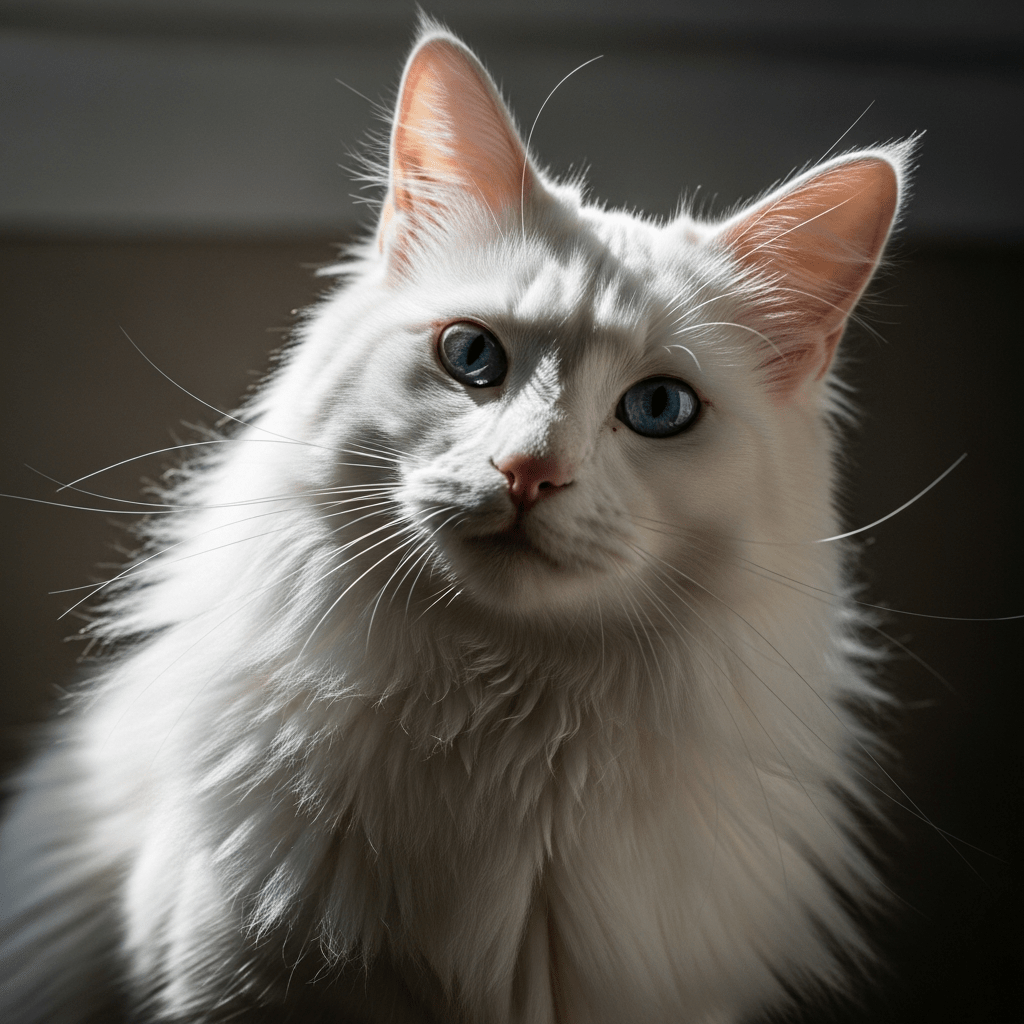
The Turkish Angora is an elegant, longhaired domestic cat breed celebrated for its fine, silky coat, graceful build, and lively, affectionate personality.
The Turkish Angora is an elegant, longhaired domestic cat breed celebrated for its fine, silky coat, graceful build, and lively, affectionate personality.
Originating in central Turkey, especially the Ankara region (historically Angora), the Turkish Angora is one of the oldest natural cat breeds, with references dating back to the 17th century. This breed was preserved and selectively bred at the Ankara Zoo in the 20th century to maintain its purity. Turkish Angoras were first introduced to Europe in the 1600s and later reached North America, gaining official recognition from major cat registries in the 20th century.
The Turkish Angora belongs to the species Felis catus and is classified as a natural domestic cat breed. It is distinct from hybrid or crossbred types and is recognized by leading cat registries worldwide, including CFA, FIFe, TICA, and GCCF. Within the broader taxonomy of domestic cats, the Turkish Angora stands out for its ancient lineage and unique traits.
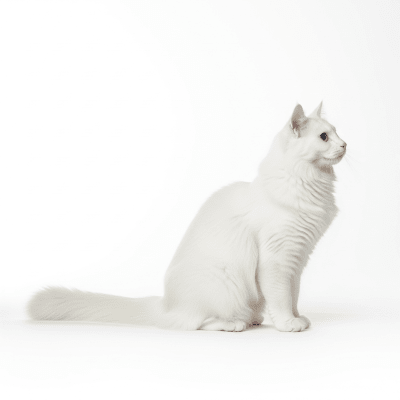
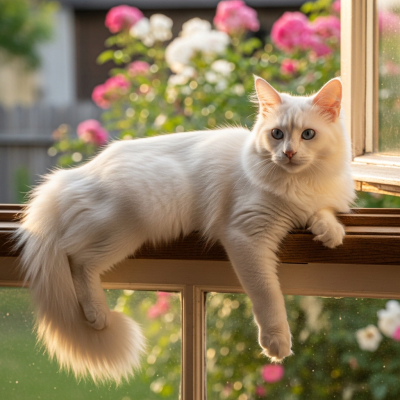
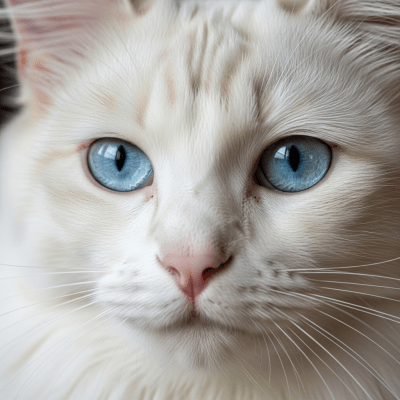
Graceful and refined, Turkish Angoras are medium-sized with a slender, fine-boned, and muscular physique. Their wedge-shaped head features large, pointed ears set high, and almond-shaped eyes that may be blue, green, amber, or even odd-colored. The breed’s most iconic trait is its long, fine, silky coat—often pure white—flowing without an undercoat and complemented by a long, plumed tail. Their elegant silhouette and luxurious fur make them instantly recognizable.
Turkish Angoras are lively, intelligent, and highly interactive companions. They thrive on social engagement, displaying playful and affectionate behavior with family members. Agile and curious, these cats excel as show animals and beloved household pets, especially for those seeking an active and communicative feline. Their gentle disposition and adaptability make them well-suited for a variety of home environments.
Bring this kind into your world illustrated posters, mugs, and shirts.
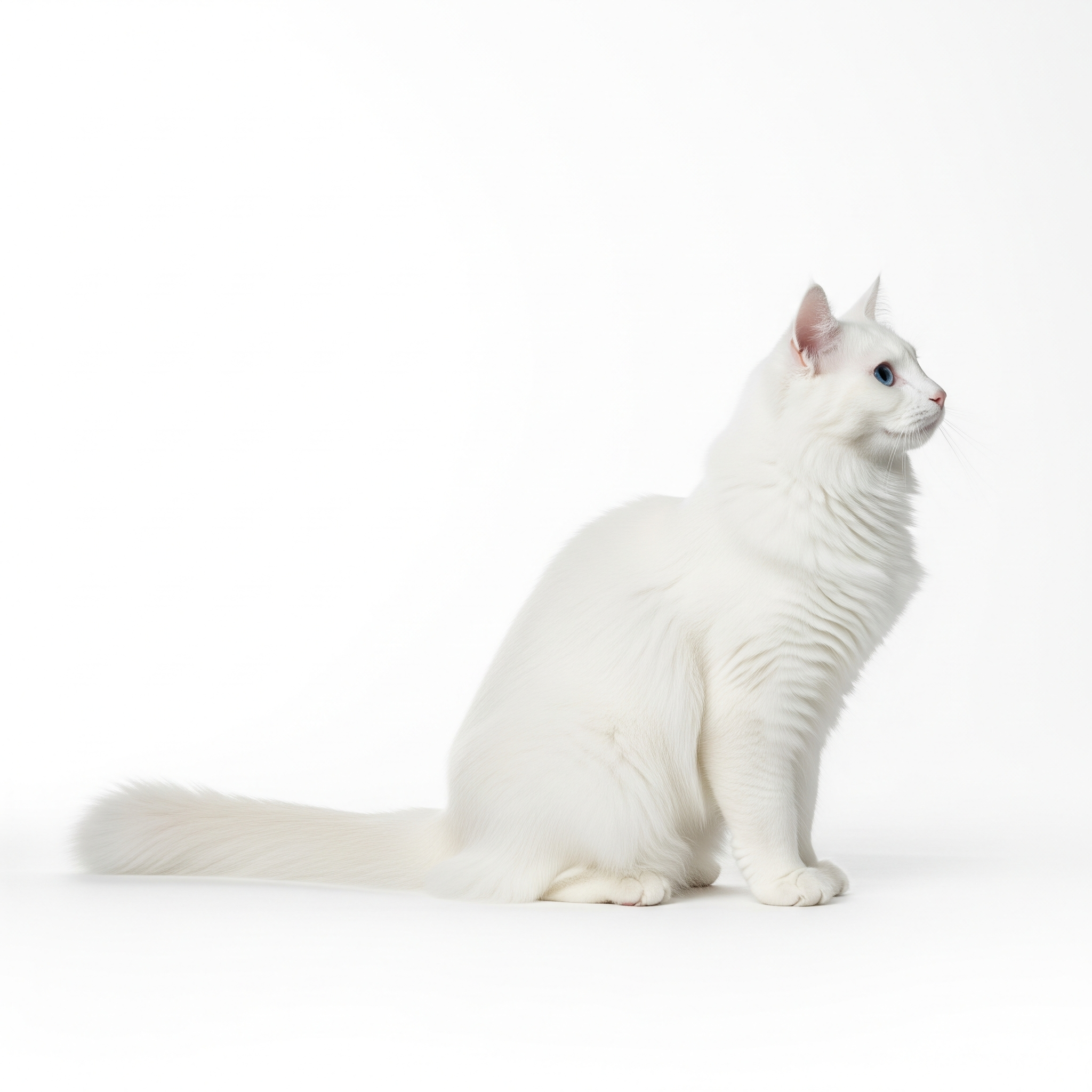
Archival print, museum-grade paper
Buy Poster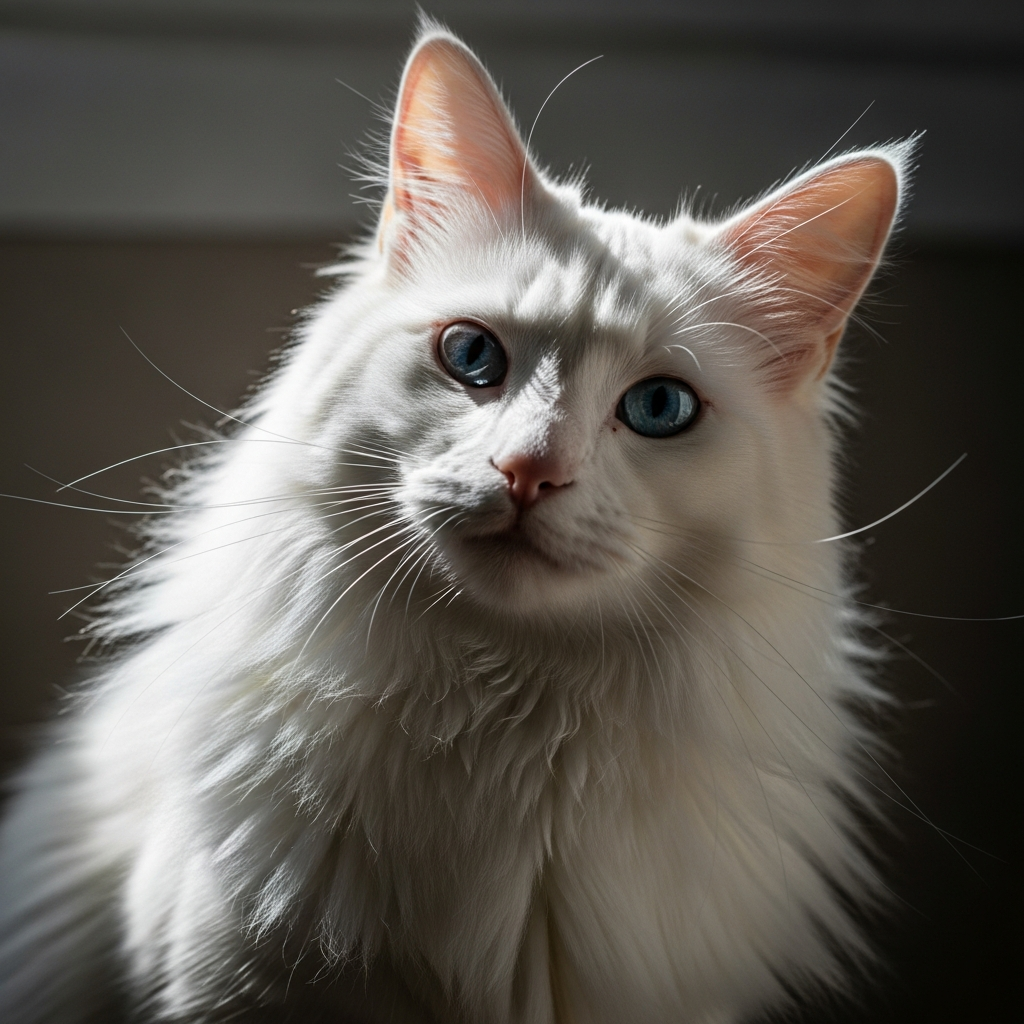
Stoneware mug, dishwasher safe
Buy Mug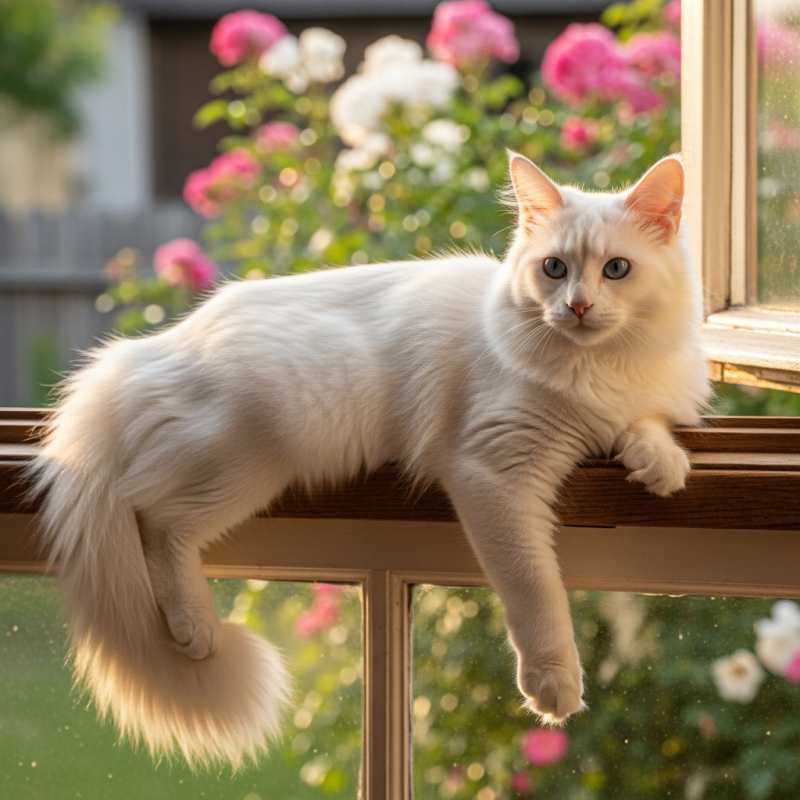
Soft cotton tee, unisex sizes
Buy ShirtIn Turkey, the Turkish Angora is revered as a national treasure and symbol of purity. The breed’s historical ties to the Ankara region have made it an enduring cultural icon, celebrated in folklore and modern Turkish society. The term "Angora" has also been used for other animals from the region, highlighting its deep-rooted significance. Globally, the Turkish Angora’s beauty and charm have inspired admiration in art, literature, and cat fancier circles.
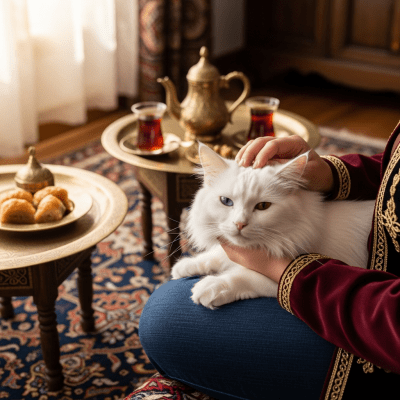
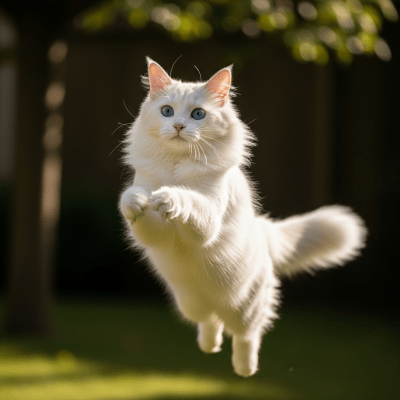
Turkish Angoras are renowned for their agile, intelligent, and playful nature. They are highly social and affectionate, often forming strong bonds with their human companions. These cats are lively and curious, enjoying interactive play and exploring their surroundings. Their gentle disposition makes them excellent family pets, and their intelligence enables them to adapt quickly to new environments.
Generally robust and long-lived, Turkish Angoras are known for their good health. However, white cats with blue eyes may be predisposed to congenital deafness. With proper care, Turkish Angoras often enjoy a lengthy lifespan, making them enduring companions for many years.
Turkish Angoras require regular grooming to keep their fine, silky coat in top condition. Fortunately, the absence of an undercoat reduces matting, making maintenance easier than with many other longhaired breeds. Weekly brushing and routine health checks are recommended to ensure their well-being and preserve their elegant appearance.
While pure white is the most iconic and traditional color for Turkish Angoras, most registries recognize a broad spectrum of colors and patterns, including black, blue, red, cream, and tabby variations. Eye colors range from blue, green, amber, to striking odd-eyed combinations.
Turkish Angoras have been featured in Turkish folklore and are often associated with the Ankara Zoo, which played a pivotal role in preserving the breed. While individual famous cats may not be widely documented, the breed itself is celebrated as a symbol of national pride in Turkey and is frequently showcased at international cat shows.
In Turkey, the breed is called "Ankara kedisi," and is considered a distinct national treasure. The term "Angora" historically referred to various animals from the Ankara region, leading to some confusion in older literature between Turkish Angoras and Persians. Modern breed standards clarify these distinctions, and the Turkish Angora remains a unique and cherished breed in its homeland and abroad.