Toyger
The Toyger is a domestic cat breed meticulously developed to evoke the look of a miniature tiger, celebrated for its bold stripes, muscular build, and companionable nature.
The Toyger is a domestic cat breed meticulously developed to evoke the look of a miniature tiger, celebrated for its bold stripes, muscular build, and companionable nature.
The Toyger originated in the United States in the early 1980s, the vision of breeder Judy Sugden. Her goal was to create a domestic cat that visually mirrors the wild tiger, but with a wholly domestic temperament and lineage. By crossing a Bengal cat with a domestic shorthair tabby, and then selectively breeding for dramatic coat patterns and a robust, elongated body, Sugden and fellow breeders established the Toyger's signature look. The breed achieved official championship recognition from The International Cat Association (TICA) in 2007. Despite its exotic appearance, the Toyger contains no wild tiger DNA—its ancestry is entirely domestic.
The Toyger is classified as a distinct domestic cat breed within Felis catus. It is recognized primarily by TICA and fits within the broader landscape of designer breeds—those selectively bred for unique physical traits inspired by wild felines, yet retaining a fully domestic genetic background. The Toyger stands apart from hybrid breeds (which incorporate wild species genetics) by being exclusively domestic in lineage.
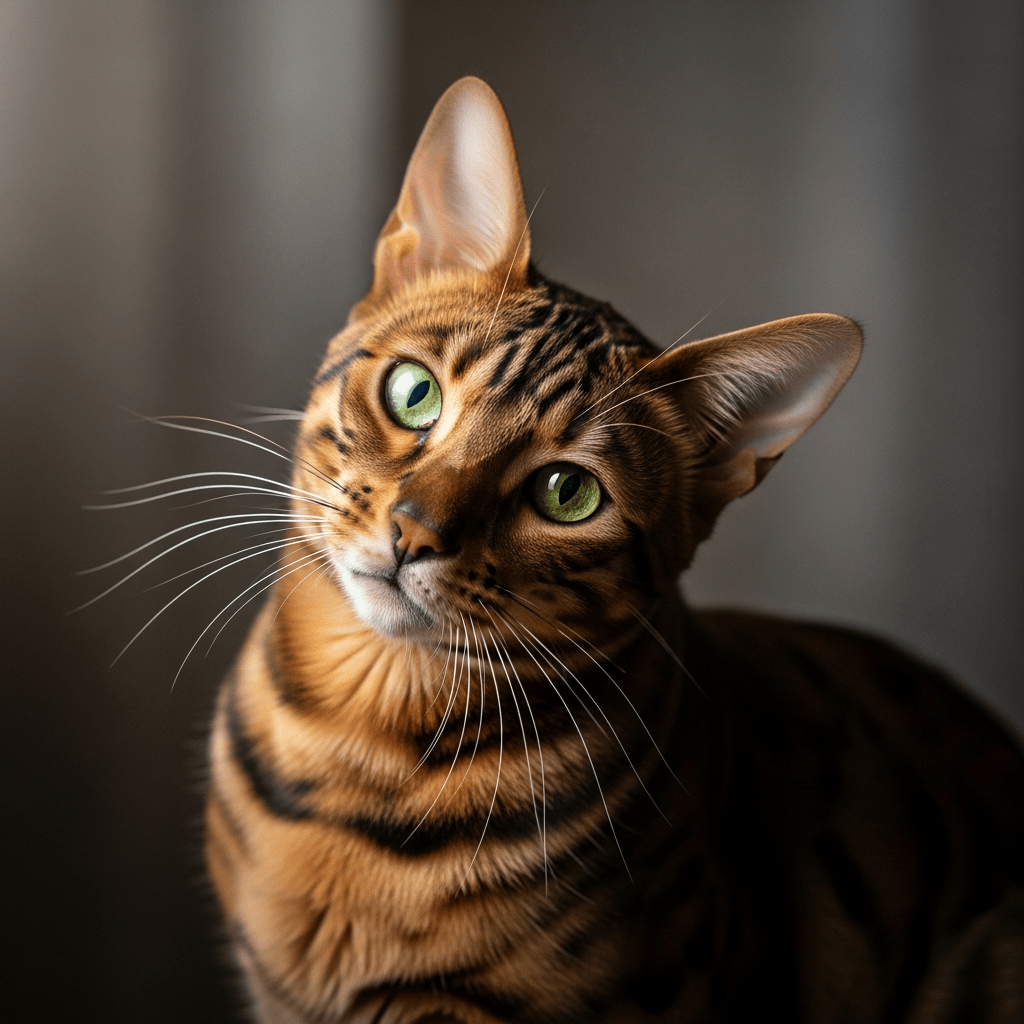
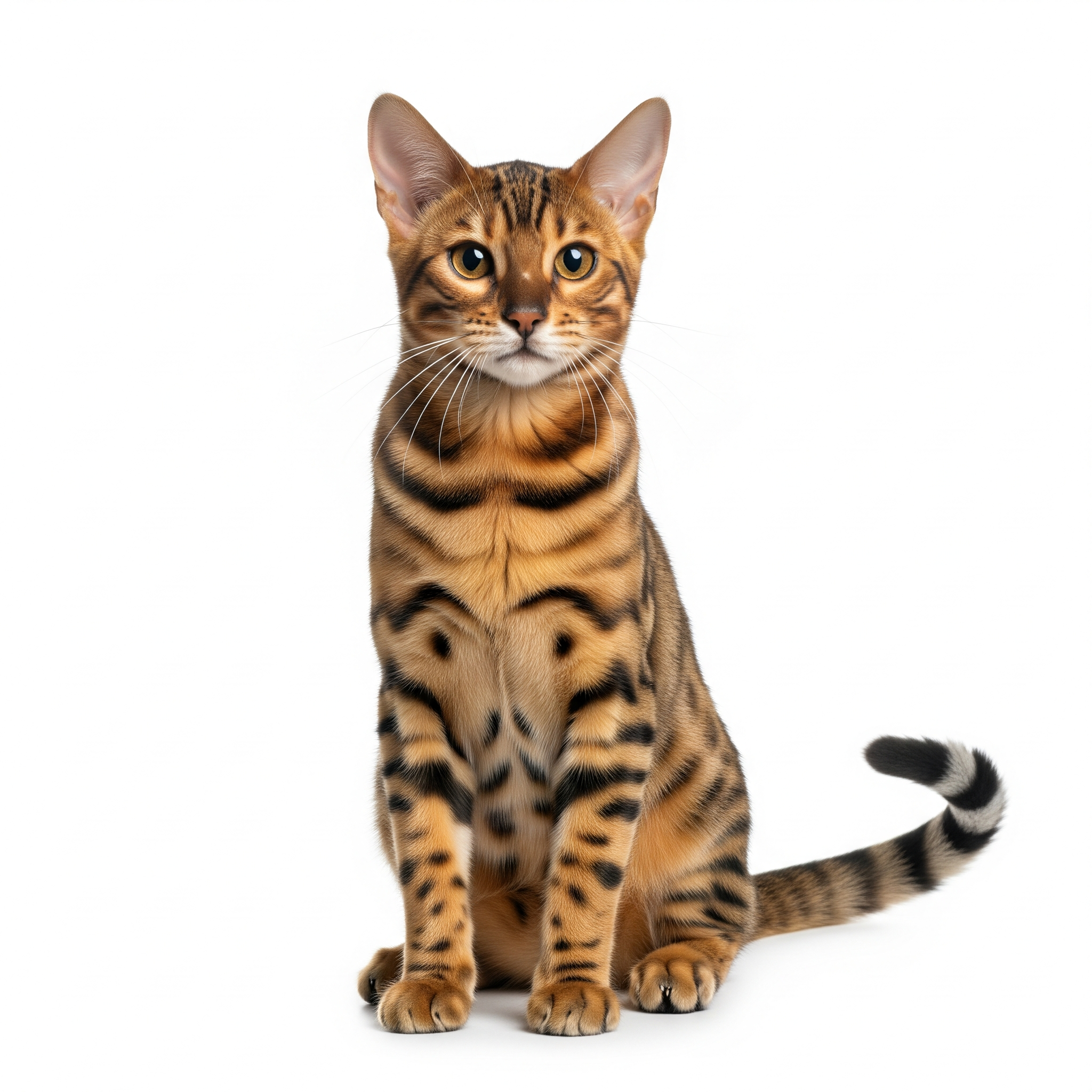
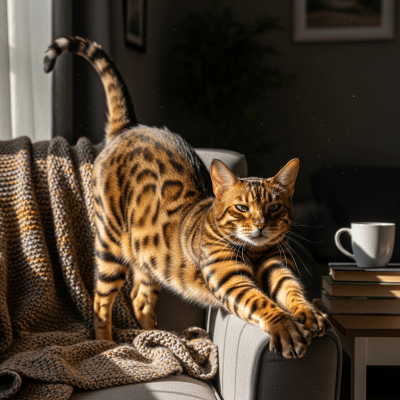
The Toyger's appearance is striking and unmistakable. It boasts a medium-to-large, muscular frame with a long, low-slung body reminiscent of a tiger's silhouette. The coat is short, dense, and plush, often described as "glittered" for its lustrous sheen. Vivid, branching, and broken vertical stripes in deep brown or black overlay a rich orange to brown background, with a lighter, creamy underside. The Toyger's head is broad and rounded, with small ears and a strong, prominent jaw. Eyes are typically deep gold to hazel, adding to the breed's wild allure.
Toygers are bred exclusively as companion animals and show cats, never for working or utilitarian roles. They are known for their friendly, outgoing, and highly companionable demeanor, making them well-suited to family life and interactive play. Their exotic look is matched by an approachable, affectionate temperament, and they are often showcased in cat shows for their unique appearance and confident presence. Toygers thrive in environments where they can engage with people and display their playful personalities.
Bring this kind into your world illustrated posters, mugs, and shirts.
Archival print, museum-grade paper
Buy Poster
Stoneware mug, dishwasher safe
Buy Mug
Soft cotton tee, unisex sizes
Buy ShirtWhile the Toyger is a relatively recent addition to the domestic cat world, it has quickly become a symbol of the fascination with wild aesthetics in a safe, domestic package. Marketed as the "living room tiger," the Toyger appeals to cat enthusiasts who desire the allure of the jungle in a gentle, manageable companion. Its striking look has made it a favorite in cat shows and among collectors of rare breeds, and it stands as a testament to the creativity and ambition of modern cat breeding.
The Toyger is officially recognized by The International Cat Association (TICA), which granted it championship status in 2007. Other major registries may not yet recognize the Toyger, making TICA the primary authority for this breed.
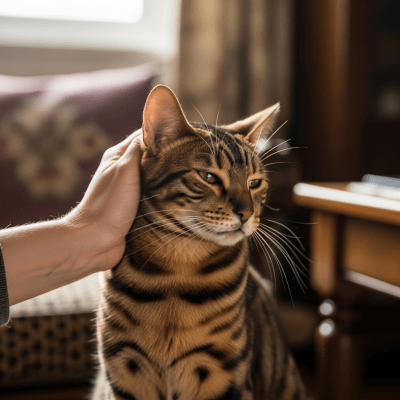


Toygers are celebrated for their friendly, outgoing, and highly companionable personalities. They tend to be playful, curious, and enjoy interactive activities with their human companions. Their social nature makes them well-suited to families and multi-pet households, and they adapt readily to indoor living. Toygers are confident and affectionate, often seeking attention and forming strong bonds with their owners.
Toygers are generally robust and healthy cats, with no breed-specific health issues widely reported. Responsible breeders monitor for hereditary conditions such as heart disease and progressive retinal atrophy, but these are not prevalent. While specific lifespan data is limited, Toygers are expected to have a typical domestic cat lifespan, often reaching into their early to mid-teens with proper care.
The Toyger's short, dense coat requires minimal grooming. Weekly brushing helps maintain its plush texture and reduces shedding. Routine care should include regular nail trimming, dental hygiene, and periodic health checkups. Toygers are active and benefit from interactive play and environmental enrichment to satisfy their curiosity and energy.
Toygers are defined by their vivid, branching, and broken vertical stripes in dark brown or black, set against a rich orange to brown background. The underside is lighter, often creamy or pale. The breed standard emphasizes dramatic, tiger-like markings and a shimmering, "glittered" coat. Eye color is typically deep gold to hazel, complementing the warm tones of the coat.
As a modern and relatively rare breed, the Toyger does not yet have widely recognized individual celebrity cats. However, the breed itself has gained attention in cat shows and media for its wild-inspired appearance and has been featured in breed showcases and specialty cat publications.
There are no documented regional variants or subtypes of the Toyger. The breed is standardized under the name "Toyger" in all recognized registries, with no alternative naming conventions or regional differences currently noted.
While "Toyger" is the official and registry-approved name, the breed is occasionally referred to informally as the "toy tiger cat." However, no widespread synonyms or alternate names exist.