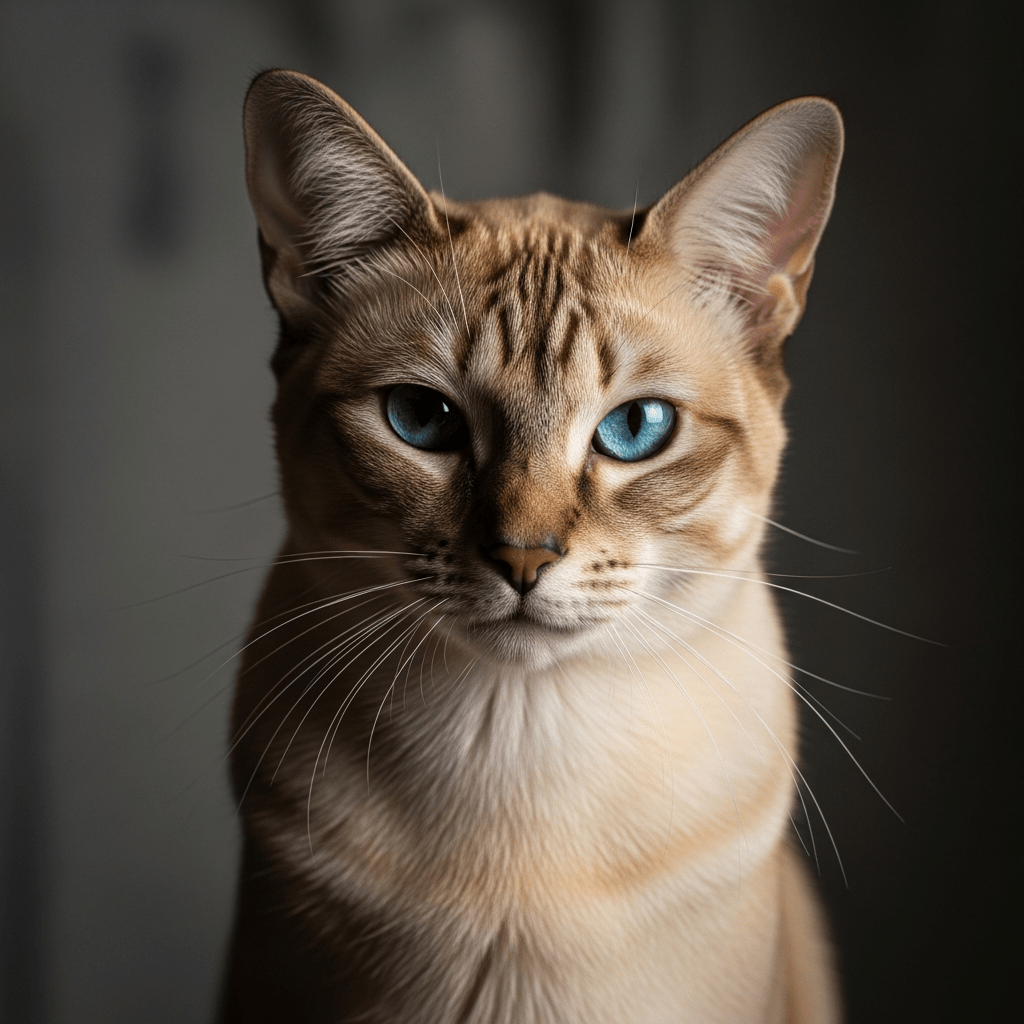
Tonkinese (UK)
The Tonkinese (UK) is a distinctive domestic cat breed recognized by the GCCF, celebrated for its balanced physique, expressive eyes, and unique coat patterns that blend Siamese and Burmese ancestry.
The Tonkinese (UK) is a distinctive domestic cat breed recognized by the GCCF, celebrated for its balanced physique, expressive eyes, and unique coat patterns that blend Siamese and Burmese ancestry.
The Tonkinese (UK) emerged in the United Kingdom through intentional crosses of Siamese and Burmese cats, with British breeders refining the breed in the late 20th century. Official recognition by the Governing Council of the Cat Fancy (GCCF) came in 1991, marking the breed's formal establishment in the UK. Its lineage draws from both imported and domestic Siamese and Burmese cats, with breeding programs focused on harmoniously blending the best traits of both parent breeds.
As a member of the domestic cat species Felis catus, the Tonkinese (UK) is classified as a recognized breed within the cats taxonomy. It sits within the hybrid group, directly descended from Siamese and Burmese cats, and is formally acknowledged by the GCCF as a distinct breed with its own standards.
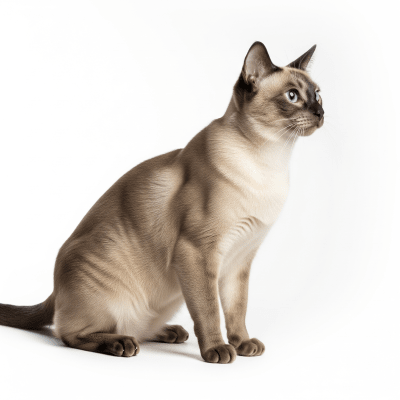
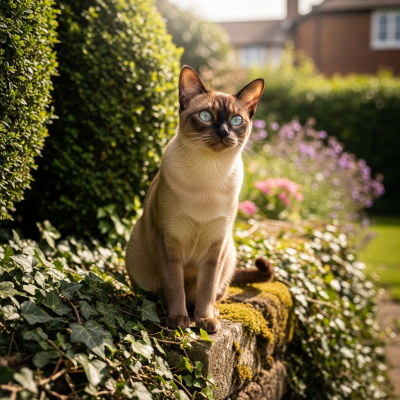
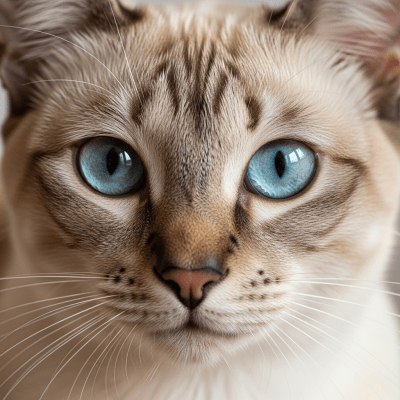
The Tonkinese (UK) boasts a medium-sized, muscular, and well-balanced body. Its gently rounded head is accented by prominent cheekbones and large, almond-shaped eyes that shimmer in shades of aqua, green, or yellow. The breed’s short, fine, and silky coat lies close to the body, available in a wide spectrum of colors and patterns—including solid, mink (the most characteristic), and pointed. Recognized colors span brown, blue, chocolate, lilac, red, cream, and their tortie and tabby variants.
Tonkinese (UK) cats are renowned for their playful, social, and intelligent nature. They thrive on interaction with humans and adapt well to various household environments, making them ideal companions. Their lively personalities and striking appearance also make them popular show cats in GCCF-governed exhibitions.
Bring this kind into your world illustrated posters, mugs, and shirts.
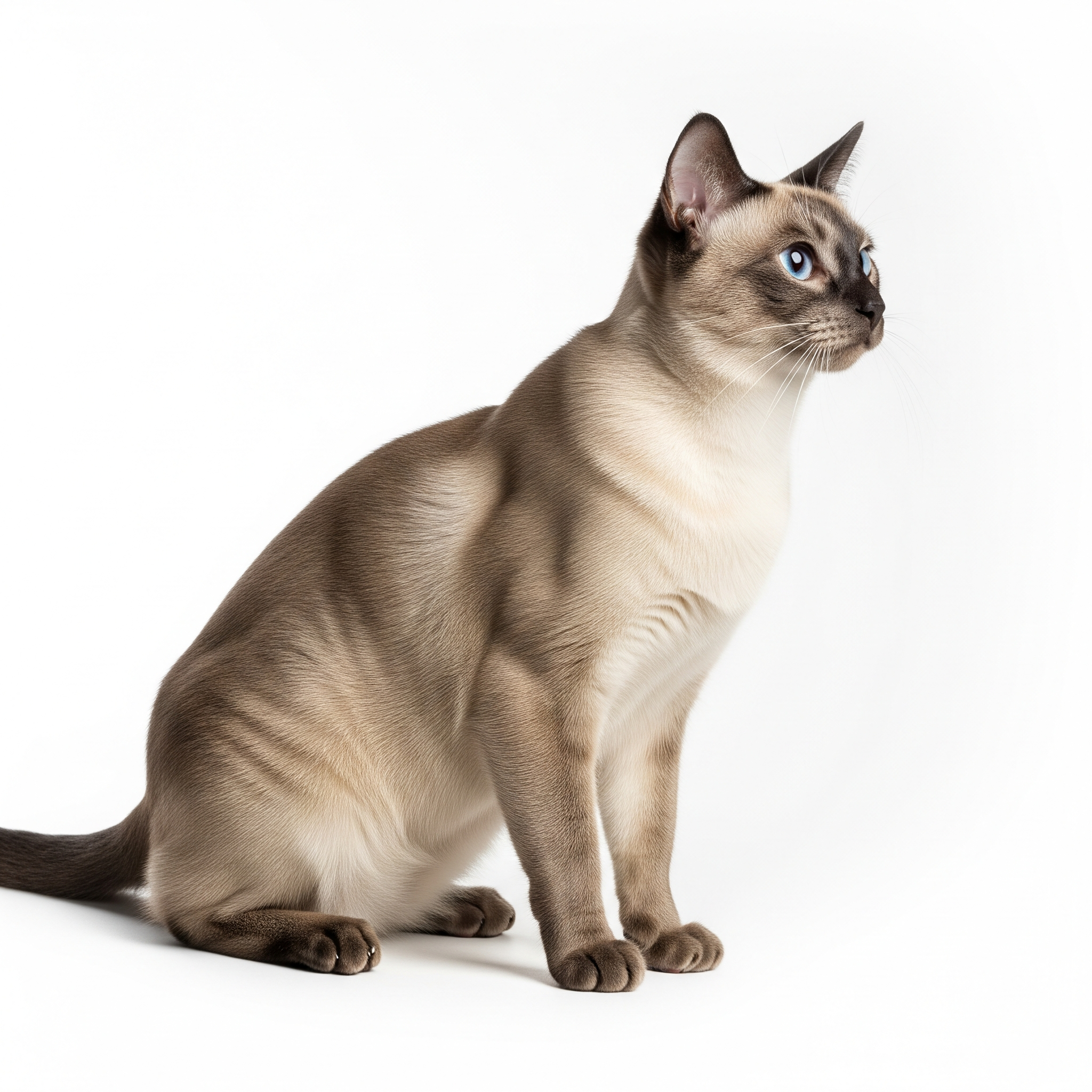
Archival print, museum-grade paper
Buy Poster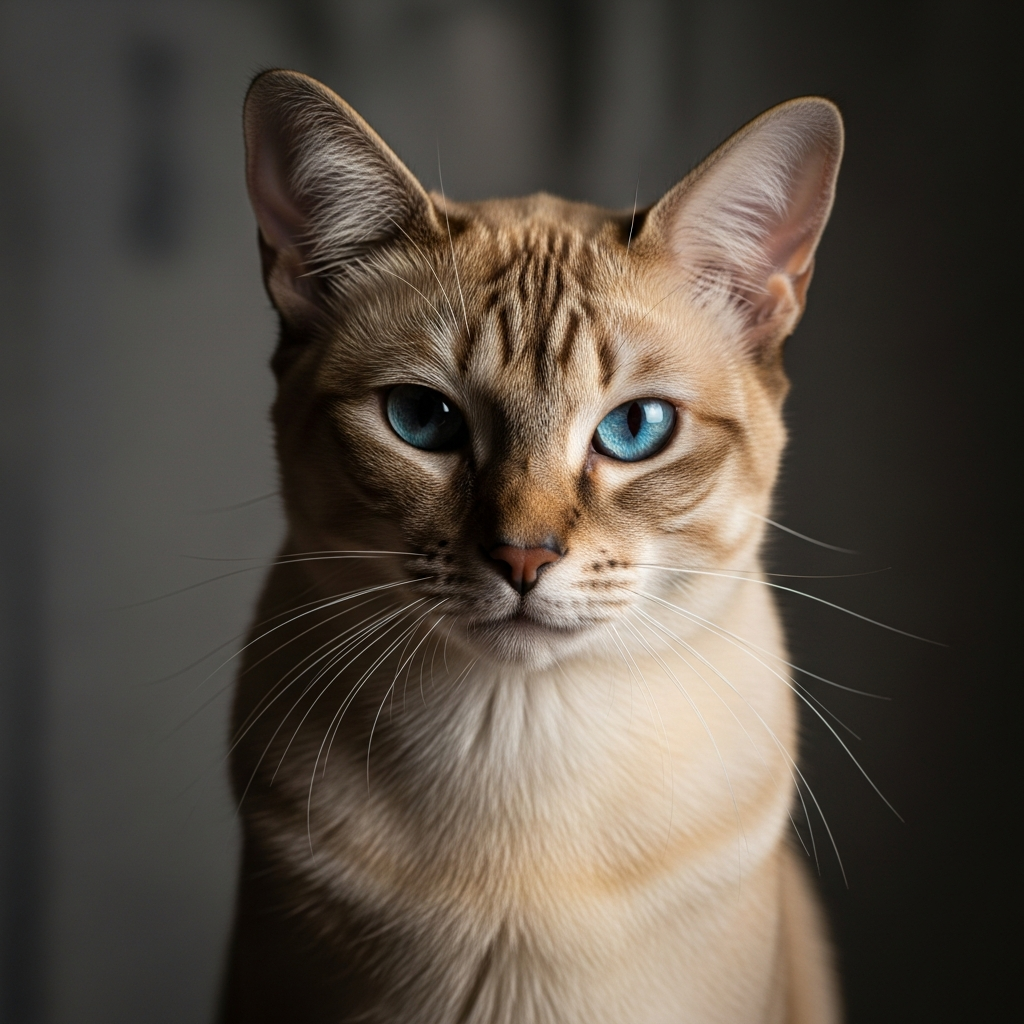
Stoneware mug, dishwasher safe
Buy Mug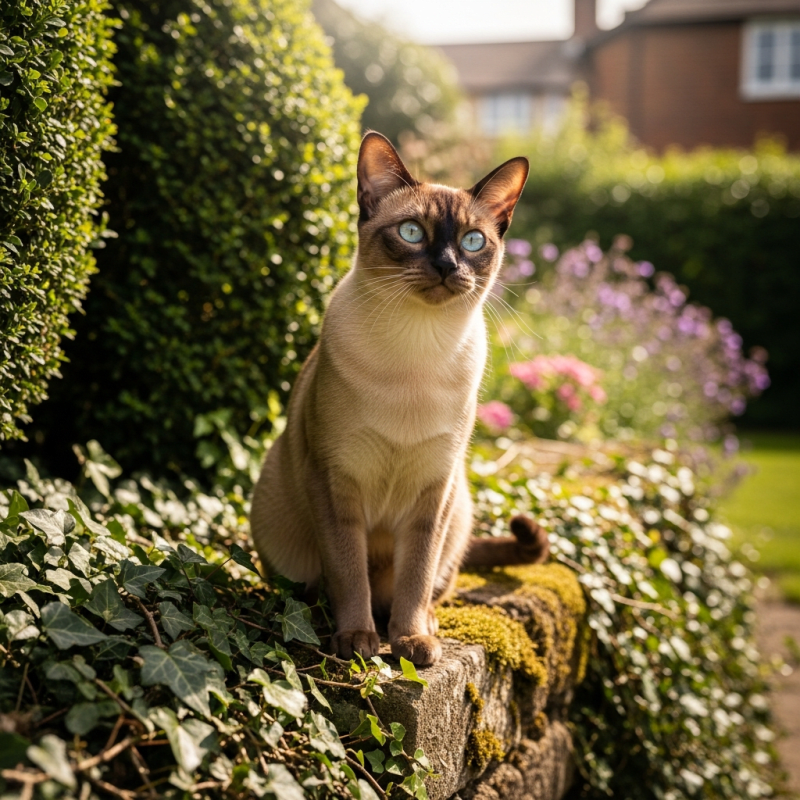
Soft cotton tee, unisex sizes
Buy ShirtIn the UK, the Tonkinese has become a beloved companion and a frequent participant in cat shows, valued for its unique blend of Siamese elegance and Burmese warmth. While not widely featured in art or folklore, its presence in British cat fancy circles and exhibitions underscores its cultural role as a symbol of refined breeding and feline companionship.
The Tonkinese (UK) is officially recognized by the Governing Council of the Cat Fancy (GCCF) in the United Kingdom.
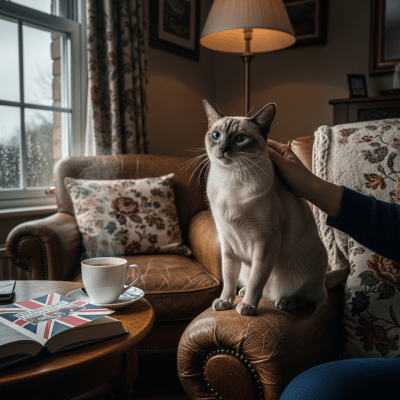
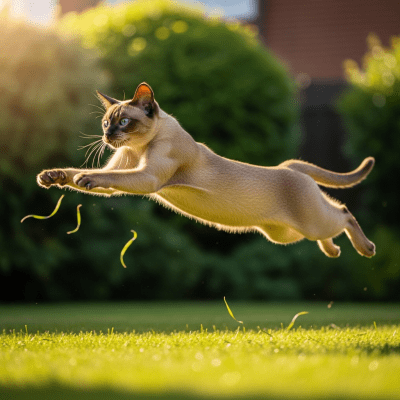
Tonkinese (UK) cats are playful, social, and highly intelligent. They thrive on human interaction, often seeking out companionship and engaging in lively activities. Adaptable and affectionate, they are known for their curiosity and ability to bond closely with their owners, making them excellent family pets.
Generally robust, Tonkinese (UK) cats may inherit some genetic predispositions from their Siamese and Burmese ancestors, such as dental or respiratory issues. However, no breed-specific genetic disorders are widely reported. With proper care, they typically enjoy a healthy and active life.
The Tonkinese (UK) has a short, fine, and silky coat that requires minimal grooming. Regular brushing helps maintain its sheen and reduces shedding. Routine veterinary checkups and dental care are recommended, especially given possible inherited sensitivities. Their sociable nature means they benefit from regular play and interaction.
This breed features a variety of colors and patterns, including solid, mink (the most characteristic), and pointed. Recognized colors include brown, blue, chocolate, lilac, red, cream, and their tortie and tabby variants. The "mink" pattern, a blend of Siamese and Burmese traits, is especially distinctive in the UK standard.
While no individual Tonkinese (UK) cats have achieved international fame, the breed is well-represented at GCCF cat shows and is cherished by British cat enthusiasts for its unique look and engaging personality.
The Tonkinese (UK) is specifically recognized by the GCCF and differs from North American Tonkinese breeds (CFA, TICA) in coat pattern definitions and permissible colors. The UK standard emphasizes the "mink" pattern and a broader palette of colors, setting it apart from its overseas counterparts.