Sphynx
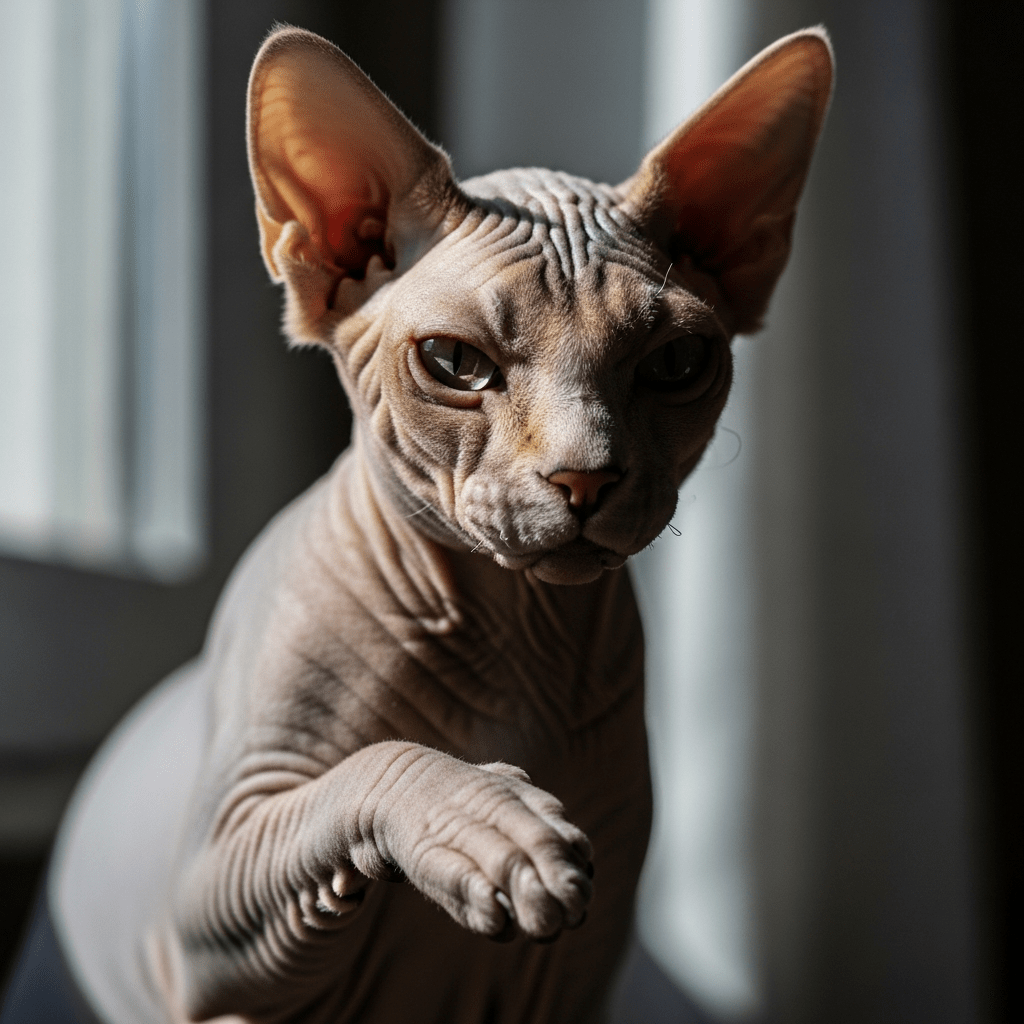
The Sphynx is a striking breed of domestic cat instantly recognizable for its hairless body, large ears, and affectionate personality.
The Sphynx is a striking breed of domestic cat instantly recognizable for its hairless body, large ears, and affectionate personality.
The Sphynx originated in Toronto, Canada, in 1966, when a hairless kitten named Prune was born to a domestic shorthair. This natural genetic mutation sparked the development of the breed, which was refined through careful breeding and outcrossing with Devon Rex and American Shorthair cats in North America and Europe, notably in the United States, Canada, and the Netherlands. These efforts expanded the gene pool and improved overall health, leading to the Sphynx's international recognition.
The Sphynx belongs to the species Felis catus and is classified as a distinct breed within the domestic cat taxonomy. It is part of the hairless group, recognized by all major cat registries, and stands apart due to its unique genetic mutation resulting in near-total hairlessness.
The Sphynx is medium-sized with a muscular, sturdy frame. Its most defining feature is the lack of a traditional fur coat; instead, the skin is covered in a fine, peach-fuzz-like down, creating a warm, suede-like sensation to the touch. The breed displays loose, wrinkled skin—especially around the shoulders and head—and prominent cheekbones. Large, open ears and striking, lemon-shaped eyes add to its dramatic look. Whiskers and eyebrows may be sparse or absent, and all colors and patterns are visible in the skin’s pigmentation.
Sphynx cats are exclusively companion animals, cherished for their affectionate, playful, and highly social nature. They thrive on human interaction, often following their owners and seeking warmth and attention. Their unique appearance makes them popular in cat shows, advertising, and media, and they are sought after by enthusiasts looking for a cat with hypoallergenic qualities, though they are not truly allergen-free.
Bring this kind into your world illustrated posters, mugs, and shirts.

Archival print, museum-grade paper
Buy Poster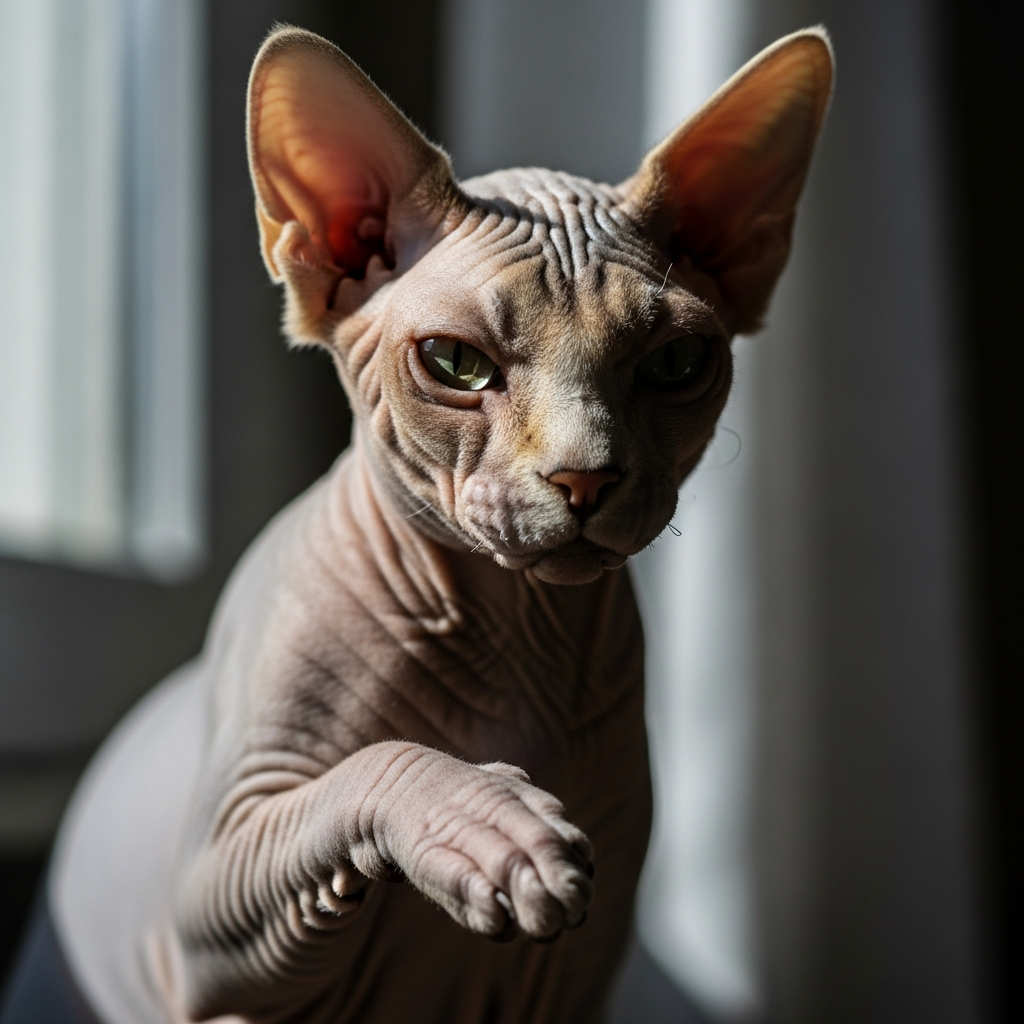
Stoneware mug, dishwasher safe
Buy Mug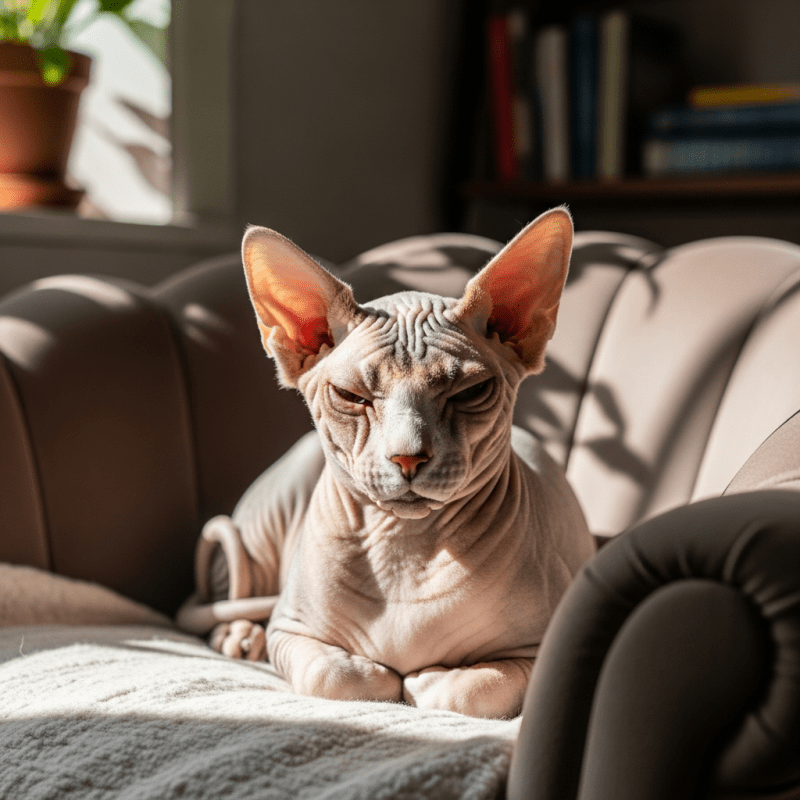
Soft cotton tee, unisex sizes
Buy ShirtThe Sphynx’s unusual look has made it a cultural icon in the cat world, frequently featured in advertising, films, and internet media. Its hairlessness evokes images of ancient Egyptian sphinxes, lending a mysterious and exotic aura. The breed’s popularity in cat shows and among celebrities has further cemented its status as a symbol of feline uniqueness and modern pet fashion.
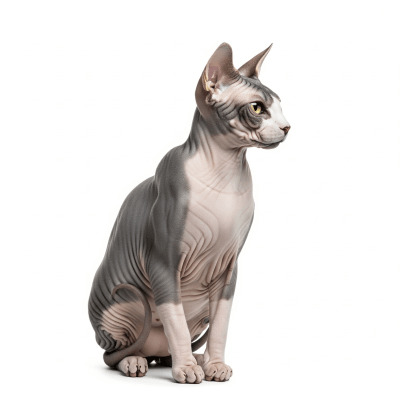
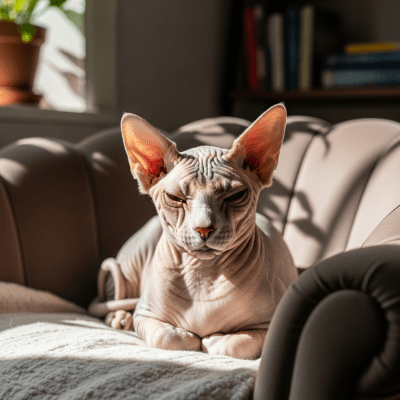
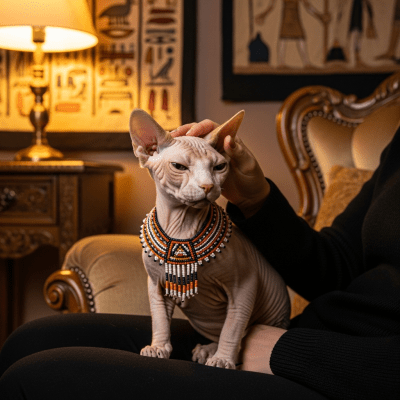
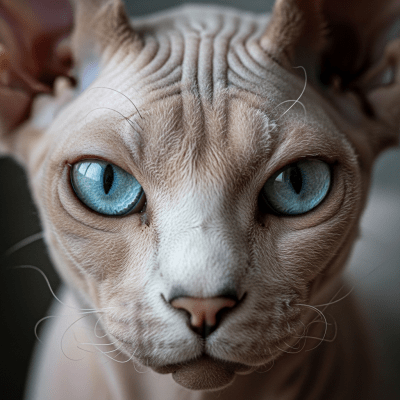
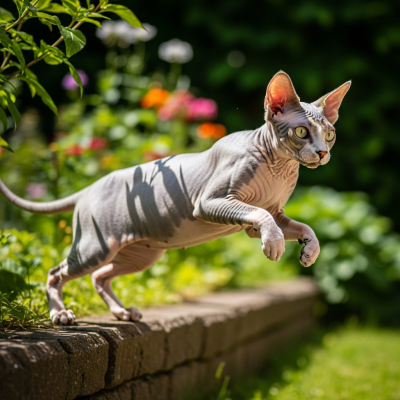
Sphynx cats are renowned for their affectionate, playful, and highly social temperament. They are interactive, curious, and thrive on companionship, often seeking out human attention and warmth. Their lively personalities make them excellent family pets and engaging companions.
The Sphynx is generally healthy but may be predisposed to certain genetic conditions, most notably hypertrophic cardiomyopathy (HCM). Their high metabolism requires attentive feeding, and their lack of fur makes them sensitive to temperature extremes. With proper care, Sphynx cats typically enjoy a robust life, though specific lifespan data varies.
Unlike most cats, the Sphynx requires regular bathing to remove skin oils that would otherwise be absorbed by fur. Owners should also protect them from sunburn and cold, as their hairlessness makes them vulnerable to temperature changes. Routine ear cleaning and nail trimming are recommended, and high-quality nutrition supports their energetic lifestyle.
All colors and patterns are accepted in the Sphynx breed, visible through the pigmentation of their skin. This includes solid, tabby, tortoiseshell, and pointed patterns, with a wide variety of shades and markings.
Sphynx cats have appeared in numerous films, advertisements, and internet memes, often chosen for their dramatic and memorable appearance. While individual celebrity Sphynx cats may not be universally known, the breed itself is a favorite among public figures and has starred in various media campaigns.
The Sphynx is internationally recognized and does not have significant regional variants. Some breeding lines may show minor differences in conformation, but the breed standard is consistent across major registries.